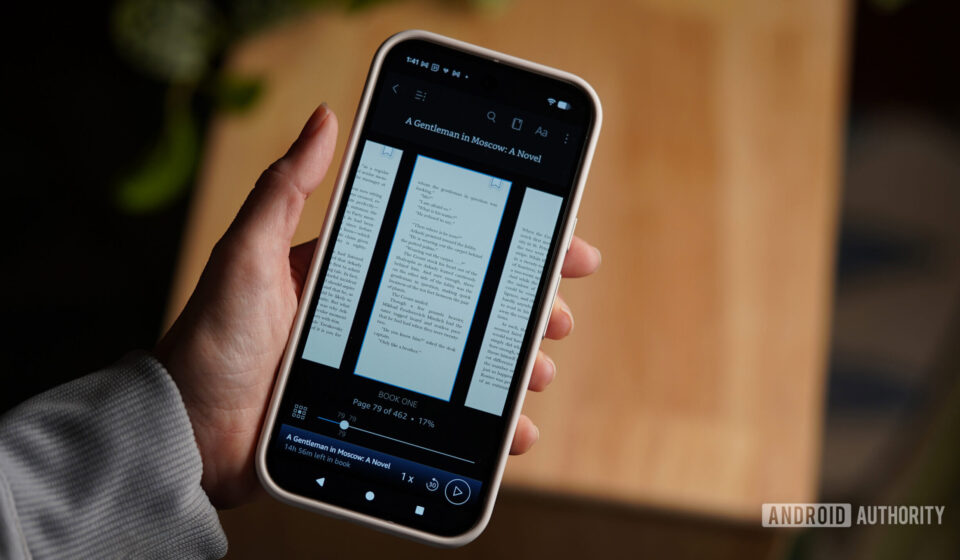
Audible’s Immersive Reading Tool Marks a New Era in Blended Digital Consumption.

The digital reading landscape is undergoing a significant transformation with the introduction of Audible’s new Immersive Reading tool. This innovative feature, recently rolled out by the Amazon-owned audiobook giant, aims to bridge the traditional gap between ebooks and audiobooks by allowing users to engage with both formats simultaneously. By synchronizing audio narration with real-time highlighted text within the Kindle application, Audible is pitching a unified reading experience designed to enhance focus, comprehension, and accessibility for a diverse user base. Initial assessments suggest that while the tool effectively addresses a distinct niche in digital content consumption, its full potential is currently hampered by technical inconsistencies and a restrictive pricing model.
The Evolution of Digital Reading: A Chronological Perspective
The journey of digital reading has been marked by continuous innovation, from the nascent stages of Project Gutenberg in the 1970s to the widespread adoption of dedicated e-readers and sophisticated audiobook platforms. The early 2000s saw the rise of the ebook, democratized by devices like Amazon’s Kindle, which launched in 2007. This period also witnessed the steady growth of audiobooks, initially on physical media like cassette tapes and CDs, before migrating to digital downloads and streaming services, with Audible emerging as a dominant player after its acquisition by Amazon in 2008.
A pivotal moment in the integration of these two formats came with Amazon’s "Whispersync for Voice" feature, introduced around 2012. Whispersync allowed users to seamlessly switch between reading an ebook on a Kindle device or app and listening to its corresponding audiobook on Audible, picking up exactly where they left off in either format. This feature primarily focused on interchangeability, offering convenience for readers who preferred different formats at different times. However, the experience remained sequential – one was either reading or listening.
Audible’s Immersive Reading, launched in early 2026, represents the next evolutionary step, moving beyond mere interchangeability to simultaneous engagement. This tool is not just about moving between options but about creating a combined, multimodal experience where visual and auditory input are synchronized in real-time. This development reflects a broader trend in digital media towards richer, more integrated consumption experiences, acknowledging that modern users often seek flexibility and enhanced engagement methods.
Mechanism and User Experience of Immersive Reading
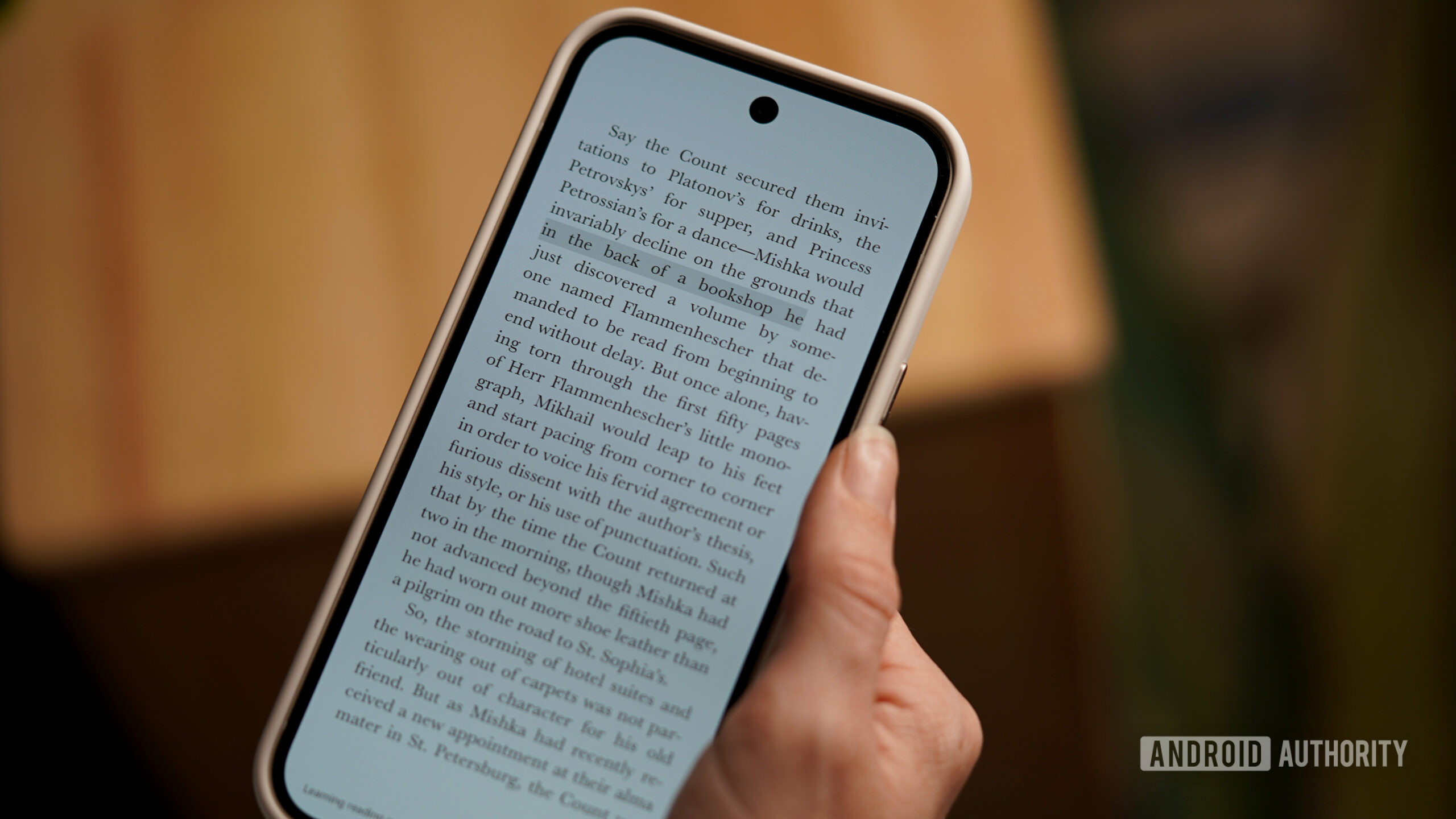
At its core, Immersive Reading functions by overlaying the audiobook narration onto the ebook text. When activated within the Kindle app, the feature plays the audiobook while simultaneously highlighting the words being read aloud on the screen. This real-time highlighting is designed to guide the reader’s eyes along with the narrator’s voice, creating a cohesive flow between the auditory and visual stimuli.
Users who have tested the feature report a significant impact on focus. In an era of pervasive digital distractions, many readers find their attention wavering during extended audiobook sessions, especially when not engaged in a menial task. The visual anchoring provided by the highlighted text serves to keep the mind engaged, making it harder for thoughts to drift. This dual input mechanism transforms a passive listening experience into a more active, guided reading process. For individuals accustomed to alternating between formats, or those who struggle with sustained concentration, this blended approach offers a compelling solution. The integration within the existing Kindle app means that users can leverage familiar text customization options, such as font size, line spacing, and background color, alongside the new audio synchronization.
Cognitive and Pedagogical Benefits: Enhancing Comprehension and Accessibility
The concept behind Immersive Reading aligns with established principles of cognitive psychology and educational pedagogy, particularly the dual-coding theory, which posits that information is better remembered when presented both visually and verbally. By simultaneously engaging both auditory and visual processing channels, the tool has the potential to significantly enhance reading comprehension and retention.
For students and lifelong learners, especially those grappling with complex academic texts or dense non-fiction, Immersive Reading could prove invaluable. The ability to hear and see the information concurrently can aid in decoding difficult vocabulary, understanding intricate sentence structures, and solidifying conceptual understanding. This dual reinforcement can make challenging material more approachable and digestible, potentially reducing the cognitive load associated with purely silent reading or passive listening.
Furthermore, the feature holds substantial promise for accessibility. For individuals with reading disabilities such as dyslexia, the synchronized audio and visual cues can provide crucial support. The narration can help with word recognition and pacing, while the highlighted text offers a visual anchor, reducing the cognitive effort required to track words on a page. Similarly, second-language learners could benefit immensely from this tool, using it to improve pronunciation, vocabulary acquisition, and overall language fluency by associating spoken words with their written forms in real-time. This makes it a powerful educational aid that transcends mere entertainment.
Beyond specific learning challenges, the feature can generally build reading momentum and stamina. For books that readers might otherwise postpone due to perceived difficulty or length, the guided, immersive experience can make the initial hurdle feel less daunting, encouraging deeper engagement and consistent progress.
Multitasking and Modern Lifestyles: Optimizing Reading Time
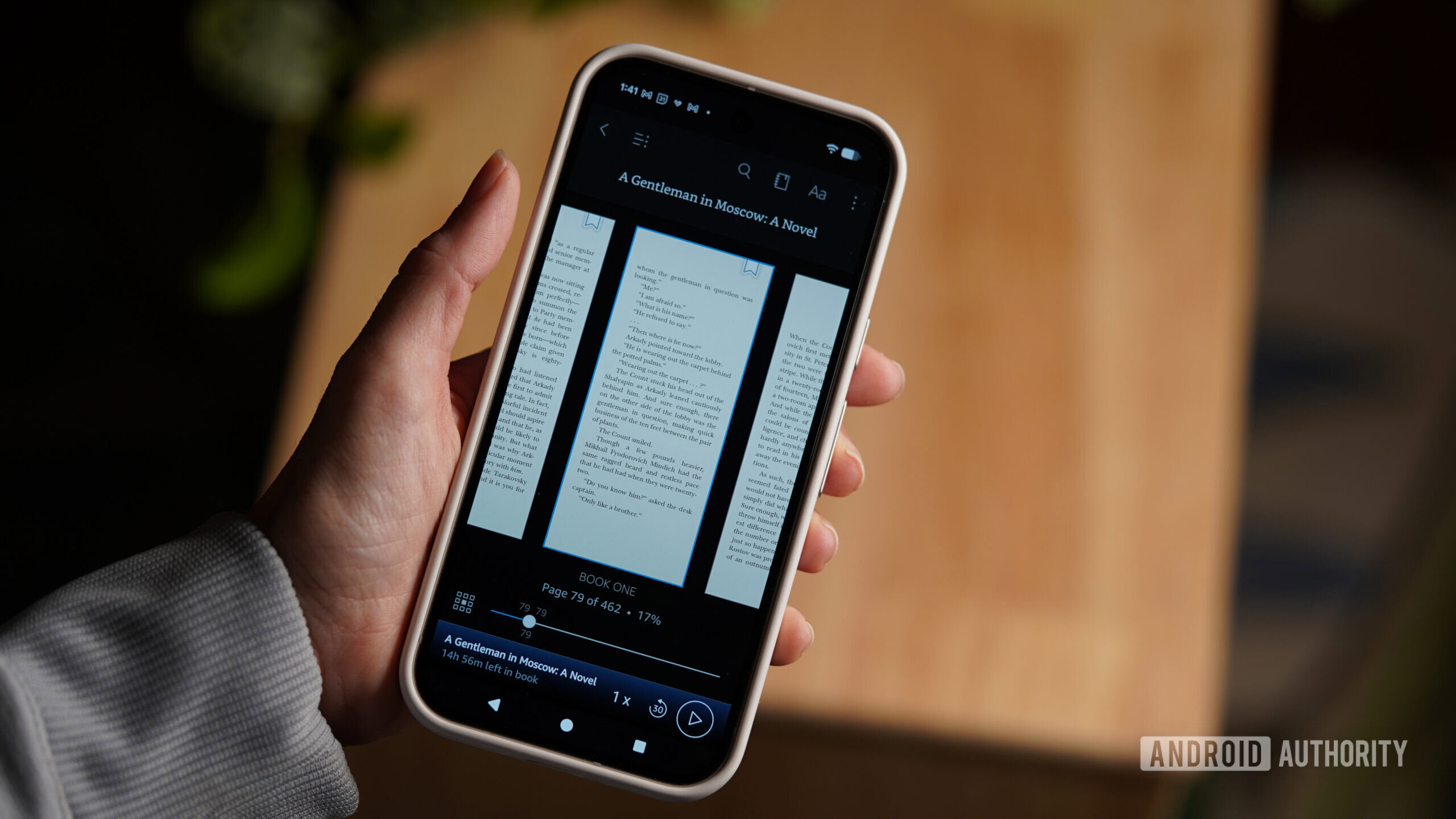
In contemporary society, where time is a premium and multitasking is often a necessity, Immersive Reading offers a practical solution for integrating reading into busy schedules. The original user review highlighted the convenience of seamlessly transitioning between activities without interrupting the narrative flow. Imagine reading on the couch, then needing to attend to laundry or prepare a meal; with Immersive Reading, the narration continues, allowing the user to maintain engagement with the story while their hands are occupied. When they return their eyes to the screen, the highlighted text immediately guides them back into the flow.
This continuous progress across different environments and activities is a significant advantage. It allows individuals to maximize their limited reading time, transforming traditionally passive moments (like commuting as a passenger) into opportunities for active engagement with a book. This adaptability caters directly to the demands of modern lifestyles, where dedicated, uninterrupted reading blocks are increasingly rare. It turns fragmented pockets of time into productive reading sessions, ensuring that progress feels continuous and satisfying, even amidst constant shifts in attention and environment.
Challenges and Areas for Refinement: Technical and Economic Hurdles
Despite its innovative potential, Immersive Reading is not without its limitations, as highlighted by initial user feedback. Several technical issues have been reported that detract from the seamless experience it aims to provide.
One notable concern is highlighting lag and inconsistency. Users have observed instances where the text highlighting does not perfectly synchronize with the narration, lagging slightly behind or jumping ahead. Such timing inconsistencies can disrupt the immersive flow, pulling the reader out of the experience and demanding conscious effort to re-align visual and auditory input. Furthermore, some reports indicate that the highlighting mechanism occasionally misfires, highlighting only partial words or skipping words altogether, which further undermines the precision essential for this feature. Addressing these synchronization issues will be crucial for the tool’s long-term success and user satisfaction.
A second area for improvement relates to user control and customization. While the concept of real-time highlighting is strong, users desire more granular control. Suggestions include expanding the highlighted area to encompass a few words ahead or behind the narrator, providing more visual context. The ability to manually adjust the timing of the highlighted text, similar to subtitle offset options in media players, could also empower users to fine-tune the experience to their personal preferences, accommodating different reading speeds and processing styles. Enhancing these control features would transform the tool from a fixed experience into a more adaptable and personalized reading aid.
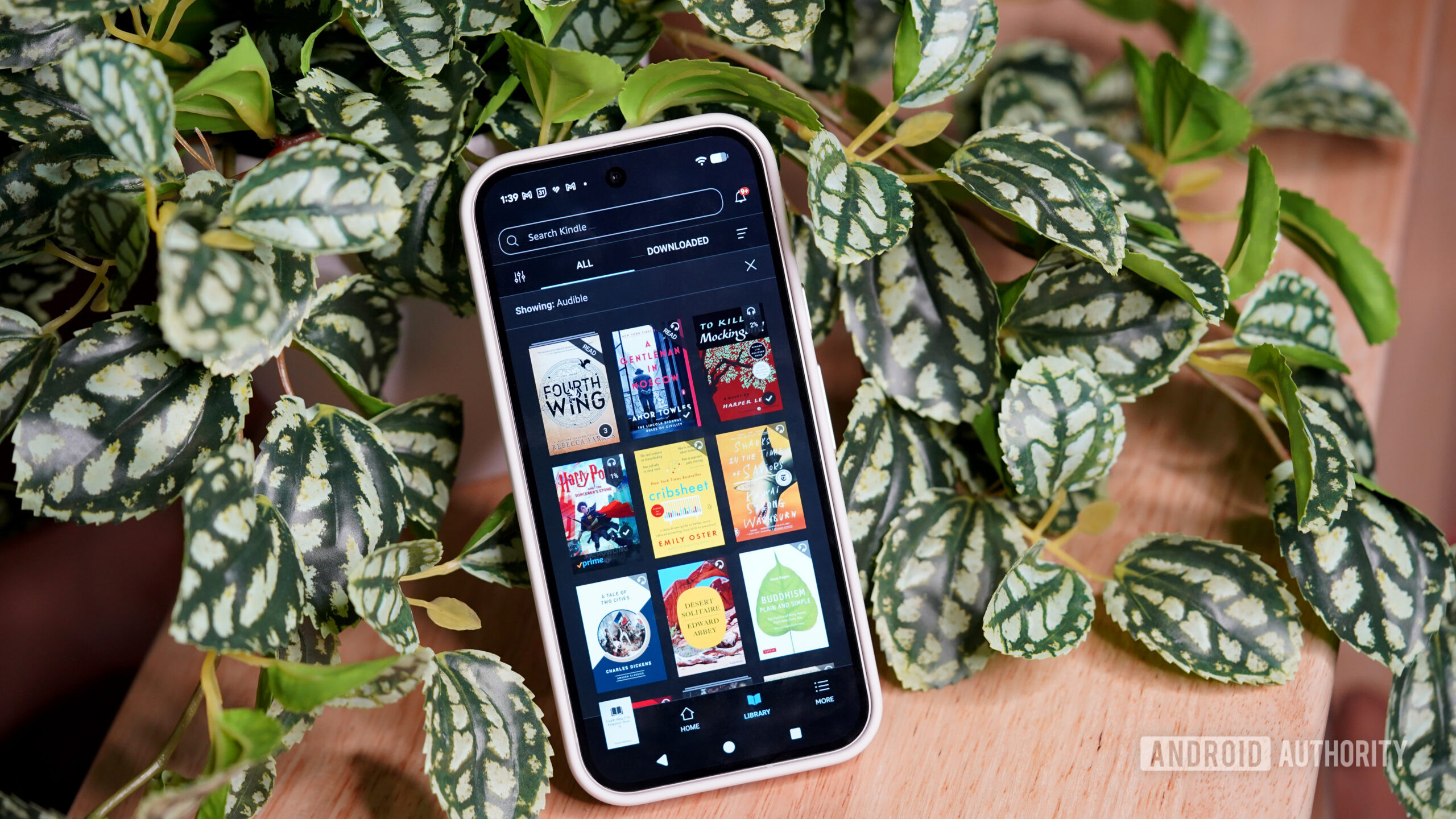
However, the most significant hurdle currently dampening the widespread appeal of Immersive Reading is its pricing and licensing model. Currently, to utilize the feature, users are typically required to own both the ebook version (via Kindle) and the corresponding audiobook version (via Audible). This dual purchase requirement significantly increases the cost for consumers, making the feature feel like a premium add-on rather than an accessible default. Many readers, who already manage distinct ebook and audiobook libraries, are hesitant to repurchase content in a second format solely for this integrated experience.
This financial barrier limits the feature’s adoption primarily to titles where users happen to own both versions or are willing to invest twice. It fundamentally alters the economic calculus for digital book consumption, potentially pushing users away from the feature despite its clear benefits. For Amazon and Audible, this model might represent an attempt to maximize revenue across their integrated platforms, but it risks alienating a segment of users who would otherwise embrace the innovation. Exploring alternative pricing strategies, such as discounted bundles for both formats, subscription tiers that include access to both, or even limited-time free trials for the dual format, could significantly broaden its appeal.
Broader Impact and Market Implications
Audible’s Immersive Reading tool is a strategic move by Amazon to further entrench its dominance in the digital content ecosystem. By tightly integrating Kindle ebooks and Audible audiobooks, Amazon aims to create a sticky, differentiated experience that enhances customer loyalty and reinforces its position against competitors. This move could force other digital reading platforms, such as Google Play Books, Apple Books, Kobo, and dedicated audiobook services like Storytel, to consider similar multimodal integration strategies to remain competitive. The success of Immersive Reading could set a new industry standard for what constitutes a "complete" digital reading experience.
From a publisher and author perspective, the feature presents both opportunities and challenges. Increased engagement could lead to higher sales across both formats if the pricing model becomes more attractive. However, concerns about digital rights management and equitable revenue distribution for dual-format purchases will undoubtedly arise. The ability to analyze user engagement with both text and audio could also provide invaluable data for content creators.
The long-term implications for reading habits are also profound. If Immersive Reading gains traction, it could lead to a generation of readers who naturally gravitate towards blended formats, fundamentally reshaping how individuals consume narratives and informational texts. This could foster a more active and engaged reading culture, particularly among younger demographics accustomed to rich, interactive digital experiences.
Ultimately, Immersive Reading represents a compelling vision for the future of digital content consumption. It addresses genuine user needs for enhanced focus, comprehension, and flexibility in a world increasingly characterized by distraction and fragmented attention. While the initial rollout faces technical polishing requirements and a significant economic hurdle with its dual-purchase model, the underlying concept is powerful. As Audible continues to refine the experience and potentially re-evaluate its pricing structure, Immersive Reading has the potential to become a cornerstone of modern digital reading, fundamentally reshaping the interaction between readers and their beloved books, fostering a deeper, more continuous, and ultimately more rewarding journey through literature and knowledge.