





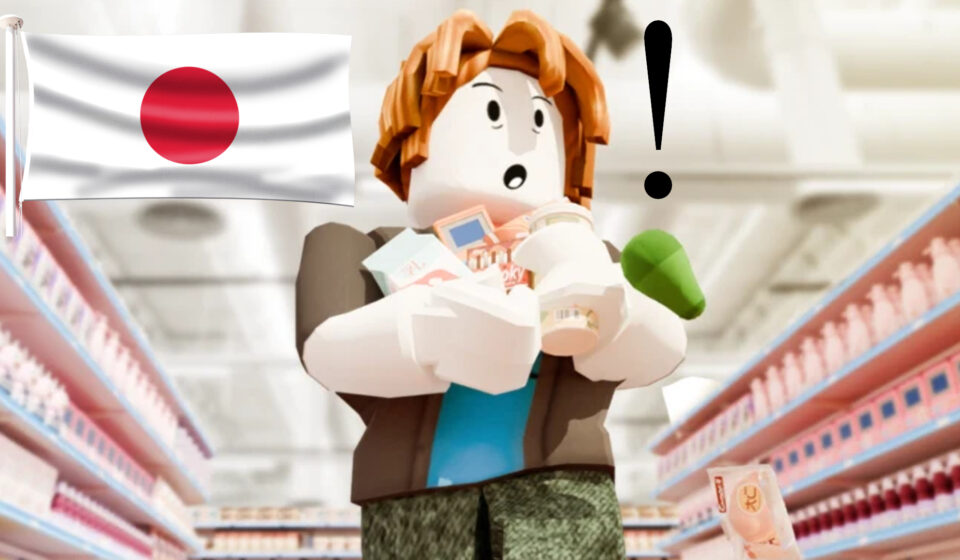
Japanese Supermarket Simulator Codes Updated: New Product Units Added as Developers Continue Support for Popular Roblox Experience

February 28, 2026 – A recent update to Japanese Supermarket Simulator, the popular Roblox title that immersizes players in the intricacies of running a virtual Japanese convenience store, has introduced new redeemable codes. The latest batch includes codes that grant players three units of a newly available product, offering a fresh boost to in-game inventory and strategic management. This development follows a routine check of active and expired codes for the game, ensuring players have access to the latest in-game bonuses.
The game, which allows players to simulate the experience of managing and expanding their own Japanese supermarket, has garnered a dedicated following on the Roblox platform. Initially, players might begin with a modest selection of items, such as Konbini coffee, but through strategic gameplay and the redemption of in-game codes, the scope of available products expands significantly. This includes a diverse range of items, from popular consumer goods like matcha chocolate to more niche products, mirroring the vibrant retail landscape of Japan. The introduction of new product units via codes suggests a developer commitment to ongoing content enrichment and player engagement.
Developer Strategy and Player Incentives
The release of these new codes aligns with a broader strategy employed by many Roblox game developers to maintain player interest and encourage continued participation. By providing free in-game items or currency, developers can offer tangible rewards that enhance the player’s experience without requiring direct monetary expenditure. This approach is particularly effective in simulation games like Japanese Supermarket Simulator, where inventory management, customer satisfaction, and business growth are central to the gameplay loop. The addition of new product units directly impacts these core mechanics, allowing players to diversify their offerings, potentially attract new customer demographics, or fulfill specific in-game objectives.
The developer’s approach to code distribution, while seemingly sporadic in the past, appears to be a deliberate tactic to create moments of excitement and anticipation within the player community. While there isn’t a fixed schedule for code releases, past patterns have indicated a correlation with significant events, such as holidays (like Halloween), game anniversaries, or developer-driven milestones, such as achieving a certain number of in-game likes or active players. This unpredictability, while sometimes frustrating for players seeking consistent updates, also fosters a sense of urgency and rewards those who actively monitor the game’s community channels.
Chronology of Code Updates and Game Evolution
The history of Japanese Supermarket Simulator’s code releases can be traced back to the game’s inception. Early codes often focused on providing basic in-game currency or starter items to help new players establish their businesses. As the game evolved and its player base grew, the complexity and value of the codes increased. For instance, during its initial launch phases, codes might have offered a few hundred in-game yen or a small selection of common convenience store staples.
As the game matured, and in line with its increasing popularity, the developers began to incorporate more unique and desirable items into the code redemption system. This included themed items, such as seasonal decorations for the supermarket during festive periods, or specific product lines that players might not have had immediate access to through regular gameplay. The introduction of "three units of a new product" in the February 28, 2026 update marks a continuation of this trend, indicating that the developers are not only providing existing items but are actively introducing novel content that can be obtained through these promotional codes. This suggests a development pipeline that anticipates future content releases and uses codes as an early-access mechanism for certain elements.
The current update, dated February 28, 2026, signifies a proactive effort by the development team to keep the game fresh. The act of checking for expired codes alongside the release of new ones is a standard practice in game maintenance, ensuring that players are not presented with invalid redemption opportunities. This meticulous approach to managing in-game resources demonstrates a commitment to providing a smooth and rewarding player experience.

Supporting Data and Player Engagement Metrics
While specific player numbers for Japanese Supermarket Simulator are not publicly disclosed by Roblox, the game’s consistent presence in trending lists and player community discussions suggests a robust and engaged player base. The developer’s reliance on code-based incentives is a common strategy within the Roblox ecosystem, where free-to-play models are prevalent. According to industry analyses of the Roblox platform, games that actively engage their communities through regular updates, events, and promotional content tend to exhibit higher player retention rates and longer average playtime.
The introduction of new product lines through codes can also be seen as a form of market testing. By offering these items via codes, developers can gauge player interest and demand for specific product types without the immediate need to integrate them into the core progression system or make them available for purchase. This data can then inform future development decisions, such as whether to expand the product’s availability, introduce related items, or even adjust pricing if the product were to become a permanent in-game purchase option later.
Official Responses and Developer Communication
While direct quotes from the developers of Japanese Supermarket Simulator were not provided in the initial information, the consistent release of codes and updates, even if infrequent, can be interpreted as an official response to player feedback and a commitment to the game’s longevity. The existence of a dedicated Discord server further facilitates this communication channel. This platform serves as a crucial hub for developers to interact directly with their community, gather feedback, announce updates, and distribute information about new codes.
The mention of specific channels on the Discord server, such as those for submitting artwork, reporting bugs, and sharing personal content (like pet pictures), highlights a developer strategy focused on building a holistic community around the game. This approach fosters a sense of belonging and shared investment, encouraging players to not only play the game but also to actively participate in its ecosystem. This can lead to organic community growth and valuable user-generated content that further promotes the game. The fact that the developers actively maintain and encourage engagement on this platform suggests a responsive and player-centric development philosophy.
Broader Impact and Implications for the Roblox Ecosystem
The practice of releasing redeemable codes in games like Japanese Supermarket Simulator has broader implications for the Roblox platform and the wider gaming industry. It underscores the effectiveness of "games as a service" models, where ongoing content updates and player incentives are crucial for sustained success. For players, these codes represent an accessible way to enhance their gaming experience, democratizing access to desirable in-game items and reducing the potential barrier of entry for new players who might feel overwhelmed by established economies.
For developers, strategic code releases can be a powerful tool for driving player engagement, increasing in-game activity, and generating buzz around new content or updates. The success of Japanese Supermarket Simulator and its use of such promotional tactics serves as a case study for other aspiring Roblox developers. It highlights the importance of not only creating an engaging core gameplay loop but also of actively nurturing a community and providing consistent, albeit sometimes unpredictable, rewards.
The continuous evolution of games like Japanese Supermarket Simulator, marked by updates and the introduction of new redeemable content, ensures that the Roblox platform remains a dynamic and appealing environment for a diverse range of players. The ability to offer unique in-game items, such as the newly added product units, through simple code redemptions contributes to the platform’s appeal as a space for both casual and dedicated gaming experiences. As developers continue to innovate with their monetization and engagement strategies, the role of redeemable codes is likely to remain a significant component in the ongoing success of many Roblox titles. Players eager to expand their virtual supermarket’s offerings can look forward to continued support from the developers, with the expectation that more codes and content updates will be released in the future.