





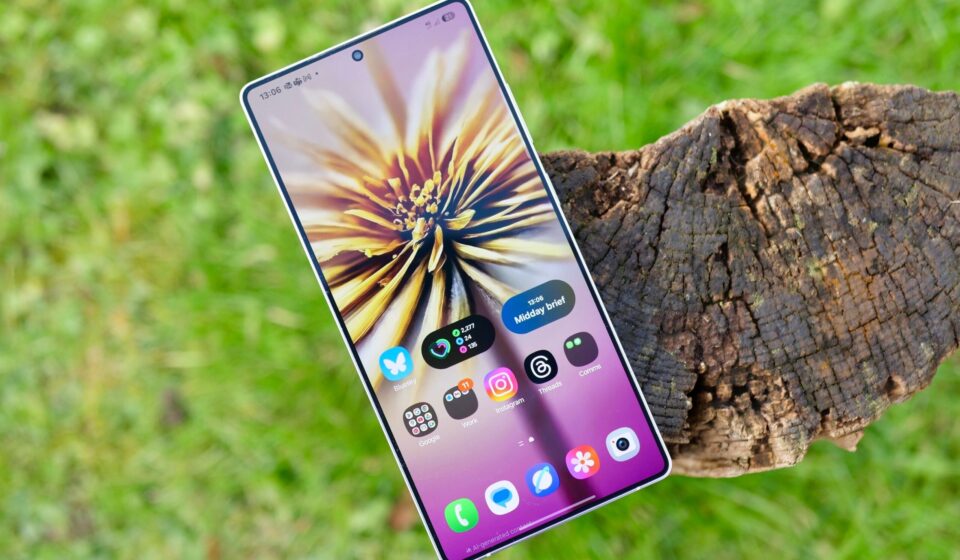

The mobile technology landscape is on the cusp of a significant privacy enhancement, with Samsung’s innovative Privacy Display feature, expected to debut on the forthcoming Galaxy S26 Ultra, drawing considerable attention from competitors. This advanced screen technology, which utilizes directional OLED pixels and sophisticated software to restrict viewing angles, promises to significantly bolster user privacy in public spaces by preventing "shoulder surfing" – the unauthorized viewing of sensitive information on a device’s screen. The development signifies a potential paradigm shift in smartphone security, moving beyond software-based solutions to incorporate hardware-level privacy controls.
The core of Samsung’s Privacy Display innovation lies in its ability to manipulate the light emitted by the OLED pixels. By precisely controlling the direction of the light, the display can be rendered virtually invisible when viewed from an angle, while remaining crystal clear to the user directly in front of the device. This hardware-driven approach is complemented by intelligent software that can further enhance privacy, potentially by detecting when sensitive data, such as passwords, one-time passcodes (OTPs), or financial information, is being entered, and automatically activating or intensifying the privacy filter for those specific on-screen elements. Early hands-on impressions suggest a high degree of effectiveness, presenting a compelling solution to a persistent concern for mobile device users.

Competitors Eyeing Samsung’s Privacy-First Approach
The impressive capabilities of Samsung’s Privacy Display have not gone unnoticed by other major players in the smartphone industry. According to reports from prominent tech insider Digital Chat Station, several "domestic manufacturers" in China are actively testing similar "spy screen" technologies. This phrasing, while informal, points towards a dedicated effort to replicate or even improve upon Samsung’s hardware-level privacy screen solutions. The implication is that the underlying principles of directional pixel control and integrated software are being explored and adapted by companies such as Oppo, Vivo, Xiaomi, and OnePlus, all of which have a significant global market presence.
The development suggests a competitive race to integrate enhanced privacy features into flagship devices. The "hardware-level" aspect is particularly intriguing, hinting at a more robust and integrated solution than the privacy screen protectors currently available on the market, which often compromise display quality and viewing angles. The fact that these manufacturers are exploring such solutions indicates a growing market demand for enhanced digital privacy, driven by increasing awareness of data security and personal information protection.

The Evolution of Smartphone Privacy: From Software to Hardware
Historically, smartphone privacy has largely been addressed through software-based features. These include app permissions, encryption, secure folders, and privacy dashboards that inform users about data access. While these are crucial, they do not fundamentally alter the way information is displayed on the screen itself. The advent of Samsung’s Privacy Display, and the subsequent interest from competitors, marks a significant step forward by introducing a hardware component that directly controls visual access to the screen’s content.
The timeline for this technological advancement appears to be accelerating. While the Galaxy S26 Ultra is slated to be among the first to feature this technology, the rapid exploration by other brands suggests that such privacy-enhancing displays could become a standard offering on high-end smartphones in the near future. The initial focus on flagship devices is typical, as these models often incorporate the latest and most advanced display technologies due to higher research and development budgets and a market segment more willing to invest in premium features.

Analyzing the "Hardware-Level" Privacy Screen
The term "hardware-level" in the context of these privacy screens is key. It implies a built-in mechanism that is an intrinsic part of the display’s manufacturing process, rather than an add-on accessory. This could involve specialized OLED panel construction that inherently directs light, or perhaps micro-louvre structures integrated into the display assembly. Samsung’s approach, as indicated by early reports, combines this hardware capability with smart software. This software could potentially dynamically adjust the privacy filter’s intensity or coverage based on user activity or context, offering a more nuanced and user-friendly experience.
The potential benefits are substantial. In crowded public transport, busy cafes, or open-plan offices, users often feel vulnerable about their screen content being viewed by others. A hardware-based privacy display would offer a seamless and integrated solution, eliminating the need for separate, often cumbersome, privacy screen protectors. This could also lead to a reduction in the visual clutter and potential degradation of user experience associated with some third-party privacy films.

Broader Implications and Future Trends
The widespread adoption of hardware-level privacy displays could have several broader implications:
- Enhanced User Confidence: Users may feel more secure and confident using their smartphones in public, leading to increased adoption of mobile banking, secure messaging, and other sensitive applications.
- Competitive Differentiation: This technology could become a significant differentiator for smartphone manufacturers, attracting privacy-conscious consumers.
- Potential for New Use Cases: Beyond preventing shoulder surfing, advanced directional displays could unlock new possibilities for augmented reality, collaborative viewing, and personalized content delivery.
- Influence on Other Devices: If successful in smartphones, the technology could eventually find its way into tablets, laptops, and even in-car infotainment systems, further expanding the scope of digital privacy.
While the immediate focus appears to be on Android manufacturers, the influence of such innovations often transcends operating systems. It is not unreasonable to anticipate that Apple, known for its own strong emphasis on user privacy, may explore similar integrated privacy display solutions for future iPhone models, potentially within a two-to-three-year timeframe. The industry’s trajectory suggests a growing commitment to making privacy not just a software feature, but a fundamental aspect of hardware design.

The current advancements in display technology, particularly with OLED panels, provide a fertile ground for these privacy innovations. The ability to precisely control individual pixels offers a level of granularity that was previously unattainable. As the technology matures and manufacturing processes become more efficient, the cost of implementing such features is likely to decrease, paving the way for broader availability across various device tiers. The ongoing exploration by multiple manufacturers indicates that the era of truly private mobile displays may be closer than ever before.