




Sana Pop Culture Festival Consolidates Fortaleza as a Strategic Hub for the Creative Economy and Tourism in Northeast Brazil

The Sana festival, originally conceived as the Super Amostra Nacional de Animes, has evolved from a niche gathering of Japanese animation enthusiasts into the largest multi-thematic pop culture event in Northern and Northeastern Brazil. Established in 2001 in Fortaleza, Ceará, the event has transitioned through various stages of growth, moving from small university auditoriums to the massive infrastructure of the Centro de Eventos do Ceará. Today, Sana operates as a biannual cornerstone of the regional creative economy, attracting tens of thousands of visitors from across the country and serving as a critical platform for tourism, artistic commerce, and social integration.

Historical Evolution and the Chronology of Sana
The trajectory of Sana reflects the broader globalization of pop culture within the Brazilian market. In the early 2000s, the event focused primarily on the screening of imported animes and small-scale cosplay competitions. However, as the "geek" demographic expanded into a mainstream economic force, the festival’s scope widened to include electronic games, K-pop, international cinema, comic books, and technology.
By the mid-2010s, Sana had established a biannual rhythm, typically holding a "Sana Preview" or January edition and a "Main Sana" in July. This scheduling aligns with the Brazilian academic holidays, maximizing the influx of young tourists to the city of Fortaleza. The relocation to the Centro de Eventos do Ceará, one of the most modern convention centers in Latin America, marked a turning point in the event’s professionalization. This venue allowed for the implementation of complex logistics, including large-scale concert stages, interactive gaming arenas, and expansive commercial sectors.

Economic Impact and the "Popular Price" Strategy
One of the defining characteristics of Sana, which distinguishes it from similar large-scale events in São Paulo or Rio de Janeiro, is its commitment to financial accessibility. In a region where the minimum wage and average disposable income often differ from the industrial Southeast, Sana’s organizers have maintained a pricing structure designed to foster mass participation.
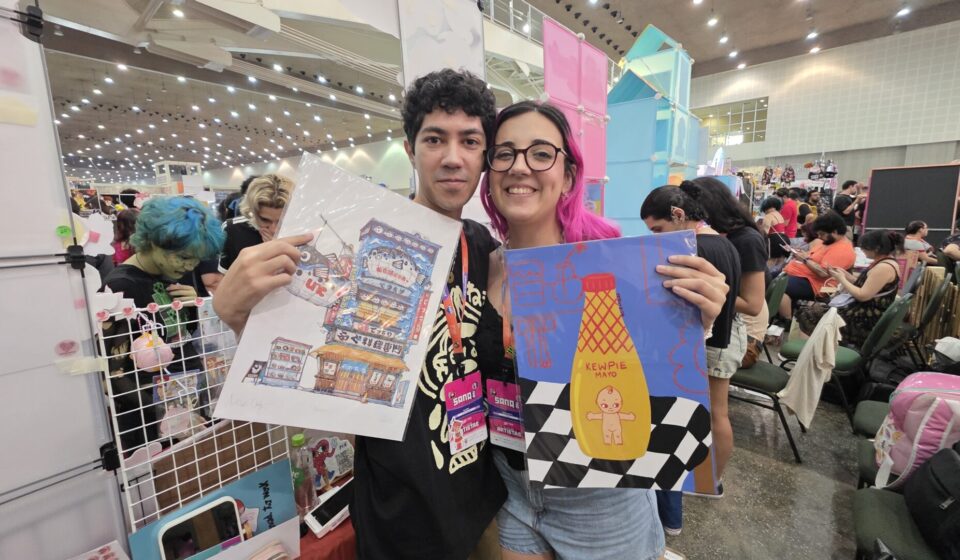
Data from recent editions indicates that the festival prioritizes affordable food and beverage options, with meal combinations and merchandise often priced significantly lower than those found at international franchises. This strategy does not merely serve the consumer; it ensures a high volume of foot traffic that benefits the "Vila dos Artistas" (Artist Alley). This sector serves as a micro-business incubator, where local illustrators, writers, and craftspeople can sell their work directly to a targeted audience. For many regional artists, Sana represents their primary annual revenue stream, providing the capital necessary to fund their creative endeavors throughout the year.

Beyond the venue walls, the economic ripple effect extends to Fortaleza’s hospitality and transport sectors. Hotel occupancy rates in the Iracema and Meireles districts frequently see a measurable uptick during the festival weekends. Furthermore, the rise of "geek tourism" has prompted local travel agencies to offer specialized packages that combine festival tickets with tours of the Ceará coastline.
Social Responsibility and the Geek Patas Initiative
Sana has distinguished itself by integrating social causes into the festival experience, most notably through the "Geek Patas" project. This initiative, which focuses on animal welfare and pet adoption, operates in partnership with local Non-Governmental Organizations (NGOs). By hosting adoption fairs within the event, Sana leverages its high attendance to find homes for rescued animals, effectively bridging the gap between entertainment and civic duty.

This focus on empathy and social awareness provides a stark contrast to recent national headlines regarding animal cruelty, positioning the youth of the Northeast as a demographic deeply invested in ethical standards and community care. The success of Geek Patas demonstrates that pop culture events can serve as effective vehicles for public service announcements and humanitarian efforts, reaching a younger audience that might otherwise be disengaged from traditional social advocacy.
Cultural Synthesis: Regionalism Meets Global Media
A unique aspect of Sana is the "Nordestination" of global pop culture icons. Unlike events that strictly replicate international formats, Sana encourages a synthesis of Northeastern Brazilian identity with global franchises. This is evidenced by the work of local creators who adapt traditional "Cordel" literature techniques to tell stories of characters from Harry Potter or Star Wars.

Artists such as Patrick Lima and Felipe Arrais have gained national recognition for their ability to reinterpret Pokémon or superheroes through a regional lens, utilizing local dialects and cultural motifs. This cultural hybridity serves two purposes: it preserves regional heritage among the younger generation and offers a unique "export" product for tourists seeking something more than a generic comic convention experience. The support of local sculptors, such as Walterlan Veríssimo, whose high-fidelity works are showcased with festival backing, further underscores the event’s role as a patron of regional fine arts.
Infrastructure and Interactive Programming
The logistics of Sana are designed to minimize the "vanguard fatigue" often associated with mega-conventions. While events in the South of Brazil are frequently criticized for prohibitive wait times and overcrowding, Sana’s layout at the Centro de Eventos do Ceará utilizes vertical and horizontal space to distribute crowds effectively.

Key attractions include:
- The Gaming Sector: Equipped with multiple generations of consoles, from retro systems to the latest E-sports setups.
- The K-pop Arena: A dedicated space for dance competitions and workshops, catering to one of the fastest-growing fanbases in Brazil.
- The Zip-line: A signature thrill attraction that traverses the main hall, providing a panoramic view of the festivities and the venue’s architecture.
- The Cosplay Pavilion: A high-resource area providing support for performers who invest months into creating intricate costumes, often based on complex mechanical or textile engineering.
The presence of international guests, such as Jack Gleeson of Game of Thrones fame, highlights the festival’s growing prestige. Notably, the management of these guests often allows for a more intimate level of fan interaction compared to the rigid barrier systems used in larger global circuits. This accessibility enhances the "warmth" and "hospitality" that the Northeast is traditionally known for, creating a distinct brand identity for the festival.

Tourism Synergy: The "Sana + Beach" Model
The geographic location of Sana provides a unique competitive advantage. Fortaleza is a premier tourist destination, and the festival’s timing allows visitors to integrate their interest in pop culture with traditional leisure activities. The "Praia do Futuro," located within the city limits, offers robust infrastructure for budget-conscious travelers, while the "Porto das Dunas" in the nearby municipality of Aquiraz caters to a high-end demographic with luxury resorts and the famous Beach Park.
This dual-track appeal—the urban convention and the coastal retreat—positions Sana as a "destination event." For many attendees from neighboring states like Piauí, Rio Grande do Norte, and Pernambuco, the trip to Sana is a comprehensive vacation. The festival serves as the anchor, but the local environment ensures a longer stay, increasing the overall "per-capita" spend of the average attendee.

Implications and Future Outlook
The continued success of Sana has significant implications for the state of Ceará. It validates the investment in large-scale infrastructure like the Centro de Eventos and demonstrates that the "creative economy" is a viable pillar for regional development. By fostering a space where technology, art, and commerce intersect, Sana is training a new generation of entrepreneurs and creators who see the Northeast not as a peripheral market, but as a central hub of innovation.
The next edition of Sana is scheduled for July 2026. While the specific lineup of international guests and musical attractions has yet to be fully disclosed, early ticket sales indicate sustained demand. The organization is expected to continue its expansion into new media territories, potentially including more robust sections for indie game developers and virtual reality experiences.

As Sana approaches its third decade of existence, it stands as a testament to the power of community-driven events. What began as a small gathering for anime fans has become a sophisticated multi-million-real operation that defines the cultural landscape of Northern Brazil. For the city of Fortaleza, Sana is more than a weekend of entertainment; it is a vital economic engine and a proud display of the region’s capacity for large-scale, inclusive, and culturally significant production.