





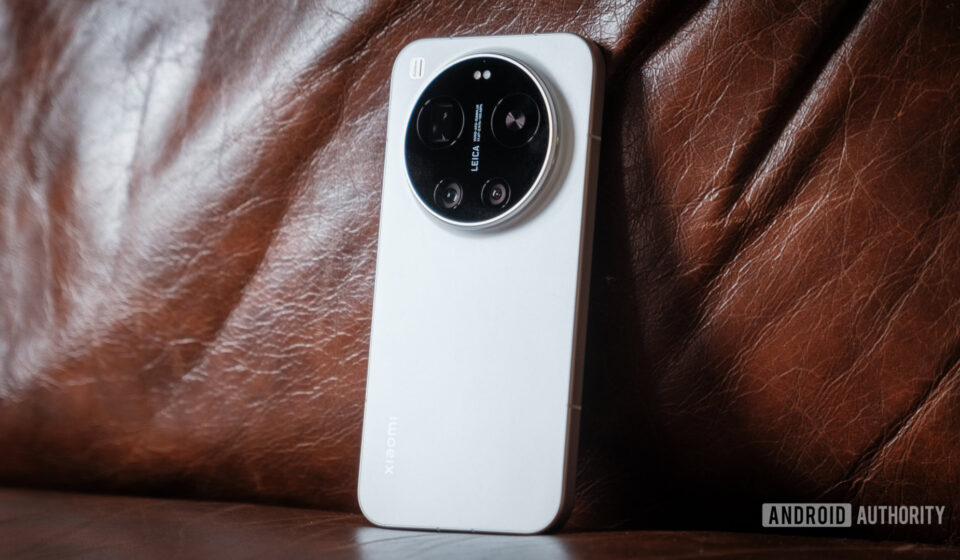
Xiaomi 17 and Xiaomi 17 Ultra Unleashed Globally, Marking a New Era for Flagship Photography and Performance

After an initial debut in China, Xiaomi has officially launched its highly anticipated Xiaomi 17 and Xiaomi 17 Ultra smartphones to global markets. This strategic rollout positions the Chinese technology giant squarely in the ultra-premium segment, challenging established players with cutting-edge hardware, particularly in mobile photography, and a refined user experience. Both devices share a foundation of robust performance, spearheaded by the new Snapdragon 8 Elite Gen 5 processor, and a commitment to advanced features such as 50W wireless charging, IP68 water and dust resistance, a 50MP f/2.2 selfie camera, an ultrasonic in-display fingerprint scanner, and Xiaomi’s proprietary HyperOS 3 interface. This global release signifies Xiaomi’s continued ambition to solidify its presence in competitive international markets, offering consumers a blend of innovation and premium design.
A Staggered Global Rollout: Xiaomi’s Market Strategy
The journey of the Xiaomi 17 series began last year with its domestic launch in China, a common practice for many Chinese manufacturers who often prioritize their home market before expanding internationally. This staggered release allows companies to fine-tune software, gauge initial consumer reaction, and prepare supply chains for a broader global distribution. The interim period between the Chinese and global launches fuels anticipation, allowing the devices to build a reputation based on early reviews and user experiences. For Xiaomi, this approach has historically been part of its strategy to gradually elevate its brand perception from a value-for-money provider to a premium innovator capable of competing at the highest echelons of the smartphone industry. The global availability of the Xiaomi 17 and 17 Ultra now marks the culmination of this strategic patience, bringing these advanced devices to a much wider audience eager for the latest in mobile technology.
The Xiaomi 17 Ultra: A Deep Dive into Photographic Prowess
The Xiaomi 17 Ultra stands as the pinnacle of Xiaomi’s photographic engineering, designed to appeal directly to enthusiasts and professionals seeking a camera experience that rivals dedicated equipment. Its camera system is arguably the most compelling feature, showcasing significant advancements over previous generations and setting new benchmarks in smartphone imaging.
At the heart of its imaging capabilities is a formidable triple-camera setup. The primary sensor is a 50-megapixel, one-inch Light Fusion 1050L main camera. The one-inch sensor size is crucial, allowing for significantly more light intake compared to smaller sensors, which translates to superior low-light performance, richer detail, and a more natural depth of field. This sensor also incorporates LOFIC (Lateral OverFlow Integration Capacitor) technology, a sophisticated imaging solution designed to enhance dynamic range and reduce noise, particularly in scenes with extreme contrasts. LOFIC works by managing the charge capacity of individual pixels, preventing oversaturation in bright areas while preserving detail in shadows, leading to images with exceptional clarity and tonal accuracy across varied lighting conditions.
Accompanying the main sensor is a 50-megapixel ultrawide shooter, utilizing the ISOCELL JN5 sensor. This lens is engineered to capture expansive landscapes, architectural marvels, and group shots with minimal distortion, providing a broader perspective without compromising on detail.
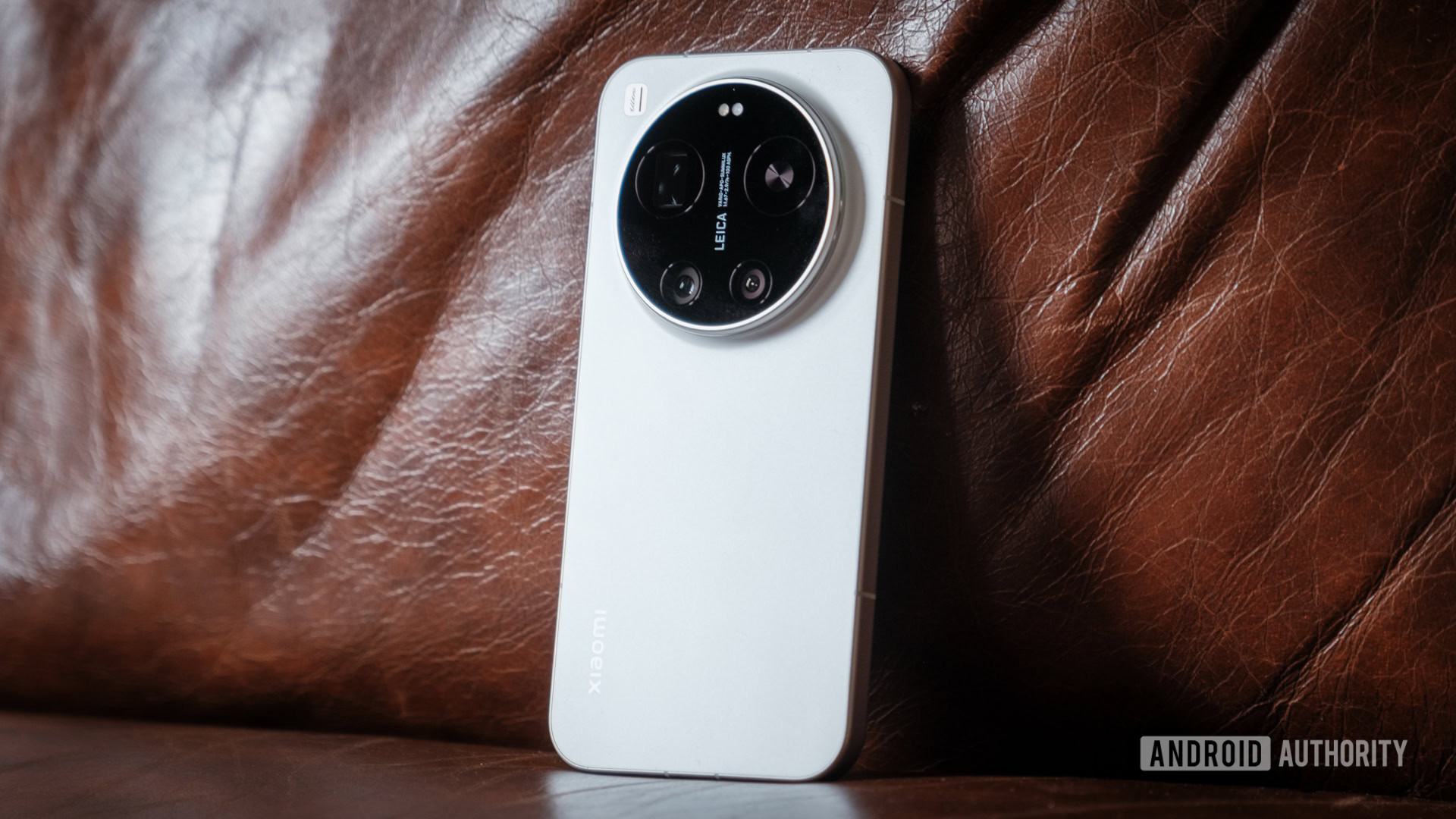
However, the most groundbreaking element of the Xiaomi 17 Ultra’s camera array is its 200-megapixel variable telephoto camera, powered by an ISOCELL HPE sensor. This is a pioneering implementation, marking the first instance of a variable telephoto lens being paired with such a high-resolution sensor in a smartphone. Unlike traditional fixed-focal-length telephoto lenses, the variable telephoto mechanism allows the lens elements to physically move, providing optical zoom capabilities between 75mm and 100mm, which translates to approximately 3.1x to 4.1x optical magnification. While this range might not be as extensive as the Sony Xperia 1 VII’s telephoto camera (which offers 3.5x to 7.1x optical zoom), Xiaomi’s decision to integrate a variable lens allows it to consolidate what would typically be multiple fixed telephoto lenses (e.g., a 3x and a 5x/7x lens) into a single, more versatile unit. The immense 200-megapixel resolution of this sensor further allows for remarkable detail retention, enabling Xiaomi to promise an impressive ~17.2x lossless zoom by leveraging the sensor’s high pixel count and advanced computational photography algorithms. This capability significantly enhances the phone’s versatility for capturing distant subjects with clarity previously unattainable on a single telephoto module.
Beyond still photography, the Xiaomi 17 Ultra is also a powerhouse for videography. It supports 4K video capture at a cinematic 120 frames per second (fps) with Dolby Vision HDR, offering stunning clarity, vibrant colors, and high dynamic range for professional-grade video content. For those requiring even higher resolution, the device can record in 8K at 30fps. Furthermore, it boasts 4K/120fps capture via the ACES standard (Academy Color Encoding System). ACES is a global standard for color management in film and television production, ensuring consistent color reproduction across different devices and workflows. Its inclusion underscores Xiaomi’s ambition to cater to serious videographers, providing tools that integrate seamlessly into professional post-production environments.
The visual experience on the Xiaomi 17 Ultra is equally immersive, featuring a large 6.9-inch 120Hz OLED screen with a resolution of 2,608 x 1,200 pixels. This LTPO (Low-Temperature Polycrystalline Oxide) panel dynamically adjusts its refresh rate from 1Hz to 120Hz, optimizing battery life by only increasing the refresh rate when needed for smooth scrolling or gaming. The display is protected by Shield Glass 3.0, offering enhanced durability against drops and scratches. Powering this robust hardware is a 6,000mAh battery, supported by rapid 90W wired charging and 50W wireless charging. It is noteworthy, however, that the global model’s battery capacity represents a downgrade from the Chinese variant, which boasted a more substantial 6,800mAh. This difference could be attributed to various factors, including regional regulatory requirements, design constraints for global markets (e.g., weight and thickness preferences), or supply chain optimizations.
Further solidifying its premium appeal, Xiaomi is also bringing its Leica edition Xiaomi 17 Ultra to global markets. Officially dubbed the "Leica Leitzphone powered by Xiaomi," this special variant emphasizes the deep collaboration with the iconic German camera manufacturer. It features a distinctive design element: a rotating dial around the rear cameras, which provides tactile control over camera zoom, mimicking the ergonomics of traditional cameras. This partnership with Leica extends beyond branding, involving co-engineered optical systems and photographic styles that imbue images with Leica’s signature aesthetic, known for its natural colors, rich contrasts, and classic black and white modes.
The Xiaomi 17: A Smaller (But Not Small) Flagship with Substantial Power
While the Xiaomi 17 might not carry the "Ultra" moniker, it remains a formidable flagship offering a compelling balance of premium features in a more manageable form factor. Positioned for users who desire high-end performance without the absolute largest screen or the most specialized camera hardware, the standard Xiaomi 17 still delivers an exceptional user experience.
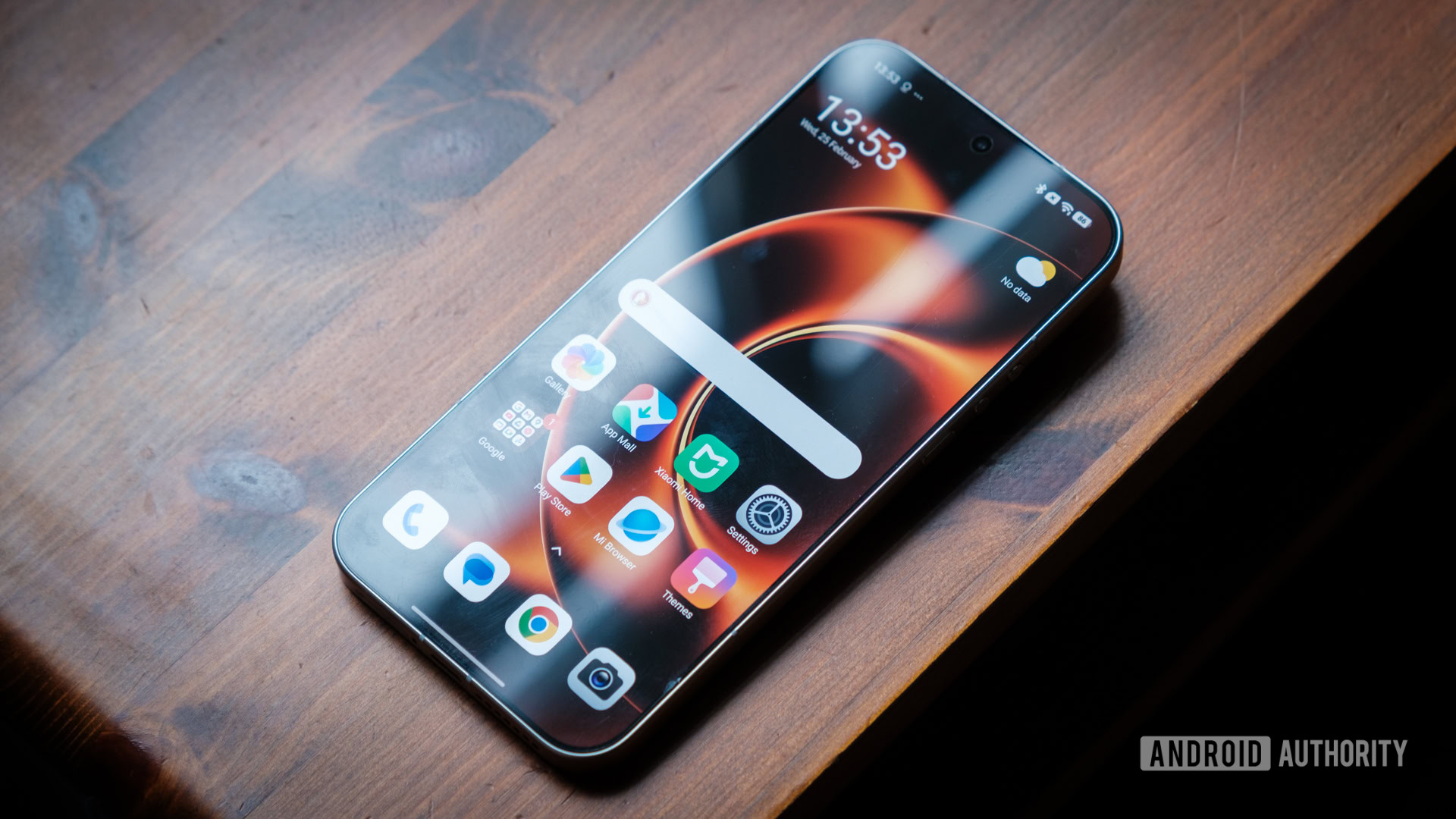
The device features a 6.3-inch OLED screen with a resolution of 2,656 x 1,220 pixels, also utilizing LTPO technology for adaptive refresh rates and power efficiency. This display size makes it significantly more "pocket-friendly" than its Ultra sibling, catering to a segment of users who prefer a more compact device without sacrificing screen quality or modern features.
In terms of power, the Xiaomi 17 is equipped with an impressive 100W wired charging capability via the USB-PD PPS standard, ensuring incredibly fast top-ups. It also supports the same 50W wireless charging as the Ultra. Curiously, despite being the smaller model, the global Xiaomi 17 packs a 6,330mAh battery, which is actually slightly larger than the global Xiaomi 17 Ultra’s 6,000mAh unit. This, too, is a reduction from the Chinese variant’s 7,000mAh battery, but the relative size difference between the global 17 and 17 Ultra is an interesting anomaly, potentially indicating different internal layouts or thermal management considerations for the Ultra’s more complex camera system. This larger battery in the standard model could be a significant draw for users prioritizing endurance.
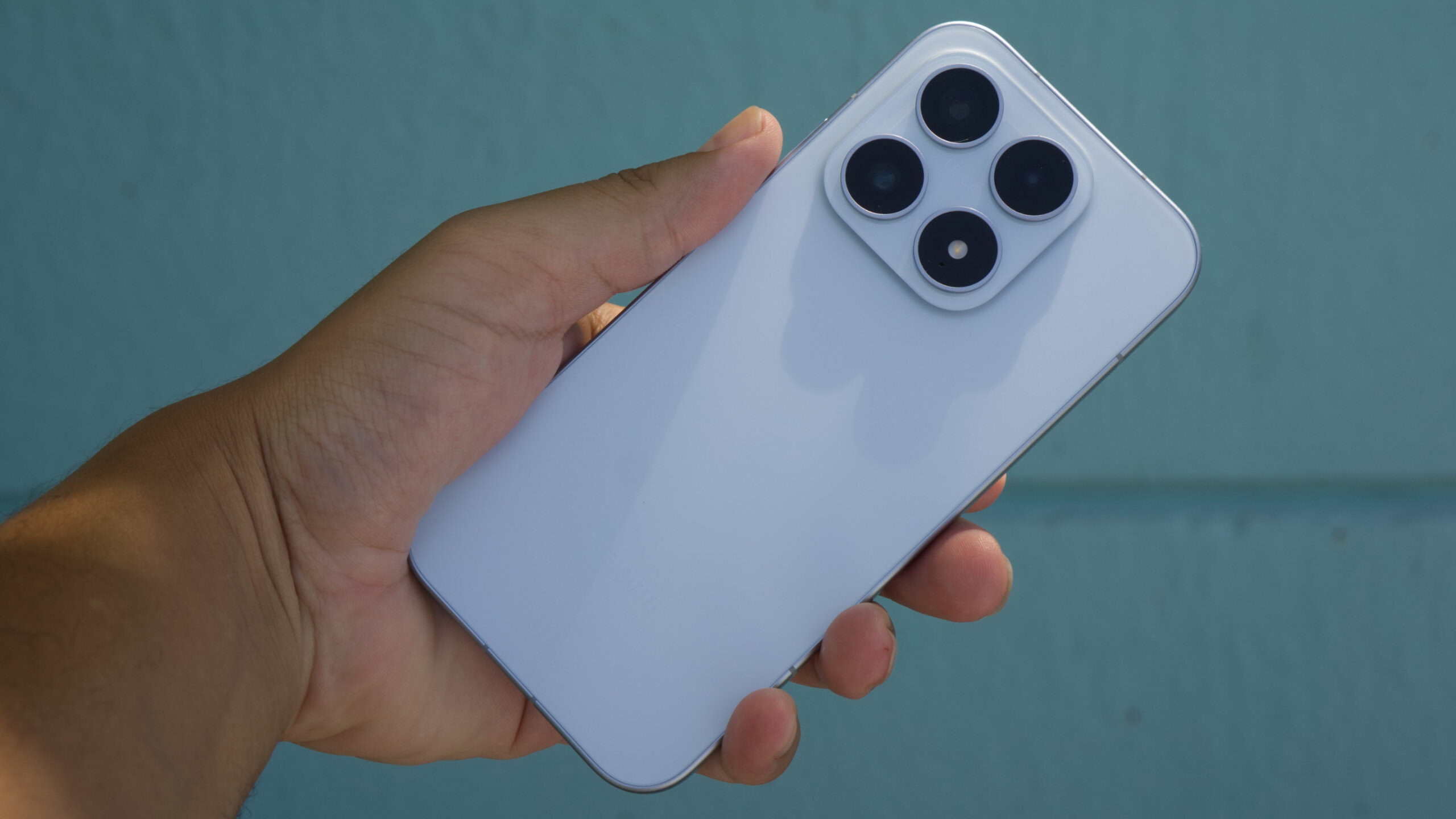
While the Xiaomi 17’s camera system doesn’t introduce the same revolutionary hardware as the Ultra, it still offers a very capable triple 50-megapixel rear camera setup, reminiscent of the Xiaomi 15. However, there are subtle adjustments to note. The 50MP main camera features a slightly narrower f/1.7 aperture compared to the Xiaomi 15’s f/1.6. Similarly, the ultrawide camera’s aperture moves from f/2.2 to f/2.4. These minor aperture changes imply a fractional reduction in light gathering capabilities, which could theoretically have a negligible impact on low-light performance or depth of field compared to its predecessor. Despite these slight numerical differences, the overall image quality is expected to remain excellent, bolstered by Xiaomi’s computational photography prowess. Thankfully, the 50MP 2.6x telephoto camera remains effectively intact, providing reliable optical zoom for portraits and medium-range subjects. Furthermore, Xiaomi has upgraded the selfie camera from a 32MP f/2.0 sensor to a higher-resolution 50MP f/2.2 shooter, promising more detailed self-portraits and improved video calls.
Shared Core Technologies and the HyperOS Ecosystem
Both the Xiaomi 17 and Xiaomi 17 Ultra are built on a foundation of shared, cutting-edge technologies that underscore their flagship status. At their core is the Snapdragon 8 Elite Gen 5 processor, Qualcomm’s latest and most powerful mobile platform. This SoC features an advanced architecture designed for unparalleled performance, offering significant gains in CPU, GPU, and AI processing capabilities. It enables seamless multitasking, demanding gaming, and sophisticated on-device AI features, which are increasingly crucial for computational photography and a personalized user experience. The inclusion of this processor ensures both devices are future-proofed for the most demanding applications and advancements in mobile technology.
Furthermore, both phones boast an IP68 rating for dust and water resistance, a standard feature for premium smartphones. This certification assures users that their device can withstand immersion in up to 1.5 meters of water for 30 minutes, providing peace of mind against accidental spills or exposure to the elements. Security is handled by an ultrasonic in-display fingerprint scanner, which offers advantages over traditional optical scanners by being faster, more reliable, and capable of working even with wet fingers.
The user experience on both devices is unified by Xiaomi’s HyperOS 3, its custom operating system overlaying Android. HyperOS represents Xiaomi’s evolution from MIUI, focusing on a more integrated, efficient, and interconnected ecosystem. It emphasizes fluidity, intuitive design, and seamless connectivity across Xiaomi’s vast range of smart devices, from wearables to smart home appliances. HyperOS 3 aims to deliver a cohesive and personalized experience, leveraging AI for smart resource allocation, enhanced privacy features, and improved overall system performance. Its development is central to Xiaomi’s broader strategy of building a comprehensive smart living ecosystem, where the smartphone acts as the central hub.
Pricing and Global Availability Strategy
The global pricing for the Xiaomi 17 series firmly places these devices in the premium and ultra-premium segments of the market, signaling Xiaomi’s confident push against competitors like Samsung’s Galaxy S series, Apple’s iPhone Pro models, and Google’s Pixel Pro lineup.
The standard Xiaomi 17 starts at €999 (approximately $1,181) for the base 256GB model. It will be available in a vibrant array of colors, including Black, Venture Green, Alpine Pink, and Ice Blue, offering consumers a choice that aligns with their personal style.
For those eyeing the more advanced Xiaomi 17 Ultra, the price tag begins at €1,499 (approximately $1,771) for the base 512GB variant. The Ultra model will be offered in classic Black, elegant White, and a sophisticated Starlit Green.
The pinnacle of the series, the Leica Leitzphone powered by Xiaomi, comes with an even higher premium, priced at €1,999 (approximately $2,362) for its sole 1TB storage configuration. This pricing reflects its exclusive branding, specialized features, and the advanced camera technology it embodies.
These price points indicate Xiaomi’s clear strategy to compete head-on with the most expensive flagships on the market. By offering cutting-edge specifications, particularly in camera innovation, and a premium user experience, Xiaomi aims to attract discerning consumers who are willing to invest in high-performance devices. The availability of multiple configurations and distinct models, including the specialized Leica edition, allows Xiaomi to cater to different segments within the high-end market, from mainstream premium users to niche photography enthusiasts. The global launch extends Xiaomi’s reach into key markets across Europe, Asia, and potentially other regions, reinforcing its global market share and brand recognition as a top-tier smartphone manufacturer.
Broader Implications and Competitive Landscape
The global launch of the Xiaomi 17 series carries significant implications for the broader smartphone industry and the competitive landscape. Firstly, it intensifies competition in the ultra-premium segment, pushing other manufacturers to innovate further, especially in camera technology, where Xiaomi has demonstrated remarkable strides with its variable telephoto and one-inch sensors. This competition ultimately benefits consumers, driving faster innovation and more feature-rich devices.
Secondly, for Xiaomi, these launches are crucial in solidifying its brand image as an innovator capable of producing world-class premium devices. Historically perceived as a brand known for its aggressive pricing and mid-range offerings, Xiaomi has been systematically working to shed this image. The Xiaomi 17 and 17 Ultra, with their advanced features, sophisticated design, and premium pricing, are clear statements of this ambition. The Leica partnership, in particular, lends considerable prestige and credibility to Xiaomi’s camera capabilities, appealing to a segment of users who prioritize photographic excellence.
Thirdly, the integration of HyperOS 3 reflects Xiaomi’s long-term vision of creating a seamless, interconnected ecosystem of smart devices. As more devices become "smart," the smartphone’s role as a central control hub becomes paramount. HyperOS aims to enhance this integration, offering a unified and intuitive user experience across all Xiaomi products, thereby increasing customer loyalty and expanding its ecosystem footprint.
In conclusion, the global debut of the Xiaomi 17 and Xiaomi 17 Ultra marks a pivotal moment for Xiaomi. These devices are not merely incremental upgrades but represent a bold statement of intent, showcasing Xiaomi’s commitment to pushing the boundaries of smartphone technology, particularly in the realm of mobile photography. With powerful processors, innovative camera systems, refined software, and premium designs, the Xiaomi 17 series is poised to make a significant impact on the global high-end smartphone market, offering compelling alternatives to consumers seeking the absolute best in mobile innovation.