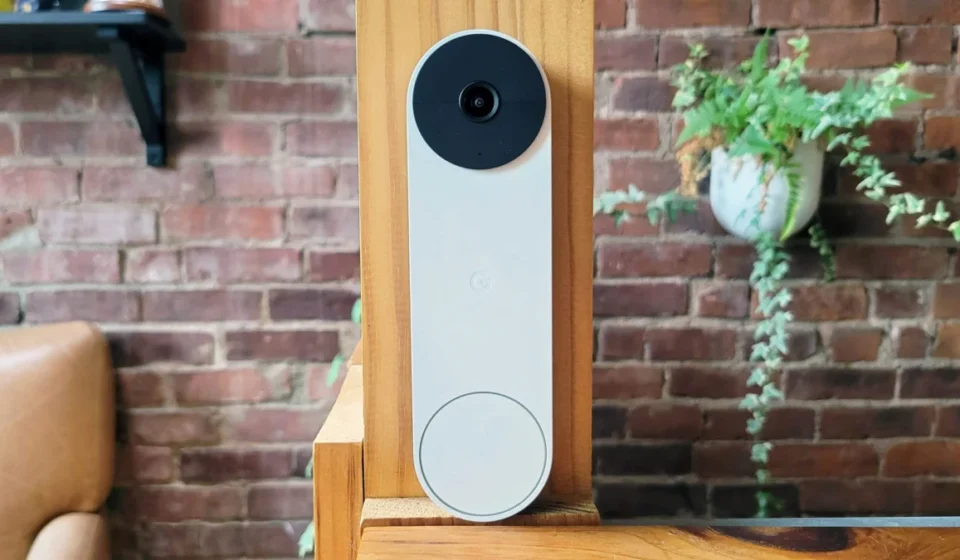
Google Nest Doorbell Users Report Alarming Accent Glitch, Adding to Growing Google Home Instability Concerns

The promise of a truly intelligent smart home hinges on seamless integration and intuitive interactions, yet a disconcerting operational glitch has recently emerged within the Google Nest ecosystem, casting a shadow over this ideal. Users of the Google Nest Doorbell across various international markets are reporting an unexpected accent shift in their device announcements, with notifications inexplicably defaulting to a generic US English accent, irrespective of the user’s configured language and regional settings. This issue represents the latest in a series of "flare-ups" impacting the broader Google Home environment, closely following widespread complaints regarding Voice Match recognition failures, and collectively signaling potential underlying instabilities within Google’s smart home platform.
At its core, the problem introduces a jarring auditory discrepancy. Users who have meticulously configured their Google Home devices to speak in their native language and preferred regional accent—be it French with a French accent, or English with a British accent—are finding that announcements from their Nest Doorbell diverge from these established preferences. Instead, these crucial alerts are delivered with a distinct US English intonation. For example, a homeowner in Lyon, France, who has set all their Google Assistant devices to respond in French with a native French accent, will hear their Nest Doorbell announcement in French, but pronounced with an American English cadence. Similarly, residents in London are reporting that their doorbell notifications, once delivered in a familiar UK English voice, have inexplicably adopted a US English accent, creating a noticeable and often disorienting inconsistency. This issue is particularly salient because it affects a device integral to home security and visitor management, where clear, consistent communication is paramount.
The technical infrastructure supporting Google Home and its sophisticated AI, Gemini, is designed to accommodate a diverse global user base. Gemini itself supports up to 10 languages, including prominent ones like English, French, German, Spanish, and Japanese. Furthermore, it offers granular control over regional accents, allowing users to select variants such as US or UK English, thereby ensuring a highly personalized and culturally relevant user experience. This capability is not merely a cosmetic feature; it is fundamental to making smart home interactions feel natural and less robotic. The fact that the Nest Doorbell is failing to adhere to these carefully selected accent preferences, even while other Google Home devices within the same household maintain the correct regional voice, points towards a specific point of failure. This could be isolated within the Nest Doorbell’s device-specific firmware, a glitch in how its announcements are routed through the Google Home app, or a particular interaction layer with the broader Gemini AI deployment.
Chronology of Emerging Google Home Issues
The timeline of these escalating issues within the Google Home ecosystem suggests a pattern of challenges in maintaining system stability amidst ongoing platform evolution. Reports of the Nest Doorbell accent glitch began to proliferate on user forums, notably Reddit, in recent weeks. This surge in complaints coincided with, or immediately succeeded, a wave of significant user dissatisfaction regarding Google Home’s Voice Match feature. Voice Match, a core personalization technology designed to differentiate between household members and tailor responses accordingly, has been widely reported to struggle with accurate user identification. This has led to erroneous calendar updates, failed personalized routines, and a general erosion of trust in the system’s intelligence. While the Voice Match issue impacts a fundamental aspect of personalization and user recognition, the Nest Doorbell accent bug, despite its seemingly more superficial nature, directly impinges on the immediate user interface and the perceived reliability of a critical security device. The sequential nature of these reported problems indicates a potential systemic fragility that warrants a comprehensive review by Google.
Detailed User Reports and Geographic Scope
User testimonials on platforms like Reddit provide compelling evidence of the problem’s widespread nature and the frustration it engenders. One Reddit user from France articulated their meticulous setup: "I have French set up on all of my Google Home devices, and Gemini responds in French with a French accent for all of those interactions. However, when someone uses their Nest Doorbell, the announcement is spoken in French, but with a US accent." This detailed account is mirrored by numerous reports from users in the United Kingdom. "My doorbell announcements have inexplicably switched to a US English accent," stated one British Nest Doorbell owner, adding, "In every other Google Home device interaction, the assistant is still using a British voice." The consistency of these reports across distinct linguistic and geographic contexts strongly indicates a systemic flaw rather than isolated incidents or user configuration errors. The sudden, unannounced alteration of a device’s voice profile is not only jarring but also undermines the user’s sense of control over their smart home environment, especially when it contradicts global language and accent preferences that are explicitly set.
Technical Context: Voice Personalization and AI Integration
The technical sophistication required for multi-language and multi-accent voice synthesis is immense. Google’s AI models, including Gemini, leverage vast datasets of human speech to generate natural-sounding voices, which are then tuned to specific regional accents and linguistic nuances. This process involves complex natural language processing (NLP) to understand intent, followed by advanced text-to-speech (TTS) engines to convert responses into audio. When a user selects a preferred accent, the system is expected to retrieve and apply the corresponding voice profile. The fact that the Nest Doorbell is failing to do so suggests a breakdown in this chain, possibly at the device firmware level where the audio is rendered, or in the cloud-based service that delivers the voice commands to the doorbell.
The integration of Gemini, Google’s latest and most advanced AI model, into the Google Home ecosystem could be a contributing factor. While Gemini promises enhanced capabilities, such large-scale transitions often introduce unforeseen complexities. It is conceivable that the accent bug is an unintended consequence of recent updates related to Gemini’s deployment, where specific voice parameters, language packs, or regional accent profiles might not be correctly propagating or being interpreted by particular device types, such as the Nest Doorbell. Alternatively, the issue could stem from a firmware-level bug unique to the Nest Doorbell itself, wherein its announcement module has become inadvertently decoupled from the overarching language and accent settings configured within the Google Home application or the user’s primary Google account. The sheer complexity of managing multilingual, multi-accent voice synthesis across a global product line, involving vast datasets and intricate neural networks, means that even minor configuration errors can lead to widespread and noticeable inconsistencies.
Broader Implications for User Trust and Smart Home Ecosystem
The implications of such a bug extend far beyond mere annoyance. For many consumers, smart home devices, particularly those with a security function like video doorbells, are deeply embedded into their daily routines. Voice notifications from a doorbell serve as a primary alert mechanism, signaling the arrival of visitors, package deliveries, or potential security events. When these alerts are delivered in an unexpected or jarring manner, it can significantly detract from the user’s sense of security, confidence, and overall satisfaction with the technology. In a fiercely competitive smart home market, seemingly minor inconsistencies like an incorrect voice accent can accumulate to erode user trust and loyalty over time, potentially influencing future purchasing decisions. The "uncanny valley" effect, where near-human but imperfect AI voices can cause discomfort, is a real concern for products relying heavily on voice interaction, especially when the voice itself deviates from user expectations.
Google’s smart home ecosystem is predicated on the promise of intelligent assistance and seamless integration. Voice personalization stands as a cornerstone of this promise, ensuring that interactions feel natural, intuitive, and culturally appropriate. The ability to accurately distinguish and reproduce regional accents not only enhances user comfort but also underscores a commitment to global markets and user diversity. When a frontline device like the Nest Doorbell, which often serves as a user’s initial auditory point of contact with external events, fails to uphold these fundamental linguistic nuances, it compromises the entire user experience. This issue is particularly problematic for demographics such as older users or individuals with specific auditory sensitivities, for whom clear, familiar, and consistent voice prompts are not merely a preference but a necessity for effective communication and understanding. The unexpected voice can cause confusion, delay understanding, or even lead to misinterpretations, undermining the very purpose of smart, assistive technology.
Official Responses and Potential Workarounds
As of this report, Google has not released an official public statement specifically addressing the Nest Doorbell accent glitch. However, users experiencing similar, though not identical, language-related inconsistencies with Google Assistant on other devices have reported interacting with Google’s support teams. One such user claimed to have successfully resolved an accent issue on a Nest Hub by implementing a temporary workaround: setting US English as a secondary language in their Google Assistant settings, waiting a few seconds, and then deleting it. This anecdotal solution suggests that some of these issues might originate from corrupted or improperly cached language profiles within Google’s backend systems, which can sometimes be "reset" through such manipulations. Nevertheless, the efficacy of this specific workaround for the Nest Doorbell accent problem remains unconfirmed, and it places an unreasonable burden on end-users to troubleshoot fundamental device functionalities. Such a solution, even if effective, points to a deeper configuration flaw that Google itself should address system-wide.
The reliance on user-discovered workarounds rather than official patches highlights a gap in immediate support and resolution. While such temporary fixes might alleviate symptoms for some, they do not address the underlying systemic cause and are not a sustainable solution for a globally deployed product. Google’s typical response to such widespread reports involves internal investigation, replication of the bug, and eventually, the rollout of a software or firmware update. The speed and transparency of this process will be crucial in mitigating further user frustration.
Competitive Landscape and Market Impact
The broader implications for Google in the competitive smart home landscape are considerable. The market is intensely contested, with major players like Amazon (Echo and Ring), Apple (HomeKit), and a multitude of independent brands constantly innovating and vying for consumer loyalty. In this environment, reliability, seamless integration, and a consistently user-friendly experience are paramount. A succession of highly visible bugs, ranging from critical Voice Match failures to nuanced but jarring accent inconsistencies, can incrementally erode Google’s hard-earned reputation as a leader in artificial intelligence and smart home technology. Consumers invest in these sophisticated ecosystems with high expectations for convenience, advanced functionality, and flawless operation. When basic elements such as voice personalization—a core feature of Google Assistant and Gemini—falter, it can lead to significant user frustration, fostering dissatisfaction and potentially encouraging a migration to rival platforms perceived as more stable or reliable. Maintaining stringent quality control, especially during ambitious platform transitions like the ongoing integration of Gemini across a diverse hardware portfolio, is absolutely critical to sustaining user trust and safeguarding market position. Competitors like Amazon’s Ring or Arlo generally offer robust, localized voice services, placing additional pressure on Google to maintain parity and reliability.
Conclusion and Future Outlook
Looking forward, a comprehensive and transparent response from Google is imperative. This will necessitate a swift and thorough identification of the root cause of the Nest Doorbell accent glitch, followed by the expedited deployment of a robust software or firmware update for affected devices and the wider Google Home ecosystem. The investigation will likely involve a detailed audit of the firmware currently running on Nest Doorbell units, a meticulous examination of how language and accent profiles are managed and applied by the Gemini integration layer, and a deeper analysis of the server-side configurations that govern voice output for various device types. Crucially, clear and proactive communication with affected users will be essential, providing regular updates on the progress of the fix and offering validated temporary workarounds if any become available. The recurring nature of these "flare-ups" strongly suggests that Google may need to fundamentally re-evaluate its testing protocols, release management, and deployment strategies to proactively prevent similar issues from arising in the future. This strategic imperative is vital to ensure that the smart home experience remains intelligent, intuitive, and, above all, consistently reliable for its global user base. Until an official and comprehensive fix is implemented, users grappling with this perplexing accent glitch will continue to experience a less-than-seamless interaction with their Google Nest Doorbell, serving as a stark reminder of the delicate balance between rapid innovation and the unwavering demand for stability in the ever-evolving smart home landscape. The tech giant’s approach to resolving these accumulating challenges will undoubtedly be closely scrutinized by both consumers and industry observers.