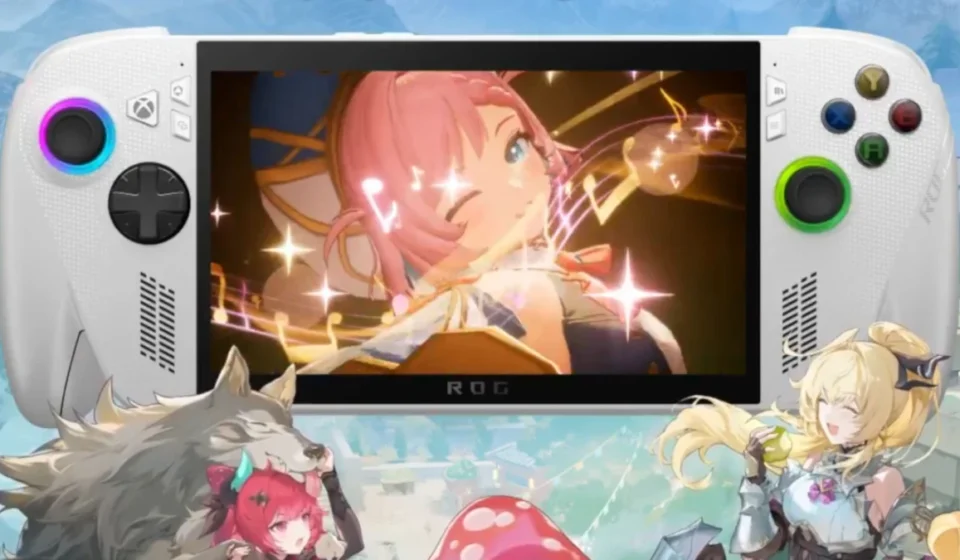
Asus ROG Ally Up for Grabs in Exciting New Giveaway Amidst Handheld Gaming PC Market Challenges

The landscape of handheld gaming PCs is currently navigating a period of significant flux, marked by persistent challenges in the availability and pricing of crucial components, most notably Random Access Memory (RAM). These industry-wide pressures are directly impacting the accessibility of popular devices, creating a bottleneck for enthusiasts eager to experience portable PC gaming. The demand for high-performance handhelds like the Steam Deck OLED has outstripped supply, leading to extended wait times and limited stock. Concurrently, the pricing of competing devices, such as the Lenovo Legion Go, has seen substantial inflation, with reports indicating a projected increase in its retail value by 2026, further exacerbating the affordability concerns within the sector.
In this challenging environment, a remarkable opportunity has emerged for consumers hoping to acquire one of these coveted devices without the prohibitive cost. Asus, a prominent player in the gaming hardware market, has forged a strategic partnership with Netmarble, a leading mobile game developer, for the launch of its new gacha game, "Mongil: Star Dive." As part of a coordinated promotional effort to celebrate this collaboration, Asus is offering a chance to win a high-end ROG Xbox Ally, a device recognized for its impressive performance and competitive features within the burgeoning handheld gaming PC segment.
The ROG Ally: A Contender in a Competitive Arena
The ROG Ally, a flagship product from Asus’s Republic of Gamers (ROG) brand, stands as a formidable competitor in the premium handheld gaming PC market. Launched less than a year ago, this device has rapidly established itself as a top-tier option, directly challenging established players like Valve’s Steam Deck and the aforementioned Lenovo Legion Go. With an approximate retail price of $599.99, the ROG Ally occupies a mid-to-high tier price point. While not reaching the astronomical figures seen with some of its more expensive counterparts or projected for future iterations of competitors, its cost still represents a significant investment for many consumers. Consequently, the current giveaway presents a particularly attractive proposition, offering a substantial saving and a direct pathway to experiencing advanced portable gaming.
Internally, the ROG Ally is powered by AMD’s Ryzen Z2 A processor. This chipset has demonstrated considerable prowess, enabling the device to effectively run a wide array of demanding titles, including many of the best Steam Deck games. Benchmarks and user reviews frequently place its gaming performance on par with, or in some cases exceeding, Valve’s market-leading handheld, particularly in terms of graphical fidelity and frame rates for supported games. Beyond processing power, the ROG Ally distinguishes itself with a robust 60Wh battery. This capacity is a critical differentiator in the handheld market, where battery life is often a primary concern for users. The 60Wh unit provides a competitive edge, allowing for extended gaming sessions between charges compared to many devices in its class, thereby enhancing the overall user experience and portability.
The ROG Ally’s sibling, the ROG Ally X, represents a more advanced iteration, incorporating further enhancements and a higher price point. However, the current generation ROG Ally, the subject of this giveaway, remains an exceptionally capable machine, offering a compelling balance of performance, features, and a more accessible price bracket, especially when considering the current market dynamics.
The "Mongil: Star Dive" Collaboration and Giveaway Mechanics
The promotional partnership between Asus and Netmarble for "Mongil: Star Dive" signifies a broader trend of cross-industry collaborations aimed at leveraging existing fan bases and expanding market reach. Netmarble, a South Korean company, has a substantial global presence in the mobile gaming sector, known for titles like "Seven Knights" and "Lineage 2: Revolution." "Mongil: Star Dive," as a gacha game, operates on a model that often encourages consistent engagement and community building, making a giveaway of a premium gaming device a fitting incentive for players.
The mechanics for entering the Asus ROG Ally giveaway are designed for accessibility and ease of participation. Prospective entrants are directed to the official Asus ROG X (formerly Twitter) account, specifically to a post detailing the giveaway. The entry requirements are straightforward: participants must "like" the promotional post, leave a comment, and follow both the official @ASUS_ROG account and the dedicated @MongilStarDive account. This multi-faceted approach aims to boost engagement on the giveaway post, increase the visibility of both Asus’s ROG brand and Netmarble’s new game, and expand the follower base for both entities.
At the time of the article’s initial reporting, specific terms and conditions were not readily apparent on the giveaway post. This lack of explicit geographical restrictions suggests that the competition might be open to a global audience, further increasing the potential pool of participants. However, in any such promotion, it is always advisable for potential entrants to seek out any official rules or disclaimers that may be posted separately or become available subsequently, to ensure eligibility and understand any limitations.
Context and Timeline of the Handheld Gaming PC Market
The current challenges in the handheld gaming PC market are not isolated incidents but rather a culmination of several intersecting factors that have been developing over the past few years. The surge in demand for consumer electronics, particularly during and in the aftermath of the COVID-19 pandemic, placed immense strain on global supply chains. This was particularly acute for semiconductor manufacturing, the backbone of modern computing hardware.

Early 2020s: The global pandemic led to factory shutdowns, shipping disruptions, and an unprecedented increase in demand for devices facilitating remote work, education, and entertainment. This initial shock created a foundational shortage of components.
Mid-2020s (leading up to present): The demand for gaming hardware, including GPUs and RAM, has remained robust. The advent of powerful handheld PCs like the Steam Deck in early 2022 catalyzed a new wave of interest in the category. This success spurred competitors like Asus and Lenovo to enter the market with their own offerings, increasing the overall demand for high-performance mobile processors and memory.
Current Market Conditions (Early 2024): The issues with RAM pricing and availability have become a persistent problem. While some shortages have eased, the cost of high-density, high-speed RAM modules, crucial for the performance of modern gaming PCs and handhelds, remains elevated. This directly impacts the Bill of Materials (BOM) for these devices, forcing manufacturers to either absorb costs, increase prices, or face production limitations. The Steam Deck OLED, for instance, has experienced periods of low stock, likely due to a combination of manufacturing capacity and component sourcing challenges. Lenovo’s Legion Go, a premium device with a higher price point, has also seen its market value fluctuate, with projections suggesting further price increases, potentially driven by the cost of its advanced display and internal components.
The Asus ROG Ally’s Position: Launched in June 2023, the ROG Ally arrived during a period of heightened awareness and demand for handheld gaming PCs. Its strategic positioning, often bundled with Xbox Game Pass, and its competitive hardware specifications made it an attractive alternative to the Steam Deck. The current giveaway can be viewed as a strategic marketing move by Asus to:
- Boost brand visibility: Reinforce the ROG brand’s presence in the gaming community.
- Drive interest in "Mongil: Star Dive": Introduce Netmarble’s new game to a potentially large audience of PC gamers.
- Mitigate market access challenges: Offer a tangible incentive to consumers who might be hesitant due to current pricing or availability issues with other handhelds.
Broader Impact and Implications
The giveaway itself, while a positive event for lucky winners, reflects larger trends within the gaming industry. The increasing sophistication of handheld gaming PCs blurs the lines between dedicated consoles and traditional PC gaming. Devices like the ROG Ally offer the flexibility of a PC in a portable form factor, capable of running a vast library of PC games.
The collaboration between a hardware manufacturer like Asus and a game developer like Netmarble highlights the evolving marketing strategies in the digital age. Such partnerships can be mutually beneficial:
- For Asus: They gain exposure to Netmarble’s existing player base, potentially converting mobile gamers into PC gamers or at least increasing brand recognition.
- For Netmarble: They leverage Asus’s established gaming brand to generate excitement and attract players to "Mongil: Star Dive." The association with a high-performance gaming device can lend prestige to the new title.
The fact that the giveaway post lacks a definitive end date, as noted in the original report, is unusual. This could indicate a flexible promotion duration, or it might be an oversight. Regardless, the recommendation to enter "as soon as possible" is sound advice for any contest. This lack of a firm deadline could also suggest a phased rollout of promotional activities, with potential for further engagement or extensions.
The ongoing struggles with component availability and pricing could lead to several long-term effects on the handheld gaming PC market:
- Increased Price Sensitivity: Consumers may become more discerning about pricing, making value propositions like bundles and giveaways even more critical.
- Innovation in Efficiency: Manufacturers might focus more on optimizing power consumption and thermal management to extend battery life without resorting to larger, heavier batteries, thus potentially reducing reliance on higher-capacity, more expensive cells.
- Diversification of Market: While high-end devices like the ROG Ally and Legion Go attract attention, there may be a growing opportunity for more budget-friendly or niche handhelds that offer a different balance of features and cost.
- Strategic Partnerships: The success of this Asus-Netmarble collaboration could encourage more hardware manufacturers to team up with game developers for promotional campaigns, creating a symbiotic relationship that benefits both parties and the consumer through opportunities like this giveaway.
In conclusion, while the handheld gaming PC market faces headwinds from supply chain issues and component costs, opportunities for consumers to acquire these devices, such as the Asus ROG Ally giveaway, are emerging. These promotions not only offer a chance to win valuable hardware but also underscore the dynamic interplay between hardware manufacturers, game developers, and the gaming community in navigating and shaping the future of portable PC gaming. The ROG Ally itself remains a strong contender, offering a compelling blend of performance and portability, making its availability, even through a contest, a significant event for enthusiasts.