
The Latest AI Innovations: Unpacking Predictive Analytics and Coaching Tools in Modern Football.

Generative Artificial Intelligence has firmly established itself as a ubiquitous force across virtually every sector, serving as a foundational technology for new services, an engine for application development, and a powerful enhancer of existing functionalities. In an era witnessing a relentless influx of AI-powered products, discerning which innovations genuinely offer value and merit attention becomes increasingly crucial. This article inaugurates a new regular series dedicated to spotlighting the most impactful and novel AI applications and services that warrant a closer look by consumers and industry professionals alike. We invite developers and innovators to submit their AI apps or services for consideration in future editions by contacting us via email, or for guaranteed showcasing to our extensive readership, by reaching out to our partnerships team.
Predicd: AI-Driven World Cup Forecasts and the Nuances of Sporting Prediction
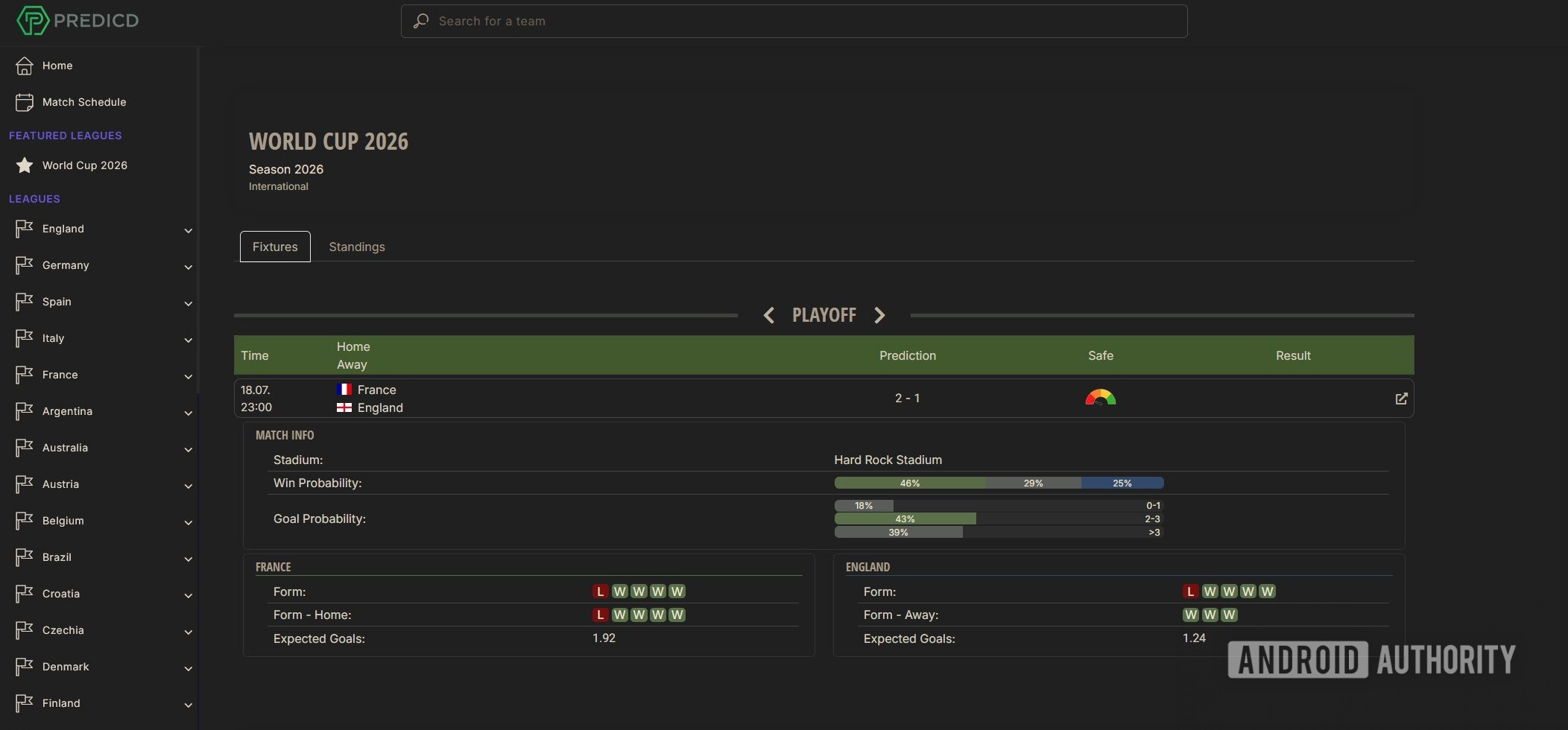
The 2026 FIFA World Cup has been a showcase not only of athletic prowess and tactical ingenuity but also of the escalating integration of data science and artificial intelligence into the realm of sports analysis. As global attention fixates on the tournament’s progression, a distinctive AI-powered tool named Predicd has emerged, leveraging advanced algorithms to prognosticate match outcomes, identifying potential winners and losers. This tool exemplifies the increasingly data-centric approach to understanding and anticipating events in modern football.
The inherent complexity of football, often described as a "nerdy" sport due to its rich tapestry of statistics and analytical layers, makes it a fertile ground for AI applications. Beyond the raw skill and athleticism, every pass, tackle, sprint, and shot generates a torrent of data. Player positioning, team form, historical head-to-head records, intricate tactical styles, and an array of in-game performance indicators collectively form a massive dataset that, when properly analyzed, can yield profound insights into potential match dynamics. Predicd endeavors to harness this vast ocean of information.
Discovered amidst a search for novel World Cup predictions – ranging from the whimsical forecasts of woodland creatures to more rigorous statistical models – Predicd distinguishes itself by eschewing anecdote for algorithm. Its operational framework is rooted in the systematic analysis of quantifiable metrics. The platform ingests historical data spanning past tournaments and league performances, meticulously tracks head-to-head records between competing nations, and processes real-time in-game performance indicators. Key metrics include Expected Goals (xG), a sophisticated statistical measure that quantifies the probability of a shot resulting in a goal, based on the characteristics of that shot and the events leading up to it. Other data points include possession statistics, pass completion rates, shots on target, defensive actions, and player ratings, all contributing to a comprehensive predictive model. For a devoted football enthusiast, observing the correlations between these granular statistics and the final scores is not merely engaging but also deeply illuminating.
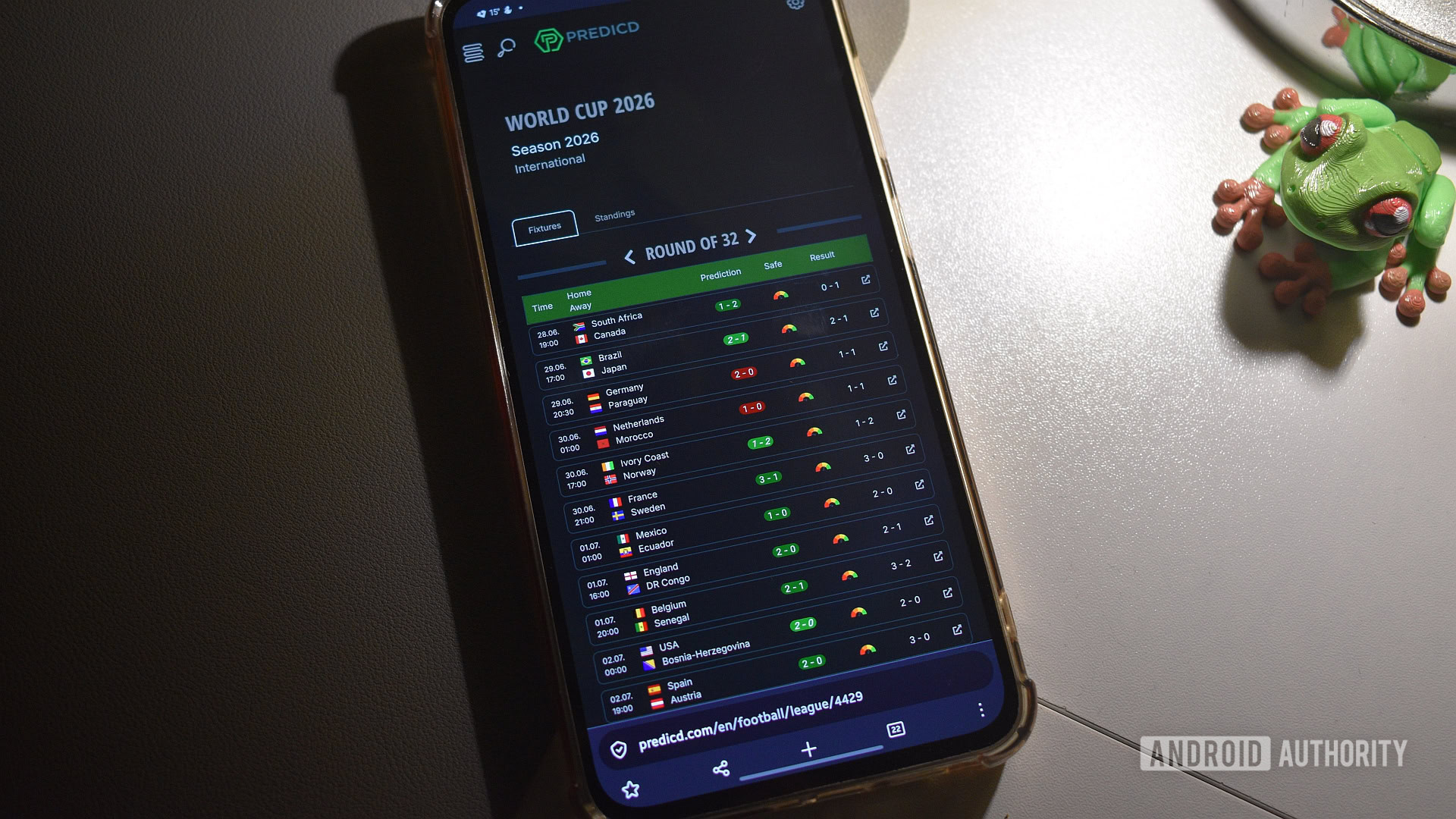
Initial assessments of Predicd’s accuracy during the 2026 World Cup have yielded intriguing results. In the initial phases of the knockout rounds, the tool demonstrated a commendable level of predictive power. For instance, in the quarter-finals, while it did not precisely predict the exact scores, it successfully identified all the teams that ultimately advanced to the semi-finals. This suggests a robust ability to discern the stronger contenders in high-stakes matchups. However, its performance was less flawless in earlier stages, notably missing three results in the Round of 32 and four in the Round of 16. These discrepancies highlight the unpredictable nature of football, where upsets and unforeseen circumstances, such as controversial referee decisions, tactical gambles, or individual moments of brilliance or error, can often override statistical probabilities.
The semi-final stage presented a more significant challenge for Predicd. Despite its earlier successes, the AI model’s predictions for both semi-final matchups were markedly incorrect. The system had confidently projected a final clash between England, led by Harry Kane, and France, spearheaded by Kylian Mbappé. Yet, contrary to these forecasts, both teams were eliminated, leaving them to contend for the bronze medal match. Instead, Spain and Argentina emerged victorious, setting up an unexpected final showdown. This divergence from Predicd’s predictions prompts a critical discussion within the football community: Did tactical missteps by the favored nations contribute to their downfall, or did the sheer resilience and ingenuity of Spain and Argentina defy statistical expectation? This ongoing debate underscores the persistent tension between deterministic data models and the inherently dynamic, human-driven elements of competitive sport.
Ultimately, Predicd’s final prediction for the 2026 World Cup winner pointed to Spain overcoming Argentina in the championship match. Regardless of the actual outcome, the journey of Predicd through the tournament offers a compelling case study into the capabilities and current limitations of AI in forecasting complex sporting events. While AI can certainly distill vast amounts of data into probable outcomes, the ‘beautiful game’ retains its capacity for surprises, reminding us that the human element—be it individual brilliance, collective spirit, or a manager’s tactical masterstroke—remains an irreplaceable factor.
FootballGPT: Revolutionizing Coaching and Tactical Education
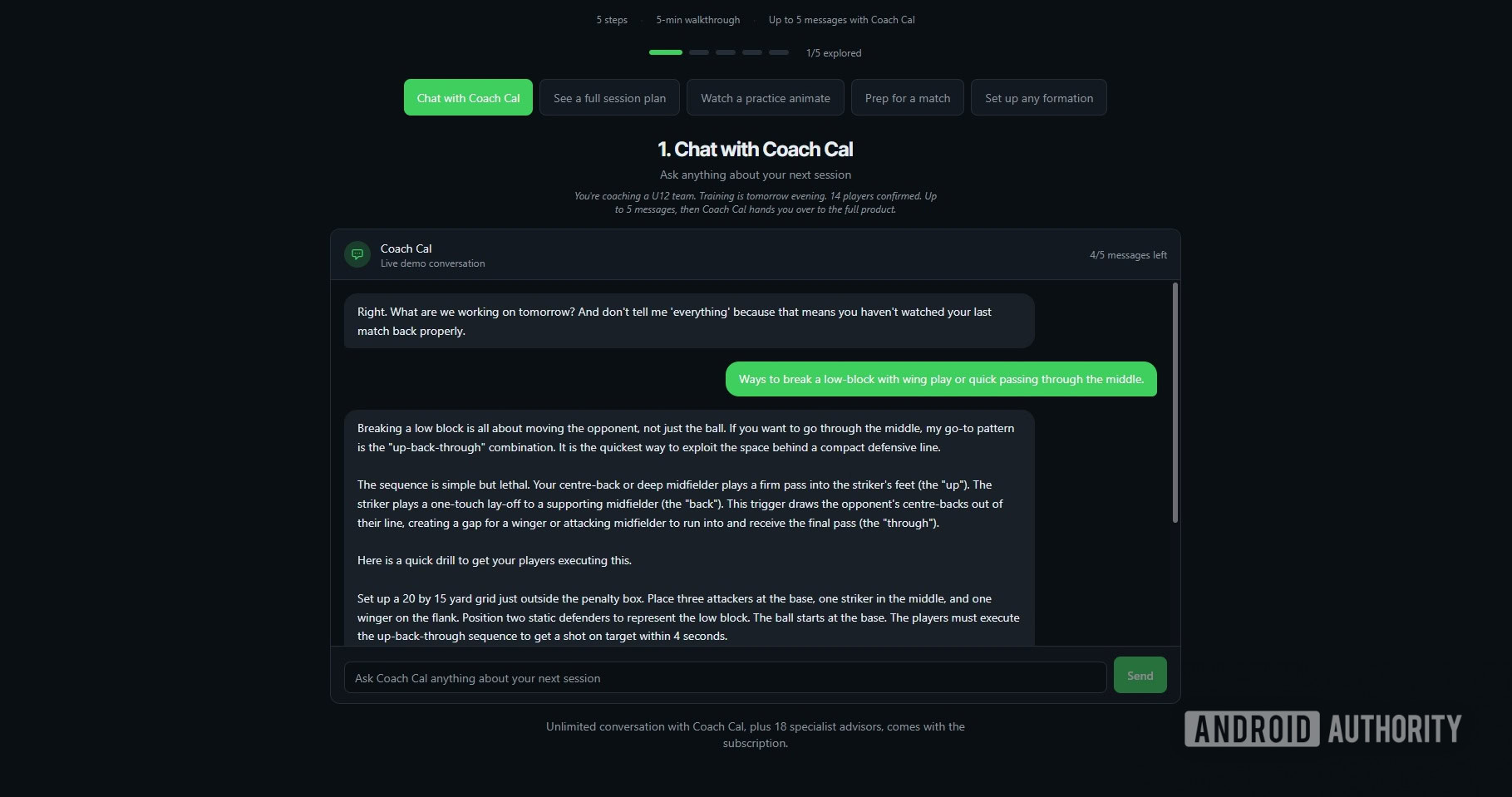
Beyond mere prediction, artificial intelligence is also transforming the foundational aspects of football, particularly in coaching and tactical development. For individuals new to the sport, or for coaches of junior teams seeking to instill fundamental tactical principles, FootballGPT emerges as an invaluable AI-powered resource. This application, as its name suggests, functions as a sophisticated knowledge base and interactive platform designed to assist coaches in crafting drills, refining strategies, and effectively implementing them on the training pitch.
FootballGPT goes far beyond a simple database of drills. It leverages AI to generate comprehensive coaching sessions tailored to specific objectives, such as improving defensive compactness, enhancing attacking transitions, or mastering set-piece routines. The platform can create detailed animations of player movements required to execute various tactical plans, providing visual clarity that traditional chalkboards or static diagrams often lack. This visual learning aid is particularly beneficial for players, enabling them to grasp complex movements and positional responsibilities more intuitively. Furthermore, FootballGPT integrates a dynamic dashboard feature, allowing coaches to prepare meticulously for upcoming opponents. This includes analyzing opponent strengths and weaknesses, identifying potential tactical vulnerabilities, and devising countermeasures, all informed by AI-driven insights derived from extensive match data. By democratizing access to advanced tactical knowledge and visualization tools, FootballGPT empowers a broader spectrum of coaches, from grassroots to semi-professional levels, to elevate their training methodologies and strategic planning.
Sofascore: AI-Enhanced Sports Insights for the Engaged Fan
Rounding out our exploration of AI’s impact on football, and indeed broader sports, is a powerful feature integrated into Sofascore, a widely utilized application for tracking live scores and statistics across a multitude of sports. While Sofascore is globally recognized for its comprehensive real-time updates for Formula 1, tennis, cricket, rugby, and numerous other disciplines, its AI-driven breakdowns and previews of soccer games often go unnoticed, despite offering significant analytical depth.
Sofascore’s AI insights provide a multi-layered analytical perspective for every major soccer match. Before a game even kicks off, the app presents a "result probability matrix," a sophisticated model that calculates the likelihood of a win, loss, or draw for each team. This matrix is not based on simple guesswork; it synthesizes a wealth of pre-game information, including current team form, historical performance against the specific opponent, home/away advantage statistics, recent injury reports, and even the historical tendencies of the appointed referee. This pre-game data provides fans and analysts with a robust framework for understanding the statistical probabilities underpinning the matchup.
Moreover, Sofascore offers a detailed dive into the relevant context for each game. This includes comprehensive season statistics for both teams and key players, probable tactical setups inferred from recent match data and coaching preferences, and even specific referee information, such as their average card count or penalty decisions in past games. This granular detail allows users to move beyond superficial analyses and grasp the intricate factors that could influence the game’s flow and outcome.
As the match unfolds, Sofascore’s AI capabilities continue to provide dynamic insights. At halftime, the platform processes the performance data from the first half—such as changes in Expected Goals (xG) for each team, shifts in possession dominance, and individual player performance ratings—to offer updated analyses and predictions. This real-time adaptation means that the insights remain relevant and responsive to the evolving narrative of the game. For newcomers to football, these AI insights are particularly invaluable, offering clear explanations of tactical dynamics, why one team might be dominating, or why another is struggling. For seasoned fans and even professional analysts, Sofascore’s AI provides an additional layer of data-driven perspective, challenging or confirming their own interpretations. Beyond pure analysis, the feature also introduces engaging elements, such as predictions for the next goal scorer or the ultimate winner, adding a playful yet informed dimension to the live viewing experience.
The Broader Implications of AI in Sports Analytics
The emergence of tools like Predicd, FootballGPT, and the AI insights within Sofascore signifies a profound shift in how sports are consumed, analyzed, and even coached. This trend extends far beyond mere prediction. AI is increasingly being deployed in various facets of the sports industry:
- Player Performance Optimization: AI algorithms analyze vast amounts of biometric and performance data from training sessions and matches to identify areas for improvement, predict injury risks, and tailor personalized training regimes for athletes. This leads to more effective conditioning, enhanced skill development, and proactive injury prevention strategies.
- Fan Engagement and Personalization: AI-driven platforms are capable of delivering highly personalized content, from curated highlight reels to fantasy league recommendations, enhancing the fan experience. AI also powers interactive chatbots and virtual assistants, providing real-time statistics and answering fan queries during live events.
- Referee Assistance and Fair Play: Technologies like Video Assistant Referee (VAR) already utilize advanced imaging and processing, but AI’s role is set to expand, potentially offering more immediate and accurate decision-making support for offside calls, foul detection, and ball-line incidents, aiming to reduce human error and enhance fairness.
- Broadcasting and Media: AI can automate the creation of highlight packages, generate commentary, and even direct camera angles during live broadcasts, creating more dynamic and engaging viewing experiences while reducing production costs.
However, the increasing reliance on data and AI in sports also raises important considerations regarding data ethics and player privacy. The collection of granular data on every aspect of an athlete’s performance and even their physiology necessitates robust ethical frameworks and transparent data governance policies. Ensuring that this data is used responsibly, with the consent of athletes, and without infringing on individual privacy rights, will be paramount as AI’s presence in sports continues to grow.
Looking ahead, the future of AI in sports promises even more sophisticated applications. We could see real-time AI assistants offering tactical advice to coaches during matches, or hyper-personalized fan experiences that adapt dynamically to individual preferences and engagement patterns. The interplay between human intuition and AI-driven insights will continue to evolve, pushing the boundaries of athletic performance, strategic depth, and fan interaction. While the romanticism of sport often celebrates the unpredictable, AI offers a powerful lens through which to understand its complexities, providing tools that enrich the experience for players, coaches, and fans alike.
This new series aims to continuously explore such cutting-edge developments, ensuring our readers remain informed about the most significant and promising innovations emerging from the ever-expanding world of artificial intelligence.