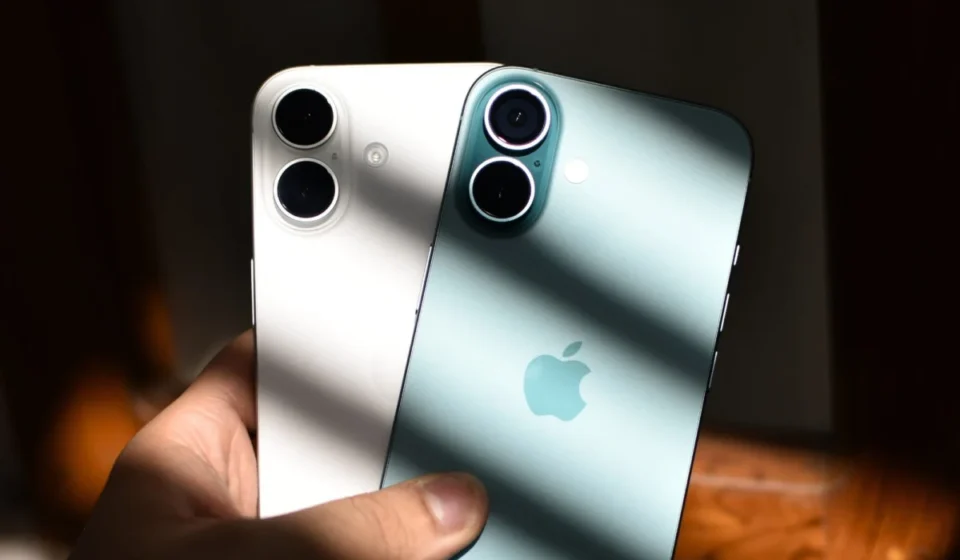
Apple is reportedly teaming up with Klarna to let you pay off new devices over time.

Apple is poised to significantly alter its consumer financing landscape with the impending launch of "Apple Upgrade," a new program slated to debut in the United States on July 28. This initiative, detailed by Bloomberg’s Mark Gurman, is expected to supersede the decade-old iPhone Upgrade Program and aims to provide consumers with more flexible payment options for their Apple devices, potentially spurring sales and broadening accessibility. The partnership with Klarna, a prominent global payment service provider specializing in buy-now, pay-later (BNPL) solutions, signals a strategic move by Apple to integrate a more modern and adaptable financing model into its ecosystem.
The introduction of Apple Upgrade marks a departure from Apple’s existing financing structures, most notably the iPhone Upgrade Program. Launched in 2015, the iPhone Upgrade Program offered a path for consumers to finance new iPhones with AppleCare+ included, allowing for an upgrade to a new model after 12 monthly payments. However, the new Apple Upgrade program, as reported, will not inherently bundle AppleCare+ into its base offering, necessitating separate consideration for device protection. This change suggests a potential unbundling of services, allowing consumers to tailor their plans more precisely to their needs and budgets.
Evolving Consumer Financing: The Shift Towards BNPL
The rise of buy-now, pay-later services has dramatically reshaped the retail and e-commerce sectors. Klarna, a leader in this space, offers consumers the ability to split purchases into interest-free installments, a model that has proven exceptionally popular with younger demographics and those seeking greater financial flexibility. By partnering with Klarna, Apple is tapping into this established consumer behavior and leveraging a platform already trusted by millions. This move is particularly significant as Apple has historically maintained a tightly controlled ecosystem, often preferring to develop and manage its services in-house. The collaboration with an external BNPL provider like Klarna indicates a strategic prioritization of consumer convenience and market adaptability.
Flexible Payment Structures for a Diverse Product Lineup
According to Bloomberg’s report, the Apple Upgrade program is expected to encompass a wide array of Apple’s flagship products, including iPhones, iPads, Macs, and Apple Watches. However, the precise payment terms are anticipated to vary based on the device’s typical price point and the perceived upgrade cycle for that particular product category.
For popular and frequently updated devices such as iPhones and Apple Watches, consumers may be offered a 24-month payment plan. This duration aligns with the common consumer habit of upgrading these devices every two years. In contrast, for more substantial investments like iPads and Macs, the payment plan could extend to 36 months, providing a more manageable financial commitment over a longer period. This tiered approach to financing demonstrates a nuanced understanding of consumer purchasing patterns and financial capabilities across Apple’s diverse product portfolio.

Furthermore, the program is reportedly designed to offer a degree of flexibility. Consumers may have the option to:
- Pay off the remaining balance early: This allows for greater control over their financial obligations and the potential to avoid future interest if applicable to specific payment plans.
- Upgrade to a newer device before the term concludes: This feature would be a significant draw, enabling consumers to stay at the forefront of Apple’s technological advancements without waiting for their current financing to fully mature.
- Retain ownership of the device after completing payments: This provides a clear path to outright ownership, a traditional consumer desire that the iPhone Upgrade Program also facilitated.
It is important to note that certain entry-level or more budget-conscious models might be excluded from the Apple Upgrade program. This could potentially include devices like the Apple Watch SE, the base model iPad, the iPhone 16, and the MacBook Neo, suggesting a focus on higher-tier or more premium offerings for this new financing initiative.
The Demise of the iPhone Upgrade Program
The introduction of Apple Upgrade signifies the impending retirement of the existing iPhone Upgrade Program. Sources indicate that Apple plans to cease accepting new sign-ups for the iPhone Upgrade Program once the new Klarna-backed initiative goes live. This strategic phase-out underscores Apple’s commitment to consolidating its financing offerings under a more streamlined and potentially more widely applicable platform. The decade-long run of the iPhone Upgrade Program has undoubtedly served its purpose in familiarizing consumers with installment-based purchasing for iPhones, paving the way for this broader expansion.
The key distinction, as highlighted by the reports, lies in the inclusion of AppleCare+. The current iPhone Upgrade Program bundles AppleCare+ with its monthly payments, offering a comprehensive package of device protection and support. The new Apple Upgrade program, however, is expected to treat AppleCare+ as an optional add-on, requiring separate purchase and payment. This unbundling could offer cost savings for consumers who do not opt for extended warranty coverage or prefer to source their protection plans from third-party providers. Conversely, it presents a potential revenue stream for Apple through the sale of standalone AppleCare+ plans.
Strategic Implications and Market Analysis
The move to partner with Klarna and introduce a more flexible upgrade program carries several strategic implications for Apple.
- Boosting Sales and Market Share: By making premium Apple devices more financially accessible, Apple could attract a wider customer base, including those who may have been hesitant due to the upfront cost. This could lead to increased sales volume and a stronger hold on market share, particularly in competitive segments. The BNPL model is known to reduce purchase friction, a critical factor in driving consumer spending.
- Enhancing Customer Loyalty: Offering attractive financing and upgrade paths can foster greater customer loyalty. Consumers who have a seamless experience upgrading their devices are more likely to remain within the Apple ecosystem for future purchases. The ability to upgrade more frequently can also lead to increased engagement with Apple’s latest technologies and services.
- Adapting to Evolving Consumer Behavior: The widespread adoption of BNPL services indicates a shift in how consumers prefer to manage their purchases. Apple’s embrace of this trend demonstrates its agility in adapting to changing consumer preferences and its willingness to integrate external financial solutions to meet market demands.
- Competitive Positioning: This move positions Apple more competitively against other device manufacturers and retailers that already offer robust installment payment plans. By partnering with a well-established BNPL provider, Apple can quickly scale its offering and leverage Klarna’s existing infrastructure and customer base.
- Data and Insights: While Apple traditionally guards its user data closely, a partnership of this nature could provide valuable insights into consumer spending habits and financing preferences, which could inform future product development and marketing strategies.
The precise details regarding interest rates, fees, and any potential promotional offers associated with the Apple Upgrade program remain undisclosed. Apple has not yet issued an official statement confirming these plans. However, the timing of the reported launch, just before the typical back-to-school and holiday shopping seasons, suggests a strategic rollout designed to maximize consumer engagement and sales during key purchasing periods. The success of this new program will likely depend on its competitive pricing, the ease of the application and management process, and its ability to genuinely offer a superior or more convenient alternative to existing financing options.
The integration of a BNPL solution like Klarna into Apple’s payment ecosystem represents a significant evolution in how consumers can acquire and upgrade their beloved Apple devices. As the July 28 launch date approaches, the tech and finance industries will be closely watching to see how this partnership reshapes the landscape of consumer electronics financing.