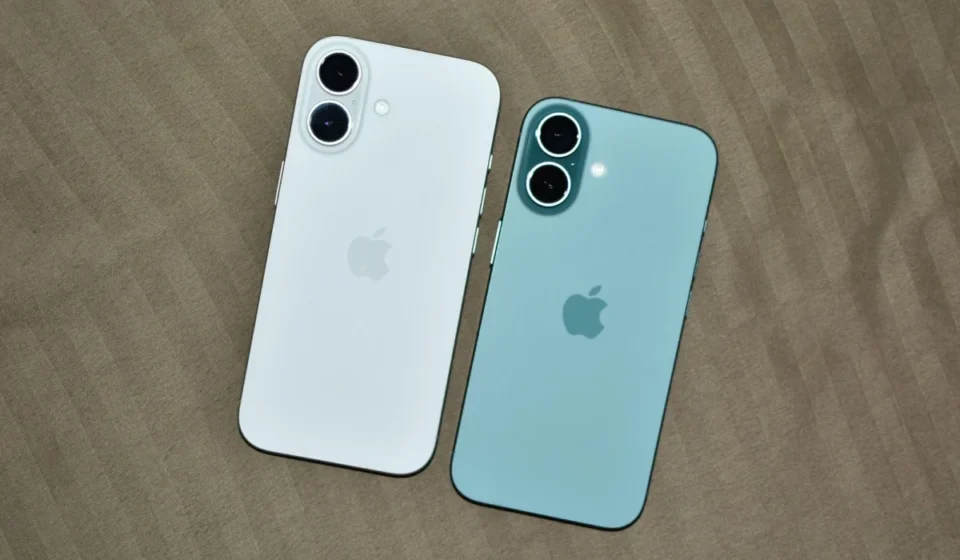

Code unearthed within the latest iOS 27 beta version suggests Apple is preparing to implement a stringent system that could significantly limit the functionality of iPhones purchased through financed payment plans. This feature, if rolled out, would allow lenders to remotely restrict access to most applications on a device if the owner falls behind on their monthly installments, effectively turning the iPhone into a significantly less useful tool until the overdue payments are settled. The discovery comes as Apple is reportedly on the cusp of launching its own Klarna-backed financing program, branded as "Apple Upgrade," which is expected to allow consumers to purchase iPhones, iPads, Macs, and Apple Watches and pay for them over two to three years.
This potential new policy, detailed by 9to5Mac, hinges on a framework within iOS 27 termed "App Managed Features." This sophisticated system would empower approved lending applications to monitor a customer’s payment history. Should a user miss a predetermined number of payments, the lender would gain the ability to place the financed iPhone into a "Restricted Mode." This mode, as described by the discovered code, would block access to all but a select few essential applications. The nine applications slated to remain functional are Phone, Settings, Wallet, Clock, Health, Passwords, Magnifier, Accessibility Reader, and the App Store itself. Notably, this restriction does not appear to affect subscriptions tied to blocked apps, meaning users could continue to be charged for services they can no longer access.

Further bolstering the lender’s control, a secondary layer of security dubbed "Partner Finance Lock" is also indicated in the code. This feature is designed to preemptively thwart common workarounds. Specifically, it aims to prevent users from disabling the Restricted Mode through a factory reset, attempting to sell a restricted device, or dismantling it for parts. This suggests a comprehensive approach to ensuring device recovery or compliance with payment terms.
The Lender’s Leash: Control and Customization
A critical aspect of this emerging system is the delegation of specific controls to the financing partners, rather than a uniform policy dictated by Apple. While core applications like Phone and Settings would remain accessible, the code suggests that other apps capable of sending critical alerts, such as Messages and Home, might also remain available during a lockout. However, the decision on which of these additional apps are whitelisted would reportedly rest with the lender. This implies that the user experience during a payment default could vary significantly depending on the financial institution that financed the device.
Moreover, the unearthed code does not specify a universal threshold for the number of missed payments that would trigger a lockout. This absence of a predefined limit strongly suggests that each financing partner will have the autonomy to define these terms within their individual agreements with consumers. Consequently, the user’s contract with the lender would become the primary document detailing the grace periods and conditions that could lead to restricted device functionality. This places a significant onus on consumers to thoroughly understand the fine print of their financing agreements before purchasing Apple devices through such programs.

A Growing Trend in Device Financing
The introduction of such a robust payment enforcement mechanism by Apple aligns with a broader trend in the consumer electronics industry. As the cost of flagship devices like the iPhone continues to climb, financing and installment plans have become increasingly popular pathways for consumers to acquire these high-value items. Companies like Klarna, Affirm, and others have seen significant growth by offering flexible payment options. Apple’s entry into this market, particularly with its own branded program, signals a strategic move to capture a larger share of this expanding segment.
The "Apple Upgrade" program, rumored to launch soon, is expected to offer a compelling proposition for consumers who wish to stay current with the latest technology. By bundling device financing with potential trade-in options and upgrade paths, Apple aims to foster greater customer loyalty and recurring revenue streams. However, the inclusion of this payment enforcement feature introduces a new layer of risk and responsibility for consumers entering these agreements.
Precedent and Potential Implications
While this is a novel approach for Apple in terms of direct software-level enforcement of payment plans on its devices, the concept of device lockout for non-payment is not entirely new. Some mobile carriers have historically employed mechanisms to disable devices that are not fully paid off, particularly in prepaid or subsidized plans. However, Apple’s implementation, integrated directly into the operating system and extending to a wider range of financed products beyond just smartphones, represents a significant escalation in control.

The implications of this feature are multifaceted. For lenders, it offers a powerful tool to mitigate financial risk and reduce instances of bad debt. This could potentially lead to more accessible financing options for consumers, as lenders may feel more secure in offering credit. For Apple, it ensures the integrity of its financing partnerships and potentially encourages more consumers to engage with its payment plans, knowing that the financial arrangements are robustly managed.
However, for consumers, the potential for a locked-down device raises concerns. The reliance on a smartphone in modern life is profound, encompassing communication, banking, navigation, and access to critical services. A device rendered largely unusable due to missed payments could have severe practical consequences. The fact that subscriptions to blocked apps would continue to incur charges, even when the app itself is inaccessible, is also a point of potential contention. This could lead to users paying for services they cannot utilize, exacerbating financial strain.
Unconfirmed Details and Future Rollout
It is crucial to note that the information regarding App Managed Features and Partner Finance Lock is derived from code discovered in a beta version of iOS 27. Apple has not officially confirmed the existence or exact functionality of these features. The company could potentially make further modifications or even decide not to implement them before the public release of iOS 27, which is anticipated later this year. Furthermore, the extent to which this system will be applied to other financed Apple products, such as iPads, Macs, and Apple Watches, remains unclear. The current analysis is primarily focused on the iPhone due to the specific code references found.
As the "Apple Upgrade" program approaches its rumored launch, consumers considering device financing through Apple or its partners are advised to exercise due diligence. A thorough understanding of the terms and conditions, including any clauses related to payment defaults and device functionality, will be paramount. The prospect of a device being remotely restricted, even temporarily, underscores the importance of responsible financial management when acquiring expensive technology through installment plans. The integration of such control mechanisms within the operating system itself marks a significant development in the relationship between device manufacturers, financial institutions, and consumers.