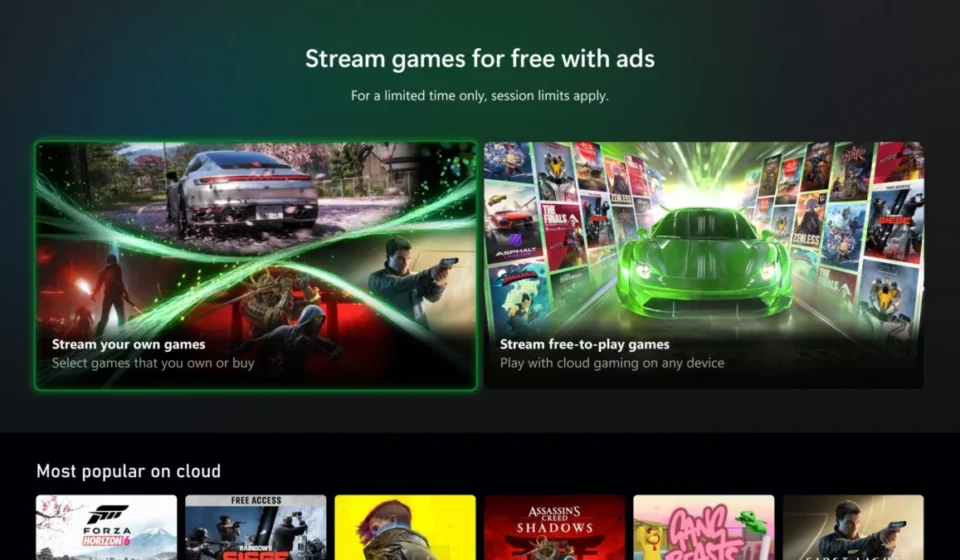

Microsoft is currently experimenting with a novel approach to broaden access to its Xbox Cloud Gaming service, offering an ad-supported, free tier to Xbox Insiders. This initiative allows a select group of players to stream games they already own without the need for a Game Pass subscription. The core of this new model involves users watching a brief advertisement prior to commencing their cloud gaming session, a strategy designed to introduce more individuals to the benefits of game streaming. Importantly, Microsoft has emphasized that these advertisements will not interrupt gameplay, signaling an early test of the viability of a simple ad-for-time exchange in the cloud gaming market.
The Genesis of an Ad-Supported Cloud Gaming Model
The introduction of a free, ad-supported tier for Xbox Cloud Gaming comes at a pivotal juncture for the gaming industry. As the cost of console hardware continues to rise, with Xbox itself implementing price increases of up to $150 on certain models, accessibility is becoming a significant concern. Xbox CEO Asha Sharma has publicly acknowledged the challenging economic landscape for the company, citing thin profit margins and the ongoing, extensive restructuring of Xbox operations, which has included significant workforce reductions. This experimental program can be viewed as a direct response to these market pressures, seeking alternative revenue streams and user acquisition strategies to maintain a competitive edge and ensure gaming remains within reach for a wider audience. The decision to test this model with Xbox Insiders suggests a cautious, data-driven approach, allowing Microsoft to gather valuable feedback and performance metrics before considering a broader rollout.
How the Free Xbox Cloud Gaming Tier Operates
The current iteration of this ad-supported cloud gaming trial is exclusively available to members of the Xbox Insider program. Participants can access a curated selection of games that they already possess in their digital libraries. Each cloud gaming session is capped at a maximum duration of one hour. Upon the conclusion of this hour, users have the option to initiate another session. However, this requires them to view another short advertisement before they can resume playing. This mechanism ensures a continuous, albeit segmented, gaming experience for those opting for the free tier.

Microsoft has articulated five key principles that will govern this experimental program. Foremost among these is the commitment that advertisements will only be displayed at the beginning of a gaming session, ensuring that they do not disrupt the immersive experience of gameplay. Secondly, the selection of games available for streaming will remain entirely independent of the advertising content; advertisements will not influence which titles are accessible. The company also pledges transparency, assuring players that they will always understand the reasons behind seeing specific advertisements. Finally, Microsoft aims to prevent the overall user experience from becoming saturated with marketing, striving for a balanced integration of advertising.
For existing Xbox Game Pass subscribers, this new initiative will have no impact on their current subscription benefits or access. The primary target audience for this trial consists of players who are interested in experiencing Xbox Cloud Gaming but are hesitant to commit to a recurring monthly subscription fee. Concurrently, this provides Microsoft with a crucial opportunity to gauge player reception and identify potential challenges associated with an ad-supported model for cloud gaming.
Supporting Data and Industry Context
The gaming industry has seen a significant surge in cloud gaming adoption in recent years. According to industry analysis reports, the global cloud gaming market was valued at approximately $15.2 billion in 2022 and is projected to experience substantial growth, with some forecasts predicting it to reach over $100 billion by 2030. This expansion is fueled by increasing internet speeds, the proliferation of compatible devices, and the convenience of accessing high-fidelity games without the need for powerful local hardware.
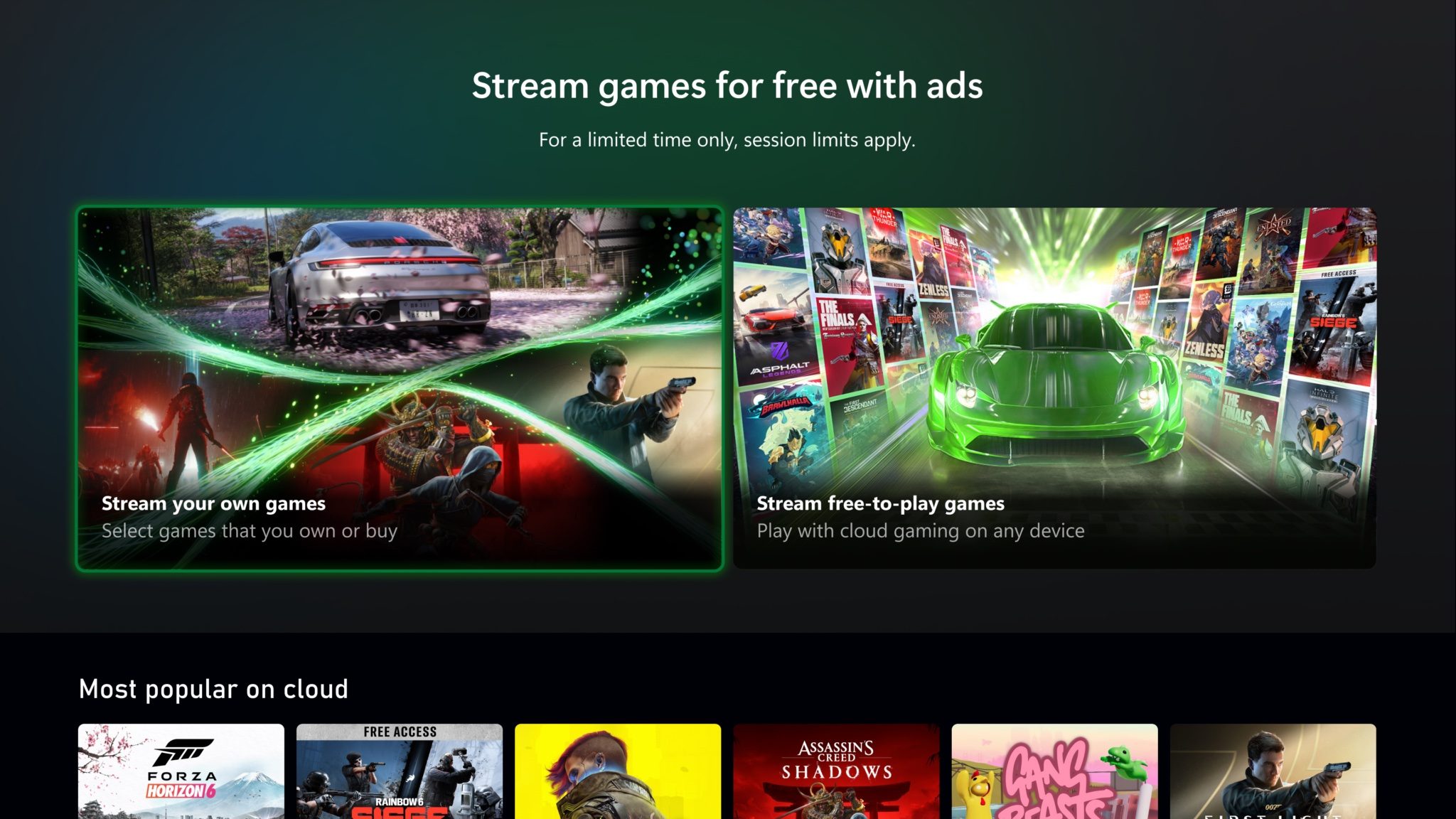
Microsoft’s Xbox Cloud Gaming, previously known as Project xCloud, was launched as part of Xbox Game Pass Ultimate in September 2020. It allows subscribers to stream a selection of games from the Game Pass library to various devices, including Xbox consoles, PCs, tablets, and smartphones. The service has been lauded for its potential to democratize gaming, making AAA titles accessible to a broader demographic. However, the subscription-based model has remained a barrier for some potential users.
The introduction of an ad-supported model aligns with broader trends in digital content consumption, where advertising has become a common monetization strategy for free-to-access services across video streaming, social media, and mobile applications. For instance, platforms like YouTube and Spotify offer free tiers supported by advertisements, demonstrating the efficacy of this approach in driving user engagement and generating revenue. The success of this strategy in the gaming sector, particularly for a service that inherently relies on user attention and time, will be closely watched.
Chronology of Development and Testing
While the exact timeline for the conceptualization of an ad-supported cloud gaming tier is not publicly detailed, the formal announcement and initiation of the Xbox Insider test phase mark a significant milestone. Microsoft’s recent strategic shifts, including the aforementioned console price adjustments and internal restructuring, indicate a period of re-evaluation and innovation within the Xbox division. The timing of this trial suggests it is a calculated move to address these ongoing challenges and explore new avenues for growth and revenue generation.

The initial phase of the experiment, as described, is confined to a controlled group of Xbox Insiders. This phased rollout is a standard practice in software and service development, allowing for iterative testing, bug identification, and performance optimization in a real-world environment before a wider public release. Feedback gathered during this period will be instrumental in shaping the future of the service, including decisions on its potential permanence and any necessary adjustments to its implementation.
Official Responses and Guiding Principles
In a statement accompanying the announcement of the trial, Microsoft reiterated its commitment to enhancing the accessibility of gaming. The company emphasized that the introduction of advertisements is a means to achieve this goal without compromising the quality of the gaming experience. The five guiding principles—ads only before sessions, no influence on game availability, player awareness of ad reasons, and prevention of excessive marketing—are crucial assurances aimed at fostering trust and ensuring a positive user perception.
"We are constantly exploring new ways to bring the joy of gaming to more people," a Microsoft spokesperson might have stated, reflecting the company’s overarching mission. "This experiment with an ad-supported tier for Xbox Cloud Gaming is an exciting step in understanding how we can make cloud gaming even more accessible, allowing players to experience a selection of their favorite titles without a subscription commitment, while still respecting their time and engagement."

The company’s approach appears to be focused on a delicate balance: leveraging advertising as a revenue stream and user acquisition tool without alienating players or detracting from the core gaming experience. This measured approach suggests that Microsoft is keenly aware of the potential pitfalls of intrusive advertising and is prioritizing a user-centric design for this new model.
Broader Impact and Implications for the Future of Gaming
The success of this ad-supported cloud gaming experiment could have far-reaching implications for the gaming industry. If it proves to be a sustainable and popular model, it could pave the way for similar initiatives from other platform holders and game developers. This could lead to a more tiered and diverse ecosystem of gaming access, where players can choose between subscription-based premium services, free ad-supported options, or a combination of both.
For players, this could mean greater freedom and flexibility in how they engage with gaming content. It might lower the barrier to entry for those who have been priced out of console ownership or subscription services, potentially expanding the gaming community. Furthermore, it could foster innovation in advertising technologies within the gaming space, leading to more engaging and less intrusive ad formats.
However, potential challenges remain. The long-term impact on the perceived value of games and subscription services will need to be carefully monitored. There is also the risk of ad fatigue among players, which could negate the benefits of increased accessibility. The evolution of this ad-supported model will undoubtedly be a significant development to observe in the ongoing transformation of the gaming landscape, particularly as hardware costs continue their upward trajectory. Microsoft’s bold experiment is a testament to its commitment to adapting and innovating in a dynamic and increasingly competitive market, aiming to ensure that the future of Xbox gaming remains vibrant and accessible.