Fortnite Chapter 7: The Biggest Reset Since Chapter 3 – Esports News Network

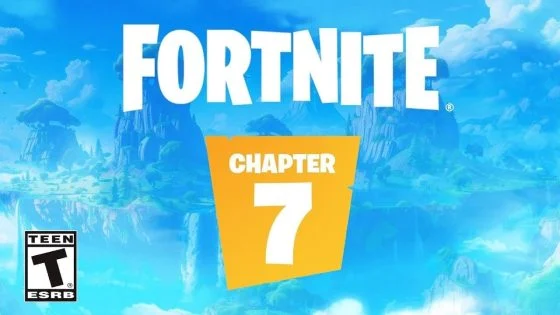
The impending launch of Fortnite Chapter 7, scheduled for November 29, 2025, marks a pivotal moment for the globally dominant battle royale title. Indications from internal communications, creator outreach, and datamined files strongly suggest that Epic Games is orchestrating a full structural reset, designed to reinvigorate both its casual player base and its competitive esports ecosystem. This comprehensive update, characterized by a distinct Hollywood-themed concept, significant terrain alterations, and an anticipated slate of high-profile collaborations, is being positioned not merely as a new season but as the dawn of a new era for Fortnite.
A New Vision: The Hollywood-Inspired Island Redesign
Central to Chapter 7’s transformative ambitions is an entirely new island map, heavily inspired by the iconic landscapes and cinematic allure of Hollywood. Coordinates disseminated to a select group of prominent content creators point unequivocally to the famed Hollywood Hills area, providing a tantalizing glimpse into the forthcoming aesthetic. Early conceptual imagery and internal discussions within the development community indicate a deliberate shift towards a West Coast visual identity. This will manifest in a diverse topographical canvas featuring expansive desert zones, wide arterial roads facilitating swift vehicle movement, towering vertical city blocks reminiscent of urban skylines, and meticulously crafted cinematic set pieces scattered across the landscape.
Player-Operated-Institutions (POIs) are expected to be reimagined as stylized studios, themed entertainment districts, and dynamic, set-based locations that are anticipated to evolve and transform throughout the season. This approach aims to imbue the map with a narrative progression, mirroring the episodic nature of film and television production. From a gameplay perspective, this Hollywood-inspired redesign represents a conscious departure from the more fragmented and sometimes cluttered design observed in Chapter 6. Epic Games appears to be prioritizing a cleaner, more readable map layout, designed to enhance player experience through improved rotation paths, a reduction in "dead zones"—areas of the map that see little player activity—and the creation of more intricately layered combat spaces that encourage varied engagement strategies. The emphasis on clarity and strategic flow is a direct response to ongoing community feedback, particularly from the competitive sector, which has long advocated for maps that reward skill and tactical decision-making over pure randomness.
Underlying Strategy: Epic Games’ Evolution of Fortnite
Epic Games’ decision to implement such a profound "Chapter" reset is not unprecedented but reflects a refined strategy in managing its flagship live-service title. Since its launch in 2017, Fortnite has consistently reinvented itself, evolving from a simple ‘Save the World’ cooperative game into a global cultural phenomenon and a burgeoning metaverse platform. Previous chapter transitions, such as Chapter 2 (The End) and Chapter 3 (Flipped), have historically involved significant map overhauls, fundamental gameplay adjustments, and narrative shifts that have captivated millions. These events are often accompanied by in-game spectacles that draw record viewership, underscoring their importance not just as content updates but as significant cultural events.
The scale of Chapter 7 suggests Epic is leveraging its experience to address core issues while simultaneously pushing the boundaries of what a battle royale game can offer. The company’s investment in Unreal Engine 5 provides the technical backbone for these ambitious graphical and environmental changes, promising a visually stunning and technologically advanced experience. This strategic pivot aligns with Epic’s broader vision of Fortnite as a persistent, evolving digital space—a "metaverse" where entertainment, social interaction, and gaming converge.
Major Gameplay Innovations Undergoing Evaluation
Beyond the aesthetic overhaul, Chapter 7 is poised to introduce substantial mechanical changes that could fundamentally alter the gameplay experience. Datamined files and early discussions within the competitive community indicate several key areas of innovation currently undergoing rigorous testing. Movement mechanics, a cornerstone of Fortnite’s fast-paced action, are expected to receive a significant upgrade. Rumors point to faster momentum generation on slopes, potentially enabling more fluid and rapid descent, and the introduction of new context-based parkour actions. These enhancements could empower players with greater traversal options, leading to more dynamic engagements and a higher skill ceiling for movement specialists. Imagine vaulting over obstacles with newfound agility or sliding down mountainsides to quickly reposition, adding layers to tactical decision-making.
The introduction of new items is also a consistent feature of chapter updates, and Chapter 7 is no exception. Whispers suggest a suite of "cinematic gadgets" specifically tied to the chapter’s Hollywood theme. These could range from items that alter the visual landscape to devices that enable unique, movie-inspired tactical maneuvers, further immersing players in the cinematic universe.
Perhaps one of the most impactful changes for both casual and competitive players will be a more extensive loot pool reset than seen in previous updates. This implies a significant re-evaluation of weapon archetypes, item availability, and overall balance. Competitive players, in particular, anticipate a dedicated split between casual and ranked playlists from day one. This proactive measure aims to address long-standing concerns about balancing issues that arise when new items or mechanics are introduced. By tuning spawn rates and curating the item pool specifically for ranked play, Epic aims to provide a more reliable and consistent early-game experience, reducing the randomness that can often frustrate high-skill players and organizations. This separation signifies a maturation of Fortnite’s competitive ecosystem, acknowledging the distinct needs of its diverse player base.
Chronology of a Chapter Launch: The Hype Cycle
The rollout of a new Fortnite chapter is a carefully orchestrated event, designed to build anticipation to a fever pitch. The timeline for Chapter 7 is expected to follow a familiar pattern:
- Early Teasers (October/November 2025): The first official teasers, often cryptic and disseminated through in-game elements, social media, and direct communication with creators, are expected to begin rolling out in the weeks leading up to the finale. These teasers serve to hint at the overarching theme and impending changes without revealing too much.
- Chapter 6 Finale Event (Late November 2025): Preceding the downtime, Fortnite will host a live, in-game finale event for Chapter 6. These events are known for their cinematic flair, narrative progression, and often involve major map-altering occurrences that directly lead into the next chapter. Millions of players are expected to log in simultaneously to witness this narrative conclusion.
- Downtime (Late November 2025): Following the finale, Fortnite typically enters a period of extended downtime, often lasting 12-24 hours or even longer. During this period, the servers are taken offline as Epic implements the massive update, transitioning the game to the new chapter. This downtime itself becomes a part of the spectacle, with players eagerly awaiting the game’s return.
- Full Reveal Trailer (Post-Downtime): Upon the game’s return, a comprehensive reveal trailer will typically launch, showcasing the new terrain, the cinematic theme, key gameplay mechanics, and a glimpse of the Battle Pass offerings. This trailer serves as the official introduction to the new chapter.
- Battle Pass Drop (Launch Day): Simultaneously with the game’s return, the Chapter 7 Battle Pass will become available. This pass is crucial for outlining the scope of crossovers and confirming the exact map layout and cosmetic themes for the entire 2025-2026 cycle.
This structured release strategy generates immense buzz, ensuring that each phase of the launch contributes to a global conversation around Fortnite, solidifying its position in popular culture.
A Collab-Heavy Battle Pass: Tapping into Mainstream Culture
Epic Games has mastered the art of cross-promotional content, and Chapter 7 appears designed to push this strategy further than ever before. The initial teasers and circulating online references strongly hint at an incredibly robust Battle Pass, laden with major entertainment licenses. Speculation points towards collaborations inspired by the works of Quentin Tarantino, iconic classic cartoons, and several long-requested franchises from the community.
This approach aligns perfectly with Epic’s established strategy of transforming chapter launches into significant cultural events, akin to major film premieres or music festivals, rather than mere content updates. The success of past collaborations, such as the Marvel Nexus War (Chapter 2, Season 4), the Star Wars events, and numerous partnerships with music artists like Travis Scott and Ariana Grande, has demonstrated Fortnite’s unparalleled ability to integrate disparate cultural elements into its universe. A Battle Pass featuring "Tarantino films" could introduce stylized skins, emotes, and weapon wraps inspired by his unique aesthetic and characters, while "classic cartoons" could appeal to a broader, nostalgic demographic. This strategy not only drives player acquisition and retention but also generates substantial revenue through Battle Pass sales and associated cosmetic items, solidifying Fortnite’s financial strength within the competitive gaming market.
Implications for Competitive Play: Reshaping the Esports Landscape
For the competitive Fortnite community, Chapter 7 represents one of the most critical updates in recent memory. Epic Games is concurrently preparing for a fresh FNCS (Fortnite Champion Series) cycle, and Chapter 7 is explicitly intended to serve as a clean break from the meta of Chapter 6. This signifies a commitment to creating a more balanced and predictable environment for professional play.
Key changes anticipated to reshape the early months of the 2026 esports season include:
- Fewer Random Chest Spawns: This reduces the element of luck in early game loot acquisition, rewarding players who master drop spots and resource management.
- More Consistent Mobility Distribution: Ensuring that mobility options are readily available and predictably located across the map allows teams to develop more reliable rotation strategies, minimizing frustrating RNG.
- Scoring System Rewarding Mid-Game Action: This could mean adjustments to scoring that incentivize engagements and strategic positioning throughout the match, rather than solely focusing on eliminations or late-game survival, leading to more dynamic and watchable competitive play.
- Balanced Island Design: The competitive community has consistently pushed for maps with predictable routes, fewer unfair choke points, and more equitable endgame setups. Chapter 7’s focus on a "cleaner, more readable" map with "better rotations" directly addresses these long-standing concerns.
The inferred statements from competitive players and organizations suggest cautious optimism. Pro players often voice frustrations about unpredictable metas and elements that diminish the skill gap. A commitment to a more balanced island, coupled with a day-one casual/ranked split, indicates that Epic is listening to and acting upon feedback from its most dedicated player base. This strategic shift could lead to a more stable competitive environment, fostering greater professionalization and increasing the overall integrity and viewership of Fortnite esports. Organizations like FaZe Clan, TSM, and NRG, who field prominent Fortnite rosters, would likely welcome a more consistent meta that allows for deeper strategic development and less reliance on adapting to frequent, unpredictable changes.
The Broader Impact: Fortnite’s Next Era
Fortnite Chapter 7 is more than a seasonal refresh; it is a strategic declaration from Epic Games. By implementing a full structural reset, the company is demonstrating a clear commitment to maintaining Fortnite’s relevance and dominance in an increasingly crowded gaming market. This update aims to achieve several critical objectives:
- Player Re-engagement: A fresh map, new mechanics, and compelling collaborations are powerful tools for re-engaging lapsed players and attracting new ones.
- Competitive Integrity: By addressing long-standing competitive concerns, Epic aims to solidify Fortnite’s position as a legitimate and thriving esports title.
- Metaverse Expansion: The Hollywood theme and emphasis on cultural crossovers further cement Fortnite’s role as a versatile platform for entertainment beyond traditional gaming.
- Technological Showcase: Leveraging the capabilities of Unreal Engine 5, Chapter 7 will likely serve as a visual and technical benchmark for live-service games.
As the first official teasers begin to roll out, followed by the highly anticipated Chapter 6 finale event and the inevitable downtime, the gaming world will be watching closely. The full reveal trailer, expected to showcase both the new terrain and the cinematic theme, will set the stage for what promises to be a transformative period. Once the Battle Pass drops, the true scope of the crossovers and the exact map layout will establish the tone for the entire 2025-2026 cycle, defining Fortnite’s trajectory for its next era. This comprehensive overhaul underscores Epic Games’ ambition to keep Fortnite at the forefront of gaming innovation and cultural relevance for years to come.