The Evolution of Influencer Marketing and the Strategic Imperatives for the 2026 Digital Economy

The global influencer marketing industry is undergoing a fundamental transformation, transitioning from an experimental tactical add-on to a cornerstone of the modern corporate marketing mix. By 2026, the sector is projected to reach a valuation between $32 billion and $40 billion, a staggering increase from the $1.7 billion recorded in 2015. This maturation is characterized by a shift from superficial metrics toward sophisticated, data-driven strategies that prioritize authentic community engagement and measurable return on investment. In a recent comprehensive analysis conducted by Zorka.Agency, Marianna Grollo, Influencer Marketing Manager at Almedia, outlined the internal shifts in mindset and methodology required to navigate this increasingly complex landscape.
As brands report an average return of $5.78 for every dollar spent on creator partnerships, approximately 86% of U.S. marketers have integrated influencer marketing into their annual strategic plans. However, this financial growth is accompanied by systemic challenges. Industry data suggests that influencer fraud—encompassing fake followers and inflated engagement—costs marketers approximately $4.8 billion in wasted annual spend. Despite these risks, consumer trust in individual creators remains high, particularly among younger demographics. While 67% of the general population trusts influencer recommendations, that figure rises to 94% among Gen Z consumers, who increasingly prefer creator-driven content over traditional advertisements.
The Chronology of Industry Maturation
The trajectory of influencer marketing is mirrored in the professional journey of its practitioners. Marianna Grollo’s career began in Berlin during her master’s degree in marketing, at a time when the discipline was still defining its boundaries. Hired as a Content and Performance Marketing Intern, Grollo was thrust into a leadership role following the sudden departure of her manager. This period of rapid, self-directed learning coincided with a global shift in how brands perceived social media personalities.
Over the last decade, the infrastructure supporting these partnerships has expanded exponentially. In 2015, there were roughly 190 specialized influencer marketing agencies and platforms worldwide; today, that number exceeds 7,000. This growth indicates that a function once managed by generalist social media coordinators now requires specialized teams capable of handling complex negotiations, creative direction, and multi-layered data analysis. Grollo’s experience across diverse sectors—including health and fitness, beauty, and gaming—demonstrates the necessity for marketers to adapt to the specific cultural nuances and audience psychologies of different verticals.
Supporting Data: The Financial and Social Metrics of Influence
The economic viability of influencer marketing is no longer a matter of speculation but a result of rigorous performance tracking. The industry’s shift toward revenue-based measurement has elevated the role of the influencer marketer to a strategic business function.
- Market Valuation: The jump from $1.7 billion in 2015 to an estimated $40 billion by 2026 represents a compound annual growth rate that outpaces most traditional media sectors.
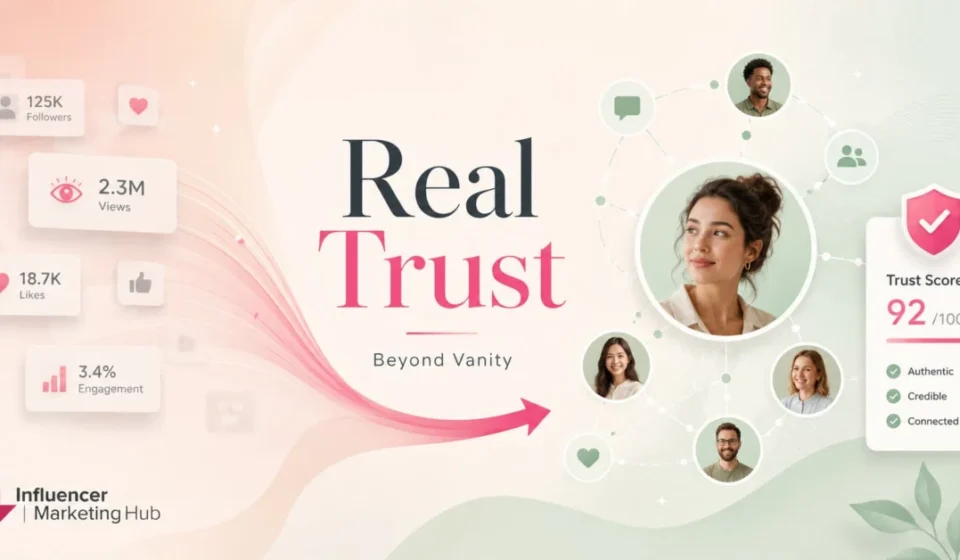
- The Trust Paradox: While 94% of Gen Z trust creators over ads, there is a rising skepticism toward "over-commercialized" content. This has led to the rise of nano-influencers (those with fewer than 10,000 followers), who currently maintain the highest engagement rates on platforms like Instagram because their audiences perceive them as peers rather than broadcast channels.
- The Fraud Factor: With $4.8 billion lost to fraud annually, brands are increasingly utilizing layered verification tools. Modern campaigns now prioritize "community sentiment" and "audience quality" over raw follower counts.
The Impact of Artificial Intelligence on Marketing Operations
The integration of Artificial Intelligence (AI) represents the next frontier in the evolution of influencer marketing. Industry surveys indicate that approximately 60% of marketers currently use AI for creator identification and campaign optimization. The technology is being deployed to automate the high-volume, repetitive tasks that historically consumed marketing budgets, such as data entry, report organization, and initial vetting processes.
Grollo observes that while AI is an essential tool for efficiency, it cannot replace the human element inherent in relationship-based marketing. There is a growing tension within the industry regarding the rise of AI-generated virtual influencers. While these digital entities offer brands a way to mitigate controversy and maintain total creative control, they lack the genuine human connection that drives the 94% trust rate among Gen Z. The prevailing industry sentiment suggests that AI will not replace marketers, but rather that marketers who leverage AI will replace those who do not.

Strategic Analysis: Avoiding Common Scaling Mistakes
A recurring theme in the professionalization of the sector is the identification of strategic errors that lead to "influencer fatigue." One of the most common mistakes identified by Almedia and Zorka.Agency is the tendency of brands to scale too aggressively following a successful initial campaign. Overexposure can quickly turn a trusted recommendation into perceived noise, diminishing the creator’s credibility and the brand’s return.
The data suggests that long-term ambassador programs are more effective than high-frequency, one-off partnerships. When a product is genuinely integrated into a creator’s lifestyle, the resulting content feels organic rather than transactional. In the beauty and wellness sectors, for instance, a creator’s continued use of a product outside of paid windows serves as the most potent form of advertising. Authenticity, in this context, is not just a buzzword but a measurable driver of conversion.
Case Study: Creativity and Timing over Capital
The efficacy of influencer marketing is often determined by creative agility rather than the size of the marketing budget. Grollo cites a specific instance involving a high-performing creator during the competitive Black Friday period. With the creator’s schedule fully booked by major retailers, a traditional approach would have failed. By shifting the campaign launch forward by 24 hours and framing it as a standard promotion rather than a "Black Friday" event, the brand achieved the creator’s highest-revenue campaign of the year.
Conversely, the industry is littered with examples of "vanity metric" failures. Grollo recounted a campaign with a high-profile creator where forecasts predicted 700 sales, but only seven were realized. The failure was attributed to a sudden shift in community sentiment due to public controversy surrounding the creator. This highlights the necessity for brands to conduct deep-dive research into public perception and audience sentiment rather than relying solely on automated analytics.
Official Guidelines for Modern Influencer Partnerships
Based on the evolving standards of the industry, several core principles have emerged for brands seeking to maximize their impact:
- Creative Autonomy: Creators possess a deeper understanding of their audience’s language and preferences than the brands themselves. Successful campaigns provide clear objectives and key messages but allow the creator to dictate the "voice" of the content.
- Adaptability: The digital landscape changes quarterly. Strategies that were effective six months ago may be obsolete today due to platform algorithm shifts or changing social trends.
- Prioritizing Authenticity: Nearly 50% of U.S. marketers now prioritize authenticity over follower numbers when selecting partners. The shift toward nano and micro-influencers is a direct result of this trend.
- Product-Led Strategy: No amount of marketing can sustain a poor product. The most successful influencer campaigns are built on products that creators would use even in the absence of a contract.
Broader Impact and Future Implications
As influencer marketing matures toward the 2026 milestone, the boundaries between social media management, PR, and performance marketing will continue to blur. The professionalization of the industry has led to increased visibility at the executive level, with influencer marketing directors now holding significant influence over corporate growth strategies.
The ultimate power of the medium lies in its ability to combine data-driven distribution with human connection. In an era where traditional advertising is easily bypassed or ignored, the creator-subscriber relationship remains one of the few remaining avenues for genuine brand-consumer engagement. However, the future of the industry depends on its ability to solve the fraud crisis and maintain the delicate balance between commercial growth and the authenticity that made the channel valuable in the first place.
For companies like Almedia and agencies like Zorka.Agency, the focus remains on the "human side" of the digital equation. Success in 2026 will not be defined by who has the largest budget, but by who can most effectively navigate the complexities of human trust in an increasingly automated world. Influencer marketing has moved beyond the "scroll-and-post" era; it is now a sophisticated engine of the global economy, requiring a blend of psychological insight, creative bravery, and rigorous analytical discipline.