
The Strategic Shift from Campaigns to Ecosystems
For over a decade, influencer marketing was largely viewed through the lens of brand awareness. Companies would identify individuals with high follower counts, provide them with a brief, and pay for a specific number of posts. However, as customer acquisition costs (CAC) on platforms like Meta and Google have continued to climb—increasing by an estimated 60% over the last five years—brands have been forced to seek more sustainable growth levers.
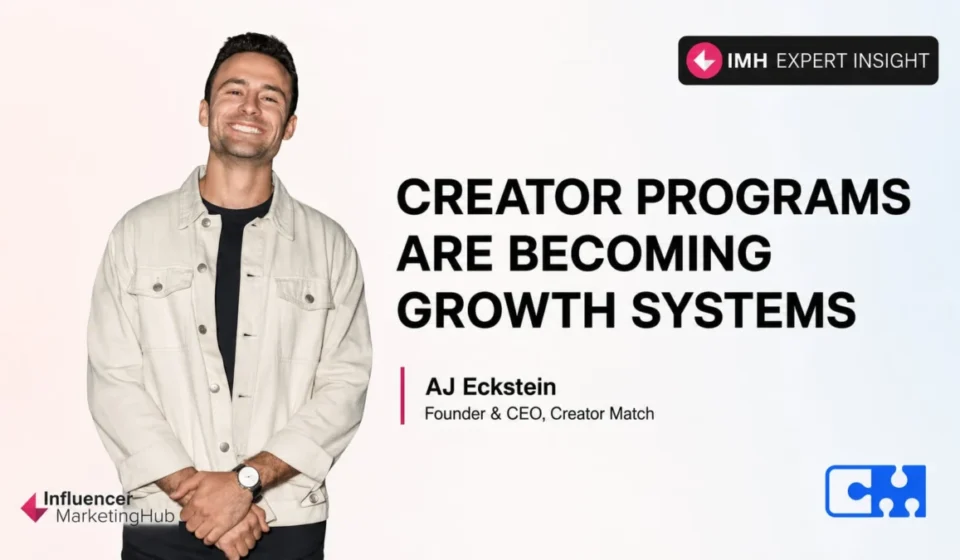
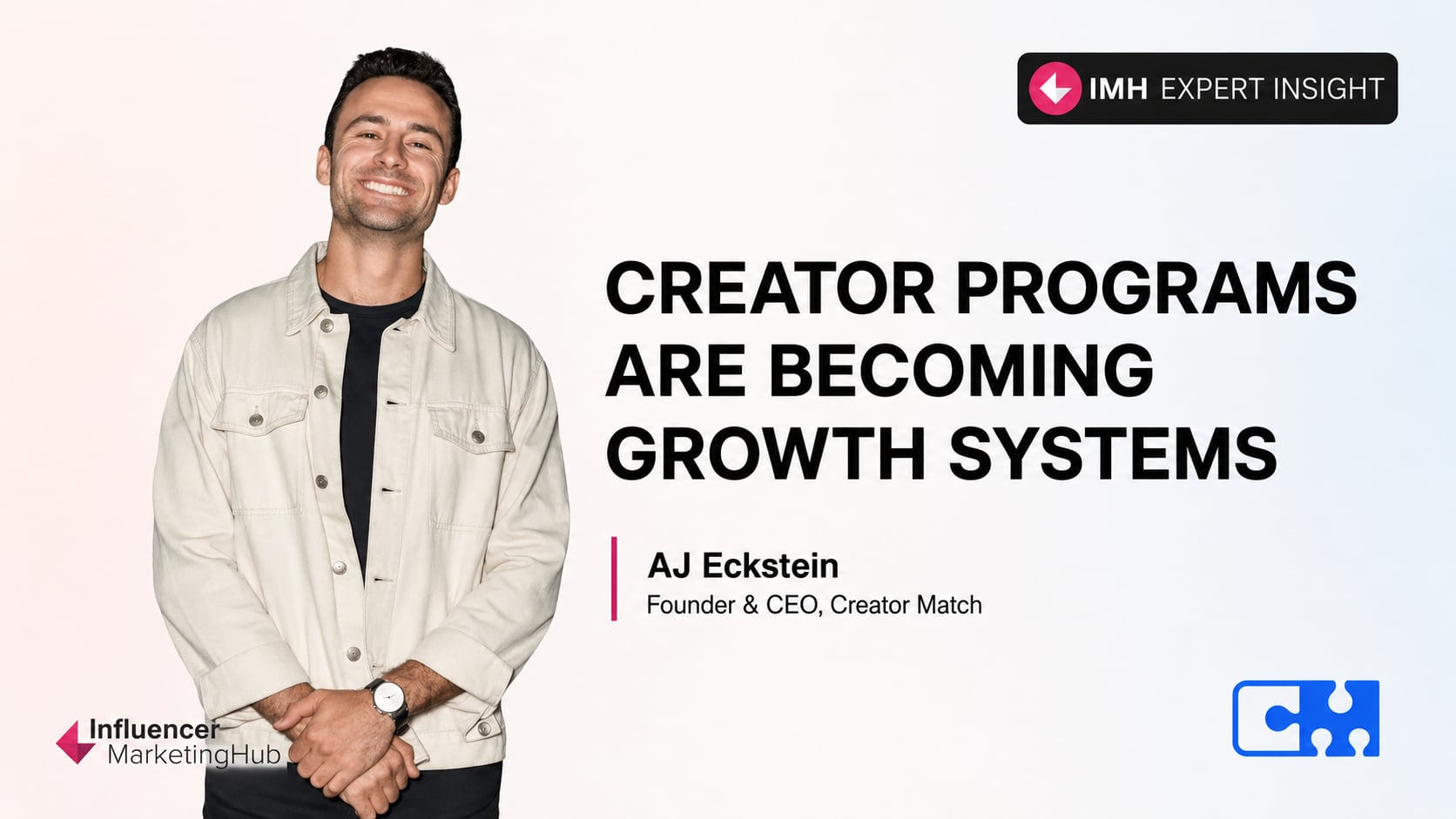
Industry analyst AJ Eckstein and other digital strategists have identified a pivotal transition: creator programs are no longer just "add-ons" to a media buy; they are becoming "full growth systems." In this new paradigm, a creator program is defined as a holistic, long-term strategy that leverages creators at every stage of the marketing funnel—from initial research and development (R&D) to post-purchase loyalty.
This evolution is driven by the realization that creators possess something traditional advertising lacks: a direct, trust-based feedback loop with the consumer. By integrating creators into the "growth system," brands are essentially decentralizing their marketing and product departments, allowing for faster iteration and more authentic market penetration.
Historical Context: The Four Eras of Creator Engagement
To understand why creator programs have become growth systems, it is necessary to examine the chronological progression of the industry:
- The Affiliate Era (2010–2015): Early influencer engagement was almost entirely performance-based. Bloggers and early YouTubers used trackable links to earn commissions. It was a purely transactional "bottom-of-the-funnel" tactic.
- The Awareness Era (2015–2020): With the explosion of Instagram, the focus shifted to "clout." Brands prioritized reach and aesthetic alignment. Metrics were "vanity-based," focusing on likes and impressions rather than tangible business growth.
- The Community Era (2020–2024): The rise of TikTok and the COVID-19 pandemic accelerated the demand for authenticity. Brands began to value "micro-influencers" and community leaders who held high engagement rates.
- The Growth System Era (2025–Present): In the current landscape, creators are treated as strategic partners. They are involved in product design, equity-based partnerships, and long-term brand ambassadorships that span multiple years rather than weeks.
Supporting Data: The Economic Impact of Creator Systems
Recent market reports from 2025 and 2026 underscore the financial imperative behind this shift. According to data from the Global Creator Economy Report, the total market size is projected to reach $528 billion by 2027. More importantly, brands that have transitioned to "growth system" models report significantly higher returns on investment compared to those sticking to traditional campaign-based models.
- Conversion Rates: Campaigns integrated into long-term creator systems show a 3.5x higher conversion rate than isolated sponsored content.
- Customer Lifetime Value (LTV): Customers acquired through creator-led systems exhibit a 22% higher LTV, as the trust established by the creator translates into higher brand loyalty.
- Content Production Costs: Brands utilizing creators as "content engines" for their own social channels have seen a 40% reduction in traditional creative production costs.
Furthermore, a 2026 survey of CMOs across the retail and SaaS sectors revealed that 74% of organizations have moved their creator marketing budgets from "experimental" to "core growth," often siphoning funds from traditional television and programmatic display advertising.
The Architecture of a Full Growth System
A creator program that functions as a growth system is built on four primary pillars: co-creation, distribution, data integration, and community feedback.
1. Creator-Led Product Development (R&D)
Modern growth systems involve creators at the earliest stages of the product lifecycle. Instead of handing a finished product to a creator to promote, brands are using creators as focus groups. This ensures that the product meets the specific needs of the creator’s audience, effectively guaranteeing a market fit before the official launch. Examples in the beauty and apparel industries have shown that "creator-co-developed" lines sell out 50% faster than standard house brands.
2. Decentralized Content Distribution
In a growth system, the brand’s own social media channels become secondary to the creator’s ecosystem. The creator is not just a spokesperson; they are a distribution hub. By white-listing creator content—running paid ads through the creator’s own handle rather than the brand’s—companies are seeing a 25% lower cost-per-click (CPC) due to the higher perceived authenticity of the content.
3. Advanced Attribution and Data Loops
The hallmark of a growth system is its reliance on data. Modern programs utilize sophisticated attribution models that track the "halo effect" of a creator’s influence. This includes monitoring search volume spikes, brand sentiment shifts, and even offline sales lift. By integrating creator platforms with internal CRM systems, brands can see exactly which creators are driving high-value, recurring customers versus one-time buyers.
4. The Feedback Loop and Iteration
Traditional campaigns end after the final post is live. A growth system, however, uses the comments, questions, and reactions from the creator’s audience as raw data for the next iteration of marketing or product design. This creates a perpetual cycle of improvement that traditional agencies struggle to replicate.
Industry Responses and Reactions
The shift toward growth systems has met with various reactions from industry stakeholders. Agency executives have noted that their roles are changing from "middlemen" to "system architects."
"The days of simply matching a brand with a face are over," says Sarah Jenkins, a lead strategist at a top digital firm. "Our job now is to build the technical and legal framework that allows these two entities to grow together over a three-year horizon. It’s more like business consulting than traditional PR."
Creators themselves have also welcomed the change. By becoming part of a growth system, they gain more stability and a deeper say in the products they promote. Many are now negotiating for "performance equity" or "phantom stock" as part of their compensation, further aligning their personal success with the brand’s long-term growth.
However, some critics warn of "creator fatigue" and the potential for over-commercialization. If every creator becomes a "growth system" for a brand, there is a risk that the authenticity which made them valuable in the first place will be eroded. Maintaining the delicate balance between business objectives and genuine community engagement remains the primary challenge for brand managers in 2026.
Broader Implications for the Marketing Landscape
The transformation of creator programs into full growth systems has implications that extend far beyond social media marketing. It signals a move toward a more "human-centric" economy where individual influence carries as much weight as corporate brand equity.
For small and medium-sized enterprises (SMEs), this shift offers a way to compete with global giants. By building a robust system of 10 to 20 dedicated creators, a small brand can achieve the same level of market trust and penetration as a multi-million dollar television campaign, but at a fraction of the cost and with much higher precision.
In the enterprise space, we are seeing the rise of the "Chief Creator Officer" (CCO), a C-suite role dedicated to managing these complex growth systems. This role bridges the gap between marketing, product, and data, ensuring that the creator strategy is aligned with the company’s overall financial goals.
Future Outlook: AI and the Automation of Growth Systems
Looking toward 2027 and beyond, the integration of Artificial Intelligence is expected to further refine these growth systems. AI-driven platforms are already beginning to automate the "matchmaking" process, using predictive analytics to determine which creator is most likely to drive growth for a specific product category based on historical data.
Moreover, "synthetic creators" or AI avatars are starting to be integrated into these systems, providing brands with 24/7 engagement capabilities. While human creators remain the gold standard for trust and authenticity, the growth systems of the future will likely be hybrid models, combining the emotional resonance of humans with the scalable efficiency of AI.
The conclusion is clear: the era of the "influencer campaign" is dead. In its place, a more robust, data-driven, and integrated model has emerged. Brands that fail to view their creator relationships as full growth systems risk being left behind in an increasingly fragmented and trust-dependent marketplace. As AJ Eckstein and others have observed, the creator is no longer just the messenger; in the modern economy, the creator is the system.