Google Pixel 10 and Later Devices Receive AI-Powered Battery Usage Summaries, Enhancing User Battery Management

Google is rolling out a sophisticated new "Battery Usage Summary" feature to its Pixel 10 and later series of smartphones, marking a significant advancement in how users can monitor and understand their device’s power consumption. This intelligent addition aims to demystify complex battery statistics, providing users with clear, actionable insights powered by on-device artificial intelligence. The feature, which has been anticipated following earlier developer insights, is now officially confirmed and is beginning to appear on eligible devices, promising a more intuitive and proactive approach to managing smartphone battery life.
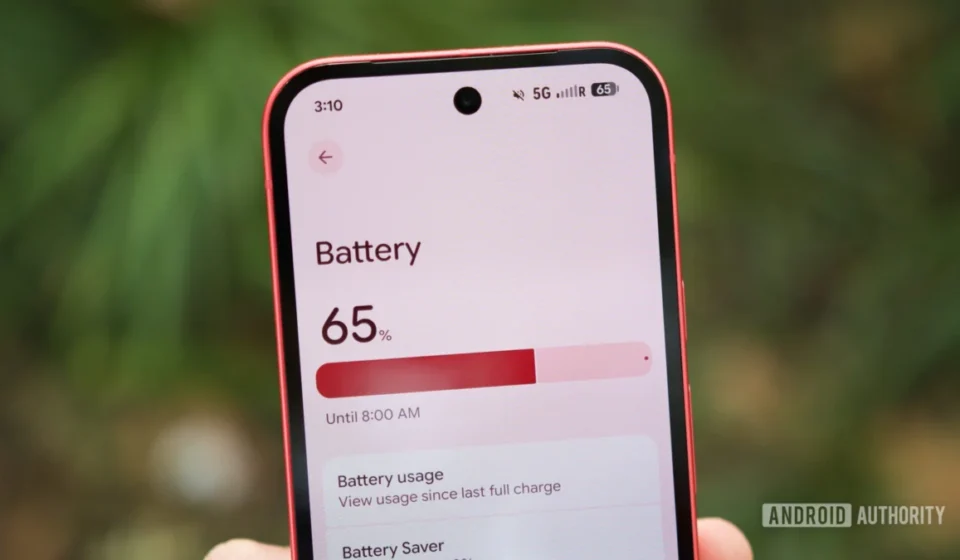
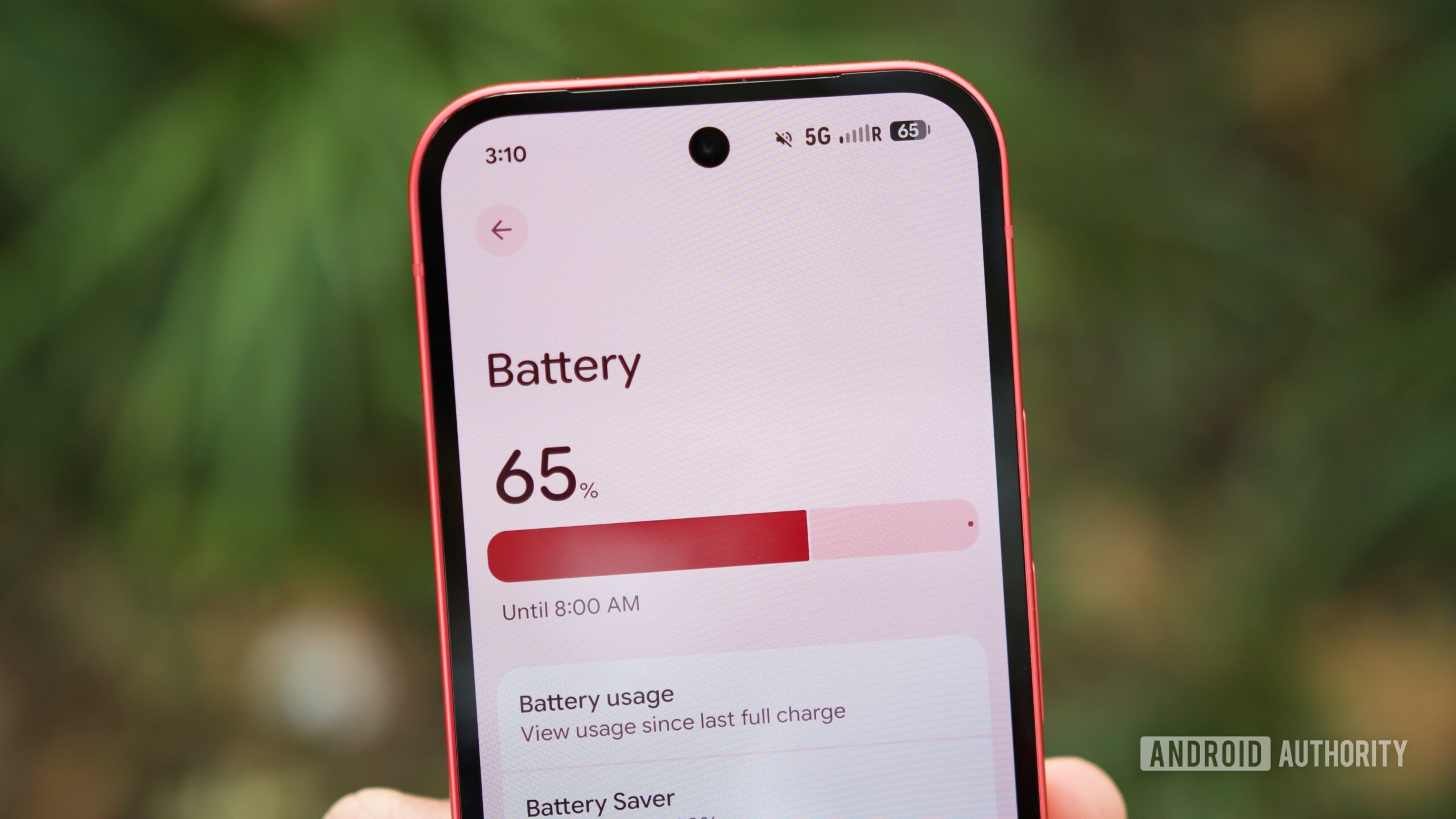
The core functionality of the Battery Usage Summary lies in its ability to condense intricate battery consumption data into an easily digestible format. Located prominently at the top of the Battery usage page within the device settings, this summary offers a quick glance at the phone’s recent power expenditure. For instance, a user might see a concise statement indicating that approximately 15% of the battery has been utilized, accompanied by an intelligent assessment that this consumption is "more than usual for that time of day." Crucially, the summary doesn’t stop at mere observation; it immediately identifies the primary culprits behind the drain, such as specific applications like WhatsApp and Google in a recent user-shared example, allowing users to pinpoint and address power-hungry apps without extensive manual investigation.
Unpacking the New Feature: A Deeper Dive into Battery Insights
While Pixel phones have historically offered robust battery monitoring tools, including detailed graphs illustrating usage over time and granular breakdowns of app-specific power consumption, the new Battery Usage Summary introduces an interpretive layer that was previously absent. Traditional battery statistics, while comprehensive, often require a certain level of technical understanding or patience to fully comprehend. Users might spend time navigating through lists, comparing percentages, and attempting to infer the cause of unexpected drain. The AI-powered summary eliminates this guesswork, acting as an intelligent assistant that processes the raw data and presents conclusions in natural language.
This proactive summary is designed to be highly contextual. It doesn’t just report static numbers; instead, it leverages historical data to establish a baseline of "usual" battery behavior for the individual user. By comparing current consumption against this personalized average, the feature can intelligently flag anomalies. If a particular application suddenly begins consuming an unusual amount of power in the background, or if overall battery drain accelerates beyond typical patterns for a given period, the summary will highlight this deviation. This capability moves beyond passive data presentation to active, intelligent flagging, empowering users to intervene promptly when an issue arises, potentially preventing significant battery depletion or identifying misbehaving applications.
A Chronology of Discovery and Official Rollout
The journey of the Battery Usage Summary feature from concept to deployment has been a testament to the iterative development process in the tech industry. The first public indication of this innovative feature emerged approximately two weeks prior to its current rollout. Android Authority, a prominent technology publication, initially spotted the feature under development during an APK teardown. This process involves examining the code of an application package (APK) to uncover upcoming or hidden functionalities. At that time, while the interface for the Battery Usage Summary was accessible, it was not yet fully functional, indicating that Google engineers were still refining its capabilities.
The subsequent confirmation of the feature’s operational status came from real-world usage. A screenshot shared by Telegram user @avasthiamit provided concrete evidence of the summary appearing and functioning as intended on a Google Pixel device. This user-generated content served as a crucial bridge between developer insights and actual product availability, signaling that the feature was nearing or had entered a live deployment phase.
Shortly thereafter, Google officially acknowledged the new capability by updating its dedicated Pixel support page with detailed information regarding Battery Usage Summaries. This official documentation provided a comprehensive overview of the feature’s purpose, its operational mechanics, and its availability parameters. The updated support page solidified the information, moving it from speculative findings to officially supported functionality, confirming that the rollout was indeed underway for eligible devices. This phased approach, from initial code discovery to user sighting and official documentation, is characteristic of how major software updates are introduced to the market.
The Evolution of Pixel Battery Management: A Historical Context
The introduction of Battery Usage Summaries is not an isolated event but rather the latest evolution in Google’s long-standing commitment to optimizing battery life and providing users with better control over their device’s power. Throughout the history of Android, battery management has been a critical focus, with Google consistently introducing new features and enhancements to address one of the most persistent pain points for smartphone users: limited battery longevity.
Key milestones in this evolution include the introduction of "Doze" mode with Android 6.0 Marshmallow. Doze intelligently puts apps into a deep sleep state when the device is stationary and not being actively used, significantly reducing background power consumption. This was followed by "App Standby" in the same release, which limits the network and CPU usage of infrequently used apps.
Perhaps even more pertinent to the current innovation is "Adaptive Battery," which debuted with Android 9 Pie. Adaptive Battery employs on-device machine learning to predict which apps the user will use in the next few hours and which they won’t, dynamically restricting battery access for less frequently used applications. This feature learns individual usage patterns over time, becoming more effective the longer a device is used.
The Battery Usage Summary builds upon these foundational technologies by adding an intelligent interpretive layer. While Adaptive Battery and Doze work largely in the background to optimize power, the new summary feature brings this intelligence to the forefront, making the results of these optimizations, or the lack thereof, transparent and understandable to the user. It represents a shift from purely automated optimization to an intelligent partnership between the device and its owner, where AI facilitates better user decision-making regarding battery health. This continuous effort underscores Google’s recognition that effective battery management is paramount to a satisfactory smartphone experience, especially as device capabilities and processing demands continue to grow.
The AI Core: Gemini Nano at the Helm
A pivotal aspect of the Battery Usage Summary’s advanced functionality is its reliance on Gemini Nano, Google’s cutting-edge on-device artificial intelligence model. The integration of Gemini Nano is not merely a branding exercise; it is fundamental to how the feature processes complex data and generates insightful summaries. Our teardown of the APK had already indicated that Gemini Nano would be instrumental in generating these summaries locally on the device, a detail now implicitly confirmed by Google’s support documentation requiring the latest version of AI Core.
The choice of on-device AI, rather than cloud-based processing, carries significant advantages. Firstly, privacy is enhanced, as sensitive user data pertaining to app usage and battery consumption never leaves the device. This local processing minimizes the risk of data breaches and aligns with a growing industry trend towards greater data sovereignty for users. Secondly, on-device AI offers superior speed and responsiveness. The analysis and summary generation occur almost instantaneously, without the latency associated with sending data to and from cloud servers. This ensures that the Battery Usage Summary is always up-to-date and immediately available when the user accesses the settings.
Furthermore, leveraging Gemini Nano for this task exemplifies Google’s broader strategy of deeply integrating its AI capabilities into core device functionalities. Gemini Nano is designed to perform a wide array of AI tasks directly on the smartphone, from summarizing text to generating intelligent responses, and now, to intelligently interpreting battery data. This integration transforms raw data into understandable narratives, making the device not just a tool, but an intelligent companion that assists in maintaining its own health. The requirement for the latest version of AI Core underscores the computational demands and sophisticated algorithms at play, ensuring that the summaries are not just simple averages but nuanced interpretations of usage patterns and deviations.
Broader Implications for Users and the Pixel Ecosystem
The Battery Usage Summary feature holds significant implications for both Pixel users and Google’s strategic positioning in the highly competitive smartphone market. For users, the primary benefit is an undeniably enhanced user experience. Battery drain has long been a source of frustration, leading to anxiety about device longevity and often requiring laborious troubleshooting. By providing clear, immediate, and actionable insights, the new summary feature significantly reduces this friction. Users can now quickly understand why their battery is draining, allowing them to make informed decisions – whether that means closing a background app, adjusting usage habits, or identifying a problematic app update.
This proactive approach to battery health contributes to overall device longevity. By helping users identify and mitigate issues early, it can prevent scenarios where consistent, unchecked battery drain leads to long-term degradation of the battery’s capacity. In an era where sustainability and extending the lifespan of electronics are increasingly important, tools that empower users to better maintain their devices are highly valuable.
From Google’s perspective, this feature reinforces the Pixel brand’s identity as a leader in intelligent, user-centric smartphone experiences. By showcasing practical, beneficial applications of AI directly on the device, Google differentiates its offerings from competitors. While other manufacturers offer battery statistics, the AI-driven interpretive layer of the Battery Usage Summary positions Pixel phones as more intuitive and helpful. It serves as a tangible example of how Google’s investment in AI translates into real-world advantages for its users, strengthening the appeal of the Pixel ecosystem. This also sets a precedent for how future AI features might be integrated, moving beyond mere novelty to genuinely useful, problem-solving applications that enhance daily interaction with the device.
Industry Trends and the Future of Smartphone Power Management
The introduction of the AI-powered Battery Usage Summary aligns with several overarching trends in the smartphone industry and technological development. Firstly, the "AI Imperative" dictates that all major technology companies are heavily investing in artificial intelligence. This feature is a tangible manifestation of Google’s commitment to integrating AI into the very fabric of its hardware and software offerings, transforming abstract AI research into concrete user benefits.
Secondly, there is a growing emphasis on "on-device AI." While cloud-based AI offers immense processing power, on-device AI provides advantages in terms of privacy, speed, and the ability to function without a constant internet connection. As mobile processors become more powerful and efficient, the trend towards offloading more AI tasks to the device itself is likely to continue, leading to more responsive and secure user experiences. Google’s deployment of Gemini Nano for this feature is a clear indicator of this strategic direction.
Furthermore, this development reflects a broader shift towards "user empowerment" through intelligent tools. Instead of simply presenting raw data, modern interfaces are increasingly designed to interpret that data and offer actionable advice. This approach reduces cognitive load for the user and makes complex technological features more accessible and beneficial. The Battery Usage Summary is a prime example of this philosophy, turning a potentially overwhelming array of numbers into a clear narrative that guides user action.
Looking ahead, such AI-driven battery management features could evolve further. Future iterations might include predictive battery life estimates that are even more accurate based on learned usage patterns, automated suggestions for power-saving measures tailored to individual habits, or even more granular AI insights into specific app behaviors that consume power in unexpected ways. The potential for AI to personalize and optimize the smartphone experience, particularly concerning critical aspects like battery life, is vast and the Battery Usage Summary feature is a strong indicator of this exciting trajectory. It underscores a future where our devices don’t just perform tasks, but intelligently assist us in managing their own performance and longevity.
Availability and Accessibility
Google has stated that the Battery Usage Summary feature is specifically available on the Pixel 10 and later devices. This exclusivity to newer models suggests that the feature likely leverages advanced hardware capabilities, particularly the Tensor processing unit (TPU) found in Pixel chips, which is optimized for AI workloads. Gemini Nano, being an on-device AI model, would benefit immensely from such specialized hardware to perform its analyses efficiently without compromising overall device performance.
For eligible users, the feature is designed for seamless integration: it turns on automatically once it becomes available on their device, provided they have the latest version of AI Core installed. This automatic activation simplifies the user experience, eliminating the need to manually enable new settings. While currently restricted to the Pixel 10 series and beyond, the success and positive reception of such an intuitive feature could potentially influence future software updates for older Pixel models, or even inspire similar implementations across the broader Android ecosystem, depending on hardware compatibility and Google’s strategic decisions regarding wider adoption.
In conclusion, Google’s introduction of the AI-powered Battery Usage Summary feature for Pixel 10 and later devices represents a significant step forward in smartphone battery management. By leveraging Gemini Nano and on-device AI, Google is transforming complex battery data into clear, actionable insights, empowering users to better understand and control their device’s power consumption. This innovation not only enhances the user experience and promotes better battery health but also reinforces Google’s position at the forefront of integrating practical artificial intelligence into everyday technology, setting a new benchmark for intelligent smartphone functionality.