Fortnite Chapter 7: The Biggest Reset Since Chapter 3 – Esports News Network

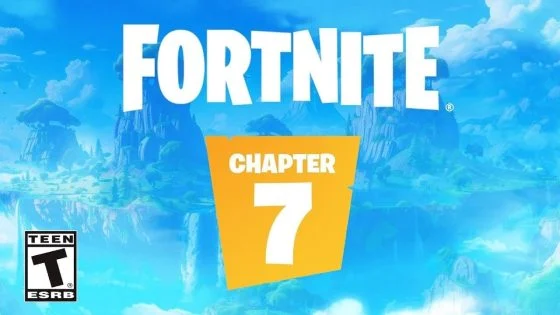
Epic Games is poised to launch Fortnite Chapter 7 on November 29, 2025, signaling what industry analysts and early leaks suggest will be a comprehensive structural reset for the globally dominant battle royale title. This monumental update, hinted at through new coordinate drops to content creators, a pervasive Hollywood-themed concept, significant terrain alterations, and an anticipated fresh wave of high-profile collaborations, positions Chapter 7 as potentially one of the most ambitious overhauls in the game’s illustrious history. The strategic timing and scope indicate Epic’s intent to not merely refresh content but to fundamentally re-engineer core aspects of the game, aiming to captivate both its massive casual player base and its dedicated competitive community.
Anticipating a Cinematic Landscape: The Hollywood-Inspired Map Redesign
The most prominent indicator of Chapter 7’s direction comes from the new coordinates disseminated to a select group of prominent Fortnite content creators. These coordinates point directly to a simulated Hollywood Hills area, strongly suggesting a West Coast aesthetic for the new island. Initial imagery and internal communications circulating within the community indicate a distinctive blend of environmental zones, featuring expansive desert regions, multi-lane urban roads, vertically integrated city blocks, and elaborate cinematic set pieces. This design philosophy is expected to imbue the new island with a strong visual identity, characterized by Points of Interest (POIs) resembling film studios, distinct themed districts, and dynamic, set-based locations that are anticipated to evolve dramatically throughout the season, mirroring the production cycles of a major motion picture.
Compared to the often-criticized fragmented and sometimes visually inconsistent map of Chapter 6, Chapter 7’s design appears to prioritize clarity and readability. Epic Games seemingly aims for an island layout that facilitates better rotations, minimizes "dead zones" where player encounters are rare, and introduces more layered, tactical combat spaces. This approach reflects a conscious effort to enhance the flow of gameplay, ensuring that every area of the map offers strategic value and contributes to a more engaging player experience. Historically, major map changes in Fortnite, such as the transition from Chapter 1 to Chapter 2 or the recent ‘OG’ season which brought back elements of the original map, have consistently driven significant spikes in player engagement and concurrent user numbers, sometimes seeing millions of players return or log in simultaneously. Chapter 7’s ambitious redesign seeks to replicate and even surpass these engagement metrics by delivering a truly transformative world.
Under the Hood: Major Gameplay Shifts in Testing
Beyond the visual transformation, datamined files and early discussions within competitive circles reveal that several significant mechanical changes are currently undergoing evaluation. Movement mechanics, a perennial focus for player feedback, are slated for a substantial upgrade. Rumors suggest the introduction of faster momentum when traversing slopes, a change that could drastically alter traversal strategies and combat initiation. Furthermore, new context-based parkour actions are reportedly being tested, potentially allowing players unprecedented fluidity in navigating the complex new terrain. These changes would build upon Epic’s continuous evolution of movement, from the introduction of tactical sprinting and mantling in Chapter 3 to various traversal items, aiming for a system that feels both responsive and rewarding.
The update is also rumored to introduce several new items, many of which are expected to be "cinematic gadgets" directly tied to the chapter’s overarching theme. While specifics remain under wraps, these gadgets could range from unique traversal tools inspired by movie stunts to utility items that create dynamic environmental effects, further enhancing the Hollywood illusion. The loot pool, a critical component of gameplay balance, is expected to undergo a more comprehensive reset than typically seen between seasons. Competitive players, in particular, are anticipating a day-one split between casual and ranked playlists, featuring finely tuned spawn rates and a more reliable early-game experience. This addresses long-standing community desires for greater consistency and fairness, particularly in competitive environments where early-game randomness can disproportionately influence match outcomes. This strategic separation aims to cater to diverse player preferences, allowing casual players to enjoy thematic and experimental items, while competitive players benefit from a more predictable and skill-centric loot economy.
A Cultural Phenomenon: The Collab-Heavy Battle Pass
The initial teasers for Chapter 7 strongly hint at an unprecedented number of major entertainment licenses being integrated into the upcoming Battle Pass. Online discussions and cryptic references point towards collaborations spanning iconic Quentin Tarantino films, beloved classic cartoons, and several long-requested franchises that have been fan favorites for years. This strategic embrace of mainstream culture positions Chapter 7 to lean into popular zeitgeist more heavily than any chapter since the hugely successful Marvel-themed Chapter 2, Season 4.
Epic Games has refined its strategy over the years to position chapter launches not merely as routine content updates but as significant cultural events. Past collaborations with global franchises like Marvel, Star Wars, Naruto, and various musical artists have proven immensely successful, not only generating substantial revenue through Battle Pass sales and cosmetic purchases but also significantly expanding Fortnite’s reach into new demographics. These crossovers often result in viral moments, extensive media coverage, and a surge in player activity, reinforcing Fortnite’s status as a metaverse platform where different worlds converge. By aligning Chapter 7 with a broad, universally appealing Hollywood theme and securing multiple high-profile intellectual property integrations, Epic aims to create a monumental cultural moment that transcends the typical gaming news cycle. This approach is designed to attract lapsed players, entice new audiences, and solidify Fortnite’s position as a central hub for entertainment and social interaction.
The Competitive Imperative: Reshaping Fortnite Esports
For the professional Fortnite scene, Chapter 7 represents a critical juncture. Epic Games is concurrently preparing for a fresh Fortnite Champion Series (FNCS) cycle, and Chapter 7 is strategically designed to serve as a clean break from the established meta of Chapter 6. The anticipated changes—fewer random chest spawns, a more consistent distribution of mobility options across the map, and a refined scoring system that specifically rewards mid-game action—are poised to profoundly reshape the esports landscape in the early months of 2026.
The competitive community has long advocated for a more balanced island, characterized by predictable rotation routes, fairer loot distribution, and more consistent endgame setups. The randomness inherent in certain previous chapters often led to situations where skill could be overshadowed by luck, a point of contention among professional players and analysts. Chapter 7 appears to directly address these concerns, with its design philosophy focusing on creating an environment where strategic decision-making, mechanical skill, and consistent performance are paramount. This move towards a more predictable and skill-expressive competitive environment is expected to elevate the integrity of FNCS tournaments, making them more engaging for both participants and viewers. Competitive analysts suggest that such a foundational reset could revitalize the esports scene, attracting new talent and fostering a more dynamic and less RNG-dependent meta. The commitment to a balanced island with predictable routes and fairer endgame setups makes Chapter 7 one of the most significant updates for Fortnite esports in recent years, demonstrating Epic’s responsiveness to its dedicated competitive player base.
The Road Ahead: Timeline and Anticipated Reveals
The lead-up to Chapter 7’s launch on November 29, 2025, will follow Epic Games’ established marketing playbook for major updates. Players can anticipate the rollout of the first official teasers in the weeks preceding the launch, typically through cryptic in-game events, social media posts, and collaborations with prominent content creators. These teasers often build narrative suspense and provide glimpses into the new chapter’s lore and mechanics. Following this, the Chapter 6 finale event will take place, serving as a climactic conclusion to the current storyline and often involving interactive, world-altering experiences that transition the game into a period of downtime.
The customary period of server downtime will precede the official launch, during which Epic Games implements the massive update. The full reveal trailer, a highly anticipated event, is expected to showcase both the dramatically redesigned terrain and the overarching cinematic theme of the season, providing players with their first comprehensive look at the new world. Once the Battle Pass officially drops, the full scope of the promised crossovers and the precise layout of the new map will be unveiled, setting the tone for the entire 2025 to 2026 content cycle. The decisions made regarding the Battle Pass structure, the specific licensed characters, and the initial item pool will critically influence player engagement and the game’s cultural footprint for the foreseeable future.
Broader Implications: Fortnite’s Strategic Evolution
Fortnite Chapter 7 transcends the definition of a mere new season; it represents a strategic reset for the entire game. In an increasingly competitive battle royale market, where titles like Call of Duty: Warzone, Apex Legends, and PUBG continue to vie for market share, sustained innovation is paramount. Epic Games’ decision to undertake such an ambitious structural overhaul underscores its commitment to keeping Fortnite at the forefront of the gaming industry. This initiative is designed not only to refresh and re-engage its existing player base but also to attract new players who may have drifted away or never experienced the game’s unique appeal.
The focus on a cleaner, more readable map, coupled with significant gameplay enhancements and a strong cultural integration through collaborations, positions Fortnite to maintain its relevance and expand its influence. By addressing long-standing competitive concerns and simultaneously offering a compelling, narrative-driven experience for casual players, Epic aims to solidify Fortnite’s dual identity as both a top-tier esports title and a dynamic social platform. This strategic move is intended to push Fortnite into its next era, ensuring its continued growth and cultural dominance well beyond 2025, and further cementing its status as a multifaceted entertainment phenomenon. The success of Chapter 7 will be a critical determinant of Fortnite’s trajectory in the coming years, showcasing Epic Games’ vision for the future of interactive entertainment.