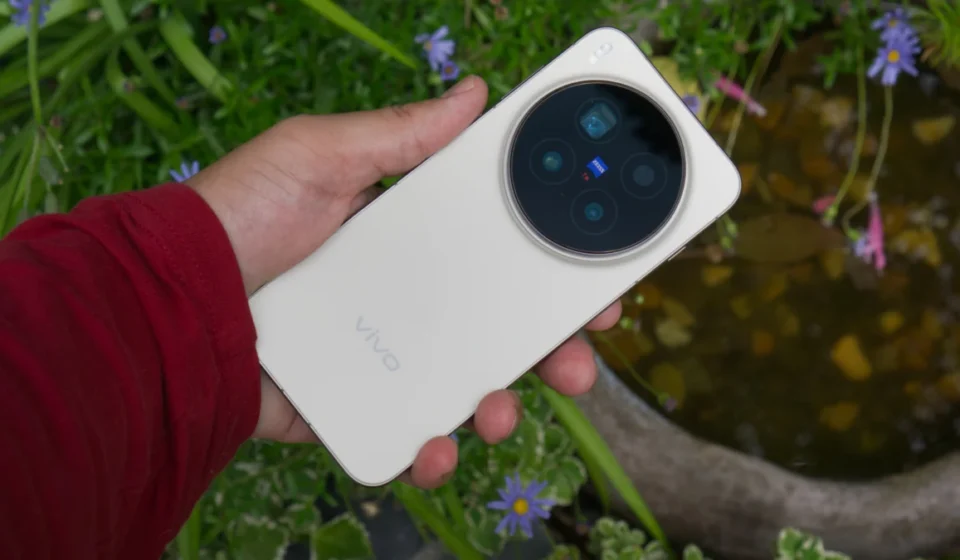
Vivo X500 Series Poised to Redefine Flagship Camera Expectations with Pro-Grade Technology in Standard Model

The smartphone industry is on the cusp of a significant shift in mobile photography, spearheaded by vivo’s ambitious strategy for its upcoming X500 series. Having cemented its reputation with the X300 Pro as a formidable contender in the high-end camera phone segment, vivo is now democratizing its cutting-edge imaging technology by integrating much of its Pro predecessor’s hardware into the standard X500 model. This move, confirmed by vivo’s product manager Han Boxiao ahead of the X500 series launch this month, signals a potential re-evaluation of what constitutes a "flagship" camera experience, offering consumers premium capabilities without necessarily requiring a jump to the most expensive tier.
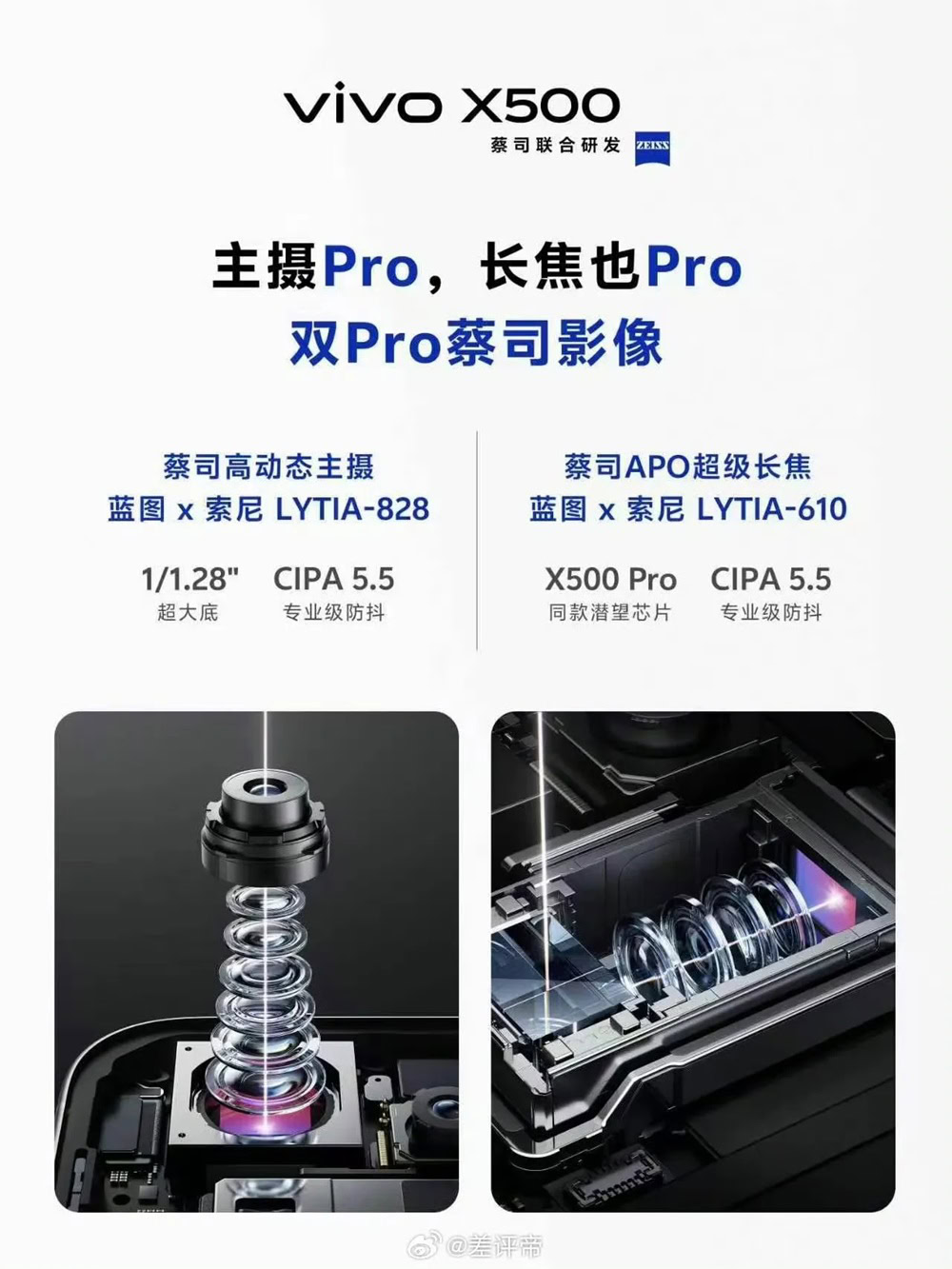
The core of this strategic enhancement lies in the X500’s main camera. The device will feature the highly regarded 50-megapixel Sony LYT-828 primary sensor, a 1/1.28-inch sensor that was previously a defining characteristic of the acclaimed X300 Pro. This large sensor size is crucial for superior light gathering, resulting in cleaner images with reduced noise, especially in challenging low-light conditions. A larger sensor also contributes to a more natural depth of field, often referred to as ‘bokeh,’ which is highly sought after in professional-grade photography. Accompanying this powerful sensor is CIPA 5.5 stabilization, a robust optical image stabilization (OIS) system designed to counteract camera shake, enabling sharper photos and smoother videos. The CIPA (Camera & Imaging Products Association) standard provides a measurable metric for stabilization effectiveness, with a 5.5-stop rating indicating a highly capable system that can compensate for significant movement. This integration means the standard X500 will inherit the same foundational main-camera hardware that propelled its Pro predecessor to critical acclaim and strong market performance.
Beyond the primary sensor, vivo is further elevating the X500’s imaging prowess by equipping it with a 64-megapixel Sony LYTIA-610 periscope telephoto sensor. This is the identical hardware slated for the more premium vivo X500 Pro, indicating a consistent commitment to high-quality zoom capabilities across much of the flagship lineup. Periscope telephoto lenses are a marvel of miniaturization, allowing for extended optical zoom ranges by orienting the lens elements horizontally within the phone’s body and using a prism to bend light into the sensor. This design minimizes the protrusion of the camera module while maximizing zoom potential. The LYTIA-610 sensor, combined with CIPA 5.5 stabilization, promises exceptional clarity and stability even at extended focal lengths. Furthermore, the X500’s telephoto module will support a 200mm ZEISS teleconverter, signifying a powerful optical zoom equivalent, and will be capable of recording 4K slow-motion video at an impressive 120 frames per second. This advanced video capability allows for dramatic cinematic effects, capturing fast-paced action in exquisite detail. Vivo’s explicit "dual Pro ZEISS imaging pitch" underscores its confidence in both the main and telephoto cameras meeting professional-level standards.
To fully appreciate the significance of these specifications being integrated into the standard X500, it is essential to contextualize the performance of its predecessor. The vivo X300 Pro currently holds the second position in DXOMark’s comprehensive smartphone camera rankings, boasting an impressive score of 171 points. DXOMark is an independent benchmark that rigorously tests and evaluates camera quality across a wide range of metrics, including exposure, color accuracy, autofocus, texture, noise, and stabilization, under various lighting conditions and use cases. While not the sole arbiter of camera quality, its detailed analysis and consistent methodology provide a valuable industry reference point. The X300 Pro’s high ranking places it just behind the HUAWEI Pura 80 Ultra, which leads the pack, and notably ahead of other premium devices such as Google’s Pixel 11 Pro XL, which scores 168 points. This narrow gap between the X300 Pro and the absolute top performers highlights the caliber of hardware now being moved into the standard X500, underscoring vivo’s commitment to delivering a truly high-end camera experience even in its non-Pro flagship.
This strategic pivot by vivo represents a significant shift in how smartphone manufacturers might segment their product lines. Traditionally, the most advanced camera technologies, particularly large main sensors and sophisticated periscope telephoto lenses, have been reserved for the "Pro," "Ultra," or "Max" variants of flagship series. These higher tiers typically command a substantial price premium, positioning their enhanced imaging capabilities as a primary differentiator. By making these features accessible in the standard X500, vivo is essentially blurring the lines between its tiers, offering what was previously considered exclusive "Pro-level" hardware to a broader audience at a potentially more accessible price point. This could force competitors to re-evaluate their own product strategies, potentially leading to a broader "trickle-down" effect of advanced camera technology across the industry.
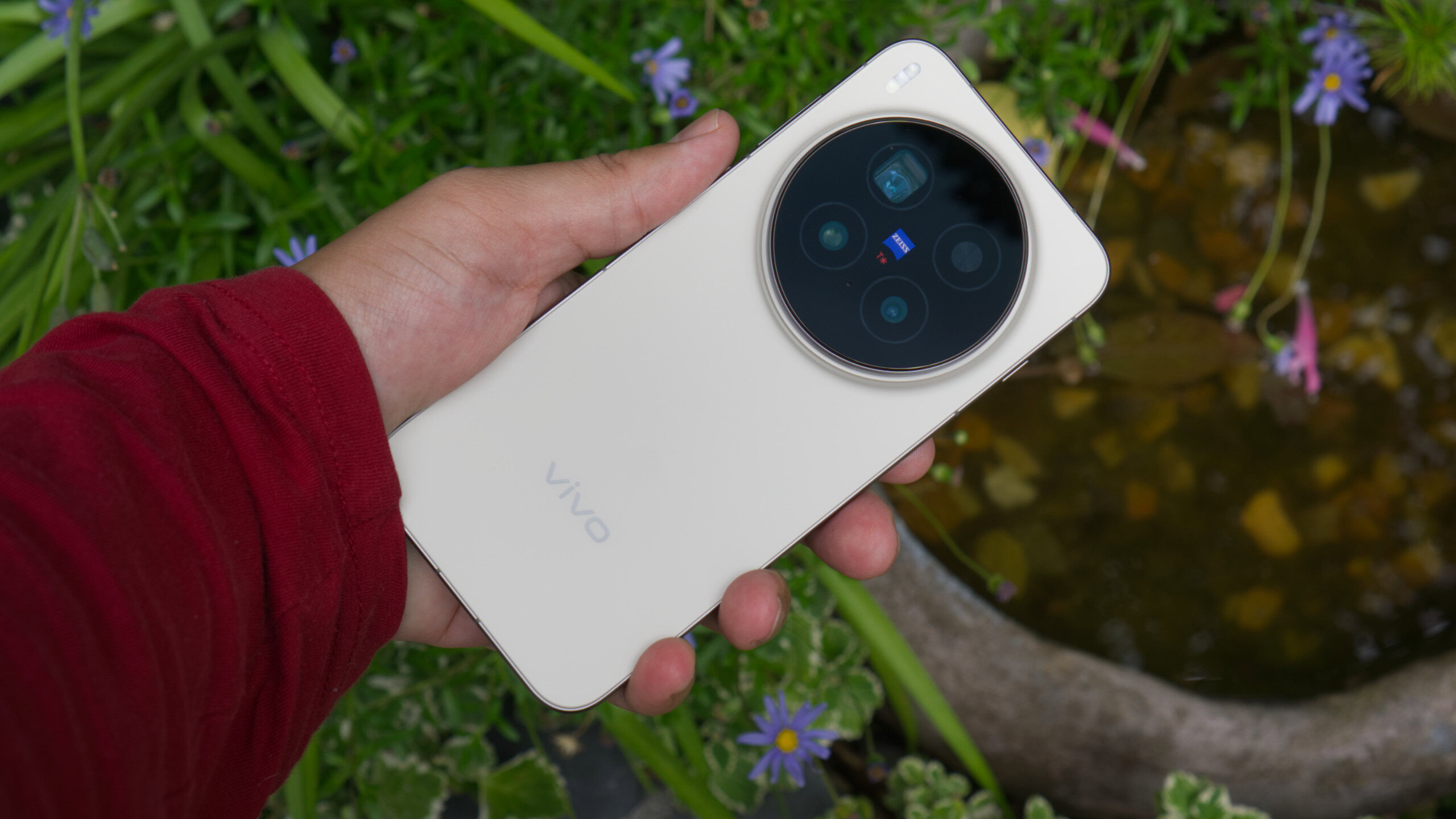
The history of smartphone camera innovation has been a relentless pursuit of capabilities once confined to dedicated cameras. From early megapixel races to the advent of optical image stabilization, multi-lens arrays, and computational photography, each generation has pushed the boundaries. Vivo, through its X-series, has consistently positioned itself at the forefront of this evolution, often emphasizing hardware innovation in conjunction with its partnership with ZEISS. The collaboration with ZEISS extends beyond merely using ZEISS-branded lenses; it encompasses co-engineered optical designs, specialized lens coatings (like ZEISS T* coating for reduced reflections), and contributions to image processing algorithms, including color science and various photographic styles. This deep collaboration has allowed vivo to deliver a distinct and highly acclaimed photographic signature.
Looking back, the X-series has evolved considerably. The X300 series, launched in November 2025 (as indicated by image timestamps), established a new benchmark for vivo’s imaging prowess, particularly with the X300 Pro’s advanced sensor and stabilization. Before that, earlier generations like the X200 and X100 series incrementally refined camera performance, often introducing innovations like gimbal stabilization systems that offered unprecedented smoothness in video recording. The consistent drive to integrate professional-grade features, often inspired by traditional photography equipment, has been a hallmark of vivo’s approach.
The broader implications of vivo’s strategy are multifaceted. For consumers, it signifies an enhanced value proposition. They may no longer need to "stretch" their budget for the absolute top-tier model to access truly exceptional camera performance. This democratization of technology can make high-quality mobile photography more accessible, driving greater satisfaction across a wider user base. For the industry, this move could trigger a ripple effect. Rival manufacturers such as Samsung, Xiaomi, and Apple, who also compete fiercely in the premium segment, may find themselves under pressure to similarly upgrade the camera capabilities of their standard flagship models to remain competitive. This could lead to an accelerated pace of innovation and feature integration in the mid-to-high-end smartphone market.
Moreover, vivo’s approach feeds into a larger industry discussion about the future of the "Ultra" tier in smartphones. There’s a growing sentiment that the "Ultra flagship era" might be ending or at least undergoing a redefinition. If "Pro" features become standard, what then distinguishes an "Ultra" model? The rumored X500 Pro Max, expected to sit above the X500 Pro, offers a potential answer: hyper-specialization. Reports suggest the Pro Max could feature an astonishing 200-megapixel 1/1.4-inch telephoto camera. This level of specification would take over the role once occupied by "Ultra" models, pushing the boundaries of niche, extreme performance rather than merely offering an incremental upgrade across all specifications. Such a move would allow vivo to maintain a distinct top-tier offering for photography enthusiasts seeking the absolute maximum in specific areas, while simultaneously elevating the baseline experience for its broader flagship audience.
Industry analysts are closely watching vivo’s bold strategy. "This is a calculated risk by vivo that could pay significant dividends," remarked tech analyst Dr. Elena Petrova. "By bringing such capable camera hardware to the standard X500, they are setting a new benchmark for what consumers should expect from a non-Pro flagship. It’s a clear statement that camera performance is no longer an optional premium add-on but a fundamental expectation across their flagship line." Another analyst, Mr. Kenji Tanaka, suggested, "This move could put considerable pressure on competitors, especially in markets where vivo has a strong presence. If consumers can get a top-tier camera experience without the ‘Pro’ price tag, it forces rivals to rethink their entire product segmentation and pricing strategies."
The technical prowess behind these components is also worth deeper exploration. The Sony LYT-828 sensor, part of Sony’s advanced LYTIA series, represents the pinnacle of mobile sensor technology, designed to maximize light capture and image fidelity within the constraints of smartphone form factors. Similarly, the LYTIA-610 telephoto sensor is optimized for clarity and detail retention at zoom levels that were previously unattainable without significant image degradation. The CIPA 5.5 stabilization rating, a testament to the sophistication of vivo’s optical engineering, directly translates to practical benefits for users, reducing blur in handheld shots and improving the fluidity of video recording, particularly important in dynamic environments or for content creators.
In conclusion, vivo’s decision to integrate the X300 Pro’s acclaimed main sensor and the X500 Pro’s advanced periscope telephoto into its standard X500 model marks a pivotal moment in the evolution of smartphone photography. This strategic shift not only enhances the value proposition for consumers but also sets a new competitive standard for the entire industry. By democratizing what was once considered "Pro-level" camera hardware, vivo is challenging the traditional tiered structure of flagship smartphones and potentially ushering in an era where exceptional mobile photography is a baseline expectation, rather than an exclusive privilege. The X500 series, launching this month, is poised to be a compelling example of this future, offering a potent blend of advanced sensors, robust stabilization, and the trusted ZEISS imaging partnership, making it a device worth talking about for its photographic capabilities from the ground up.