





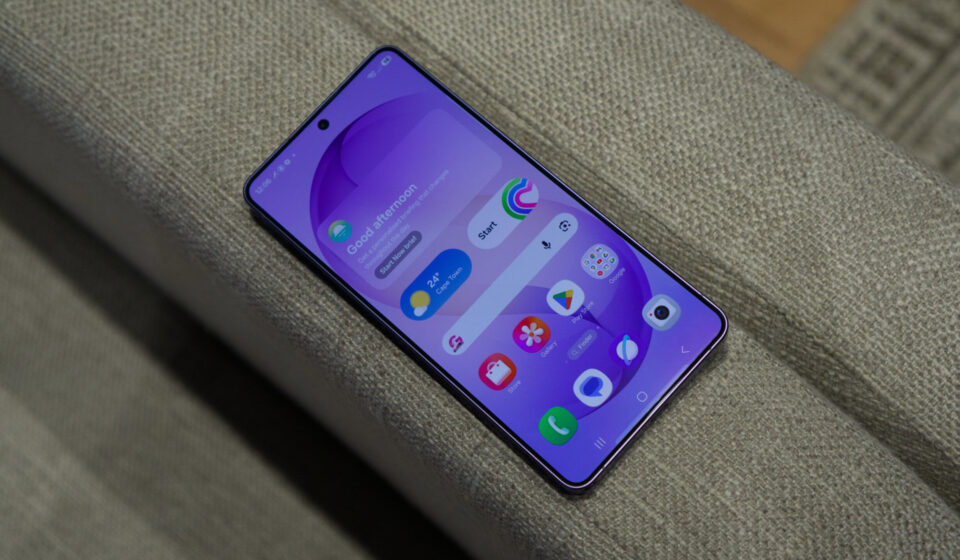
Samsung Galaxy S26 Ultra: A Generational Leap Redefining the Flagship Experience Beyond the S23 Ultra

Samsung’s Galaxy S series has historically navigated a delicate balance between incremental refinement and groundbreaking innovation. While year-over-year changes might appear subtle, the cumulative impact over several generations can transform the user experience entirely. The newly unveiled Galaxy S26 Ultra stands as a testament to this philosophy, presenting a compelling vision for the future of premium Android smartphones and positioning itself as a strong contender for the top spot among the best Android phones of 2026. For owners of the venerable Galaxy S23 Ultra, a device that once set benchmarks for performance and camera capabilities, the S26 Ultra offers more than just an upgrade; it promises a complete re-imagining of the flagship experience.
The S23 Ultra: A Foundation of Excellence and Its Eventual Sunset
Launched in early 2023, the Galaxy S23 Ultra was, in many respects, a pinnacle of smartphone engineering for its time. It brought significant improvements over its predecessors, notably addressing the thermal management issues that plagued the Galaxy S22 Ultra by featuring a globally uniform Snapdragon 8 Gen 2 for Galaxy chipset. This custom-tuned processor, alongside an advanced cooling system, delivered sustained high performance, crucial for demanding applications and gaming. Its headline feature, a 200MP primary camera, coupled with refined algorithms, elevated mobile photography, capturing intricate details previously unseen on a smartphone. Furthermore, its curved display, while aesthetically pleasing, was engineered to be far less prone to accidental touches, a common critique of earlier curved screens.
However, in the rapidly evolving technology landscape, even the most advanced devices have a finite lifespan. The Galaxy S23 Ultra is now approaching its "final stages of life" in terms of major software updates, having received three out of the four promised Android generation upgrades. Samsung’s commendable policy of providing four OS updates and five years of security patches has extended the utility of its flagships, yet the S23 Ultra will soon reach its limit, potentially missing out on future foundational Android features and critical security enhancements. Moreover, the hardware, particularly its processing capabilities, may begin to show signs of age, especially with Samsung’s aggressive pivot towards sophisticated on-device AI applications that demand ever-increasing computational power. This convergence of software obsolescence and hardware limitations makes the S26 Ultra a timely and logical successor for those seeking to stay at the forefront of mobile technology.
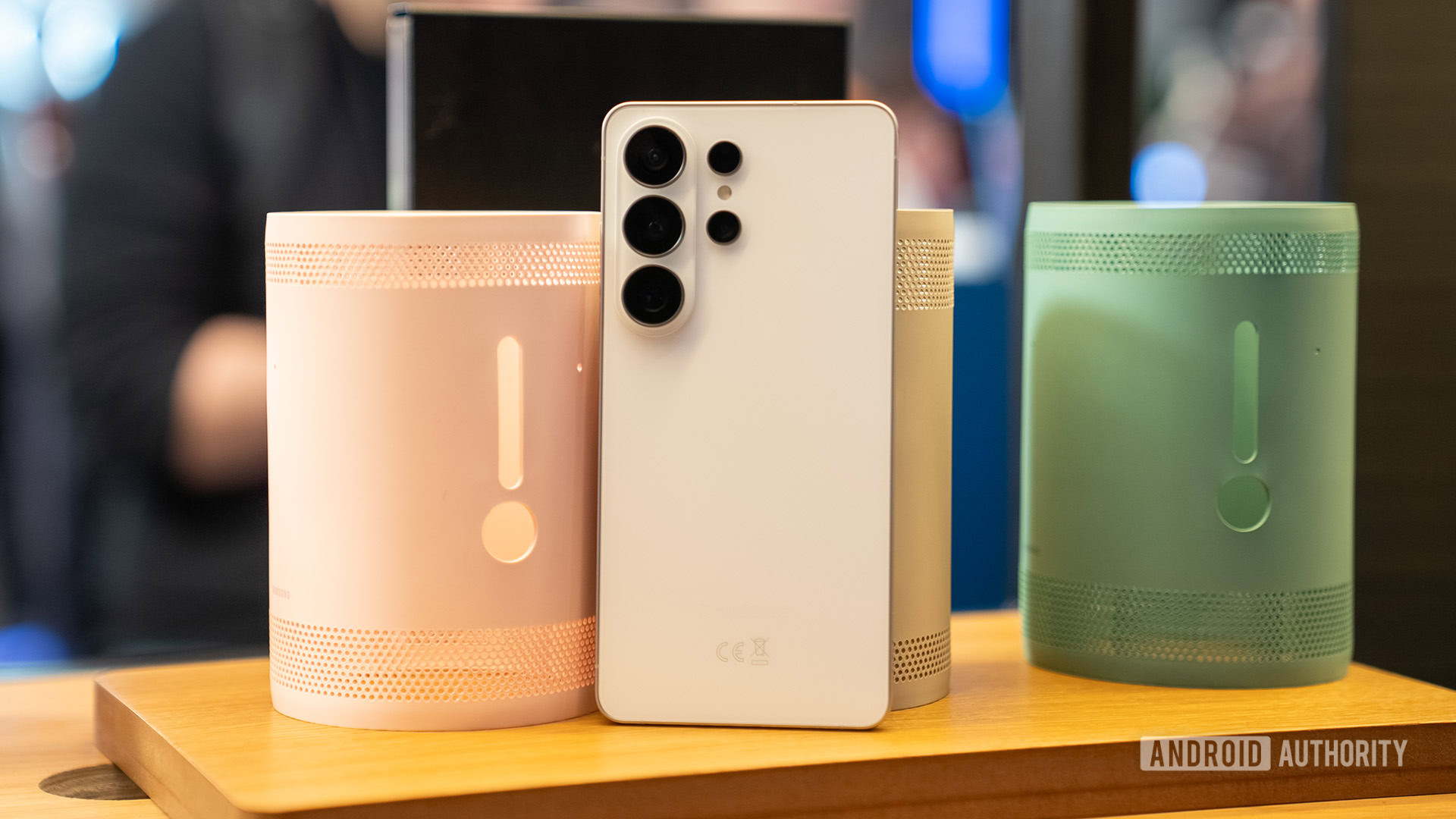
Redefining Visuals and Security: The S26 Ultra’s Advanced Display
One of the most transformative features of the Galaxy S26 Ultra is its groundbreaking Privacy Display. This innovation directly addresses a growing concern among smartphone users: the vulnerability of sensitive on-screen information to "shoulder surfers." Unlike conventional privacy screen protectors that merely obscure the display for off-angle viewing, the S26 Ultra’s privacy features are ingeniously "baked into" the display itself. This allows users to activate Privacy Display with a simple software toggle, selectively restricting parts of the screen or entire applications from onlookers. For instance, notifications or banking apps can be rendered opaque to anyone not directly viewing the screen, providing an unprecedented level of digital security in public spaces. Early leaks suggest this fascinating technology might involve advanced sub-pixel manipulation or integrated micro-polarizers, allowing dynamic control over light emission and viewing angles without compromising the primary user’s experience. This proactive approach to digital privacy reflects a broader industry trend towards enhancing user control over personal data and visibility, positioning Samsung at the forefront of display security.
Beyond its revolutionary privacy capabilities, the S26 Ultra’s display also boasts significant advancements in visual fidelity. Samsung has finally transitioned to 10-bit displays, a crucial upgrade that unlocks a wider color gamut and significantly enhances color accuracy and depth. This move is particularly impactful for media consumption, gaming, and professional content creation, where vibrant, true-to-life colors are paramount. Compared to the 8-bit displays of previous generations, the 10-bit panel can render over a billion colors, leading to smoother gradients and more nuanced imagery. This upgrade is expected to resolve a long-standing issue of "banding" – the appearance of rectangular artifacts in color gradients – that occasionally affected Samsung’s AMOLED panels, especially in darker scenes.
Furthermore, the S26 Ultra’s display reaches an astonishing peak brightness of 3,000 nits, a substantial leap from the S23 Ultra’s 1,750 nits. This increased luminosity dramatically improves outdoor visibility, making the screen easily readable even under direct sunlight, and enhances the viewing experience for HDR content, delivering more impactful highlights and contrast.
In a notable design shift, the Galaxy S26 Ultra features a completely flat display. While the S23 Ultra’s curved edges offered a sleek aesthetic and a comfortable swipe gesture, a segment of users consistently expressed a preference for flat screens due to perceived durability benefits, easier screen protector application, and reduced accidental touches. Samsung’s decision to embrace a flat panel on the S26 Ultra caters to this demand, balancing aesthetic appeal with practical functionality and potentially improving the overall user experience for many.
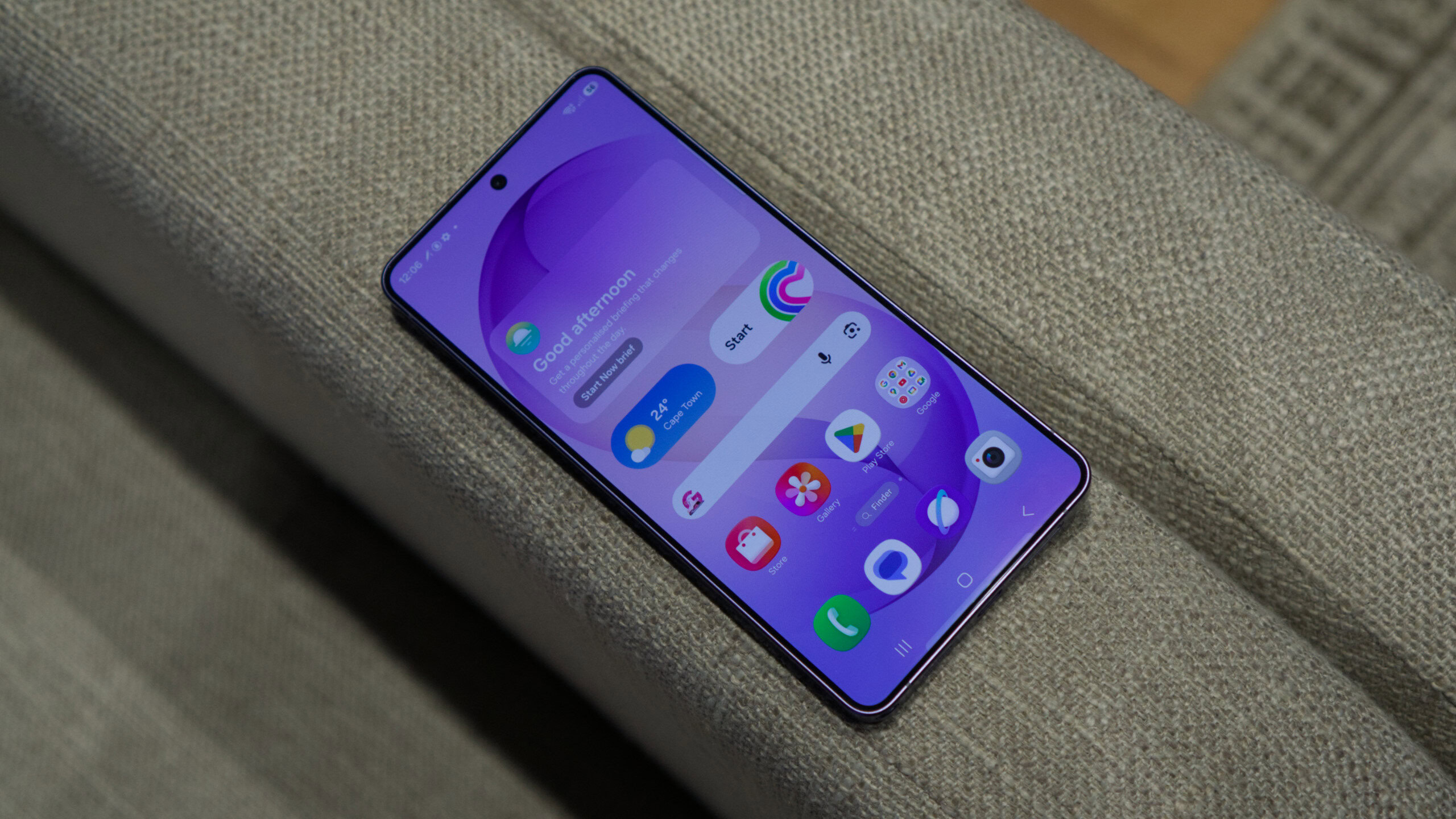
One UI 8.5 and the Zenith of Galaxy AI: A Software Renaissance
With the Galaxy S26 series, Samsung introduces One UI 8.5, an interface built upon the foundation of Android 16. While sharing its core operating system with One UI 8, the 8.5 iteration brings a substantial array of new features and refinements, placing artificial intelligence firmly at its core. This reflects Samsung’s strategic commitment to "Galaxy AI," an initiative launched with the S24 series, aimed at integrating advanced AI capabilities directly into the user experience.
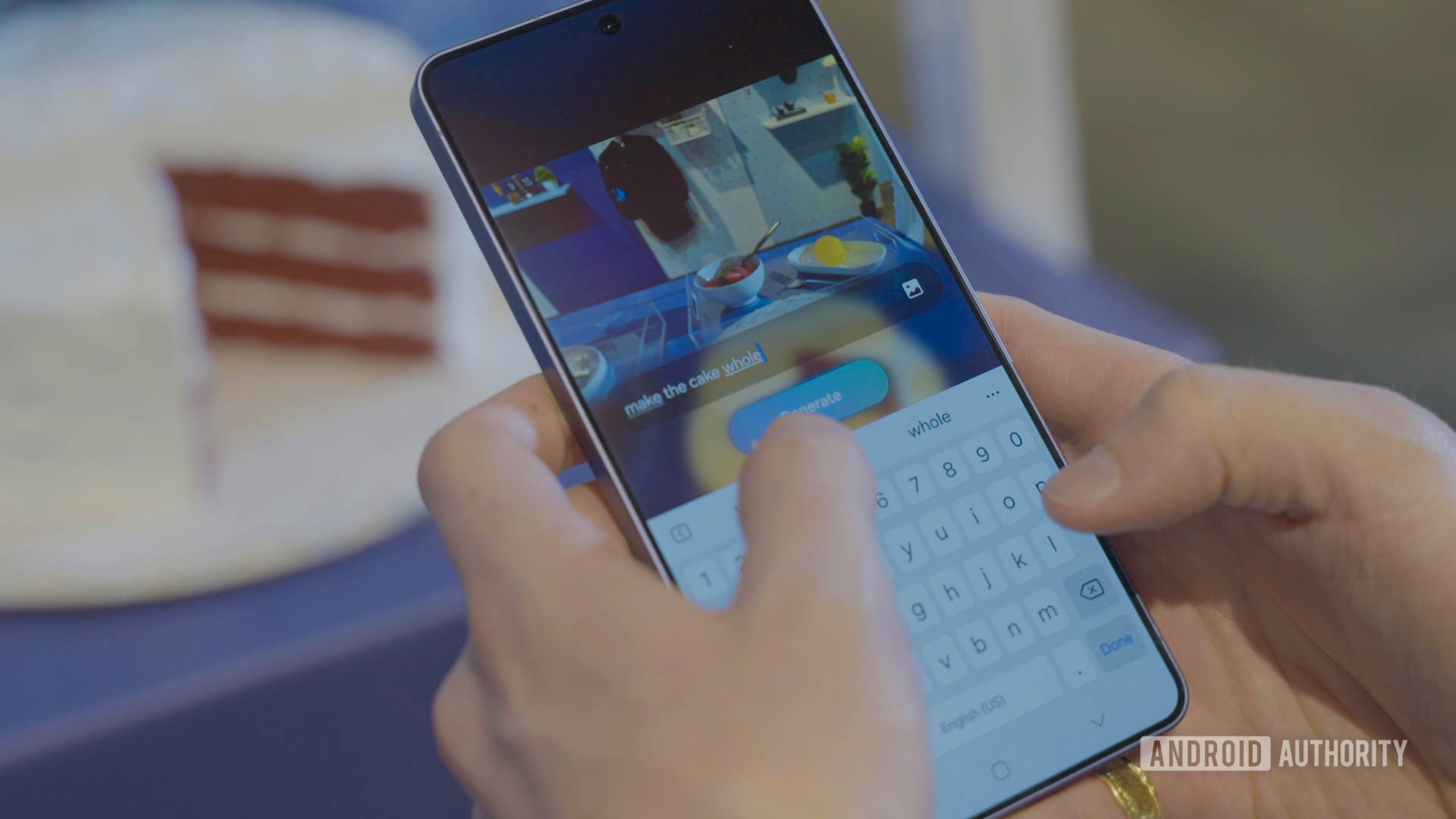
The new One UI 8.5 interface significantly enhances on-device media editing and productivity through a suite of AI-powered tools. "Photo Assist" empowers users to edit photos using intuitive text prompts, similar to Google Photos’ acclaimed "Help Me Edit" feature, allowing for complex alterations with simple commands. AI-enhanced document scanning intelligently removes common imperfections like intrusive hands or unsightly warped corners, ensuring clean and professional digital documents. "Creative Studio" facilitates the creation of custom sticker cutouts from photos, making them easily accessible through the Samsung Keyboard, adding a personalized touch to digital communication.
Samsung’s ambient intelligence features, Now Bar and Now Brief, have also gained significant utility. They can now proactively remember key events, even if they aren’t explicitly entered into a calendar, offering intelligent reminders and contextual information. This is complemented by "Now Nudge," a feature akin to Pixel’s "Magic Cue," which suggests intelligent responses to queries by automatically fetching relevant information from various apps, streamlining workflows and enhancing user interaction.
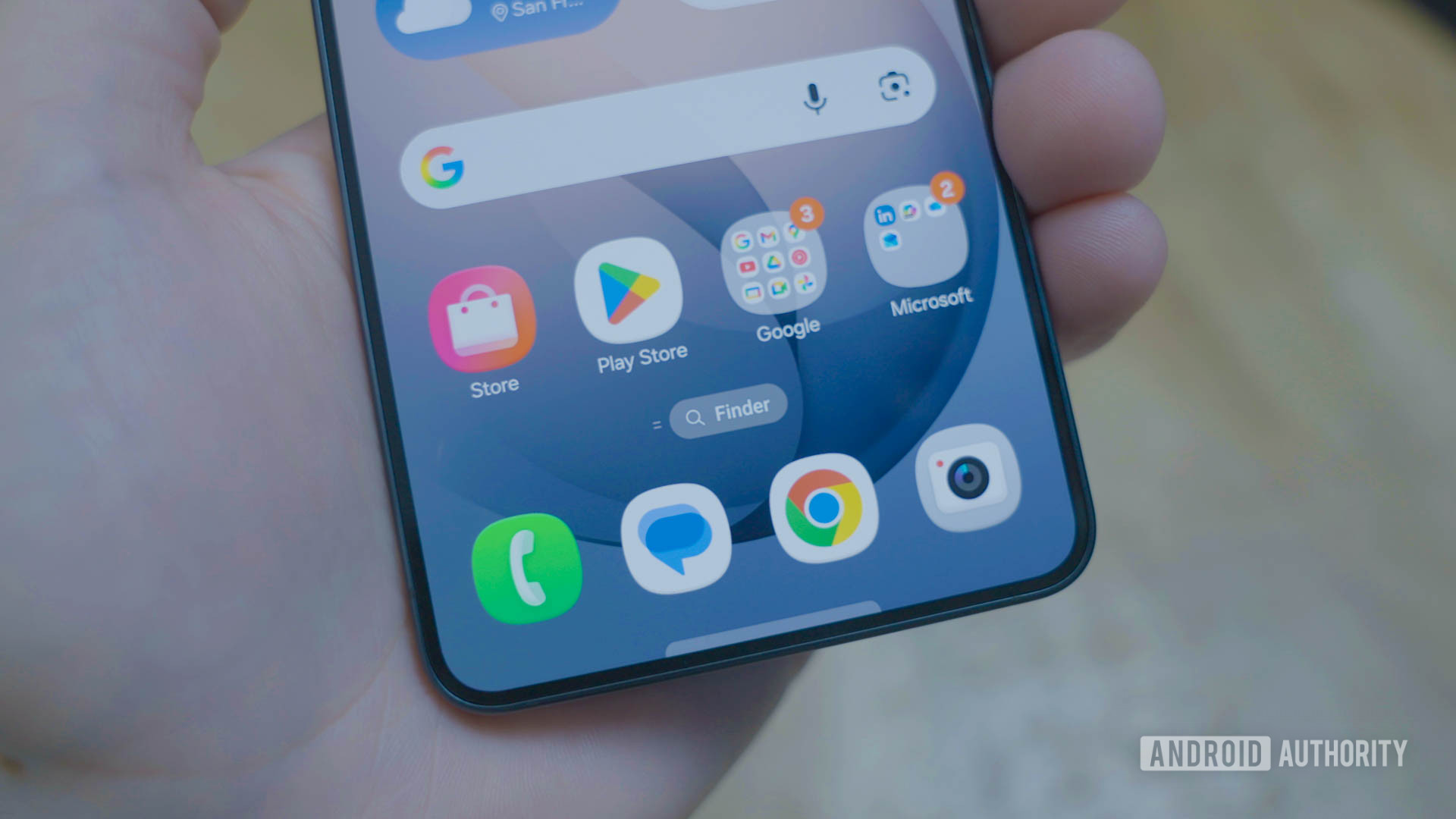
The search experience has been entirely revamped with One UI 8.5. A new search interface, accessible via a shortcut above pinned apps on the home screen (reminiscent of Apple’s Finder), allows for deep, system-level searches across the device. The acclaimed "Circle to Search" feature has also been enhanced to simultaneously search for multiple objects within a single image, offering more comprehensive visual information retrieval. A similar AI-powered search capability now extends to the Gallery app, enabling users to find specific screenshots based on their content, saving valuable time.
In a significant strategic move, Samsung’s proprietary AI assistant, Bixby, receives an AI-powered upgrade, indicating Samsung’s continued investment in its in-house solution. However, perhaps more tellingly, the Galaxy S26 series also introduces "Perplexity AI" as a second, powerful assistant. Perplexity is slated to power core AI functions across Samsung’s native applications, including Notes, Gallery, and Reminders. Crucially, Samsung asserts that Perplexity will operate as a system-level AI agent, capable of executing multi-step tasks, even those involving third-party applications. This dual-AI strategy, integrating both Bixby’s personalized insights and Perplexity’s expansive knowledge base and multi-modal capabilities, positions the S26 Ultra at the forefront of AI-driven mobile computing.
While the Galaxy S23 Ultra is expected to eventually receive One UI 8.5, it will be several months after the S26 Ultra’s launch. Furthermore, it remains to be seen which of these advanced AI features, particularly those requiring the latest neural processing unit (NPU) capabilities, will be fully compatible with older hardware, reinforcing the argument for upgrading to the S26 Ultra to experience the full breadth of Samsung’s AI vision.
Camera System: Refined Optics and Intelligent Imaging
For several generations, Samsung’s flagship cameras have faced scrutiny for seemingly minimal upgrades to their primary sensors. While the 200MP main sensor of the S26 Ultra might appear numerically similar to that of the S23 Ultra, a deeper dive reveals significant advancements across the entire camera system, particularly in optical design and computational photography.
The evolutionary path of Samsung’s telephoto lens is a key differentiator. With the Galaxy S24 Ultra, Samsung transitioned from a 10MP 10x optical telephoto to a 50MP sensor with a shorter 5x optical zoom. This decision, as confirmed by extensive testing, allowed the phones to capture significantly richer detail in the crucial 3x to 10x zoom range, even if it necessitated some software compensation for extreme distances. The Galaxy S26 Ultra continues this 5x telephoto strategy but enhances it with a wider f/2.9 aperture lens. This is a notable improvement over the f/3.4 aperture found in the Galaxy S25 Ultra, allowing substantially more light to reach the sensor, which translates to better low-light zoom performance and improved image quality in challenging conditions.
The primary 200MP camera also benefits from a crucial optical upgrade: a much wider f/1.4 aperture. Samsung claims this larger aperture results in a remarkable "47% more light" reaching the sensor compared to previous generations (e.g., S23 Ultra’s f/1.7 or f/1.8). This is not merely a theoretical improvement; in practical terms, a wider aperture allows for faster shutter speeds in dim conditions, reducing motion blur, and enables lower ISO settings, which minimizes image noise. The result is sharper, brighter shots during the day and dramatically improved night photography, with greater detail, dynamic range, and color accuracy in low-light environments.
Video performance on the S26 Ultra has also received considerable attention. Samsung claims significant improvements in stabilization, crucial for smooth, professional-looking footage even when shooting handheld. Additionally, "AI-enhanced framing" for 4K videos leverages the high-resolution 8K sensor to intelligently crop and stabilize footage, ensuring subjects remain perfectly framed without manual intervention. These video enhancements cater not only to professional videographers but also to casual users and content creators, making high-quality mobile video more accessible.
Unleashed Power: The Snapdragon 8 Elite Gen 5 Performance Core
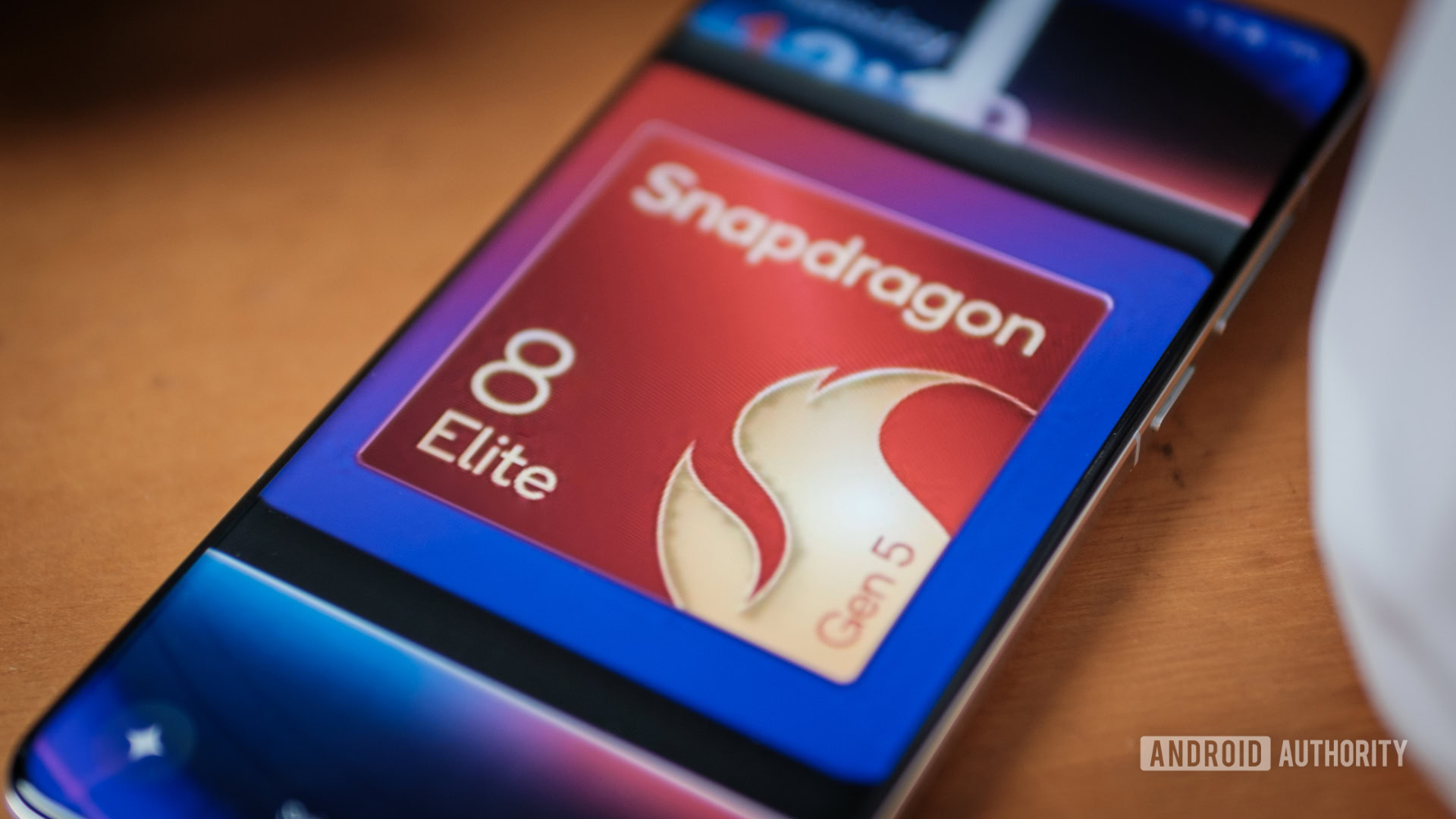
The most stark and immediately perceivable advantage the Galaxy S26 Ultra holds over the Galaxy S23 Ultra is its raw processing power. While the S23 Ultra featured the powerful Snapdragon 8 Gen 2 for Galaxy, the S26 Ultra makes a generational leap of three chipsets, integrating the cutting-edge Snapdragon 8 Elite Gen 5 globally. Unlike the base and Plus variants, which may feature Samsung’s Exynos 2600 in certain markets, the Ultra model consistently receives Qualcomm’s top-tier silicon, ensuring a uniform, premium performance experience worldwide.
The Snapdragon 8 Elite Gen 5 is fabricated on an advanced 3nm architecture, which inherently offers superior power efficiency and performance density compared to the 4nm process of the 8 Gen 2. This new chipset features Qualcomm’s custom Oryon large and middle cores, alongside significantly higher clock speeds across all processing units. Industry benchmarks for devices running the Snapdragon 8 Elite Gen 5 indicate substantial gains in both single-core and multi-core CPU performance, as well as a significant uplift in GPU rendering capabilities, making it ideal for the most demanding games and graphically intensive applications.
However, such immense power often comes with thermal management challenges. Previous generations of high-performance mobile chips have occasionally struggled with sustained workloads, leading to throttling and reduced performance. Samsung acknowledges these concerns and claims to have addressed them by "reconfiguring the heat sink for better thermal dissipation" in the S26 Ultra. This redesigned cooling system is critical for maintaining peak performance during extended gaming sessions, heavy multitasking, and particularly for the intensive on-device AI computations that are central to the S26 Ultra’s new features. The effectiveness of this thermal solution will be a key area of evaluation in real-world testing, but Samsung’s proactive approach suggests a commitment to delivering sustained, uncompromised performance.
Charging Innovation: Breaking the 45W Barrier
For several generations, Samsung’s Ultra phones, including the Galaxy S23 Ultra, have adhered to a conservative 45W wired charging speed. While reliable, this had placed them behind many competitors in terms of rapid power delivery. With the Galaxy S26 Ultra, Samsung finally steps up its game, enabling 60W wired charging.
This new charging protocol, dubbed "Samsung Fast Charging 3.0," is expected to leverage advanced standards like USB Power Delivery 3.1 and Programmable Power Supply (PPS). This allows for more intelligent and efficient power negotiation between the charger and the device, optimizing charging speed while maintaining battery health. The practical benefit is significant: Samsung states that the S26 Ultra can charge from 0 to 75% in just 30 minutes. This substantial increase in charging speed will be particularly beneficial for users who need a quick power boost before heading out, drastically reducing downtime.
In addition to faster wired charging, the Galaxy S26 Ultra also brings a welcome upgrade to its wireless charging capabilities, now supporting 25W, a notable step up from the 15W found on the Galaxy S23 Ultra. This enhancement makes wireless charging a more viable and convenient option for daily use.
However, one area where the S26 Ultra might disappoint some users is the continued absence of built-in magnets for latching onto chargers or supporting magnetic accessories. Unlike some competitors that have embraced magnetic ecosystems (e.g., Apple’s MagSafe), Samsung continues to rely on an array of magnetic cases as a substitute. This design choice, while potentially simplifying the internal design of the phone, limits native magnetic accessory compatibility and might be a point of consideration for users accustomed to such conveniences.
Refined Ergonomics and Enhanced Durability: The S26 Ultra’s Design Philosophy
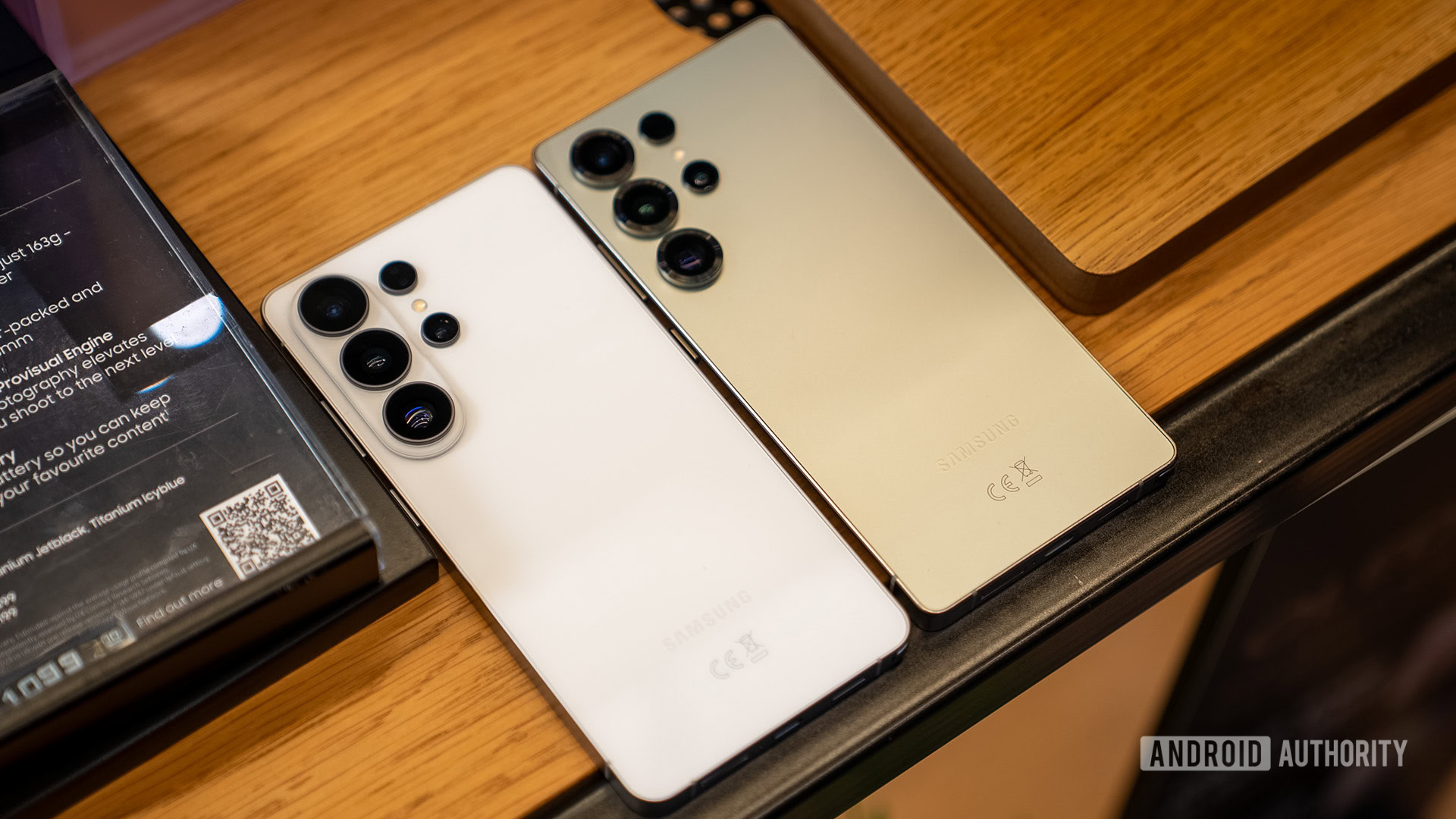
While design preferences are inherently subjective, Samsung has demonstrably worked over the past few generations to refine the physical form factor of its Ultra flagships, aiming for a more comfortable and ergonomic experience. The Galaxy S26 Ultra embodies this evolution, presenting a sleeker and more user-friendly design compared to its predecessor.
The S26 Ultra now weighs only 215 grams, a significant reduction of approximately 20 grams from the Galaxy S23 Ultra’s 234 grams. This difference is immediately noticeable in hand, contributing to a less fatiguing experience during prolonged use. Furthermore, Samsung proudly declares the S26 Ultra as its "slimmest Ultra" to date, measuring a mere 7.9mm thick. This is a full millimeter slimmer than the S23 Ultra’s 8.9mm profile, and even a noticeable reduction from the S25 Ultra’s 8.2mm chassis. These reductions in weight and thickness, combined with a re-evaluated balance, make the device feel substantially lighter and more manageable.
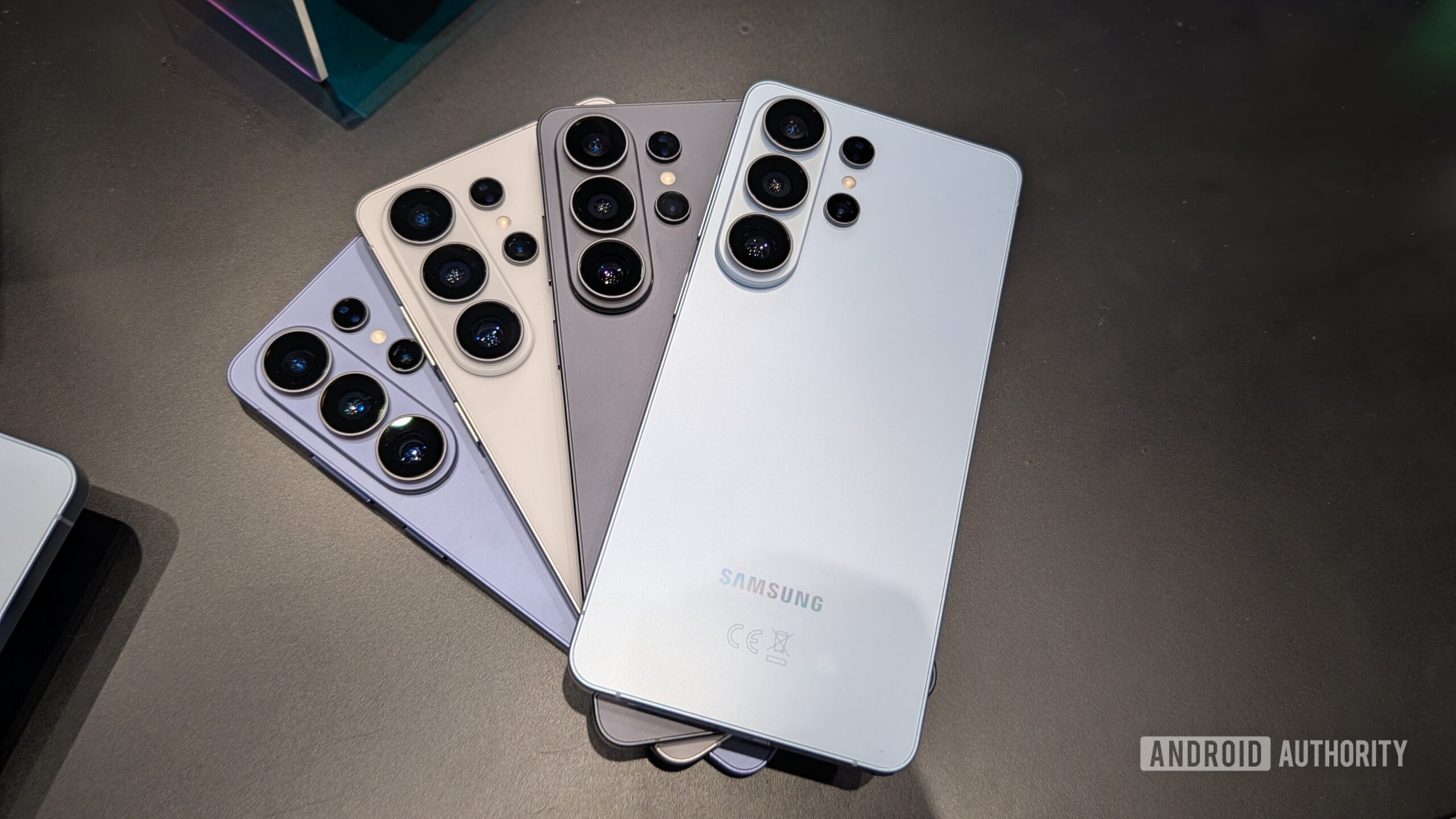
A particularly welcome ergonomic change for many users is the S26 Ultra’s transition to curved corners. The Galaxy S23 Ultra, while aesthetically sharp, featured relatively angular corners that could feel somewhat abrasive during extended periods of single-handed use. The S26 Ultra’s softer, curved corners alleviate this "biting effect," enhancing grip comfort and overall usability. This design evolution suggests Samsung is keenly listening to user feedback regarding the physical interaction with its devices.
Durability has also seen a significant boost. The front display of the Galaxy S26 Ultra is protected by the latest Gorilla Glass Armor 2, offering superior resistance to scratches and drops compared to previous iterations. On the back, the phone features Gorilla Glass Victus 2, a material that, interestingly, was used to protect the display of the Galaxy S23 Ultra. This tiered upgrade underscores the S26 Ultra’s enhanced resilience, promising greater longevity and peace of mind for users, reducing the likelihood of costly repairs from everyday accidents.
Pricing Strategy and Market Positioning
Despite global economic "headwinds" and ongoing component supply chain challenges, Samsung has maintained a consistent pricing strategy for its top-tier Ultra flagship in the US market. The Galaxy S26 Ultra starts at $1,299 for the base 256GB storage variant, mirroring the launch price of the Galaxy S24 Ultra two years prior. This stability in pricing, following a $100 increase with the S24 Ultra over the S23 Ultra, demonstrates Samsung’s commitment to delivering value within the premium segment.
Samsung has a well-established history of incentivizing early adoption through attractive pre-order promotions, often including complimentary storage upgrades. This strategy is expected to continue with the S26 Ultra, providing an additional layer of value for those who purchase the device during its initial availability. For current Galaxy S23 Ultra owners, Samsung’s trade-in programs offer a compelling pathway to upgrade, providing significant value for their older device and making the transition to the S26 Ultra more financially accessible. This aggressive trade-in approach