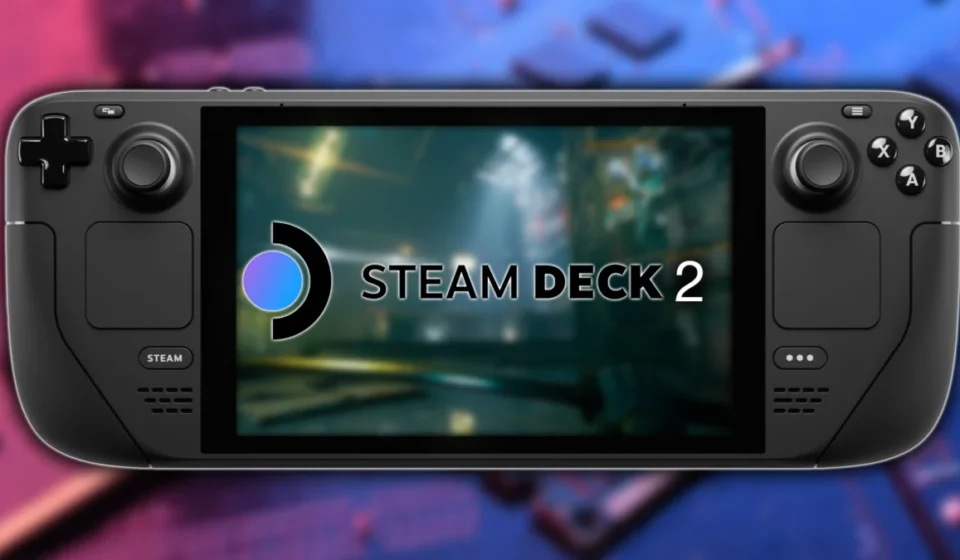
Steam Deck 2 Development Continues Unabated Amidst RAM Shortage, Valve Prioritizes Meaningful Performance Leap

The landscape of portable PC gaming has been irrevocably altered by Valve’s pioneering Steam Deck, a device that not only carved out a new niche but also catalyzed a wave of innovation from competitors like Asus, MSI, and Lenovo. As these rivals have steadily introduced enhanced iterations of their handheld offerings, Valve has maintained a deliberate pace in its development of the Steam Deck 2. In a recent, candid interview with IGN, Valve software developers Pierre-Loup Griffais and Jeff Leinbaugh addressed the persistent global RAM shortage and its potential impact on the highly anticipated successor. Their response was unequivocally clear: the ongoing supply chain challenges have not significantly hindered their progress, with Griffais stating, "not really," when questioned about the complication of development.
A Strategic Approach to Evolution
Valve’s philosophy regarding the Steam Deck 2 is rooted in a commitment to delivering a truly substantial upgrade, rather than incremental improvements. Griffais elaborated on this strategy, emphasizing the need for a "very delineated performance improvement" for any future iteration. This mirrors previous statements where the company has articulated its vision for significant leaps forward, ensuring that a new Steam Deck generation offers a tangible and discernible enhancement in gaming capabilities. While the introduction of the OLED model of the current Steam Deck brought welcome refinements, including some performance boosts and a superior visual experience, it was positioned as an evolution rather than a revolution. The developers’ continued focus on a more pronounced performance jump for the Steam Deck 2 underscores Valve’s ambition to redefine portable PC gaming once again.
"We’ve talked before about how we want to make sure there’s a very delineated performance improvement for something like a future Steam Deck, and I think we’re still looking at it in the same way," Griffais stated. This sentiment suggests a long-term vision for the Steam Deck line, prioritizing impactful hardware advancements over rushed releases.
Navigating the Hardware Market Dynamics
The development of any advanced consumer electronics device in the current climate necessitates a keen awareness of the global hardware market. Griffais acknowledged this reality, noting that the timing and delivery of a significantly more powerful Steam Deck are contingent upon prevailing market conditions. "It’s just a matter of looking at the current conditions and seeing how and when we can deliver something like that," he explained. Despite these external factors, Valve’s internal objectives remain consistent. "But from what we’re working on, as far as the user experience goes and what the product that we’re trying to build goes, it’s very similar goals."
This statement, coupled with earlier confirmations from Griffais approximately four months prior that Steam Deck 2 development was actively underway, paints a picture of a company that, while pragmatic about market realities, remains steadfast in its pursuit of its next-generation portable gaming vision. The user experience remains paramount, guiding the engineering and design decisions that will shape the Steam Deck 2.
The Shadow of Pricing: A Lesson from Steam Machine
A critical consideration for the Steam Deck 2, and indeed for any Valve hardware endeavor, is pricing. The company’s previous foray into dedicated living room PC gaming, the Steam Machine, serves as a stark reminder of the potential pitfalls of misjudging market affordability. Reports surrounding the Steam Machine’s initial development indicated a target price point significantly lower than its eventual market release. It is understood that the device was initially envisioned at around the $750 mark, a figure that then reportedly escalated to $1,049 for the base 512GB model. This substantial price increase contributed to the Steam Machine’s limited market penetration and ultimately its commercial struggles.
This historical context is particularly relevant as the current Steam Deck has also seen price adjustments, with certain models experiencing increases earlier this year. While specific figures for the Steam Deck 2’s potential price point are not yet available, the lessons learned from the Steam Machine era will undoubtedly weigh heavily on Valve’s strategic decisions. The company must strike a delicate balance between delivering the promised performance leap and ensuring the Steam Deck 2 remains an accessible proposition for a broad consumer base. The success of the original Steam Deck was, in part, attributed to its competitive pricing relative to other handheld PC gaming solutions, a factor that could prove equally, if not more, crucial for its successor.
The RAM Shortage: A Broader Industry Context
The global semiconductor shortage, and more specifically the ongoing RAM crisis, has been a pervasive challenge for the electronics industry since late 2020. The COVID-19 pandemic disrupted manufacturing and supply chains, leading to a surge in demand for consumer electronics as more people worked and entertained themselves at home. This confluence of factors created a bottleneck, impacting the availability and cost of critical components like RAM, GPUs, and CPUs.

While Valve asserts that the RAM shortage is not significantly impeding their Steam Deck 2 development, it’s important to understand the broader implications for the industry. Competitors have also faced these challenges, leading to staggered release dates, limited stock, and, in some instances, price hikes for their own handheld gaming devices. The fact that Valve appears to be navigating these headwinds with relative resilience suggests either a more robust supply chain strategy, a less component-intensive design for the immediate future, or a willingness to wait for more favorable market conditions to secure the necessary components at acceptable costs.
Supporting Data and Market Trends
The handheld PC gaming market has experienced exponential growth since the Steam Deck’s debut in February 2022. Initial sales figures indicated strong consumer demand, with Valve reporting over 100,000 units sold within its first week. By July 2022, that number had reportedly surpassed one million. This success validated Valve’s vision and demonstrated a significant appetite for a device that could bridge the gap between traditional PC gaming and portable convenience.
The subsequent entry of competitors further validates the market’s potential. Asus’s ROG Ally, launched in June 2023, features AMD’s Ryzen Z1 Extreme processor and a 120Hz display, directly challenging the Steam Deck’s performance benchmarks. Lenovo’s Legion Go, announced in August 2023, boasts a larger display and detachable controllers, offering a different approach to handheld PC gaming. These devices, while offering compelling features, often come with higher price tags, positioning the Steam Deck 2 as a potentially more value-oriented option if Valve can maintain its pricing strategy.
According to market research firm Newzoo, the global PC gaming market is projected to reach over $40 billion by 2024, with a growing segment dedicated to portable PC gaming solutions. The Steam Deck has been a significant catalyst in this growth, proving that a dedicated, high-performance handheld PC platform can thrive. The continued investment by multiple major hardware manufacturers in this space underscores the long-term viability and profitability of this market segment.
Reactions and Inferences from Related Parties
While direct statements from competitors regarding Valve’s Steam Deck 2 development are unlikely, the industry’s response to the original Steam Deck provides context. The introduction of the Steam Deck was met with a mixture of admiration and a sense of urgency from other hardware manufacturers. Companies like Asus and Lenovo, already established in the PC hardware space, saw an opportunity to leverage their existing expertise in designing and manufacturing high-performance computing devices for a new, burgeoning market.
The fact that these companies have moved swiftly to release their own interpretations of the handheld PC concept suggests they recognize the significant market Valve has cultivated. Their continued efforts to iterate and improve upon their own offerings can be seen as a competitive reaction, aiming to capture market share and establish their own brand loyalty within the portable PC gaming ecosystem. The ongoing development of the Steam Deck 2, even amidst industry-wide challenges, will undoubtedly continue to influence the strategic decisions of these competitors, pushing them to innovate and differentiate their products further.
Broader Impact and Implications
The continued development of the Steam Deck 2, even with the acknowledged complexities of the global supply chain, has several significant implications for the gaming industry and consumers alike:
- Continued Innovation in Handheld PC Gaming: Valve’s commitment ensures that the benchmark for portable PC performance and user experience will continue to be raised. This will likely spur further innovation from competitors, leading to a more diverse and competitive market for consumers.
- Accessibility of High-Fidelity PC Gaming: A successful and well-priced Steam Deck 2 could further democratize access to high-fidelity PC gaming. By offering a portable solution that plays a vast library of PC titles, it lowers the barrier to entry for many who may not have the space, budget, or inclination for a traditional desktop gaming setup.
- Evolving Definition of "Console" Gaming: The Steam Deck, and its potential successor, blur the lines between traditional console gaming and PC gaming. This could lead to a future where dedicated handheld gaming devices become as commonplace as home consoles, offering a flexible and powerful gaming experience across different environments.
- Valve’s Hardware Strategy: The success and ongoing development of the Steam Deck reaffirm Valve’s commitment to hardware. Following the less successful Steam Machines and the Valve Index VR headset, the Steam Deck has proven to be a significant hardware win, potentially paving the way for future ambitious projects from the company.
The journey to the Steam Deck 2 is clearly one of careful consideration and strategic execution. While the global RAM shortage presents a macroeconomic challenge, Valve’s internal focus remains on delivering a product that justifies the wait – a device that offers a truly meaningful leap forward in portable PC gaming performance, all while striving to maintain an accessible price point, a lesson learned from the ambitious, yet ultimately cautionary, tale of the Steam Machine. The anticipation for what Valve will unveil next continues to build, fueled by the company’s clear dedication to pushing the boundaries of what’s possible in gaming.