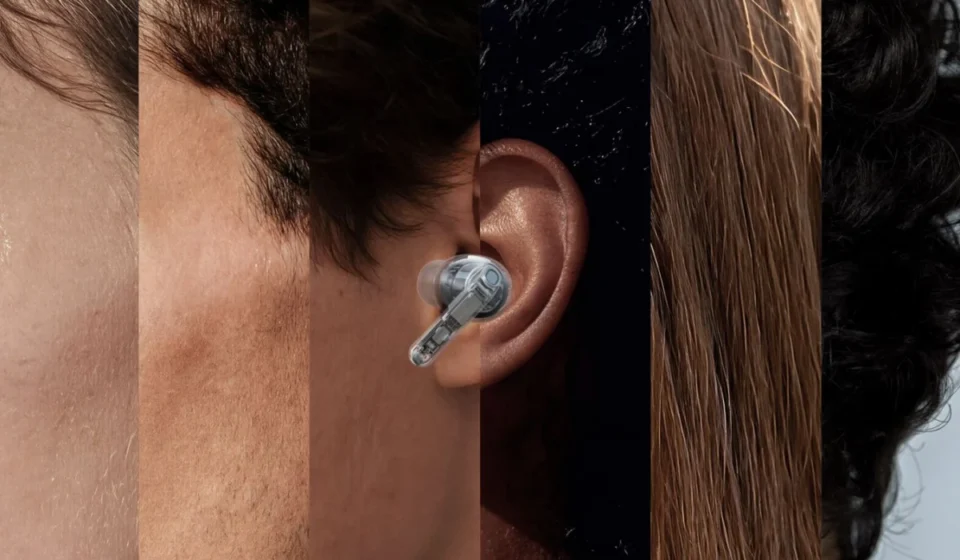

Samsung’s commitment to integrating advanced health monitoring into its consumer electronics ecosystem has taken a significant leap forward with the recent regulatory approval of hearing assessment and enhancement features for its Galaxy Buds line. This development, spearheaded by Samsung Electronics, positions its popular wireless earbuds to become a more comprehensive tool for personal well-being, potentially democratizing access to basic hearing health checks and personalized sound amplification.
The South Korean Ministry of Food and Drug Safety (MFDS) has officially granted approval for Samsung’s "Hearing Test" and "Hearing Aid" features, classifying them as medical device software. This landmark decision paves the way for these functionalities to be rolled out to existing and future Galaxy Buds models, starting with the Galaxy Buds 4 Pro and Galaxy Buds 3 Pro. The initial rollout is slated to commence in South Korea in early 2027, with a gradual expansion to other markets anticipated. This move marks a critical step in Samsung’s strategy to embed sophisticated health technology into everyday devices, mirroring advancements seen in other wearable tech sectors.
A Deeper Dive into the Hearing Health Features

The newly approved features are designed to work in tandem, offering users a convenient and accessible pathway to understand and improve their auditory experience. The core of this innovation lies in the "Hearing Test," a self-administered audiometry tool that can be accessed directly through the Galaxy Wearable app on compatible smartphones. This feature utilizes clinical-grade pure-tone audiometry principles, a standard diagnostic method in audiology. During the test, the Galaxy Buds will emit a series of sounds at varying frequencies and intensities. Users will be prompted to respond when they can detect a sound, allowing the software to precisely measure the quietest tones audible to each ear.
This approximately five-minute assessment culminates in the generation of an audiogram. This visual representation maps an individual’s hearing sensitivity across a spectrum of frequencies, a crucial tool for identifying potential hearing impairments. According to Samsung’s announcement in Korea, the results of the hearing test will be categorized into seven distinct levels, ranging from normal hearing to profound hearing loss. Crucially, the system will also provide users with guidance on potential next steps, which may include recommendations for professional consultation.
Beyond simply identifying hearing thresholds, the "Hearing Aid" functionality leverages the data from the audiogram to provide personalized sound amplification. Unlike conventional hearing aids that might universally boost volume, Samsung’s approach aims for a more nuanced enhancement. The system employs the NAL-NL2 (National Acoustic Laboratories – Non-Linear 2) fitting formula, a widely recognized and scientifically validated algorithm used by hearing aid manufacturers globally. This formula ensures that the amplification is tailored to the user’s specific hearing loss profile, aiming to make sounds clearer and more distinct in challenging listening environments without causing distortion or discomfort. The intention is to amplify the specific frequencies that an individual struggles to hear, thereby improving speech intelligibility and overall environmental awareness.

This innovation is specifically targeted at adults aged 18 and older who perceive mild to moderate hearing loss. The convenience of performing a hearing assessment and adjusting amplification settings directly from their earbuds, without the need for an in-person visit to an audiologist or the purchase of dedicated hearing aid devices, represents a significant stride in making hearing assistance more accessible. Furthermore, the integration with Samsung Health will allow users to track their hearing-related data, including historical test results and information on noise exposure levels, fostering a more holistic approach to personal health management.
It is important to emphasize that while these features offer substantial benefits, Samsung acknowledges that they are not a substitute for professional medical diagnosis and treatment. The system is designed to provide accessible support and empower users with information about their hearing health, but individuals with significant concerns or diagnosed hearing conditions should always consult with qualified healthcare professionals.
A Growing Trend in Health-Focused Consumer Electronics

Samsung’s foray into over-the-counter (OTC) hearing health solutions with its earbuds is not an isolated event but rather a continuation of a broader trend within the consumer electronics industry. The United States Food and Drug Administration (FDA) has been instrumental in paving the way for such advancements by establishing a regulatory framework for OTC hearing aids. In August of the previous year, Samsung received clearance from the FDA for its Hearing Aid feature in the U.S., a precursor to the recent MFDS approval in South Korea. This dual regulatory approval underscores Samsung’s global ambition in this burgeoning market.
The timeline for these advancements has been accelerating. While the U.S. market saw an announcement for a fourth-quarter 2026 release of these features, the recent Korean announcement specifically targets an early 2027 rollout there. This phased approach allows Samsung to refine the technology and user experience based on initial market feedback. For the full functionality of these hearing features, a compatible Galaxy smartphone running One UI 9 or a later version is required, indicating a need for up-to-date software integration.
Samsung’s health tech ambitions extend beyond its earbuds. The company has been aggressively expanding its portfolio of health-monitoring devices and features. Just recently, Samsung unveiled enhanced sleep apnea detection capabilities for its Galaxy Ring and Galaxy Watch devices. This integration of sophisticated health screening tools into everyday wearables signifies a strategic shift towards making proactive health management more convenient and integrated into consumers’ lives. The Galaxy Ring, in particular, has been positioned as a pioneering device, being among the first smart rings to offer over-the-counter sleep apnea screening, further solidifying Samsung’s commitment to comprehensive health monitoring.

The competitive landscape is also heating up. Apple has already demonstrated the significant market interest in hearing assistance features with its AirPods Pro lineup. The ability for AirPods Pro to conduct hearing tests and offer personalized audio experiences has resonated with consumers, highlighting the demand for such integrated functionalities. Samsung’s move to bring similar, and in some aspects potentially more advanced, capabilities to its Galaxy Buds ecosystem is a direct response to this market trend, aiming to capture a significant share of the growing health-tech-integrated audio device market.
Implications and Future Outlook
The implications of Samsung’s move into self-administered hearing health are far-reaching. Firstly, it has the potential to significantly reduce the cost and complexity associated with initial hearing assessments. For many individuals who may be experiencing subtle changes in their hearing, the prospect of visiting a specialist or investing in expensive dedicated devices can be a barrier. The Galaxy Buds, already a popular accessory for millions, can now serve as an accessible entry point for understanding and addressing hearing concerns.

Secondly, this development democratizes the availability of personalized sound amplification. While not a replacement for professional hearing aid fitting for severe hearing loss, the ability to fine-tune audio based on individual needs can significantly improve the quality of life for those with mild to moderate impairments. This can enhance social interactions, improve focus in noisy environments, and make everyday listening experiences more enjoyable.
The broader impact on the consumer electronics industry is also noteworthy. As more companies integrate health-monitoring capabilities into their products, the lines between entertainment devices and health tools will continue to blur. This will likely spur further innovation in areas such as personalized health coaching, preventative care, and remote health monitoring, all powered by the ubiquitous devices we carry with us daily.
However, challenges and considerations remain. Ensuring the accuracy and reliability of the hearing tests conducted via earbuds is paramount. Regulatory bodies like the MFDS and FDA play a crucial role in setting and enforcing standards to ensure user safety and efficacy. Public education will also be vital; consumers need to understand the capabilities and limitations of these features, recognizing when professional medical advice is necessary.

Furthermore, the ethical implications of collecting and storing sensitive health data through consumer devices need careful consideration. Robust data privacy and security measures are essential to build and maintain user trust. Samsung’s integration with Samsung Health suggests a commitment to a secure and centralized approach to health data management, which is a positive step.
In conclusion, Samsung’s Galaxy Buds are evolving beyond mere audio accessories to become sophisticated health companions. The regulatory approvals for hearing test and enhancement features mark a significant milestone, promising to make hearing health more accessible and personalized for a vast user base. As this technology matures and expands globally, it signifies a new era where everyday technology actively contributes to our overall well-being, empowering individuals to take greater control of their health through the devices they already use and trust. The integration of advanced audiology into a widely adopted consumer product is a testament to the accelerating convergence of technology and healthcare.