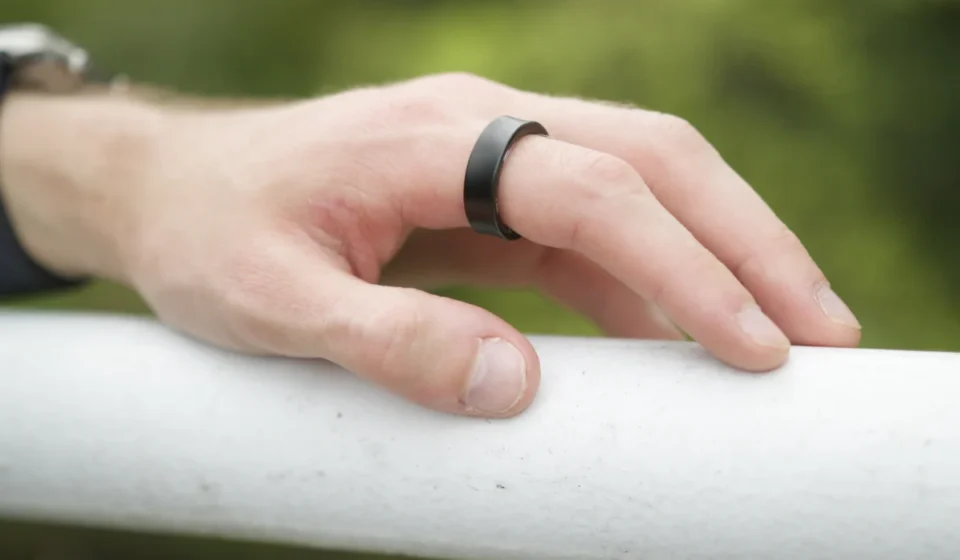

Samsung Electronics has achieved a significant milestone in wearable health technology, with its Galaxy Ring becoming the first over-the-counter smart ring to offer screening for sleep apnea risk. This groundbreaking advancement, which also extends to Samsung’s Galaxy Watch lineup, has received regulatory clearance from both the U.S. Food and Drug Administration (FDA) and South Korea’s Ministry of Food and Drug Safety (MFDS). This development marks a pivotal moment in making sophisticated health monitoring more accessible and integrated into everyday life, moving beyond specialized medical devices.
The upgraded sleep apnea feature represents a substantial enhancement over its initial iteration. Previously, the feature could only indicate whether a user was at risk of sleep apnea. The newly refined system, accessible through the Samsung Health Monitor app, now provides a more detailed analysis of overnight vital signs, enabling it to quantify the severity of breathing interruptions experienced during sleep. This granular data is invaluable for users when consulting with healthcare professionals, empowering them with concrete evidence rather than anecdotal reports.
A Timeline of Innovation and Regulatory Approval

Samsung’s journey to integrating sleep apnea screening into its wearables has been marked by a steady progression of research, development, and regulatory navigation. The initial version of the feature garnered significant attention in February 2024 when it secured FDA De Novo authorization. This clearance was historic, designating it as the first wearable tool capable of flagging potential moderate to severe sleep apnea. The De Novo pathway is reserved for novel medical devices of low to moderate risk where no precedent exists, underscoring the innovative nature of Samsung’s technology.
The subsequent expansion of this feature to the Galaxy Ring, following its successful integration with the Galaxy Watch, required further regulatory scrutiny. The FDA’s clearance in July 2024 and the MFDS’s approval shortly thereafter paved the way for its widespread availability. This dual regulatory approval highlights the feature’s robust performance and reliability across different form factors.
The Significance of the Galaxy Ring in Sleep Apnea Detection
The inclusion of this advanced sleep apnea screening capability in the Galaxy Ring holds particular significance due to its discreet and comfortable design. Unlike smartwatches, which some individuals may find cumbersome or intrusive during sleep, the Galaxy Ring offers a lightweight and unobtrusive alternative. This comfort factor is crucial for consistent overnight wear, which is essential for collecting the reliable data needed for accurate health monitoring.

Furthermore, the Galaxy Ring’s sleep apnea screening does not necessitate prolonged data collection periods. Users can obtain valuable insights with as little as two nights of sleep tracking within any 10-day window. This accessibility is a major advantage, allowing individuals to quickly benefit from the feature without the need for extensive commitment.
Jongmin Choi, Head of Health R&D Group, Mobile eXperience (MX) Business at Samsung Electronics, emphasized the company’s commitment to empowering users. "We are giving people the tools to help spot possible early signs of sleep apnea and take charge of their wellbeing," Choi stated, underscoring the proactive approach Samsung is taking in consumer health technology.
Understanding Sleep Apnea and Its Impact
Sleep apnea is a common sleep disorder characterized by repeated interruptions in breathing during sleep. These pauses, known as apneas, can last from a few seconds to more than a minute and may occur many times per hour. The most prevalent form is obstructive sleep apnea (OSA), caused by a physical blockage of the airway, often due to the relaxation of throat muscles. Central sleep apnea, on the other hand, occurs when the brain fails to send proper signals to the muscles that control breathing.

The consequences of untreated sleep apnea can be severe and far-reaching. Individuals with the condition often experience fragmented sleep, leading to daytime fatigue, difficulty concentrating, and impaired cognitive function. On a more serious note, sleep apnea is linked to a heightened risk of various cardiovascular problems, including high blood pressure (hypertension), heart disease, stroke, and arrhythmias. It can also contribute to type 2 diabetes, metabolic syndrome, and liver problems.
The ability for a consumer wearable like the Galaxy Ring to provide early screening for sleep apnea risk is therefore a significant public health advancement. It can act as a crucial first step for individuals who might otherwise remain undiagnosed due to the subtle nature of early symptoms or lack of awareness. By flagging potential issues, these devices can prompt users to seek professional medical evaluation, leading to earlier diagnosis and intervention, which is critical for preventing long-term health complications.
Broader Implications for Wearable Health Technology
Samsung’s leadership in bringing sleep apnea screening to a smart ring positions the company at the forefront of the burgeoning field of wearable health. This development signals a broader trend where consumer electronics are increasingly evolving into sophisticated health monitoring tools, blurring the lines between personal devices and medical diagnostics.

The accessibility of such features through devices like the Galaxy Ring democratizes health monitoring. Historically, advanced diagnostic tools for conditions like sleep apnea were confined to clinical settings and required specialized equipment and medical supervision. By integrating these capabilities into everyday wearables, Samsung is making proactive health management more attainable for a wider population.
The success of this feature also sets a precedent for future innovations in the wearable space. As sensor technology continues to advance and algorithms become more sophisticated, we can anticipate an even wider array of health conditions being detectable and monitorable through smartwatches and smart rings. This could include early detection of cardiac anomalies, respiratory illnesses, and even metabolic disorders.
Data-Driven Health and User Empowerment
The enhanced sleep apnea feature’s ability to quantify breathing interruptions provides users with actionable data. This objective information can be instrumental in discussions with physicians, facilitating more informed treatment plans. Instead of relying on subjective descriptions of sleep quality, users can present concrete metrics that directly reflect their physiological experience during sleep.

Samsung’s commitment to expanding the availability of this feature to more countries over time further underscores its global health ambitions. As regulatory frameworks in different regions adapt to the evolving landscape of digital health, Samsung appears poised to navigate these pathways, bringing its advanced health monitoring capabilities to a worldwide audience.
The integration of such advanced health features into consumer-friendly devices like the Galaxy Ring represents a paradigm shift. It moves health monitoring from a reactive, clinical model to a proactive, personalized, and continuous approach. By empowering individuals with the tools to understand and monitor their health in real-time, Samsung is not only enhancing its product ecosystem but also contributing to a future where preventative health is more accessible and integrated into the fabric of daily life. The Galaxy Ring, with its sleep apnea screening capabilities, is a testament to this vision, offering a glimpse into the increasingly sophisticated role that wearables will play in our overall well-being.