The Cellular Signal Strength Indicator Makes a Crucial Return to Android Auto, Enhancing Driver Confidence

For months, a small but significant detail was missing from the Android Auto dashboard, leaving countless drivers navigating blindly into potential connectivity dead zones. The cellular signal strength indicator, a seemingly minor visual cue, had vanished, prompting widespread user frustration. Now, following a period of absence and extensive community feedback, reports indicate that this vital feature is making a comeback, initially through the Android Auto version 17.8.1638 beta build. This restoration promises to significantly enhance the driving experience, providing users with real-time awareness of their network connectivity and mitigating potential disruptions to calls, navigation, and data-dependent applications.
The Unseen Disappearance: A Chronicle of User Frustration
The issue first surfaced earlier this year, with numerous Android Auto users across various forums and communities reporting the inexplicable disappearance of their phone’s cellular signal strength icon from the vehicle’s infotainment display. What began as scattered observations quickly coalesced into a widespread complaint. Drivers, accustomed to the immediate visual feedback provided by the signal bars, found themselves without a crucial piece of information that had long been a standard element of the Android Auto interface. The missing indicator, while not directly impacting the functionality of calls or navigation in areas with strong coverage, created an unsettling uncertainty, particularly for those frequently traveling through regions known for their inconsistent network infrastructure.
The core functionality of Android Auto — making calls, streaming music, and utilizing navigation apps like Google Maps or Waze — generally continued without interruption, provided a stable cellular connection was available. However, the absence of the signal bars meant drivers could no longer anticipate an impending loss of service. This foresight is invaluable, allowing users to conclude important calls, download offline maps, or simply brace for a temporary disconnect before entering an area with patchy or non-existent coverage. The bug, therefore, was largely "cosmetic" in the sense that it didn’t crash the system, but its implications for user experience and proactive decision-making were anything but trivial. Many drivers rely on this indicator to decide whether to initiate a crucial business call, warn a passenger about potential call drop-offs, or prepare for a stretch of road where real-time traffic updates might cease. The frustration stemmed not just from the loss of a feature, but from the erosion of confidence in their in-car system’s ability to provide complete and transparent information.
The Return: Android Auto Version 17.8.1638 and Community Reports
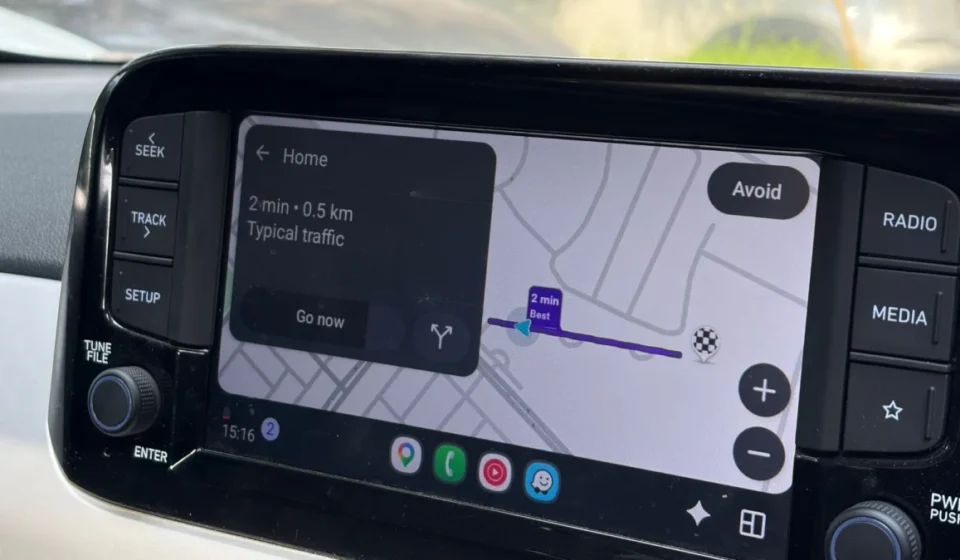
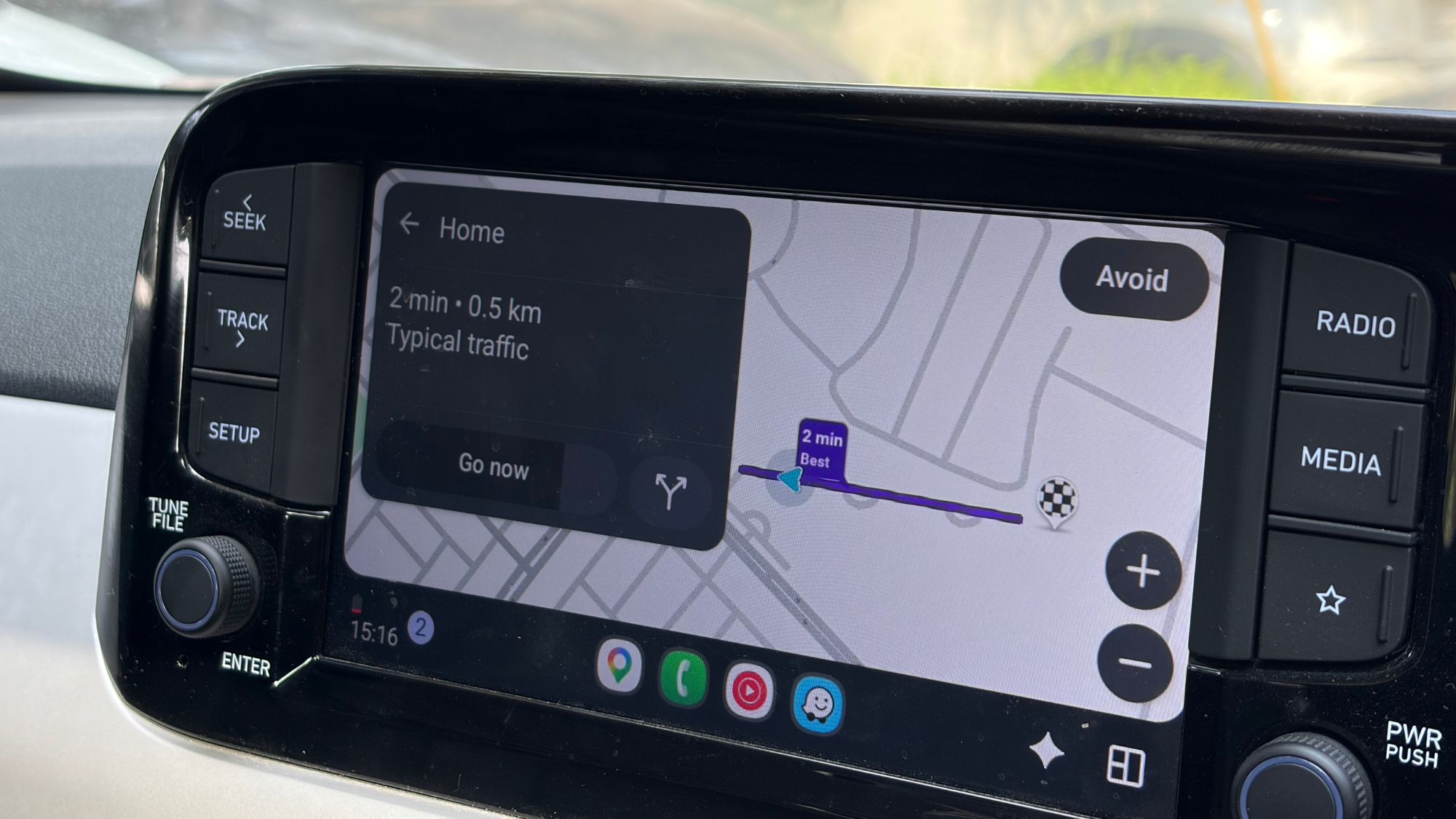
The first glimmers of hope emerged recently, with a surge of reports from users who had updated to Android Auto version 17.8.1638. Numerous threads on platforms like Reddit’s dedicated r/AndroidAuto subreddit began to populate with enthusiastic posts proclaiming the return of the beloved signal bars. Users shared screenshots, demonstrating the reappearance of the iconic cellular strength indicator, now nestled once again alongside the battery status icon on the Android Auto dashboard. This visual confirmation was met with widespread relief and positive reception within the affected user community.
The timing of this fix, after several months of user reports and community discussions, underscores the often iterative nature of software development and bug resolution within large platforms. While Google typically maintains a robust beta testing program for Android Auto, the prolonged absence of such a fundamental indicator highlighted a gap in either internal testing or the speed of addressing user-reported regressions. For those who have received the update, the process seems straightforward: simply updating to the latest beta version of Android Auto. However, some users have noted that clearing the Android Auto app’s cache on their paired smartphone after the update might be necessary to prompt the signal bars to reappear, suggesting a potential caching issue or a staggered activation mechanism.
The Beta Landscape: Inconsistent Rollouts and Server-Side Speculation
It is crucial to note that Android Auto v17.8.1638 is currently a beta build, meaning the fix is not yet universally available to all Android Auto users. Those on the stable channel will likely need to await a future official release before benefiting from this restoration. Furthermore, the rollout even within the beta program appears to be somewhat inconsistent. Several beta testers have reported a peculiar "now you see it, now you don’t" behavior, where the signal bars initially returned, only to disappear again after a period, and then re-emerge following subsequent updates, sometimes even without a change in the reported version number. This erratic behavior has led to speculation within the user community that the fix might be tied to a server-side switch or a highly phased rollout mechanism controlled by Google, rather than being solely dependent on the app version installed on the device.
The lack of an official statement from Google regarding the bug, its cause, or the specifics of its resolution adds to this uncertainty. While common for beta releases, the silence on such a widely reported and impactful bug can sometimes fuel user frustration. The inconsistency observed in the beta rollout underscores the challenges developers face in ensuring a uniform experience across a vast ecosystem of diverse Android smartphones and vehicle head units. Each combination presents unique variables, and a fix that works seamlessly on one setup might encounter unexpected hurdles on another. This iterative process, though sometimes frustrating for end-users, is a standard part of refining complex software and preparing it for a stable, mass-market release.
The Utility of Connectivity Indicators in Modern Driving
The re-emergence of the cellular signal indicator in Android Auto transcends a mere cosmetic fix; it highlights the increasing criticality of robust and transparent connectivity feedback in the modern driving experience. Today’s vehicles are no longer mere conveyances; they are extensions of our digital lives, deeply integrated with our smartphones and the vast digital services they provide. Android Auto stands at the forefront of this integration, transforming the car’s infotainment screen into a safe and intuitive interface for essential smartphone functions.
Drivers rely heavily on cloud-based services for navigation, with Waze and Google Maps offering real-time traffic updates, accident alerts, and dynamic route adjustments — all of which are entirely dependent on a stable cellular data connection. Without a visible signal indicator, drivers could find themselves suddenly without crucial navigational guidance in unfamiliar territory, potentially leading to missed turns, increased travel times, or even dangerous situations if they become disoriented. Similarly, the ability to make and receive hands-free calls is a cornerstone of safe driving, and knowing the signal strength allows drivers to prioritize urgent communications or postpone non-essential ones until coverage improves. Streaming music, podcasts, and audiobooks, another popular use case for Android Auto, also suffers in areas of poor signal, leading to buffering and an interrupted listening experience. Beyond convenience, the safety implications are significant. In an emergency, a clear indication of cellular signal strength can be the difference between successfully contacting emergency services and being stranded without communication.
Technical Deep Dive: How Android Auto Integrates Phone Signals
Understanding the mechanism behind the signal indicator’s presence (or absence) requires a brief look into how Android Auto functions. Essentially, Android Auto mirrors a curated interface of your smartphone onto the car’s display. The head unit in the car acts as a display and input device, while the actual processing and data connection are handled by the paired Android phone. This means that the cellular signal strength displayed on the car screen is not measured by the car itself, but rather reported by the connected smartphone to the Android Auto application running on the head unit.
The phone’s operating system (Android) constantly monitors its cellular connection strength through its internal modem and antenna. This information is typically exposed through various Android APIs (Application Programming Interfaces) that allow applications, including Android Auto, to query and display this data. The disappearance of the signal bars suggests a potential regression in how Android Auto was either querying this API, interpreting the data, or rendering the icon on the car’s display. It could have been a bug introduced during an update to Android Auto itself, an underlying change in the Android OS that affected how this data was exposed, or an incompatibility with specific car manufacturers’ head unit software. Given the inconsistency of the fix, it’s plausible that the issue was complex, possibly involving interactions between the Android Auto app, the phone’s Android version, and the specific vehicle’s infotainment system. Resolving such an issue often involves meticulous debugging across a multitude of hardware and software configurations.
Google’s Approach to Bug Fixes and User Feedback
Google’s development process, particularly for widely used platforms like Android Auto, relies heavily on a structured approach to bug identification and resolution. User feedback, channeled through official forums, bug reporting tools, and community platforms like Reddit, plays a critical role in this ecosystem. When a bug like the missing signal indicator gains traction among users, it elevates its priority for the development team. The beta program serves as a crucial testing ground, allowing Google to deploy potential fixes to a segment of its user base before a broader stable rollout. This approach helps in identifying any unforeseen issues with the fix itself and ensures greater stability for the general public.
However, the silence from Google on specific bug fixes, while common, can sometimes lead to a perception of unresponsiveness. For a platform that directly impacts daily commutes and driver safety, clearer communication, even if just to acknowledge the issue and state that a fix is in progress, can significantly improve user trust and satisfaction. The community’s self-organizing efforts on Reddit to track the bug and confirm its resolution highlight the power of collective user experience in shaping product development, especially when official channels might appear slow or opaque.
Looking Ahead: The Path to Stable Release and Future Enhancements
The successful return of the cellular signal strength indicator, even in its beta phase, is a positive development for Android Auto users. The next logical step will be its rollout to the stable channel, ensuring that all drivers can benefit from this essential feature without needing to opt into beta programs. Given the inconsistent nature of the beta rollout, Google will likely conduct further testing and fine-tuning to ensure a seamless and stable experience for everyone.
This incident also serves as a reminder of the continuous evolution of in-car infotainment systems. Android Auto is not a static product; it regularly receives updates, new features, and performance enhancements. Recent developments, such as the integration of Google’s Gemini AI for more intelligent voice commands and new UI elements, underscore Google’s ongoing commitment to refining the platform. As cars become even more connected and reliant on cloud services, the transparency and reliability of connectivity indicators will only grow in importance. Drivers expect their digital dashboards to provide accurate, real-time information, and the restoration of the signal bars is a step towards fulfilling that expectation, reinforcing Android Auto’s position as a dependable companion for modern journeys.
In conclusion, the re-emergence of the cellular signal strength indicator in Android Auto, currently in its beta phase, is a welcome relief for drivers who have been operating without this crucial piece of information for months. While the path to a stable, consistent rollout may still have a few bumps, the return of this feature underscores its fundamental importance to user experience, safety, and the seamless integration of smartphone functionalities within the vehicle environment. It reinforces the idea that even the smallest visual cues can have a profound impact on driver confidence and the overall utility of connected car technology.