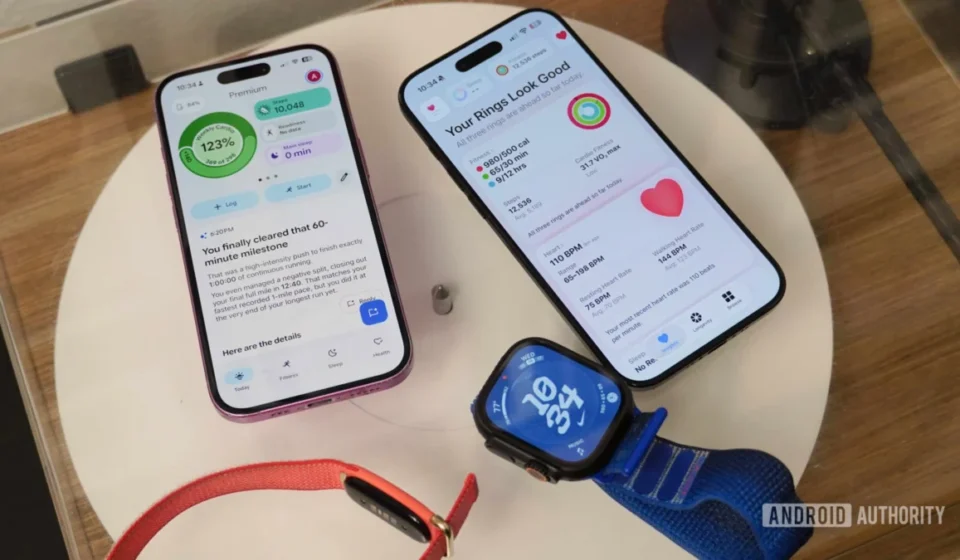
I tried the new Apple Health app, and it’s everything I wanted from Google Health

The Evolving Landscape of Digital Health
The journey of personal health tracking has seen exponential growth over the last decade, transforming from basic step counters to sophisticated ecosystems capable of monitoring a vast array of physiological metrics. Apple first introduced its Health app in 2014, concurrent with the launch of iOS 8, laying the groundwork for a centralized repository of user health data. Shortly after, Google launched Google Fit, aiming to provide a similar platform for Android users. However, Google’s ambitions in health significantly accelerated with its acquisition of Fitbit in 2021 for approximately $2.1 billion. This landmark deal was followed by a comprehensive overhaul and rebrand of Google Fit into the new Google Health app, designed to integrate Fitbit’s robust tracking capabilities and user base.
Wearable technology, from smartwatches to dedicated fitness trackers, has become indispensable for millions seeking to manage their well-being. Market analysis from IDC indicates that the global wearables market shipped 153.5 million units in Q4 2023 alone, representing a 1.7% increase year-over-year. Smartwatches remain a dominant category, with fitness trackers also holding significant market share. This growth underscores a widespread consumer demand for tools that offer insights into physical activity, sleep patterns, heart health, and overall physiological states. As these devices become more advanced, the demand for intelligent interpretation of the collected data has grown, pushing both Apple and Google towards AI-driven solutions. The race is now on to provide not just data, but meaningful, actionable insights that genuinely improve user health outcomes, without compromising on reliability or user trust.
Apple’s Precision Play: AI, Advanced Sensors, and Premium Hardware
Apple’s latest iteration of its Health app, introduced in the iOS 27.2 developer beta, represents a significant leap forward, deeply integrating with the company’s new Apple Intelligence framework. This strategic move positions Apple Health as a highly sophisticated, data-driven platform, albeit one with stringent hardware requirements. Users will need an iPhone capable of running Apple Intelligence—specifically the iPhone 15 Pro, iPhone 15 Pro Max, or newer—to access these enhanced features when they publicly roll out later this year. This exclusivity immediately segments the user base, reserving the most advanced functionalities for those invested in Apple’s latest, most powerful devices.
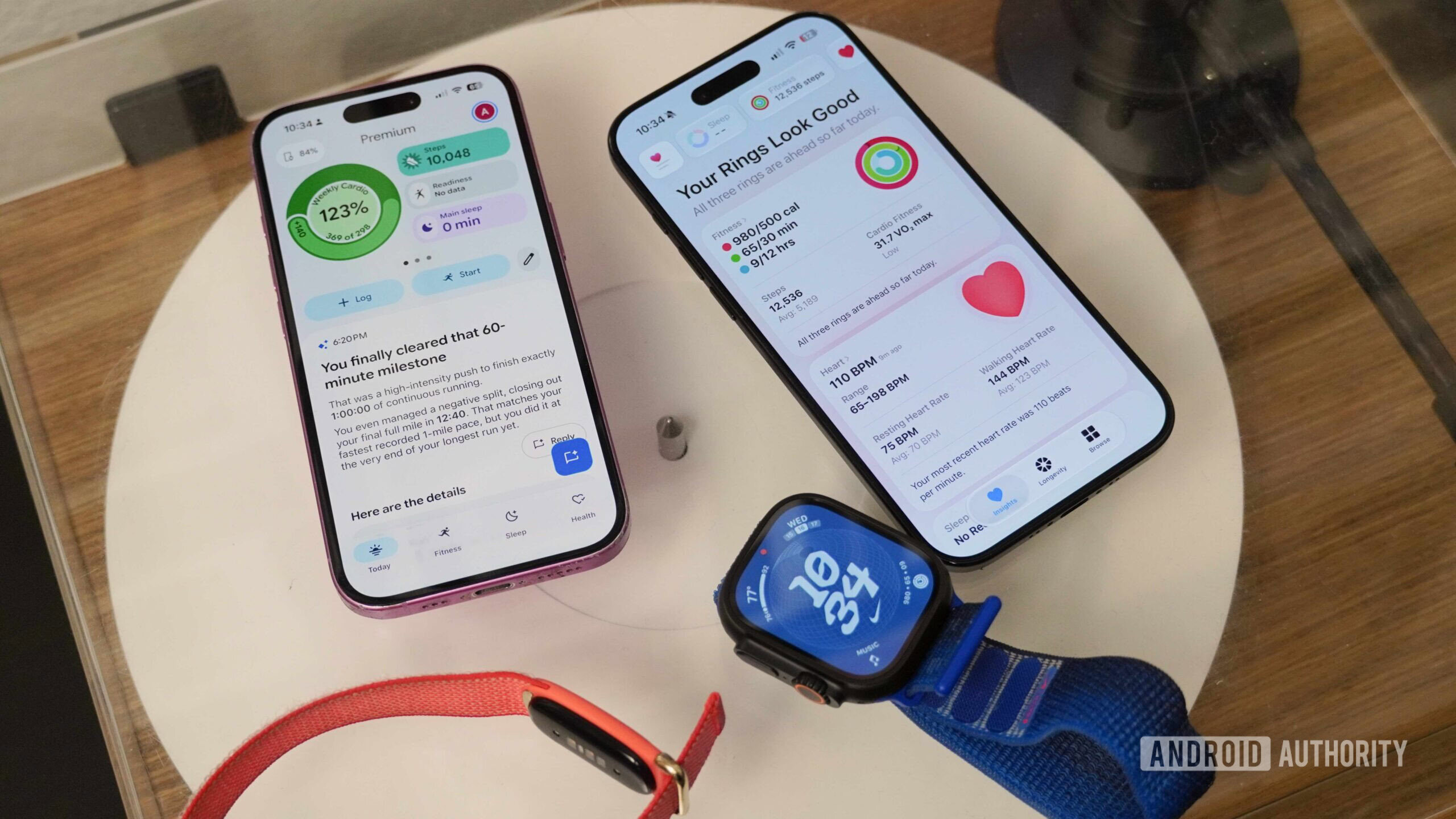
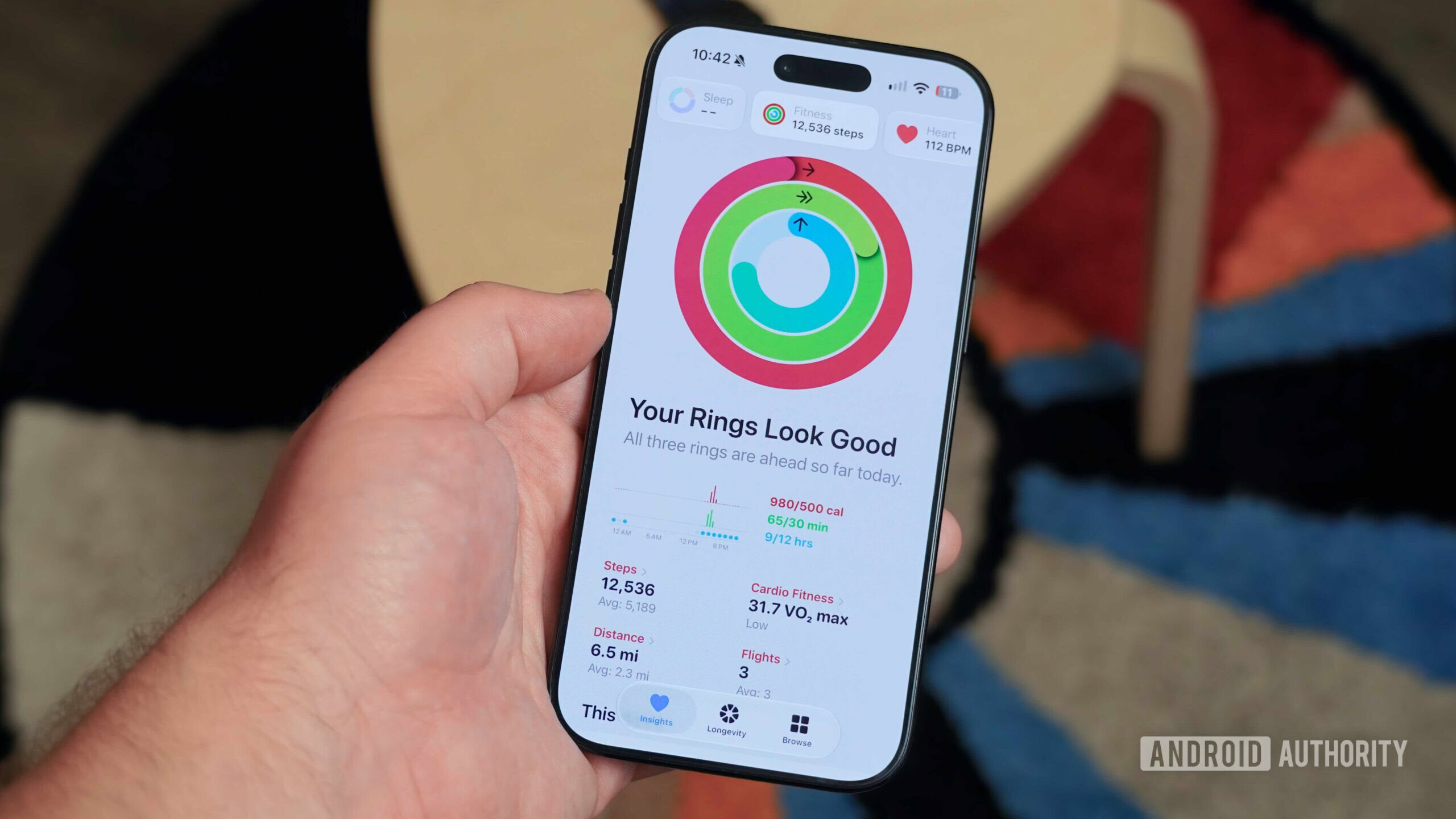
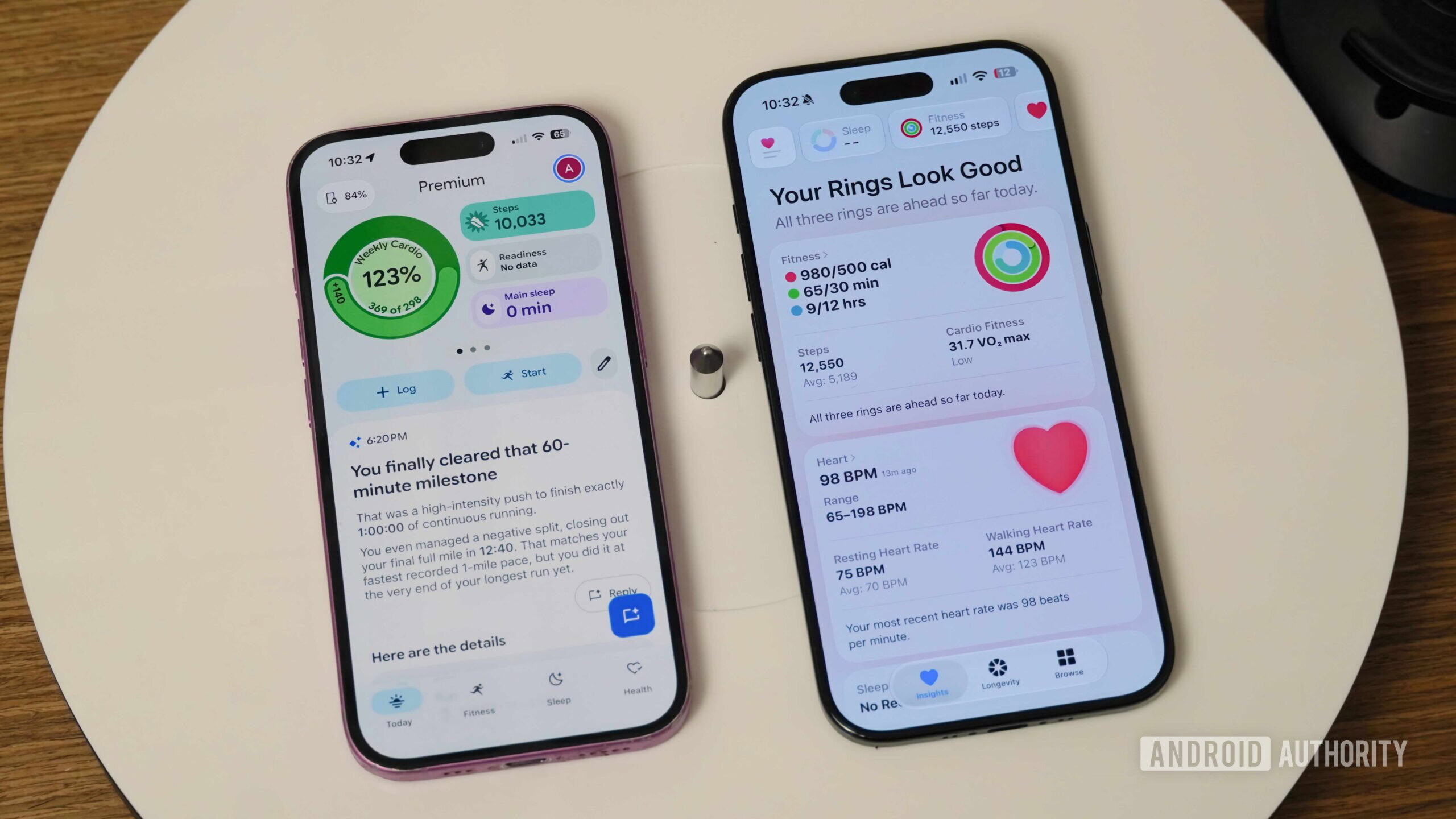
The redesigned Health app introduces several key features that underscore Apple’s commitment to detailed, actionable health data. The app now opens to an "Insights" tab, a centralized dashboard that finally brings Activity Ring data—a hallmark of the Apple Watch experience—front and center. This integration eliminates the previous need to toggle between separate Fitness and Health apps, streamlining the user experience. Beyond mere consolidation, Apple Intelligence provides concise, punchy AI summaries of metrics within this tab. These summaries are designed to be informative without being overly verbose, always backed by accessible data points, graphs, and charts, maintaining the app’s long-standing emphasis on raw data presentation.
A particularly noteworthy addition is the "Longevity" tab, which leverages an Apple Watch’s underlying fitness data to estimate a user’s "health age." This metric, popular among dedicated health-first wearable brands like Garmin, WHOOP, and Oura, offers a holistic view of one’s physiological age compared to their chronological age. To further enhance accuracy and personalization, Apple Health now supports personalized tests utilizing the Apple Watch in conjunction with the iPhone’s camera. These tests, powered by vision-based AI models, analyze specific health parameters. An example is the first manual VO2 max test for Apple Health, measuring the maximum amount of oxygen a body can utilize during intense exercise—a crucial indicator of cardiovascular fitness, for which Google Health currently has no direct equivalent. The ability to retake these tests allows users to track their progress over time, offering tangible feedback on their health journey.
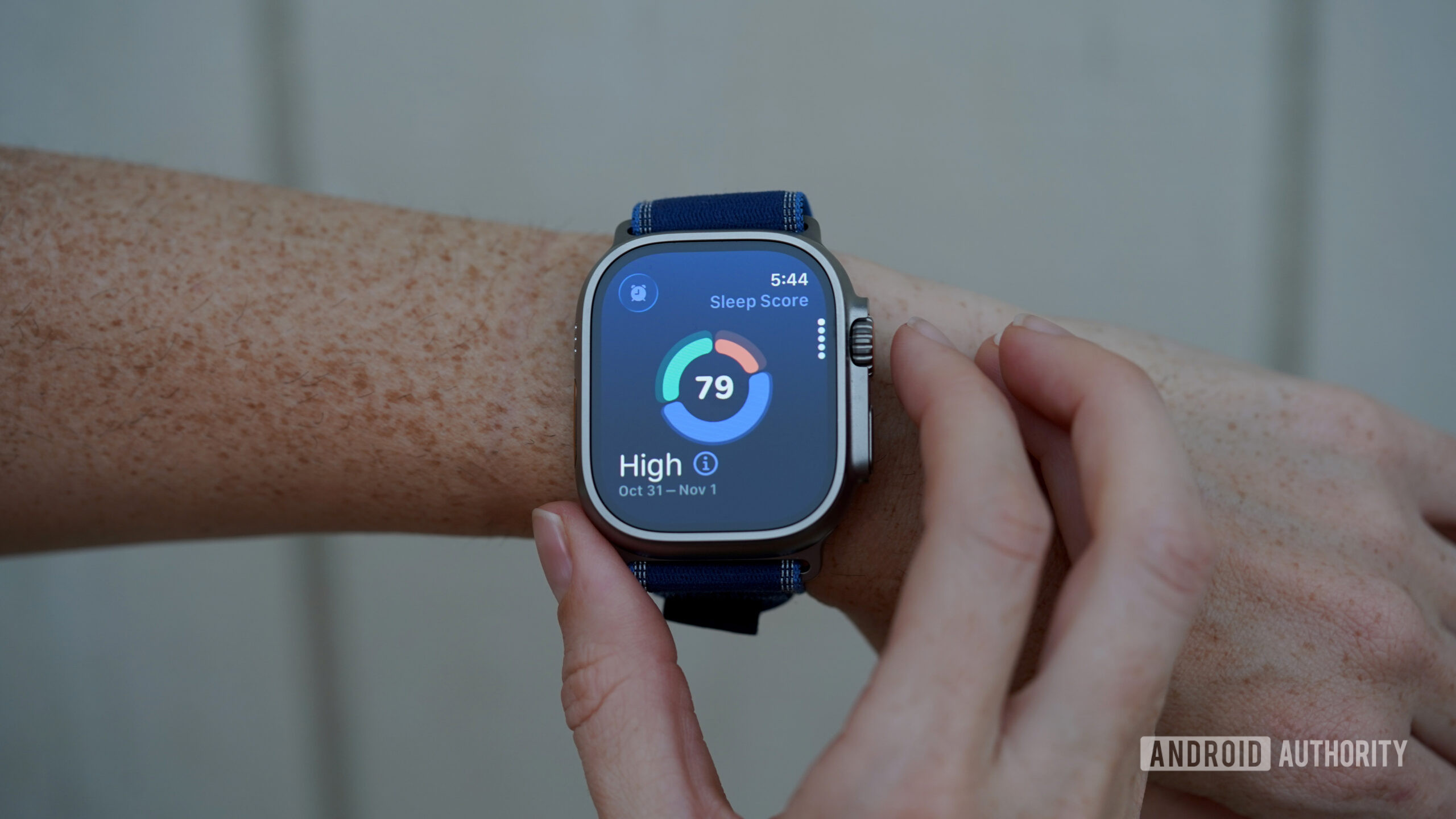
However, the most contentious yet technologically significant feature is the new "Readiness" score. While other companies have offered readiness metrics for years, Apple’s implementation is distinct. It provides a simplified 0-10 scale, accompanied by one of four clear recommendations: "Recover," "Pace Yourself," "Ready," or "Go For It." This streamlined approach aims for immediate, actionable guidance. Critically, this feature demands the latest Apple Watch hardware, specifically the Apple Watch Series 12 or Ultra 4. This restriction is not arbitrary; it stems from the "Health Sensing System," which incorporates upgraded optical and electrical heart rate sensors and works in tandem with the more powerful S11 chip. This advanced hardware enables heart rate measurements every five seconds and heart rate variability (HRV) measurements up to 24 times more frequently than previous models. This increased data density and precision are deemed essential by Apple for generating an accurate and reliable readiness score.
The decision to limit these advanced features to new, premium hardware highlights Apple’s philosophy: to deliver unparalleled accuracy and a superior user experience, even if it means excluding older devices. This approach, while potentially leading to user frustration over upgrade cycles (as exemplified by an Apple Watch Ultra 3 owner finding their device incompatible with new features), underscores a commitment to data integrity and the power of tightly integrated hardware and software. By controlling the entire stack, Apple aims to minimize variables and maximize the reliability of its health insights, moving closer to what might be considered "medical-grade" personal health monitoring. This strategy positions Apple to compete directly with specialized health tracking companies by offering a comprehensive, highly precise, and deeply integrated health ecosystem.
Google’s Broad Reach: Accessibility Versus Depth in AI Guidance
In stark contrast to Apple’s hardware-gated precision, Google Health adopts a strategy centered on broad accessibility and conversational AI. Following the Fitbit acquisition and subsequent rebrand, Google aimed to create a unified health platform that could cater to a vast spectrum of users, from those with basic Fitbit trackers to owners of the more advanced Pixel Watch series. The Google Health app supports devices running at least Android 11 or iOS 16.4, making it far more inclusive than Apple’s latest offering. This wide compatibility reflects Google’s philosophy of making health tracking available to as many people as possible, regardless of their device’s premium status.
At the core of Google Health’s user interaction is the "Google Health Coach," an AI-powered assistant designed to interpret data, answer health questions, and even build personalized training plans. This coach is a manifestation of Google’s broader AI strategy, heavily reliant on its Gemini large language model to provide conversational insights and recommendations. On the surface, this approach promises a personalized, interactive health guide. However, its implementation has drawn criticism for being overly verbose and, at times, lacking in truly actionable, data-backed insights. The frequent disclaimer, "AI responses may contain mistakes, not for medical advice," while legally prudent, also subtly undermines user confidence in the accuracy and reliability of the advice provided.
The "Today" tab in Google Health, which dynamically adjusts its display based on the time of day and recorded data, exemplifies this approach. While it provides summaries of sleep or activity, the Google Health Coach often presents these in lengthy sentences, sometimes conveying only a few specific data points amidst general commentary. For instance, after a run, the coach might offer a multi-sentence recap that ultimately highlights only the run duration and a final-mile split, rather than a concise summary of overall performance metrics or physiological trends. This verbosity can feel like a compensatory mechanism, attempting to fill perceived gaps in deep data analysis with conversational flair.
The challenge of supporting a wide array of devices, from the budget-friendly Fitbit Air to the premium Pixel Watch 5, inevitably creates inconsistencies in the quality and depth of collected data. A basic tracker, by its nature, provides less granular and frequent data than a high-end smartwatch with advanced sensors. This disparity likely influences the effectiveness of the Google Health Coach. While a Pixel Watch 5 with superior sensors and dual-band GPS would undoubtedly provide more data, the AI coach’s design appears to be inherently conversational and long-winded, irrespective of the underlying data richness. This leads to instances where the coach provides generic, obvious advice—such as reminding users to drink water, stating the heat of the desert, or chastising them for forgetting to wear their tracker to sleep—rather than offering nuanced, personalized insights derived from comprehensive physiological monitoring.
Google’s over-reliance on conversational AI, potentially to mask data limitations arising from device inclusivity, stands in stark contrast to Apple’s data-first approach. While Google aims for broad reach, the perceived lack of foundational accuracy and the constant need for disclaimers can erode user trust. The experience suggests that while the Google Health Coach is designed to be helpful and engaging, its chattiness often contributes to confusion rather than clarity, making it harder for users to glean truly impactful insights for their health journey.
A Tale of Two Philosophies: Data Integrity vs. Conversational Guidance
The fundamental divergence between Apple Health and Google Health lies in their core philosophies regarding health data and user engagement. Apple, with its latest overhaul, is unequivocally leaning into a "data integrity first" model. By requiring advanced, proprietary hardware, it ensures a consistent, high-quality stream of physiological data. The integration of Apple Intelligence then acts as a sophisticated data interpreter, providing concise, factual summaries and objective metrics (like health age and precise readiness scores) that are directly derived from this high-fidelity data. The AI’s role here is to clarify and organize, not to speculate or offer extensive, generalized advice. This approach fosters a sense of trust rooted in empirical evidence and controlled variables.
Google, conversely, champions a "conversational guidance" model, emphasizing accessibility and a more interactive, albeit less empirically rigorous, AI coach. Its wide device compatibility means it must accommodate varying levels of data granularity and sensor accuracy. The Google Health Coach then attempts to bridge these potential data gaps with verbose, conversational prompts and advice. While this might make the app feel more "friendly" or "personable," the frequent disclaimers about AI inaccuracies and the perceived generic nature of the advice can inadvertently undermine user confidence. The focus shifts from raw, verifiable data to an AI’s interpretation, which users are explicitly warned might be flawed.
The user experience in each app vividly illustrates this difference. Apple Health’s "Insights" tab, with its integrated Activity Rings and brief AI summaries, presents a clear, data-backed snapshot of one’s health trends. Users can delve into graphs and charts to verify the AI’s conclusions. Google Health’s "Today" tab, on the other hand, often presents a narrative from the Health Coach that, while attempting to be helpful, can obscure specific data points behind lengthy prose. This difference is critical: Apple empowers users with data and concise analysis, while Google attempts to guide them through conversation, often leaving users to question the underlying data’s completeness or accuracy.
Market Implications and Future Outlook
The diverging strategies of Apple and Google will have significant implications for consumers and the broader health tech market. For Apple users, the path to cutting-edge health features comes with a clear cost: consistent investment in the latest iPhone and Apple Watch models. While this might lead to "upgrade fatigue" for some, it also promises a highly integrated, precise, and potentially more reliable health monitoring experience. This could solidify Apple’s position in the premium segment of the health tech market, appealing to users who prioritize accuracy and advanced physiological insights, potentially even bridging into clinical wellness applications. The move indicates Apple’s ambition to become a central hub for individual health management, leveraging its robust ecosystem.
For Google users, the proposition is one of affordability and broad accessibility. The Google Health ecosystem, integrating various Fitbit devices and Pixel Watches, offers a lower barrier to entry for health tracking. However, the trade-off appears to be in the depth and reliability of AI-driven advice. The challenges of harmonizing data from a diverse range of sensors and devices, combined with an AI coach that sometimes struggles with specificity, could lead to a perception of less actionable or trustworthy insights. Google’s long-term success will depend on its ability to refine the Health Coach, enhance data accuracy across its ecosystem, and build greater trust despite its inclusive hardware strategy.
More broadly, this rivalry will undoubtedly accelerate innovation across the health tech industry. Competitors will be forced to re-evaluate their own AI integration strategies, sensor technologies, and data interpretation algorithms. The debate between AI as a purely data-summarizing tool versus an active, conversational coach will continue, with implications for how users perceive and interact with digital health platforms. Crucially, the emphasis on accuracy and the explicit disclaimers surrounding AI-generated medical advice will underscore the ethical responsibilities of tech companies operating in the health domain. Data privacy, while not explicitly detailed in the original article, remains a paramount concern for both platforms, and robust safeguards will be essential for maintaining user trust.
In conclusion, the latest developments mark a pivotal moment where two tech titans are placing distinct bets on the future of personal health. Apple’s strategy hinges on a premium, hardware-gated experience that prioritizes data integrity and precision, leveraging powerful on-device AI for concise, actionable insights. Google, on the other hand, is pursuing a more inclusive, accessible approach, employing a conversational AI coach to guide users across a broader range of devices. The ultimate success of either strategy will be determined by user trust, the perceived reliability of their health insights, and their ability to deliver genuine, positive health outcomes. As consumers navigate these increasingly sophisticated ecosystems, the choice will come down to whether they value precise, data-backed insights from exclusive hardware or broad accessibility with a more conversational, albeit less certain, AI guide.