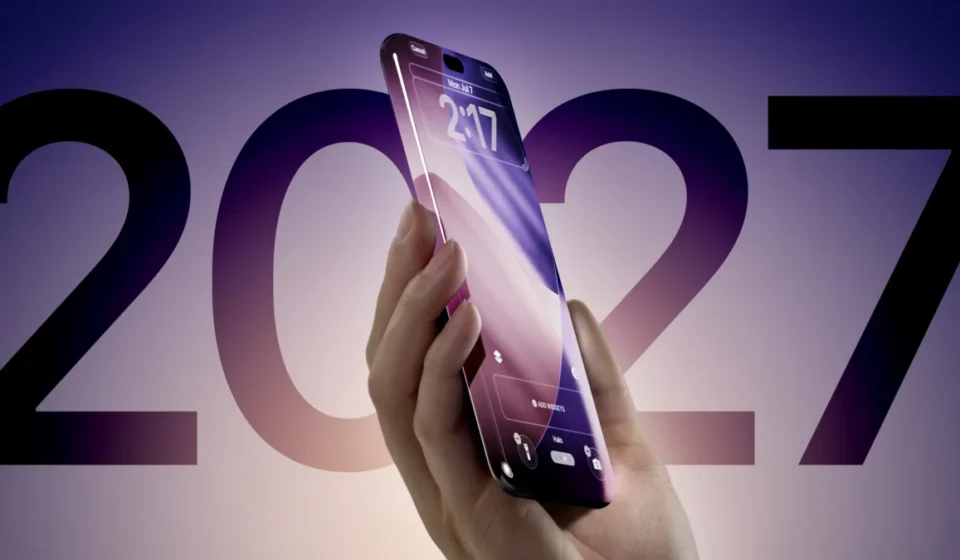
IPhone 20 Pro and Pro Max Displays Hint at Modest Size Increases Alongside Revolutionary ‘Borderless Quad-Curved’ Design

Apple’s highly anticipated 20th-anniversary iPhone lineup, reportedly codenamed "iPhone 20," is rumored to feature subtly larger display diagonals for its Pro models, according to a recent leak from Chinese social media platform Weibo. This development, if accurate, suggests a strategic evolution in screen real estate for Apple’s flagship devices, potentially coinciding with a significant aesthetic overhaul that could redefine the smartphone experience as we know it. The leaked specifications point to a continued refinement of the premium iPhone experience, balancing incremental hardware advancements with ambitious design innovations.
Display Size Evolution: A Gradual Expansion
The latest intelligence, attributed to the prolific leaker Digital Chat Station, indicates that the iPhone 20 Pro may sport a 6.41-inch display. This represents a modest increase from the 6.27-inch screen (often rounded to 6.3 inches for marketing purposes) found on the current iPhone 18 Pro models. Accompanying this is a reported resolution of approximately 2,686 by 1,236 pixels.
For the larger variant, the iPhone 20 Pro Max, the leak suggests a 6.96-inch display. This also marks a slight uptick from the 6.86-inch (rounded to 6.9 inches) panel on the iPhone 18 Pro Max. The resolution for this larger screen is said to be around 2,912 by 1,340 pixels. These figures, when compared to the iPhone 18 Pro Max’s 2,868 by 1,320 pixels, demonstrate a consistent increase in pixel count that aligns with the purported physical dimension adjustments.
This measured approach to screen size expansion is not unprecedented for Apple. The company last significantly adjusted the display dimensions for its Pro iPhones with the iPhone 16 Pro series in 2024. At that time, the iPhone 16 Pro saw its display grow from 6.1 inches to 6.3 inches, while the iPhone 16 Pro Max transitioned from 6.7 inches to 6.9 inches. These increases were largely achieved through a reduction in bezel size and minor adjustments to the overall chassis dimensions, allowing for a larger screen without a proportionally larger physical footprint.
Pixel Density and Visual Fidelity
The leaked resolutions for the iPhone 20 Pro models suggest that Apple intends to maintain a consistent pixel density, likely around 460 pixels per inch (ppi). This is a critical factor in ensuring sharp, detailed visuals. By increasing the resolution in tandem with the physical screen size, Apple aims to preserve the high level of visual fidelity that users have come to expect from its premium devices. This consistency in pixel density ensures that text remains crisp, images are rendered with fine detail, and videos are immersive, without any noticeable degradation in sharpness.
The ‘Borderless Quad-Curved’ Display: A Glimpse into the Future
While the incremental display size increases are noteworthy, the most revolutionary aspect of the rumored iPhone 20 Pro lineup lies in its potential design. Echoing previous reports and consistent with the leaker’s claims, Apple is reportedly testing a "borderless quad-curved" display. This design envisions a screen that gently curves away on all four sides, creating an effect where the display appears to seamlessly meld into the device’s frame.
This ambitious design aims to create an uninterrupted visual experience, akin to a single, unbroken sheet of glass. Reports from earlier in 2026, citing multiple sources, have indicated that Apple’s 20th-anniversary iPhone could adopt a form factor that largely conceals the metal frame bezels during normal use. This would push the boundaries of current smartphone design, moving towards an all-screen aesthetic that minimizes distractions and maximizes the immersive quality of the display.
The concept of a "liquid glass" display, where the edges flow with an almost organic fluidity, has been a subject of intense speculation. If realized, this quad-curved design could represent a significant departure from the flat-edged design language that has characterized iPhones since the iPhone 12. The implementation of such a design would necessitate advanced manufacturing techniques and careful material science to ensure durability and user comfort.
Timeline and Product Naming Conventions
The development of this new iPhone generation follows a strategic nomenclature that Apple has employed in the past. It is widely expected that Apple will skip an "iPhone 19" lineup, mirroring its decision to jump from the iPhone 8 to the iPhone X in 2017 to mark a significant technological leap. This "iPhone 20" designation, therefore, is intended to signify not just a numerical progression but a milestone anniversary – the 20th year of the iPhone’s existence, which originally debuted in 2007.
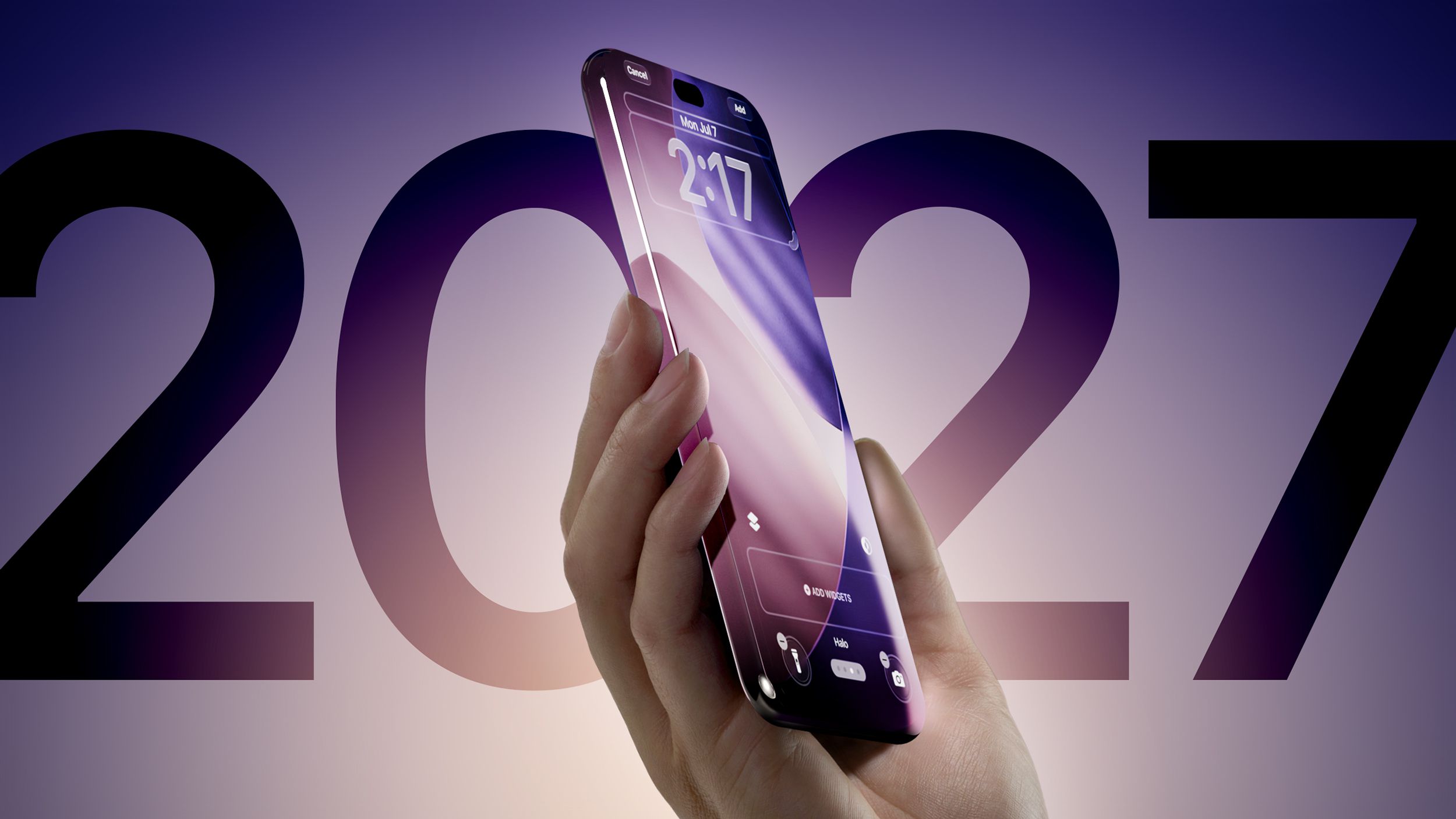
Consequently, the iPhone 20 Pro and iPhone 20 Pro Max are anticipated to launch in September 2027. This follows the expected release of the standard iPhone 18 models earlier in 2027. This staggered release strategy allows Apple to build anticipation and differentiate its product tiers effectively.
Under-Display Technology: A Continuing Pursuit
Beyond the physical dimensions and curvature of the display, Apple is also rumored to be pushing the envelope with under-display technology. While previous reports suggested the potential for thinner and brighter OLED panels, along with under-display Face ID and even an under-display front-facing camera, the latest leak introduces a note of nuance. Digital Chat Station indicates that Apple is currently testing a smaller, hole-punch design for the front-facing camera on the iPhone 20 Pro models, which bears similarities to the approach adopted for the iPhone 18 Pro.
This suggests that Apple may still be evaluating multiple solutions for integrating camera and sensor technology without compromising the display’s aesthetic. The challenges associated with under-display cameras, particularly concerning image quality and light transmission, are well-documented. The performance of under-screen front-facing cameras on devices like the "iPhone Duo" (hypothetical or a previous experimental model mentioned in the context of challenges) serves as a practical example of the hurdles Apple must overcome.
The potential need for a cutout, even a minimal one, for the front camera highlights the ongoing engineering compromises that often accompany ambitious design goals. Achieving a truly uninterrupted display, devoid of any visible notches or punch-holes, while maintaining optimal performance for all front-facing functionalities, remains a significant technical challenge.
Broader Implications and Market Impact
The potential for a "borderless quad-curved" display on the iPhone 20 Pro models represents more than just an iterative hardware update; it signals a potential paradigm shift in smartphone design. If Apple successfully implements this aesthetic, it could set a new benchmark for immersive displays, compelling competitors to follow suit. The reduction of bezels and the seamless integration of the display with the device’s body have been a trend for years, and this quad-curved design takes that concept to its logical, and perhaps radical, conclusion.
The modest increase in screen size, while less dramatic, also reflects a careful consideration of user ergonomics and the practicalities of device handling. Apple has historically balanced screen real estate with comfortable one-handed use, and these leaked dimensions suggest a continuation of that philosophy.
The decision to skip the iPhone 19 and launch a special 20th-anniversary model underscores the importance Apple places on significant design and technological advancements for its milestone products. This approach, reminiscent of the iPhone X launch, aims to generate substantial market excitement and drive upgrades.
The ongoing development and testing of under-display technologies, alongside the potential adoption of a refined hole-punch design, indicate a multifaceted approach to innovation. Apple’s ability to navigate the technical complexities of under-display cameras and sensors will be crucial in determining the final aesthetic and functional capabilities of the iPhone 20 series.
As the 20th anniversary of the iPhone approaches, the industry will be watching closely to see if these leaks materialize into a product that lives up to the legacy of innovation associated with the iconic device. The convergence of refined display sizes and a potentially revolutionary borderless design promises an iPhone that could be as visually stunning as it is technologically advanced. The market is poised for a significant shake-up, driven by Apple’s commitment to pushing the boundaries of what a smartphone can be. The long-term implications for user interaction, content consumption, and the overall smartphone industry remain to be seen, but the stage is set for a potentially transformative release in 2027.