Xiaomi Set to Redefine Mobile Photography with Dual 200MP Cameras, Advanced AI, and Innovative Design in Xiaomi 18 Pro and 18 Pro Max Series

Tomorrow marks a pivotal moment for Xiaomi as the tech giant prepares to unveil its highly anticipated 18 Pro and 18 Pro Max flagship smartphones. Following recent successes, including what many critics lauded as a superior foldable device compared to Apple’s offerings, Xiaomi is poised to push the boundaries of smartphone photography and design. The company has been strategically releasing teasers ahead of the launch, highlighting groundbreaking features such as an advanced privacy display implementation and, most notably, a revolutionary dual-200MP camera system. This system is not merely a numbers game; it integrates cutting-edge sensor technology with sophisticated AI enhancements designed to deliver images that rival those produced by professional-grade cameras.
The Dawn of Dual 200MP Photography: Unpacking Xiaomi’s Camera Revolution
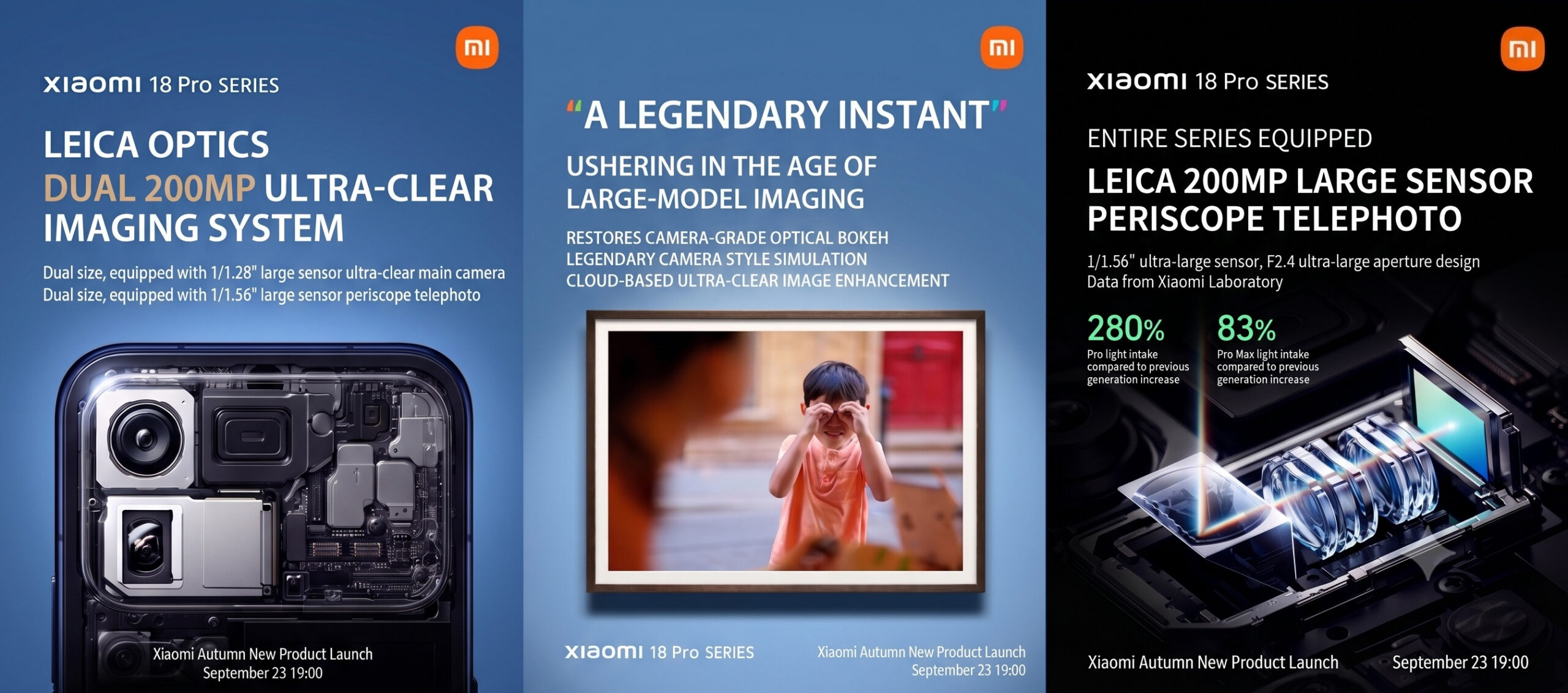
At the core of the Xiaomi 18 Pro and 18 Pro Max’s photographic prowess lies its "dual 200MP ultra-clear" camera system, developed in partnership with imaging specialist Leica. This setup deviates significantly from industry norms, where typically only the primary wide-angle sensor boasts such high pixel counts. Xiaomi’s decision to equip both its primary and periscopic telephoto lenses with 200-megapixel sensors signals an aggressive push for unparalleled detail and versatility across various focal lengths.
The primary 200MP camera is slated to feature a substantial 1/1.28-inch sensor. While Xiaomi has not explicitly named the manufacturer, industry speculation points towards an OmniVision sensor, a key player in high-resolution mobile imaging. This sensor size is marginally larger than the widely acclaimed ISOCELL HP2 sensor used by Samsung in its Galaxy S26 Ultra and previous Ultra models. The larger sensor dimensions are critical for capturing more light, which directly translates to improved low-light performance, reduced noise, and greater dynamic range in images. For years, Samsung has relied on the 200MP ISOCELL HP2 for its top-tier flagships, with rumors suggesting a potential upgrade to a new HP6 sensor for the upcoming Galaxy S27 Ultra, promising better light sensitivity while maintaining a similar physical size. Should these rumors hold true, Xiaomi’s slightly larger primary sensor could still provide a tangible advantage, particularly if Samsung does not integrate advanced features like variable aperture, a technology that Apple has reportedly adopted for its new iPhone 18 Pro.
Beyond the primary lens, the inclusion of a 200MP sensor for the telephoto camera is a significant differentiator. While smaller than the main sensor at 1/1.56-inch, this specification is still remarkably high for a telephoto unit. Based on existing sensor specifications, this is likely a Samsung HP5 sensor. The HP5 has previously proven its mettle as a primary sensor in other high-performance devices, including the Galaxy S25 Edge and the POCO F9 Ultra, demonstrating its capability to deliver exceptional detail. Repurposing such a robust sensor for telephoto duties underlines Xiaomi’s commitment to delivering uncompromised image quality even at extended zoom levels.
Redefining Zoom and Macro Capabilities
The telephoto camera on the Xiaomi 18 Pro series is not just about raw megapixels; it’s about sophisticated optical and computational zoom. Xiaomi has confirmed that this 200MP telephoto lens will offer a native focal length of 75mm, which translates to a 3.2x optical zoom. This optical magnification provides genuine, uncropped zoom without any loss of detail, making it ideal for capturing distant subjects or for creating compelling portraiture with natural depth compression.
However, Xiaomi is pushing the envelope further with claims of 12.8x "lossless" zoom. This impressive feat is presumably achieved through advanced pixel binning techniques. Pixel binning involves combining data from multiple adjacent pixels on the high-resolution sensor into a single, larger "super pixel." In this case, a 4-in-1 pixel binning strategy would effectively downsample the 200MP image to a 50MP image, retaining significant detail while allowing for greater digital magnification with minimal perceived loss of quality. This hybrid approach leverages the high-resolution sensor to offer greater flexibility and reach than traditional optical-only zoom solutions.
The versatility of the 200MP telephoto camera extends to close-up photography as well. Xiaomi teasers suggest the device will be capable of capturing "pseudo-macro" images from a distance of just 12cm. This functionality allows users to capture intricate details of small objects without needing a dedicated macro lens, further enhancing the camera system’s utility. The lens’s large f/2.4 aperture is also a notable highlight, promising bright portraits with pleasing background blur (bokeh), even in challenging lighting conditions. Xiaomi has boldly claimed that the 18 Pro Max will capture an astounding 83% more light than its predecessor, a testament to the combined advancements in sensor technology and aperture size.
Innovative Design Integration: The Secondary Display and Privacy Features
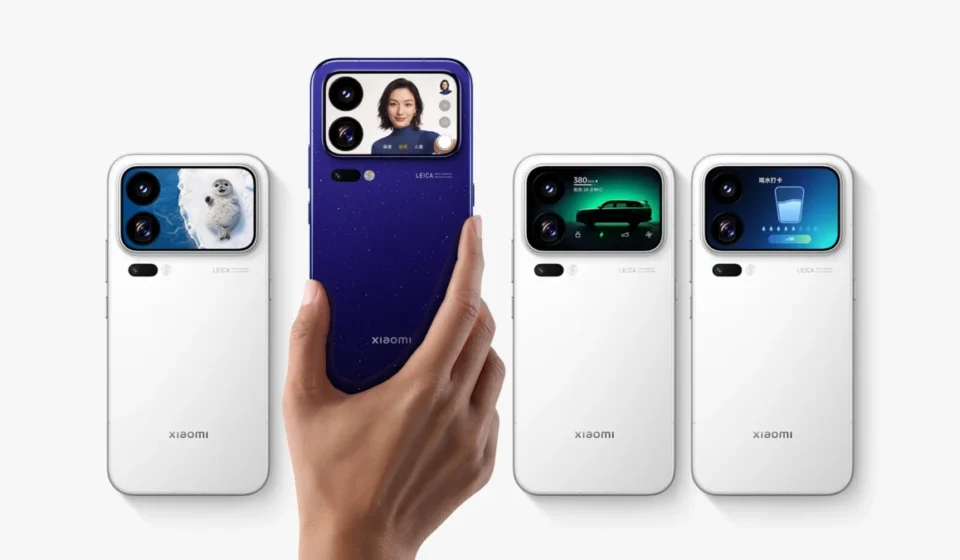
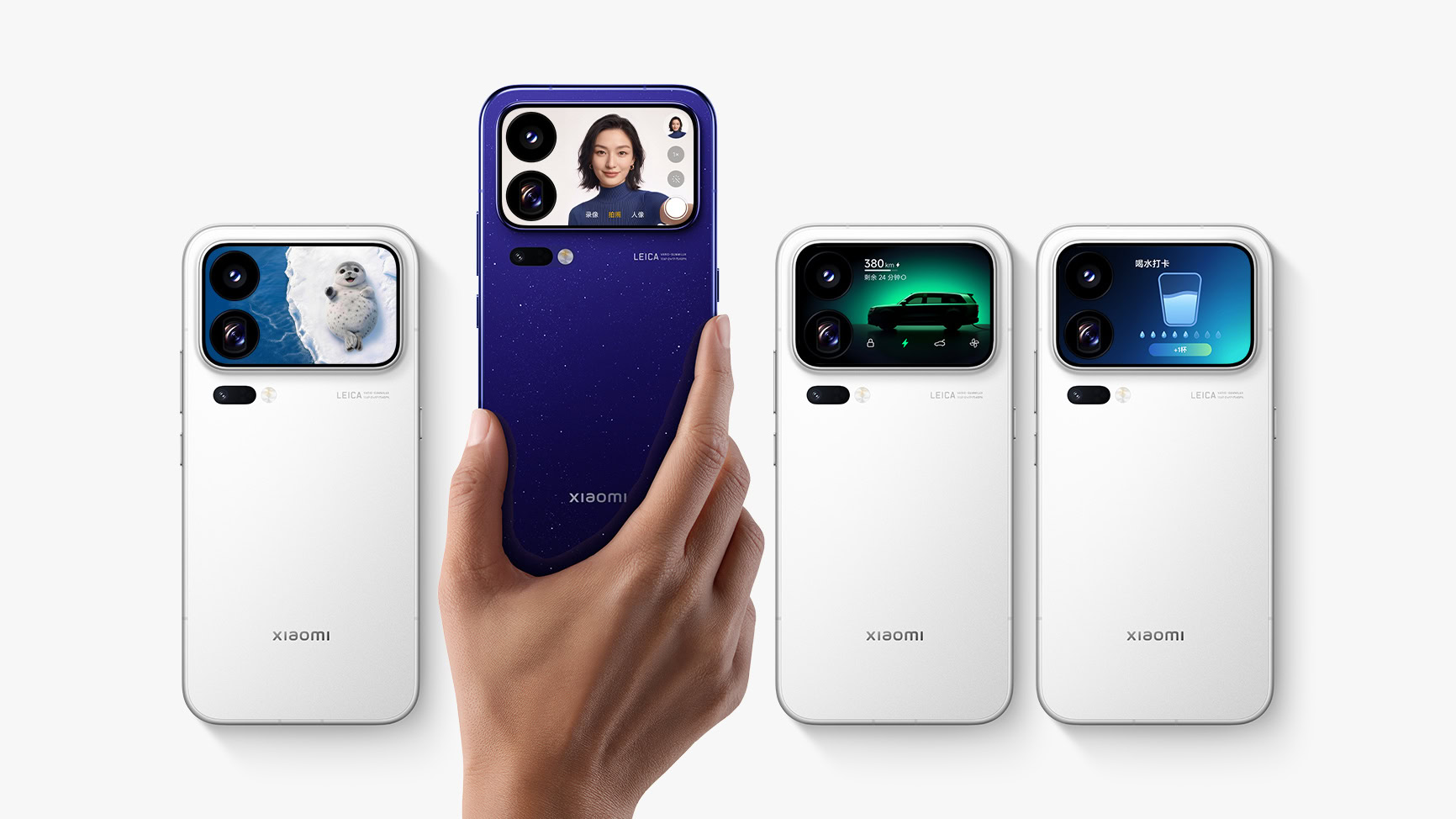
Beyond the camera hardware, Xiaomi is incorporating an innovative design element that integrates functionality directly into the camera module itself. The Xiaomi 18 Pro series is said to feature a design reminiscent of the iPhone 17 Pro, but with a significant twist. Instead of a dormant camera island, Xiaomi has ingeniously utilized this space for a secondary display. This small, active screen wraps around the two prominent 200MP camera units – the primary wide-angle and the periscopic telephoto – while the third ultrawide-angle sensor is discreetly placed below the screen.
This secondary display is not merely an aesthetic flourish; it’s a functional expansion of the user interface. It could serve various purposes, such as displaying notifications, acting as a viewfinder for high-quality self-portraits using the main cameras, showing quick-glance information like time and battery status, or even enabling enhanced privacy features. The original article highlights a "better implementation of the privacy display," suggesting that this secondary screen could be integral to how users control and view sensitive information, potentially offering an ‘always-on’ but discreet display for specific content. This approach not only maximizes screen real estate on the main display but also provides a novel way to interact with the device, setting it apart from competitors.
The Power of Computational Photography: "Legendary Moment" AI Feature
In an era where computational photography increasingly defines smartphone imaging, Xiaomi is introducing a new feature dubbed "Legendary Moment." This AI-backed enhancement is designed to make portraits look "similar to ones shot with actual cameras." While the exact mechanics remain somewhat vague due to the Chinese-to-English translation of the teasers, the implication is clear: Xiaomi is leveraging machine learning to replicate the aesthetic qualities traditionally associated with professional-grade cameras.
This could involve advanced algorithms for depth mapping, natural bokeh rendering, sophisticated skin tone processing, and intelligent dynamic range adjustments that mimic the characteristics of larger sensors and higher-quality optics found in DSLRs or mirrorless cameras. The feature could operate in real-time during photo capture, optimizing settings and processing on the fly, or it might be an enhancement applied in post-processing, allowing users to transform their portraits with a single tap. Regardless of its precise implementation, "Legendary Moment" signifies Xiaomi’s commitment to bridging the gap between smartphone convenience and professional image aesthetics through artificial intelligence. This aligns with a broader industry trend where companies like Google (Pixel series), Apple (Photonic Engine), and Samsung (ProAssist) are increasingly relying on AI and computational photography to enhance image quality beyond hardware limitations.
Behind the Pixels: LOFIC and HDR Excellence
While not explicitly highlighted in the latest teasers, the Xiaomi 18 Pro and 18 Pro Max are expected to continue a technological trend seen in their predecessors: support for LOFIC (Lateral OverFlow Integration Capacitor) technology. The Xiaomi 17 Ultra, for instance, notably featured LOFIC for superior HDR shooting. LOFIC sensors are engineered to handle extremely high dynamic range scenes by effectively preventing pixel saturation in bright areas while simultaneously capturing detail in shadows.
Traditional sensors often struggle with scenes containing both very bright highlights and deep shadows, leading to either blown-out whites or crushed blacks. LOFIC technology addresses this by diverting excess charge from highly illuminated pixels into a lateral overflow capacitor, allowing the sensor to capture a wider range of light intensities simultaneously. This results in images with significantly improved detail retention across the entire tonal spectrum, making it particularly beneficial for challenging scenarios like sunsets, backlit subjects, or brightly lit interiors with dark corners. The anticipated inclusion of LOFIC would further solidify the 18 Pro series’ claim to premium image quality, ensuring that even in the most demanding lighting conditions, photos maintain exceptional clarity and color accuracy.
Xiaomi’s Ascent in the Premium Smartphone Segment
The imminent launch of the Xiaomi 18 Pro and 18 Pro Max is more than just a product release; it’s a statement of intent. Xiaomi has been on a relentless journey to establish itself as a formidable contender in the ultra-premium smartphone market, traditionally dominated by Apple and Samsung. Their earlier success with foldables, where they offered a compelling alternative that garnered praise for its engineering and user experience, demonstrates their capability to innovate and execute at the highest level.
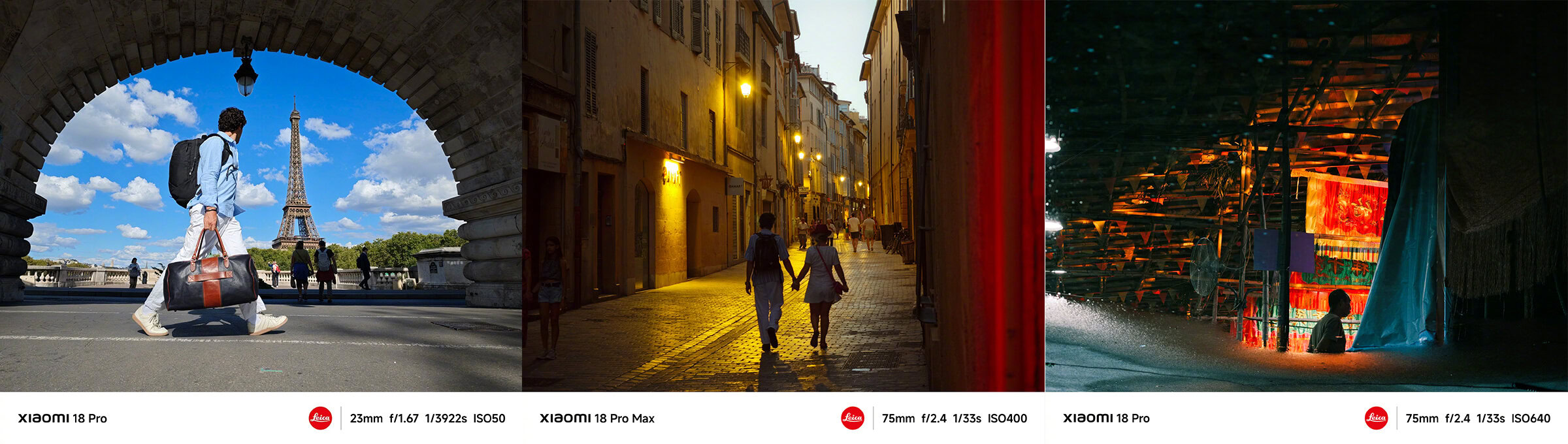
The strategy to equip flagships with dual 200MP cameras, combined with Leica’s expertise and advanced AI, positions Xiaomi as a serious challenger in the fiercely competitive camera-centric segment. This move reflects a broader industry trend where camera performance has become a primary differentiator for high-end smartphones. Consumers are increasingly prioritizing photographic capabilities, and Xiaomi appears determined to deliver a package that not only meets but potentially exceeds these expectations. By integrating a unique secondary display within the camera island, Xiaomi also signals its commitment to design innovation and user-centric features, moving beyond merely copying established designs.
Market Implications and Competitive Landscape
The introduction of the Xiaomi 18 Pro and 18 Pro Max with such advanced camera specifications will undoubtedly send ripples through the global smartphone market. For consumers, it promises an even wider array of choices in the premium segment, pushing competitors to innovate further. The "megapixel wars," while often criticized for being misleading without accompanying sensor quality, are clearly not over. Xiaomi’s approach, however, combines high pixel counts with larger sensors and sophisticated computational photography, aiming for a holistic improvement rather than just a headline number.
This launch will put increased pressure on rivals like Samsung, whose Galaxy S Ultra series has long been synonymous with leading camera technology, and Apple, which consistently refines its camera systems through hardware and software integration. Should Xiaomi deliver on its promises of "actual camera" like image quality and "lossless" zoom capabilities, it could significantly alter brand perceptions and market share dynamics. Industry analysts will closely watch how these features translate into real-world performance and how they are received by discerning users. The implications extend to the broader ecosystem, potentially driving innovation in sensor technology, AI-driven image processing, and integrated design across the industry.
As the official launch draws near, the complete picture of the Xiaomi 18 Pro and 18 Pro Max series will emerge. Details on pricing, global availability, and comprehensive performance benchmarks will provide the final pieces of the puzzle. However, the teasers alone paint a compelling portrait of devices designed to push the boundaries of mobile photography, innovative design, and intelligent user experience, solidifying Xiaomi’s position as a serious force in the premium smartphone arena.