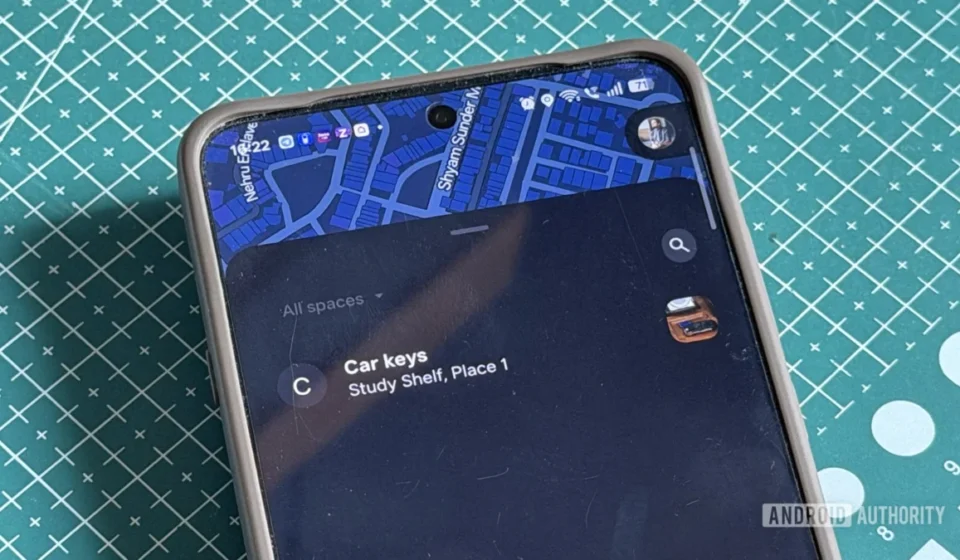
Google’s Find Hub Trackers Gain Critical NFC Support, Enhancing Recovery and User Experience Across Android Ecosystem

Google has significantly bolstered the capabilities of its Find Hub item trackers by integrating Near Field Communication (NFC) support, a pivotal enhancement designed to streamline the identification and recovery of lost items. This update, rolled out as part of Google Play services v26.39 within the broader October System Services updates, marks a strategic move by the tech giant to solidify Find Hub’s position as a robust competitor in the burgeoning item-tracking market. The new functionality allows users to tap a Find Hub-compatible tag with their NFC-enabled smartphone to instantly access its details and settings, offering a more intuitive and rapid interaction than previously available. Crucially, this NFC capability extends to aiding finders of lost items, providing a straightforward method to identify the tag and, by extension, the rightful owner, thereby significantly improving the chances of successful recovery.
The introduction of NFC is not merely a convenience; it represents a thoughtful progression in Google’s long-term vision for its Find My Device network, which aims to leverage the vast global network of Android devices to pinpoint lost items. This development underscores Google’s commitment to enhancing user experience and fortifying the utility of its tracking ecosystem, addressing common pain points associated with misplacing valuables. The ability for anyone to quickly interact with a lost tracker via a simple tap could transform the recovery process, making it more accessible and efficient for both owners and good Samaritans.
The Evolving Landscape of Item Tracking
The market for item trackers has seen substantial growth in recent years, driven by consumer demand for solutions to combat the pervasive problem of lost keys, wallets, bags, and other personal belongings. Companies like Tile pioneered the space, offering Bluetooth-enabled devices that could be located via a smartphone app. However, the advent of ultra-wideband (UWB) technology and vast device networks, notably Apple’s "Find My" network and its AirTag trackers, elevated the capabilities and expectations within this sector. These networks leverage millions of active devices (iPhones, iPads, Macs) to create a dense, anonymized mesh that can detect the Bluetooth signal of a lost tracker, even if it’s far from its owner.
Google’s entry into this sophisticated arena with its own Find My Device network and compatible Find Hub trackers was met with considerable anticipation. The sheer scale of the Android ecosystem, encompassing billions of active devices worldwide, presents an unparalleled opportunity for Google to establish the most expansive item-tracking network globally. This potential, however, required robust features, ease of use, and a strong emphasis on privacy and security to gain user trust and adoption. The initial rollout of the Find My Device network itself faced delays, primarily to ensure that industry-leading anti-stalking measures were fully integrated, demonstrating Google’s commitment to responsible innovation in this sensitive domain.
Google’s Strategic Entry: The Find My Device Network
Google’s Find My Device network, which underpins the functionality of Find Hub trackers, represents a significant expansion of the existing "Find My Device" app. While the original app primarily helped locate lost Android phones, the network transforms virtually every active Android device into a potential beacon for lost items. When a Find Hub tracker is out of its owner’s Bluetooth range, it can anonymously communicate its location to any nearby Android device participating in the network. This device then securely relays the location data back to the owner’s Google account, enabling them to see their item’s last known location on a map.
The ambition behind Google’s network is immense, aiming to offer unparalleled coverage for tracking items globally. The network’s launch was carefully coordinated, involving extensive collaboration with industry partners and privacy advocates to implement features like unknown tracker alerts. These alerts notify Android users if an unknown Find Hub tracker appears to be moving with them over time, a critical safeguard against unwanted surveillance and a direct response to concerns raised by similar technologies. This meticulous approach, though leading to a delayed launch compared to initial expectations, laid the groundwork for a secure and trustworthy ecosystem. The current NFC update builds upon this foundation, adding another layer of practical utility to an already robust framework.
NFC Integration: A Leap in Usability
The core of the recent October System Services update for Google Play services v26.39 is the crucial addition of NFC support for Find Hub-compatible tags. Near Field Communication is a short-range wireless technology that enables communication between devices when they are brought within a few centimeters of each other. While commonly associated with contactless payments and quick pairing of Bluetooth accessories, its application here significantly enhances the interaction model for item trackers.
When an owner taps their Find Hub tracker with their NFC-enabled Android phone, the device instantly pulls up a dedicated interface within the Find Hub app. This interface provides direct access to the tracker’s details, such as its assigned name (e.g., "Car Keys," "Backpack"), battery status, and configuration settings. This eliminates the need to manually open the Find Hub application and navigate through a list of multiple trackers to find the specific one they wish to manage. For users with several trackers attached to different items, this direct interaction offers a considerable time-saving and convenience benefit.
More importantly, the NFC functionality serves a vital role in the event of a lost item. Consider the scenario where a backpack, containing a Find Hub tracker, is accidentally left at a coffee shop. A good Samaritan finds the backpack and notices the small tracker attached. Prior to this update, their options might have been limited: they might recognize it as a tracker but be unsure how to proceed, potentially leading to the item remaining unclaimed or being turned over to general lost-and-found services without direct contact with the owner. With NFC support, the finder can simply tap the tracker with their own NFC-enabled smartphone. This action is designed to display a pre-configured message from the owner, which could include a contact number, email address, or instructions on how to return the item, along with a unique identifier for the tracker. This streamlined "good Samaritan" protocol drastically increases the likelihood of a lost item being returned directly to its owner, bypassing potential intermediaries and reducing friction in the recovery process. Google has likely designed this interaction with privacy in mind, only revealing contact information if the owner has explicitly marked the item as lost and opted to share contact details.
Streamlining the Setup Experience
Beyond the enhanced interaction with existing trackers, Google is also simplifying the initial setup process for new Find Hub tags. The October updates introduce more comprehensive options during the registration of a new tracker, allowing users to configure essential settings upfront. This means that upon pairing a new Find Hub tag, users can immediately:
- Name the tracker: Assign a descriptive name (e.g., "House Keys," "Work Bag," "Pet Collar") for easy identification.
- Choose the item type: Categorize the item the tracker is attached to (e.g., "Keys," "Wallet," "Luggage"). This could potentially optimize tracking behaviors or notification preferences in the future.
- Configure Left-Behind Reminders: Set up alerts that notify the user if they leave a tagged item behind in a specific location or if they move out of range without it. This proactive feature is crucial for preventing loss in the first place.
Integrating these critical setup steps into the initial registration flow significantly improves the out-of-box experience for users. It ensures that vital features are configured from the outset, rather than requiring users to delve into settings menus later, potentially overlooking important functionalities. This holistic approach to user experience, from initial setup to recovery, demonstrates Google’s commitment to making Find Hub a truly intuitive and effective solution.
Beyond Trackers: Broader System Enhancements
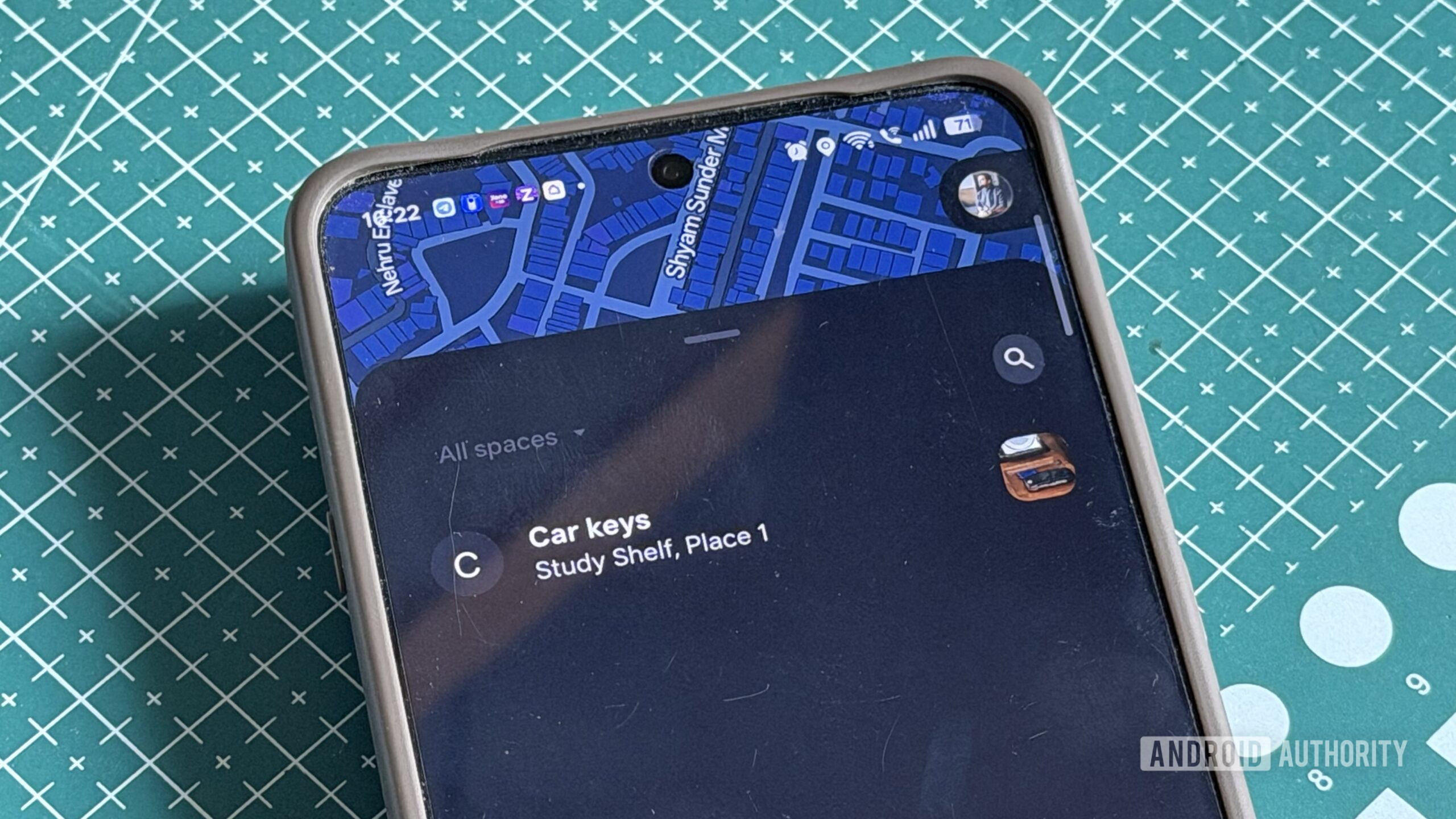
While the Find Hub changes are undoubtedly the highlight of this update, Google’s October System Services updates also include other notable improvements to the Android ecosystem:
- Enhanced Card Tokenization Notifications: Notifications displayed during the process of tokenizing payment cards (e.g., adding a credit card to Google Pay) will now include clearer visual cues. This includes displaying the actual card artwork and payment network logos (Visa, Mastercard, etc.). This seemingly minor detail significantly improves user confidence and clarity, making it easier to identify which specific card a prompt refers to, especially for users with multiple cards. It minimizes the chance of accidental errors during sensitive financial transactions.
- Improved Google Maps Attribution: For applications that integrate specific Google Maps features, users will now have more accessible information regarding the relevant terms and attribution. An "info" icon positioned next to the Google Maps logo within these apps will provide direct access to this crucial data. This enhancement ensures greater transparency and compliance with licensing requirements, while also giving users quick access to information about the map data they are viewing.
These additional updates, though not directly related to item tracking, collectively illustrate Google’s continuous efforts to refine the underlying Android platform and its integrated services, enhancing convenience, clarity, and compliance across various user interactions.
Enhancing the "Good Samaritan" Protocol
The most significant implication of the NFC integration for Find Hub trackers lies in its ability to empower the "good Samaritan." The problem with many lost items, even those with trackers, is that once they are found by someone other than the owner, there’s often no clear, immediate path to return. While the Find My Device network can show an item’s location, it doesn’t inherently provide a direct communication channel between the finder and the owner.
NFC bridges this gap by creating a universal, low-friction mechanism for interaction. Imagine a scenario: Sarah loses her wallet with a Find Hub Card inside. Mark finds the wallet. Instead of wondering what to do, Mark sees the small, identifiable tracker and intuitively taps it with his phone. His phone then displays a message that Sarah pre-configured, such as "This wallet belongs to Sarah. Please call me at [phone number] or email [email address]." This simple interaction transforms a potentially complex recovery into a straightforward one, leveraging the ubiquitous presence of NFC-enabled smartphones. It turns every smartphone into a potential tool for altruism, significantly increasing the probability of a lost item finding its way home.
Privacy and Security at the Forefront
Google has consistently emphasized privacy and security as paramount in the development of its Find My Device network. The implementation of NFC interaction for lost trackers is undoubtedly designed with these principles in mind. It is highly probable that the information displayed to a finder via NFC is carefully controlled and only revealed if the owner has explicitly marked the item as lost within the Find Hub app. This "lost mode" would activate the public-facing NFC data, which might include only necessary contact information, rather than revealing personal details or the owner’s live location.
Furthermore, Google’s existing anti-stalking measures, such as unknown tracker alerts, remain integral to the network. The NFC functionality for finding items is intended to facilitate benevolent returns, not to enable nefarious tracking. The system is designed to provide just enough information to facilitate contact, without compromising the owner’s broader privacy or security. This careful balance is crucial for maintaining user trust in a technology that, while incredibly useful, also carries potential privacy risks if not managed responsibly.
Competitive Edge and Ecosystem Synergy
This NFC update positions Google’s Find Hub more directly against Apple’s AirTags, which have offered similar NFC-based "lost mode" functionality since their inception. By closing this feature gap, Google enhances its competitive stance. While both systems leverage vast device networks, Google’s advantage lies in the sheer global reach of Android. The more accessible and user-friendly these trackers become, the greater their adoption is likely to be, further strengthening the Find My Device network itself.
The synergy within Google’s ecosystem is also a key factor. Find Hub trackers are not standalone gadgets; they are deeply integrated into the Android operating system and Google services. The updates to Google Play services demonstrate this continuous integration, ensuring that new features are seamlessly rolled out to a wide array of Android devices. This integration extends to other Google services, such as Google Maps for location tracking and potentially Google Assistant for voice commands to locate items, creating a cohesive and powerful item-tracking solution. The ease of setup, coupled with the new NFC capabilities, reinforces the idea that Find Hub is an organic extension of the Android experience, rather than an external accessory.
Expert and Community Perspectives
Industry analysts have largely viewed Google’s steady rollout of Find Hub features, including this latest NFC integration, as a critical and necessary step for the company to fully capitalize on its Android network. Many believe that the initial delays in the network’s full launch were prudent, allowing for robust privacy and security features to be implemented, which is essential for long-term user trust. "The addition of NFC support is not just a nice-to-have; it’s a fundamental feature that elevates Find Hub to par with the best in the market," commented tech analyst Sarah Chen. "It addresses a real-world problem of how to effectively return lost items, moving beyond just knowing where they are."
Early reactions from the Android community and tech enthusiasts have been overwhelmingly positive. Users appreciate the practical improvements to both the setup process and the recovery mechanism. The emphasis on user-friendliness and the "good Samaritan" aspect resonates well with the community, highlighting a thoughtful approach to product development. This positive reception is vital for driving widespread adoption of Find Hub trackers and, by extension, strengthening the overall Find My Device network.
The Road Ahead for Find Hub
The integration of NFC support marks a significant milestone for Google’s Find Hub and the broader Find My Device network. It transforms the item-tracking experience from merely locating lost items to actively facilitating their return, making the entire process more efficient and user-friendly. As Google continues to refine and expand its ecosystem, users can anticipate further enhancements, potentially including deeper integration with smart home devices, more granular location precision with UWB support in upcoming tracker models, and even more sophisticated anti-stalking protections.
The trajectory of Find Hub suggests a future where losing an item becomes less of a catastrophe and more of a temporary inconvenience. By continually investing in features that improve both the owner’s experience and the likelihood of recovery, Google is steadily building a comprehensive, secure, and highly effective solution for keeping track of our most valuable possessions in an increasingly connected world. This latest update is a clear indication that Google is not just participating in the item-tracking market, but is actively shaping its future, leveraging the unparalleled reach of its Android ecosystem to do so.