Google Makes SynthID Detector Universally Accessible for Identifying AI-Generated Content

Google has announced the widespread availability of its SynthID Detector, a significant move toward enhancing transparency in the rapidly evolving landscape of artificial intelligence-generated content. The tool, previously accessible only to select members of the media, is now available globally in English, allowing individuals and organizations to identify content that has been watermarked as AI-created by Google’s proprietary technology. This expansion marks a crucial step in Google’s commitment to fostering trust and accountability in the digital realm, where the proliferation of AI-generated media presents both opportunities and challenges.
Unveiling the SynthID Detector: A New Era of Digital Provenance
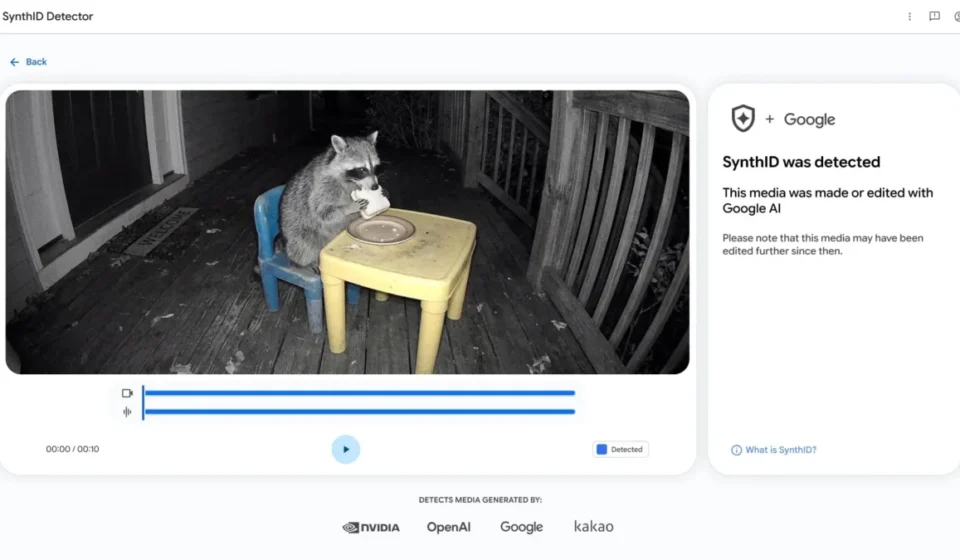
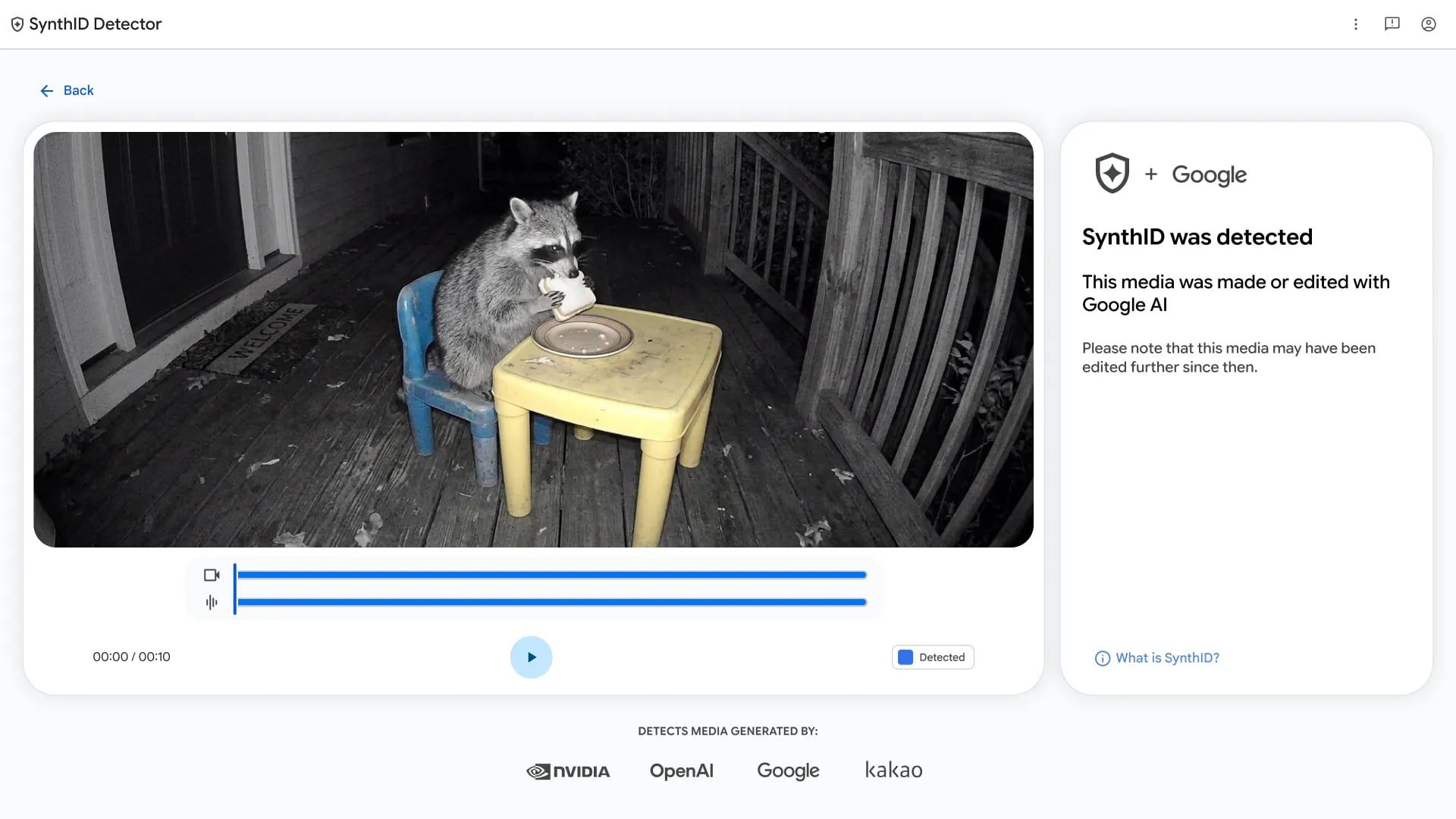
The SynthID Detector operates on a straightforward yet powerful principle: embedding invisible digital watermarks into content generated by AI. These watermarks, imperceptible to the human eye or ear, serve as a unique identifier, signaling that a piece of media originated from an AI system. The detector website provides users with a simple interface where they can upload images, videos, or audio files. The tool then analyzes the submitted media for the presence of these SynthID watermarks, providing a determination on whether the content is likely AI-generated.
This technology is not limited to Google’s own AI models. SynthID Detector is designed to identify media generated using AI from a range of leading developers, including OpenAI, Nvidia, and Kakao. Furthermore, in a testament to the growing industry-wide recognition of the need for such tools, Apple has also indicated plans to integrate SynthID support into its ecosystem later this year, signaling a collaborative effort toward establishing industry standards for AI content attribution.
It is important to note that SynthID Detector is not a universal AI detection tool. Its primary function is to identify media that has been specifically watermarked using Google’s SynthID technology. This means that content created by AI without this specific watermark, or content that has been edited by AI without being generated by it, may not be identified by the detector. Google has emphasized that the tool cannot distinguish between media that was solely created by AI and media that has undergone AI-powered editing. For users seeking immediate checks within Google’s ecosystem, SynthID checks are already integrated into popular platforms such as Search, Gemini, and Chrome, offering a streamlined experience for those who prefer an alternative to the standalone SynthID Detector website.
The Genesis of SynthID: Addressing a Growing Concern
The introduction and subsequent widespread release of SynthID Detector are rooted in the accelerating pace of AI development and its increasing integration into content creation. As AI models become more sophisticated, their ability to generate realistic and compelling images, videos, and text has outpaced the development of reliable methods for distinguishing between human-created and AI-generated content. This has led to growing concerns about the potential for misinformation, the erosion of trust in digital media, and the ethical implications of AI-generated content being presented as authentic.
Google’s SynthID technology was initially developed to address these concerns directly. The concept of digital watermarking for AI-generated content emerged as a promising solution, offering a technical means to imbue AI outputs with a verifiable origin. The initial rollout of SynthID Detector to members of the media last year served as a crucial testing phase, allowing Google to gather feedback, refine the technology, and ensure its accuracy and usability before a broader public release. This phased approach highlights a deliberate strategy to deploy AI tools responsibly, considering their potential impact on society.
A Timeline of Transparency: From Beta to Global Access
The journey of SynthID Detector from a limited release to universal accessibility can be traced through a series of key milestones:
- Early 2025: Initial research and development into AI content watermarking technologies by Google.
- Mid-2025: Development of the SynthID technology, focusing on embedding imperceptible digital watermarks into AI-generated media.
- Late 2025: Internal testing and refinement of the SynthID watermarking algorithm and detection methods.
- Early 2026: The SynthID Detector is made available to a select group of media partners and journalists for beta testing and feedback. This phase is critical for evaluating the tool’s performance in real-world scenarios and identifying any potential vulnerabilities or areas for improvement.
- September 2026: Google announces its intention to expand the availability of SynthID Detector to the public, citing positive feedback from the media beta program and the growing need for AI content identification tools.
- October 7, 2026: Google officially launches the SynthID Detector website for global access in English, marking a significant step towards democratizing AI content transparency.
This timeline underscores Google’s commitment to a measured and iterative approach to deploying powerful AI technologies, prioritizing both innovation and responsible implementation.
Supporting Data and the Technical Underpinnings
The effectiveness of SynthID Detector relies on the robustness of the underlying SynthID watermarking technology. This technology employs sophisticated algorithms to embed specific patterns within the digital data of an image, video, or audio file. These patterns are designed to be highly resistant to manipulation, such as compression, cropping, or minor edits, ensuring that the watermark remains detectable even if the content is altered to some extent.
While specific technical details are proprietary, the process generally involves analyzing the output of AI generation models and subtly modifying pixel values (for images) or audio waveforms in a way that is imperceptible to humans but can be deciphered by a specialized algorithm. The strength of the watermark is calibrated to provide a high degree of confidence in identification without degrading the quality of the original content.
The ability of SynthID Detector to identify media from multiple AI developers, including OpenAI and Nvidia, suggests that the technology is designed to be adaptable and to recognize watermarks that adhere to certain established standards or protocols, even if those protocols are not yet universally mandated. This interoperability is crucial for building a comprehensive ecosystem of AI content identification.
Industry Reactions and the Broader Implications
The introduction of SynthID Detector has been met with a mix of anticipation and cautious optimism from various stakeholders in the technology and media industries.
Content Creators and Publishers: Many welcome the tool as a means to combat the spread of deepfakes and AI-generated misinformation that could undermine their credibility. The ability to clearly label AI-generated content can help maintain audience trust and provide a clear distinction between authentic reporting and synthetic media.
AI Developers: For developers of AI models, SynthID represents a step towards responsible AI deployment. By providing tools to identify their own generated content, they can demonstrate a commitment to transparency and help mitigate potential misuse of their technologies. However, some may face the challenge of integrating SynthID watermarking into their existing workflows.
Regulatory Bodies and Policymakers: The availability of such a tool is likely to be viewed favorably by governments and regulatory agencies grappling with the ethical and societal implications of AI. It offers a practical mechanism for addressing concerns about AI-generated propaganda, election interference, and other forms of malicious content. However, it also raises questions about the enforceability of such watermarking and the potential for bad actors to circumvent the technology.
Academics and Researchers: Researchers in AI ethics and digital forensics are likely to see SynthID Detector as a valuable resource for studying the characteristics of AI-generated content and the effectiveness of different detection methods. It provides a new avenue for empirical research into the capabilities and limitations of current AI technologies.
The broader implications of universally accessible AI content detection tools are profound. In the short term, it is expected to increase awareness among the public about the prevalence of AI-generated media and encourage a more critical approach to consuming digital content. In the long term, it could pave the way for new forms of digital provenance, akin to how digital signatures are used to verify the authenticity of documents. This could lead to a more trustworthy and transparent digital information ecosystem.
However, challenges remain. The arms race between AI generation and AI detection is ongoing. As AI models become more advanced, they may develop capabilities to generate content that can evade detection or even mimic watermarks. Furthermore, the effectiveness of SynthID Detector is contingent on its widespread adoption by AI developers. If only a subset of AI generators implement SynthID watermarking, then the detector will only be able to identify a portion of AI-created content.
The Future of AI Content Verification
Google’s decision to make SynthID Detector universally accessible is a significant development in the ongoing effort to navigate the complexities of AI-generated content. As AI continues to evolve at an unprecedented pace, tools that promote transparency and accountability will become increasingly vital. While SynthID Detector is a powerful step in the right direction, it is likely one of many solutions that will emerge as the world grapples with the transformative power of artificial intelligence. The continued collaboration between technology companies, researchers, and policymakers will be essential in ensuring that AI is developed and deployed in a manner that benefits society as a whole, fostering trust and safeguarding the integrity of our digital world. The integration of SynthID into platforms like Search and Chrome further solidifies its role as a foundational element in Google’s broader strategy for AI transparency, making it a seamless part of the user experience.