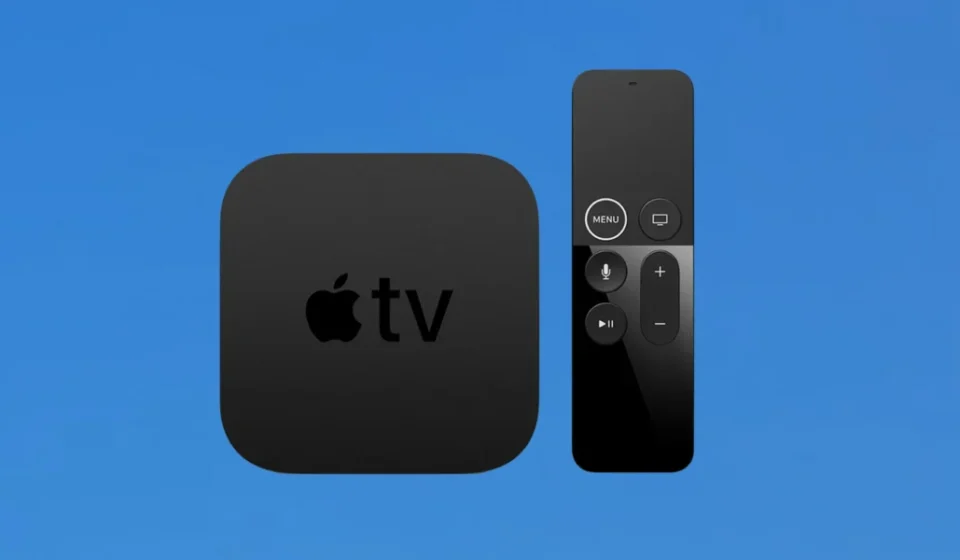

Apple has officially classified its first-generation Apple TV 4K, released in 2017, as a vintage product. This designation, appearing on Apple’s website on October 9, 2026, comes just days before the anticipated debut of a new iteration of the popular streaming device. The move marks a significant milestone for the 2017 model, signifying the end of its mainstream support and the beginning of its transition into Apple’s product history.
The classification of a product as "vintage" by Apple typically means that the device is no longer in production and has not been sold for more than five years but less than seven years. This status has implications for hardware service and support. While Apple and its authorized service providers will continue to offer hardware repairs for vintage products, it is subject to the availability of parts. For products that are older than seven years, they are generally considered "obsolete," and service is no longer available.
This development is particularly noteworthy given recent reports and leaks suggesting that a fourth-generation Apple TV 4K is on the horizon. Industry observers and tech news outlets have been anticipating an update to the Apple TV lineup, with speculation centering on a potential announcement as early as Tuesday, October 13, 2026, as part of a larger Apple event branded "Welcome home." The timing of the vintage designation for the 2017 model strongly supports these rumors, indicating that Apple is preparing to phase out the older hardware and introduce its successor.
A Look Back at the 2017 Apple TV 4K
The original Apple TV 4K, introduced in September 2017 alongside the iPhone 8 and iPhone X, was a significant upgrade for Apple’s home entertainment device. It was the first Apple TV model to support 4K resolution and High Dynamic Range (HDR) video playback, including Dolby Vision and HDR10. This was a crucial step in keeping pace with the evolving television landscape, where 4K displays were becoming increasingly common in living rooms.
Under the hood, the 2017 Apple TV 4K was powered by the A10X Fusion chip, the same processor found in that year’s iPad Pro models. This provided a considerable boost in performance over its predecessor, the fourth-generation Apple TV (released in 2015), which lacked 4K capabilities and was powered by a less potent A8 chip. The enhanced processing power ensured smoother playback of high-resolution content, more responsive app performance, and the ability to handle graphically demanding games within the tvOS App Store.
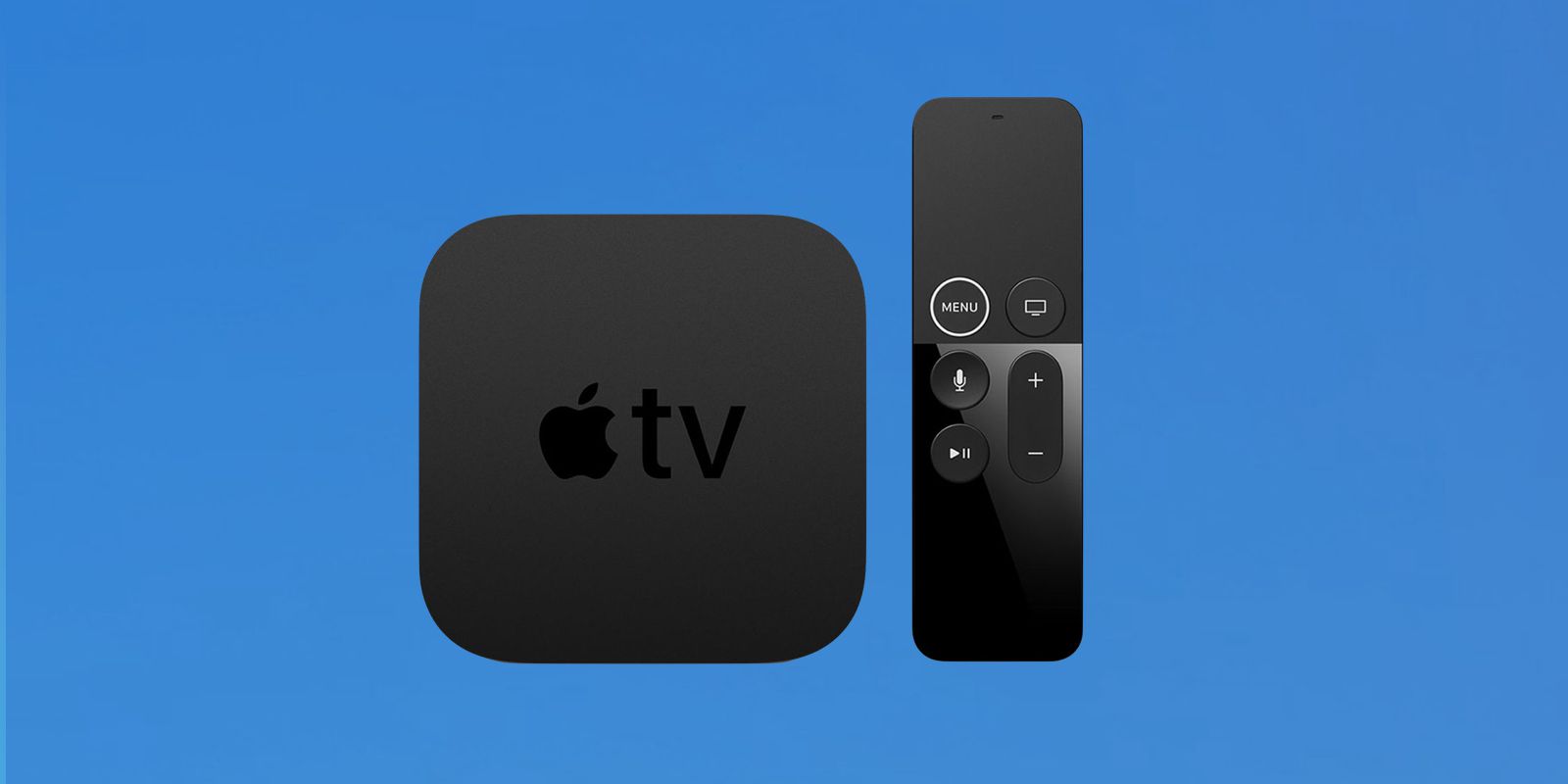
The device retained the familiar compact, black hockey-puck design of its predecessor. It featured the Siri Remote, a sleek aluminum remote with a touch-sensitive surface for navigation, voice control via Siri, and a Lightning connector for charging. Connectivity options included HDMI 2.0a, Gigabit Ethernet, Wi-Fi 802.11ac with MIMO, and Bluetooth 5.0.
The Evolution of Apple TV
The introduction of the 4K-capable Apple TV in 2017 marked a pivotal moment in the evolution of Apple’s living room strategy. Before this, the Apple TV had primarily served as a media streamer for accessing iTunes content, streaming services, and apps. While it was a capable device, its lack of 4K support began to feel like a disadvantage as the market shifted.
The fourth-generation Apple TV, released in 2015, was the first to run a full tvOS, allowing for the installation of third-party apps and games from the App Store. This transformed the Apple TV from a simple media player into a more versatile entertainment hub. However, it was the 2017 model that truly cemented its place as a premium streaming device by embracing the burgeoning 4K standard.
Since 2017, Apple has released one subsequent iteration of the Apple TV 4K, the second generation, in 2021. This model featured an upgraded A12 Bionic chip, a redesigned Siri Remote with a clickpad and no touch surface for scrolling, and support for Wi-Fi 6. The 2021 model also introduced a higher-frame-rate HDR capability with Dolby Vision.
Anticipation for a New Model
The recent leaks and rumors surrounding a new Apple TV 4K are not entirely unexpected. The current 2021 model, while still capable, is approaching the typical refresh cycle for such devices. Leaks, such as the discovery of an image file for an "Apple TV 4K (4th generation)" by MacRumors contributor Aaron Perris on September 25, 2026, have fueled speculation. This image suggested that the external design of the new model would remain largely the same as the current iteration, implying that any significant upgrades would be internal.
Further leaks on the same day indicated that a new iPad mini with an A20 Pro chip and new HomePod mini colors might also be on the way, suggesting a broader product refresh event. The expectation is that any new Apple TV 4K would likely feature a more powerful processor, potentially improving performance for gaming, app multitasking, and advanced video processing. Enhanced connectivity options, such as faster Wi-Fi standards or an improved Bluetooth implementation, could also be on the table.
The "Welcome home" branding for the potential October 13th event hints at a focus on enhancing the home entertainment experience, which aligns perfectly with a new Apple TV 4K. Apple’s product launch events are meticulously planned, and the timing of the 2017 model’s vintage designation strongly suggests that the company is preparing to showcase its latest advancements in home streaming technology.
Implications of the Vintage Designation
For owners of the 2017 Apple TV 4K, the "vintage" classification means that while support for hardware repairs will continue, it will be dependent on the availability of spare parts. This is a standard practice for Apple as it manages its product lifecycle. Users who experience hardware failures with their 2017 Apple TV 4K might find that certain components are no longer readily available for repair.
This designation serves as a subtle nudge for users to consider upgrading to a newer model, especially as new hardware is poised to be released. The benefits of upgrading typically include improved performance, enhanced features like support for newer video and audio codecs, and continued software updates for a longer period.
From a broader market perspective, the vintage status of the 2017 model underscores the rapid pace of technological advancement in the consumer electronics sector. What was once a cutting-edge device offering premium features like 4K HDR is now considered legacy hardware within seven years. This highlights the importance of planned obsolescence in driving consumer upgrades and the continuous innovation cycle within the tech industry.
Historical Context of Apple TV Product Cycles
Apple TV product cycles have historically varied. The first Apple TV was released in 2007, followed by the second generation in 2010, the third generation in 2012 (with a refresh in 2013), and then a significant redesign with the fourth generation in 2015. The introduction of 4K support in 2017 with the fifth generation was a major leap. The sixth generation, released in 2021, focused on internal performance and a refined remote.
The gap between the 2017 and 2021 models was six years, a longer interval than previous generations. The anticipated release of a fourth-generation Apple TV 4K in 2026 would mark a five-year gap since the 2021 model. This shorter cycle might indicate Apple’s renewed focus on keeping its streaming hardware competitive with the rapidly evolving landscape of streaming technologies and content delivery.
Supporting Data and Market Trends
The streaming device market is highly competitive, with players like Amazon (Fire TV), Google (Chromecast with Google TV), and Roku offering a wide range of devices at various price points. Apple TV, positioned as a premium option, competes not only on hardware specifications but also on its ecosystem integration, the quality of its tvOS, and its access to Apple’s services like Apple Arcade, Apple Fitness+, and Apple TV+.
The continued growth of 4K content and the increasing adoption of HDR technologies by content providers and broadcasters further necessitate up-to-date hardware. As of 2026, 4K resolution has become the de facto standard for premium streaming, with many consumers expecting their devices to deliver this quality seamlessly. Furthermore, the proliferation of smart home ecosystems and the desire for a centralized hub for media consumption and smart device control mean that devices like the Apple TV play an increasingly important role in the modern home.
The vintage classification of the 2017 Apple TV 4K is a natural progression in this market. It allows Apple to manage its inventory, focus its engineering resources on newer technologies, and encourage users to adopt devices that can take full advantage of the latest advancements in audio-visual technology and streaming capabilities.
Official Responses and Industry Reactions
While Apple does not typically issue press releases for product lifecycle designations like "vintage," the update on its support website is an official acknowledgment. The broader tech industry and news outlets, such as MacRumors, have consistently tracked these designations as indicators of upcoming product cycles and potential hardware refreshes.
The anticipation for a new Apple TV 4K is high, driven by the desire for enhanced performance, particularly for gaming and demanding applications within tvOS. Industry analysts have suggested that a new chip, possibly an A15 or A16 Bionic derivative, could be incorporated into the next Apple TV 4K, offering a significant performance uplift. This would not only benefit existing applications but also pave the way for more advanced gaming experiences and potentially new augmented reality features in the future, should Apple choose to explore such avenues with its living room hardware.
Broader Impact and Future Implications
The transition of the 2017 Apple TV 4K to vintage status is more than just an administrative update; it signals the ongoing evolution of home entertainment technology. As devices become more powerful and capable, the lifespan of older hardware becomes shorter, prompting consumers to upgrade to experience the latest innovations.
For Apple, this move allows them to maintain a competitive edge in the streaming device market. By refreshing its hardware, Apple can continue to offer a compelling product that integrates seamlessly with its ecosystem of devices and services, reinforcing its position as a provider of premium home entertainment solutions. The potential for new features and improved performance in the upcoming model will undoubtedly be a key factor in attracting both new customers and existing Apple TV users looking to upgrade. The "Welcome home" event, if it indeed unveils the new Apple TV 4K, will likely emphasize how the new device further enhances the comfort and connectivity of the modern living space, solidifying Apple’s vision for the connected home.