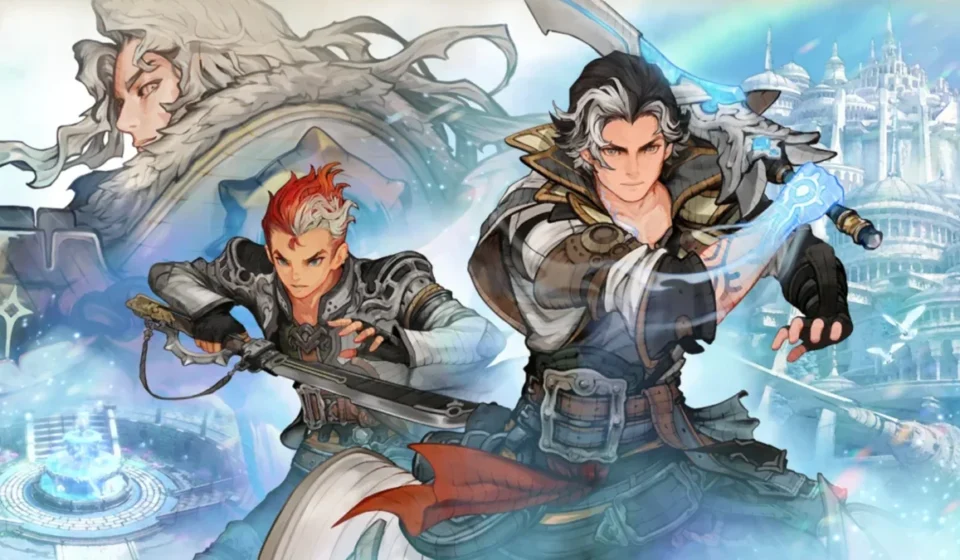
Eternal Anima: A Groundbreaking JRPG Hybrid Redefining Turn-Based Combat and Narrative Interplay

The gaming landscape is constantly evolving, with developers striving to innovate and offer players fresh experiences. A prime example of this drive for novelty is the recently previewed JRPG, Eternal Anima. This upcoming title, showcased at the September 2026 Nintendo Direct, has generated significant buzz for its ambitious blend of classic turn-based mechanics with a unique temporal manipulation system, potentially appealing to both seasoned JRPG aficionados and a broader audience seeking engaging gameplay. An extended hands-on preview of the game, which offers a glimpse into its mechanics and narrative depth, suggests that Eternal Anima is poised to make a considerable impact upon its release on the Nintendo Switch 2 and PC.
A Fusion of Fantasy and Sci-Fi: The Premise of Eternal Anima
Eternal Anima positions itself as a top-down, turn-based RPG that masterfully weaves together the fantastical elements of magic with the intricate possibilities of science fiction, specifically time travel. The initial preview materials, drawn from approximately three hours into the game, leaned heavily into its fantasy roots. Players are introduced to the world through exploration of La Boset, a region characterized by lush forests and flowing rivers. This environment serves as a fertile ground for the game’s core gameplay loop: resource gathering, puzzle-solving, and engaging in combat against a variety of flora and fauna-inspired enemies.
The game’s core innovation lies in its combat system, prominently featured in promotional trailers. At the heart of this system is a dynamic timeline bar displayed at the bottom of the screen. This mechanic is intrinsically linked to the protagonist, Wade, whose unique abilities allow him to perceive and influence both the past and the future. Consequently, players are granted a clear view of the intended actions of every participant on the battlefield. This foresight is reminiscent of established JRPG mechanics, notably seen in titles like Final Fantasy X, where understanding enemy intent is crucial for strategic victory.
However, Eternal Anima diverges significantly by introducing a responsive timeline. Each player action directly impacts and reshapes the unfolding sequence of events. This means that a carefully chosen move can not only execute a desired outcome but also dynamically alter the turn order and enemy capabilities. In a particularly striking display of this mechanic, players can even preempt an enemy’s action entirely by strategically displacing them from the established timeline, effectively nullifying their turn. This level of temporal agency promises a strategic depth rarely seen in the genre, moving beyond rote execution of commands.

Rethinking Turn-Based Combat: A Strategic Puzzle
The initial impression of Eternal Anima‘s combat might lead some to question its engagement factor. If the enemy’s actions are predetermined and visible, does this detract from the thrill of the unknown inherent in traditional turn-based battles? The hands-on experience suggests the opposite. Rather than feeling like a gamble with uncertain outcomes, the combat transforms into a complex, strategic puzzle. Players are tasked with dissecting the timeline, identifying the optimal sequence of actions that leads to the most advantageous result.
This approach fosters a deep sense of investment. Players aren’t simply reacting to threats; they are actively constructing a perfect battle scenario. The pursuit of this "mathematical absolute best outcome" becomes the primary driver, turning each encounter into a test of logical deduction and foresight. The satisfaction derived from successfully piecing together the optimal timeline and witnessing its flawless execution provides a unique and rewarding experience, offering a compelling reason for players to meticulously plan their every move. This focus on pre-emptive strategy and temporal manipulation offers a fresh perspective on what turn-based combat can be, potentially revitalizing a genre that some perceive as having become stagnant.
A Narrative Rich with Intrigue and Relatable Conflict
In stark contrast to the clinical precision of its combat system, Eternal Anima‘s narrative is presented as emotionally charged and organically unfolding. The game boasts a substantial cast of characters, each endowed with their own distinct ambitions, skills, and personal desires. The interplay and inevitable clashes between these diverse personalities form the backbone of the storyline. This intricate web of motivations and conflicts promises a narrative that is both complex and deeply engaging.
The preview experience highlighted the political undercurrents within the narrative, particularly in the region of La Boset. Discussions surrounding the salvation of the world, or even the debate about whether the world is truly facing an apocalypse, resonate with contemporary real-world political struggles. This grounding in relatable themes suggests that Eternal Anima aims to deliver a story that is not only epic in scope but also deeply human and thought-provoking. The exploration of these complex societal issues through the lens of a fantasy world offers a powerful platform for commentary and player reflection.
The Power of Psychometry: Unlocking New Potential
Beyond the core combat and narrative, Eternal Anima introduces the protagonist Wade’s unique "Psychometry" powers. This ability, which allows him to interact with echoes of the past, serves as a pivotal narrative and gameplay mechanic. The preview highlighted a particularly memorable instance of this power in action: the acquisition of a new weapon.

A shimmering sword on the in-game map signaled the presence of a new hero to learn from. A subsequent cutscene revealed the story of Fletcher, a past warrior whose archery prowess was now accessible to Wade. The narration, "His body was gone, but his deeds lived on," powerfully underscored the game’s theme of legacy and the enduring impact of actions across time. This mechanic not only served as an effective method for introducing a new character class but also enriched the narrative by imbuing the acquisition of new abilities with a sense of history and consequence. Such innovative storytelling methods can often surpass traditional cutscenes in their ability to captivate and immerse players in the game’s world and lore.
Visual Presentation: A Divisive Artistic Choice
While Eternal Anima excels in its gameplay mechanics and narrative potential, its art style presents a point of divergence. The game employs a visual approach that suggests a 2D-HD aesthetic without fully committing to it, creating what some might perceive as a visual trick. A notable criticism from the preview was the character rendering within the environments, which occasionally appeared somewhat cartoonish and detracted from the overall immersion. This particular aspect might be a matter of personal taste, with some players potentially finding the style to be nostalgic.
However, the art direction for character portraits, used during dialogue sequences, received high praise. These portraits are described as "super cute" and were instrumental in bringing the characters to life, effectively conveying their personalities and emotions. This dichotomy in visual reception suggests that while the general aesthetic may be divisive, specific elements are clearly designed to enhance player connection with the game’s inhabitants.
Official Announcements and Release Details
The unveiling of Eternal Anima at the September 2026 Nintendo Direct was a significant moment for the game’s development studio, which has remained largely tight-lipped about specific details until this prominent showcase. The event provided an official platform to demonstrate the game’s core mechanics and narrative ambitions. Following the direct presentation, the development team has confirmed that Eternal Anima is slated for release on March 4, 2027. The game will be available on both the upcoming Nintendo Switch 2 console and PC platforms, indicating a broad target audience and a commitment to accessibility across major gaming ecosystems.
While specific sales projections or target audience figures have not been officially released by the developers or publishers, the game’s unique proposition suggests a strong potential for commercial success. The current market for JRPGs remains robust, with a consistent demand for innovative titles. By offering a fresh take on established genre conventions, Eternal Anima is well-positioned to capture a significant share of this market. The inclusion of a robust temporal combat system, coupled with a narrative that promises depth and relatability, could attract players who have found traditional turn-based combat to be repetitive, as well as dedicated JRPG fans looking for a new challenge.

Broader Implications for the JRPG Genre
The success of Eternal Anima could have far-reaching implications for the JRPG genre. Its innovative approach to turn-based combat, particularly the dynamic timeline manipulation, offers a blueprint for future developers seeking to evolve the genre beyond its established norms. By demonstrating that turn-based combat can be both strategic and deeply engaging through the integration of foresight and temporal consequence, Eternal Anima challenges the notion that such mechanics are inherently less action-oriented than real-time combat systems.
Furthermore, the game’s successful fusion of disparate genres – high fantasy and science fiction – with a "light touch" approach suggests a viable path for creating cohesive and compelling narrative experiences. Many games have attempted similar genre crossovers, but Eternal Anima‘s apparent success in making these elements feel organic rather than forced could inspire a new wave of creative storytelling. If the game lives up to its preview potential, it may be lauded as one of the best JRPGs of its release year, prompting a reevaluation of what constitutes a compelling JRPG in the modern era. The positive reception from early playtesters, who noted the game’s ability to build its world and characters effectively, further bolsters this optimistic outlook.
In conclusion, Eternal Anima stands as a promising contender in the upcoming JRPG landscape. Its innovative combat mechanics, engaging narrative potential, and intriguing genre blend position it as a title worth watching. The strategic depth offered by its temporal timeline system, combined with a story that explores complex themes, suggests that this game could appeal to a wide spectrum of players. As the release date approaches, the anticipation for Eternal Anima continues to build, with the potential to not only satisfy existing JRPG fans but also to draw in a new generation of players with its groundbreaking approach.