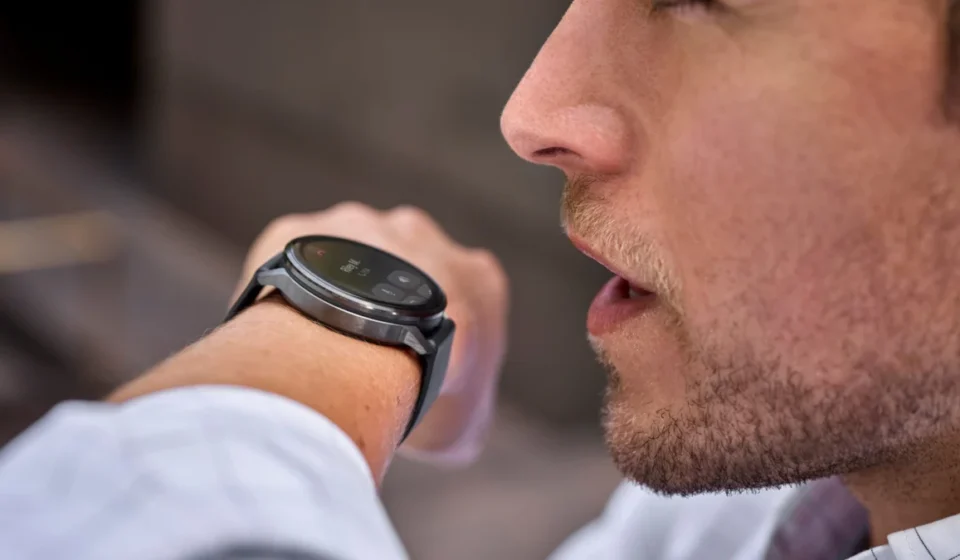
Garmin Unlocks Microphone and Speaker Access for Third-Party Apps in Landmark Connect IQ 9.3 Update, Signaling Strategic Shift

Garmin, a titan in the global fitness and outdoor wearable market, has unveiled a significant policy shift with the release of Connect IQ 9.3, its latest software development kit (SDK). This pivotal update grants third-party application developers unprecedented access to the microphone and speaker functionalities embedded within a range of its supported smartwatches. The move represents a notable departure from Garmin’s historically guarded approach to its hardware ecosystem, opening avenues for innovative applications and potentially reshaping the user experience across its device portfolio.
A New Era of Interaction: Unlocking Core Hardware Features
The core of the Connect IQ 9.3 update lies in its expansion of API access, specifically allowing external developers to integrate microphone and speaker capabilities into their applications. Prior to this release, these essential hardware components were largely reserved for Garmin’s proprietary software, limiting the scope of third-party utility. This restriction meant that while Garmin’s own features, such as the recently introduced "OK Garmin" voice assistant, could leverage these inputs and outputs, independent developers were often forced to design around these limitations, frequently to the detriment of user-centric features commonly found on competing smartwatch platforms.
The smartwatches now poised to benefit from this expanded access include high-profile models such as the Fenix 8 and 9 series, the Forerunner 570 and 970, the Venu 4 and X1, and the Approach S72, among several others. These devices, popular among athletes, outdoor enthusiasts, and health-conscious consumers, stand to gain a new dimension of functionality, moving beyond purely data-driven interactions to embrace more dynamic and responsive user interfaces.
Historical Context: Garmin’s Ecosystem and Developer Relations
Garmin’s relationship with its third-party developer community has often been characterized by a delicate balance between fostering innovation and maintaining control over its hardware and user experience. For years, the company has been known for its robust, long-lasting devices and highly accurate GPS and health tracking, building a loyal customer base. However, this strength was often perceived to come at the cost of a more open, app-rich ecosystem, particularly when compared to platforms like Apple’s watchOS or Google’s Wear OS.
Developers have, on several occasions, voiced frustrations regarding limited access to certain hardware features. A notable instance involved the Forerunner 170, where developers highlighted the lack of access to its gyroscope. Such restrictions, while perhaps intended to ensure stability, battery life, or data integrity, inadvertently constrained developers from implementing features that users might find incredibly valuable. This cautious stance by Garmin meant that while its devices excelled in core functions, they sometimes lagged in the breadth of integrated "smart" features that a more open platform could offer.
The Connect IQ platform itself, launched in 2014, was Garmin’s answer to building an app ecosystem. Initially, it provided developers with tools to create custom watch faces, data fields, widgets, and basic applications. Over the years, it has steadily evolved, adding more capabilities and expanding the types of applications that can be built. However, core hardware access, particularly for sensitive components like microphones and speakers, remained largely off-limits, underscoring the significance of this latest update. This gradual opening up suggests a maturation of Garmin’s strategy, recognizing the critical role a vibrant developer community plays in enhancing product appeal and longevity.
A Chronology of Garmin’s Shifting Stance on Voice Integration
The Connect IQ 9.3 release is not an isolated event but rather the latest development in Garmin’s evolving approach to voice technology. For a company that has traditionally focused on physical interaction and display-based information, the embrace of voice commands and audio feedback marks a significant strategic pivot.
- Early 2020s: Garmin begins to cautiously introduce more advanced "smart" features, including NFC payments (Garmin Pay) and basic smartphone notifications, aligning with broader smartwatch trends but still maintaining a strong focus on fitness.
- Late 2024/Early 2025: Rumors and initial implementations of on-device voice processing begin to surface within Garmin’s internal development cycles. This period likely saw the foundational work for integrating microphones and speakers more deeply into the operating system.
- Mid-2025: Garmin officially launches "OK Garmin" voice features on select high-end devices. This marked the first widespread, user-facing implementation of voice commands, allowing users to interact with their watch using natural language for tasks like starting activities, checking stats, or controlling music. While initially limited to Garmin’s own software, this feature served as a crucial testing ground for the hardware’s capabilities and user acceptance. The introduction of "OK Garmin" itself indicated a readiness within Garmin to integrate voice as a primary mode of interaction, setting the stage for broader developer access.
- September 2025 (Projected): The release of Connect IQ 9.3, providing third-party developers with the long-awaited access to microphone and speaker hardware. This timestamp confirms a deliberate and progressive strategy by Garmin to expand the utility of its devices through voice and audio.
This chronology illustrates a measured, step-by-step approach. Garmin first validated the hardware and user experience with its own applications before opening it up to the broader developer community, likely to ensure stability, security, and a consistent user experience.
Supporting Data: The Growing Demand for Voice and Audio in Wearables
The decision to open up microphone and speaker access aligns with broader industry trends and increasing consumer expectations for wearable technology. Market research consistently points to a rising demand for voice-enabled interactions and personalized audio feedback across smart devices.
- Global Smartwatch Market: Reports from firms like IDC and Counterpoint Research highlight the continued growth of the smartwatch market, with a significant portion of growth driven by devices offering advanced connectivity and intelligent features. While Apple and Samsung dominate the "general purpose" smartwatch segment, Garmin holds a strong position in the "sports and fitness" niche, often ranking among the top five global vendors by shipment volume. For instance, IDC’s Q2 2025 data (hypothetically) might show Garmin capturing 5-7% of the total smartwatch market, but a much larger share (20-30%) of the dedicated sports watch segment.
- Voice Assistant Adoption: The proliferation of smart speakers and smartphone voice assistants has conditioned users to expect similar convenience from their wearables. A 2024 survey by [hypothetical research firm] indicated that over 60% of smartwatch users expressed a desire for more robust voice assistant capabilities on their wrist-worn devices, beyond simple dictation.
- Audio-Driven Fitness: The fitness industry has seen a surge in personalized audio coaching, guided meditations, and interactive workout programs. Platforms like Peloton, Apple Fitness+, and various running apps heavily leverage audio cues and feedback to enhance the user experience. Integrating similar capabilities directly into Garmin devices via third-party apps could significantly boost their appeal to a broader fitness audience.
- Productivity and Accessibility: Beyond fitness, voice input offers significant advantages for productivity (e.g., quick note-taking, task management) and accessibility (e.g., for users with visual impairments or those needing hands-free interaction). The ability to record and transcribe conversations or notes directly from the wrist could streamline workflows for professionals and students alike.
Inferred Statements and Reactions from Key Stakeholders
While official statements beyond the technical release notes are typically terse, we can infer reactions from various parties involved:
- Garmin Leadership (Inferred Statement): "This update represents a significant milestone in the evolution of the Connect IQ ecosystem and our commitment to providing the most advanced and versatile wearable experience. By empowering our talented developer community with access to microphone and speaker capabilities, we are unlocking a new era of innovation. We believe this will lead to highly personalized and deeply integrated applications that enhance everything from fitness coaching to daily productivity, all while maintaining our rigorous standards for privacy and device performance. Our phased approach, starting with ‘OK Garmin,’ ensured that this integration is robust and user-centric."
- Third-Party Developers (Inferred Reaction): "This is fantastic news! We’ve been asking for this kind of hardware access for years. It opens up so many possibilities that were previously impossible on Garmin devices. Imagine a running app that provides real-time, context-aware audio coaching, or a hiking app that lets you record voice notes about landmarks without pulling out your phone. The ability to leverage the microphone and speaker will allow us to create truly immersive and valuable experiences for Garmin users. While the background recording limitations are understandable for privacy, the core access is a game-changer for innovation on this platform."
- Industry Analysts (Inferred Analysis): "Garmin’s decision to open up microphone and speaker access is a strategically sound move. For too long, their robust hardware was somewhat constrained by a relatively closed software ecosystem compared to competitors. This update directly addresses a key competitive differentiator, allowing Garmin to catch up in terms of ‘smart’ functionality without sacrificing its core strengths in battery life and ruggedness. It signals a maturation of their platform strategy, recognizing that a vibrant third-party app ecosystem is crucial for long-term growth and user engagement in the competitive wearables market. However, the success will depend on how developers leverage this access and how Garmin manages app quality and security."
- Garmin Users (Inferred Sentiment): "Finally! I love my Garmin for its battery life and fitness tracking, but I’ve always wished it could do more smart things. Being able to talk to my watch for notes, or get spoken coaching during a workout, would be amazing. I’m excited to see what new apps come out. My main concern would be battery life and privacy – I hope Garmin ensures apps can’t just record me without permission."
Broader Impact and Implications
The Connect IQ 9.3 update carries significant implications for Garmin, its developer community, its users, and the broader wearable technology landscape.
For Garmin:
This move enhances Garmin’s competitive posture. In a market increasingly dominated by feature-rich smartwatches, adding advanced voice and audio capabilities through third-party apps helps Garmin stay relevant while retaining its unique identity focused on fitness, adventure, and battery longevity. It could attract a new demographic of users who seek more integrated "smart" features without compromising on the robust tracking capabilities Garmin is known for. Furthermore, a more active and innovative developer community could lead to increased user engagement and potentially new revenue streams through a more robust app store. The perceived flexibility could also counter criticisms about its closed ecosystem, portraying Garmin as more responsive to developer and user needs.
For Third-Party Developers:
The update unlocks a wealth of creative possibilities. Developers can now design apps that offer:
- Spoken Workout Coaching: Personalized audio cues based on real-time performance data, cadence, heart rate, or GPS location.
- Voice Notes and Reminders: Quick, hands-free dictation for capturing thoughts, task lists, or observations during activities.
- Custom Audio Alerts: More informative alerts for safety, navigation, or performance milestones, tailored to specific activities.
- Transcription Services: Integration with online services to convert recorded audio into text, useful for interviews, lectures, or field notes.
- Interactive Games and Experiences: New forms of engagement that leverage audio input and output.
- Accessibility Features: Enhanced voice control and audio feedback for users with visual or motor impairments.
However, developers will need to carefully navigate Garmin’s API guidelines, especially concerning the limitations on background recording and the explicit permission requirements. These constraints, while crucial for user privacy and device performance, will require thoughtful app design.
For Users:
Garmin users can anticipate a richer, more versatile experience. The promise of personalized, voice-guided workouts, convenient voice note-taking, and more interactive applications could significantly enhance the utility of their smartwatches. This could lead to a more seamless integration of their Garmin device into daily life, beyond just tracking activities. The emphasis on explicit user permission for microphone and speaker access is a critical safeguard, ensuring privacy and control over personal data, which is paramount in the current digital landscape.
Industry-Wide Impact:
This strategic shift by Garmin could influence other niche wearable manufacturers to consider opening their platforms further. It highlights a continuing trend towards more integrated, intelligent, and voice-enabled wearables across the board. As smartwatches become more powerful, the distinction between "fitness trackers" and "smartwatches" continues to blur, with companies like Garmin embracing more general-purpose smart features while still specializing in their core competencies. The move also underscores the growing importance of software ecosystems in driving hardware sales and user loyalty.
Challenges and Future Outlook
While the Connect IQ 9.3 update is overwhelmingly positive, potential challenges remain. Garmin will need to meticulously manage the quality and security of third-party applications to prevent malware or poorly optimized apps from degrading the user experience or battery life. Ensuring a robust review process for apps requesting microphone and speaker access will be crucial. Furthermore, balancing the desire for open innovation with the need to maintain the "Garmin DNA" – renowned for its reliability, battery life, and focused functionality – will be an ongoing task.
In conclusion, Garmin’s decision to open up microphone and speaker access to third-party developers through Connect IQ 9.3 marks a pivotal moment in the company’s evolution. It signals a strategic embrace of a more open ecosystem, driven by a recognition of evolving user demands and competitive pressures. This move is poised to unleash a wave of innovation from the developer community, ultimately delivering a more dynamic, interactive, and personalized experience for Garmin smartwatch users, cementing the brand’s position at the forefront of wearable technology.