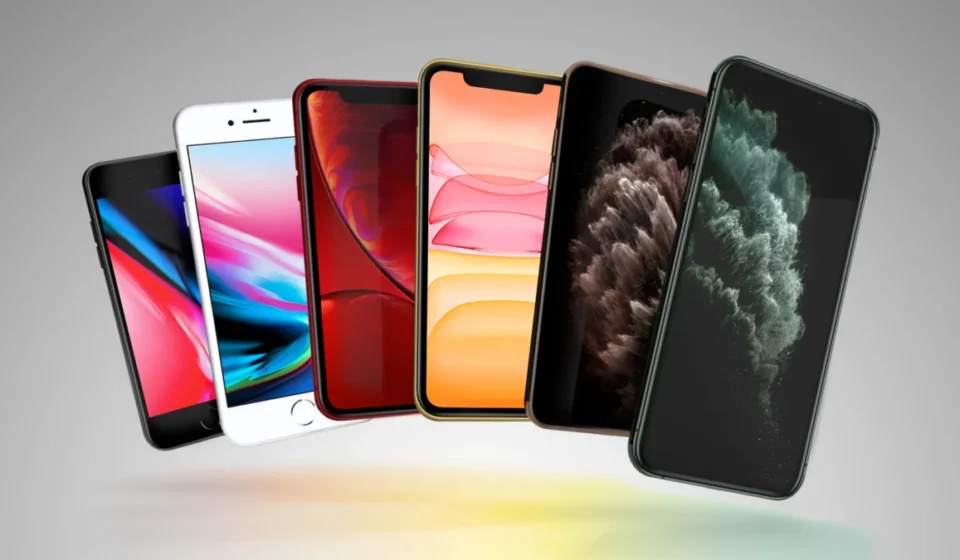
Apple Urges Immediate iOS 13 and iOS 14 Updates Amidst Sophisticated Hacking Threat

Apple is issuing an urgent call to action for millions of iPhone users still operating on outdated iOS 13 and iOS 14 software to immediately upgrade to iOS 15, citing critical security vulnerabilities that expose them to sophisticated hacking attempts through malicious web content. The tech giant has revealed that new exploit kits, dubbed "Coruna" and "DarkSword," are specifically targeting these older operating systems, posing a significant risk to user data and privacy.
The Evolving Landscape of Mobile Security Threats
In a detailed support document released on Thursday, March 19, 2026, Apple outlined the growing concern surrounding these advanced hacking tools. These exploit kits are reportedly capable of compromising devices running iOS versions from 13 all the way up to 17.2.1, though the most severe risks are concentrated on the older, unsupported versions. Apple’s proactive warning underscores a critical truth in the digital age: software, much like physical security, requires continuous maintenance and updates to defend against an ever-evolving array of threats.
The exploit kits, "Coruna" and "DarkSword," represent a new generation of cyber weaponry designed to bypass traditional security measures. While Apple has been diligently patching vulnerabilities as they are discovered, the existence of these kits indicates a concerted effort by malicious actors to find and exploit any remaining weaknesses in older software. This situation highlights the persistent challenge of maintaining security across a diverse ecosystem of devices, many of which may not be running the latest software due to user preference, device age, or other factors.
Apple’s message is stark and unambiguous: "If your iPhone doesn’t have the latest software, update iOS to protect your data." This direct plea emphasizes the company’s commitment to user safety, but also places the onus on individuals to take the necessary steps to secure their devices. The company’s support document provides a direct link for users to access information on how to update their operating systems, a crucial resource for those who may be less tech-savvy.
A Chronology of Vulnerabilities and Patches
The current security alert is not an isolated incident but rather the latest chapter in an ongoing battle against sophisticated cyber threats. Over the past several months, Apple has been actively addressing a series of security vulnerabilities that have emerged. The "Coruna" and "DarkSword" exploit kits are believed to be leveraging a combination of previously identified and potentially new exploits that have been actively weaponized.
Historically, Apple has maintained a strong track record of security updates, often releasing patches within days or weeks of a vulnerability being disclosed. The company’s robust security team works tirelessly to identify potential exploits, develop fixes, and distribute them to users. However, the effectiveness of these updates hinges on user adoption. A significant portion of the user base remaining on older operating systems creates a persistent attack surface.
The recent iOS updates, released on March 11, 2026, specifically targeted the vulnerabilities exploited by "Coruna" and "DarkSword." These updates not only address the immediate threat but also serve as a reminder of Apple’s commitment to fortifying its software. For users who have already upgraded to the latest versions of iOS 15, iOS 25, or the newly released iOS 26 (assuming its availability by the article’s publication date), they are considered protected from the current wave of malicious web content.
Apple has indicated that iPhones still running iOS 13 or iOS 14 will receive an additional alert in the coming days, prompting them to install a "Critical Security Update." This proactive notification system is designed to catch the attention of users who may have ignored previous update prompts.
Crucially, Apple has confirmed that all iPhones capable of running iOS 13 or iOS 14 can also be upgraded to iOS 15. This means there are no hardware limitations preventing users from accessing the latest security protections. The company’s stance is that these older operating systems are no longer sufficient to safeguard users against the current threat landscape.
Supporting Data and the Reach of the Threat
The implications of this security advisory are significant when considering the global install base of iPhones. While exact figures for users on specific older iOS versions are not publicly disclosed by Apple on a regular basis, historical data suggests that a notable percentage of users may delay or forego major operating system upgrades. For instance, reports from a few years prior indicated that millions of devices remained on iOS 12 long after iOS 14 was released. Given the inertia in software adoption, it is reasonable to infer that a substantial number of users could still be on iOS 13 and iOS 14.

The exploit kits "Coruna" and "DarkSword" are particularly concerning due to their reported effectiveness against a broad range of iOS versions. While Apple has patched the specific vulnerabilities that these kits exploit in newer versions, the fact that they can target up to iOS 17.2.1 implies a sophisticated understanding of iOS architecture by their creators. This suggests that these exploits are not simply opportunistic but are likely developed by well-resourced entities, potentially state-sponsored actors, looking for specific targets or broad access.
The geographical distribution of attacks where these tools have been identified further contextualizes the threat. Reports indicate their use in Ukraine, China, Saudi Arabia, Turkey, and Malaysia. This broad geographical spread suggests that the threat is not confined to specific regions or political conflicts but is a global concern, albeit with localized hotspots of activity. While there is no current evidence of these specific hacking tools being used to target individuals in the U.S., the potential for such attacks to migrate or be adapted for other regions remains a significant concern for national security and individual privacy.
Official Responses and Mitigation Strategies
Apple’s official response has been multi-pronged. Beyond the direct urging for users to update, the company also relies on its built-in security features. The Safari web browser, for instance, includes an "Apple Safe Browsing" feature that is enabled by default. This feature actively blocks known malicious URL domains identified in ongoing attacks, providing an additional layer of defense for users, even if their operating system is not fully up-to-date.
However, for users who are technically unable or unwilling to update their devices immediately, Apple offers an alternative mitigation strategy: Lockdown Mode. Introduced in iOS 16 and later, Lockdown Mode is an optional, extreme security setting designed for individuals who may be at high risk of targeted cyberattacks, such as journalists, activists, or political figures. This mode significantly restricts the functionality of the iPhone to minimize the attack surface, blocking potential hacking vectors like images in Messages, certain web technologies, and incoming FaceTime calls from unknown numbers.
It is important to note that Apple explicitly states that Lockdown Mode is not intended for the average iOS user. Its strict limitations can impact the everyday usability of the device. Therefore, while it offers a powerful safeguard, it is not a substitute for keeping the operating system up-to-date for the vast majority of users. The primary recommendation for all iPhone users, regardless of their perceived risk level, remains to upgrade to the latest available iOS version.
Broader Impact and Analysis of Implications
The persistent threat posed by exploit kits targeting older software has significant implications for the broader tech industry and cybersecurity landscape. It underscores the challenges of managing software lifecycles and ensuring widespread adoption of security updates. For Apple, it means continually investing in both proactive security research and robust user education campaigns.
The existence of "Coruna" and "DarkSword" also raises questions about the sophistication of cyber warfare and the tools employed by various state and non-state actors. The ability to develop and deploy such advanced exploit kits requires substantial resources and expertise, indicating a growing arms race in the digital realm.
For consumers, this situation serves as a crucial reminder that a smartphone is not just a communication device but a repository of personal and sensitive information. Neglecting software updates is akin to leaving one’s digital doors unlocked, inviting potential breaches. The financial and personal repercussions of a successful cyberattack can be devastating, ranging from identity theft and financial fraud to the compromise of personal communications and digital assets.
The push towards iOS 15 and newer versions by Apple is a strategic move to consolidate its user base onto a more secure and manageable platform. By phasing out support for older operating systems and actively encouraging upgrades, Apple aims to simplify its security patching efforts and reduce the overall risk profile of its ecosystem. However, the success of this strategy ultimately depends on the active participation of its users.
As the digital landscape continues to evolve at an unprecedented pace, the importance of maintaining vigilant cybersecurity practices cannot be overstated. Apple’s current advisory is a critical alert, demanding immediate attention from millions of iPhone users to safeguard their digital lives against increasingly sophisticated threats. The company’s commitment to security is evident, but the ultimate defense rests with the end-user taking the simple, yet vital, step of updating their software.