
Google I/O 2024 Unveils Deeper AI Integration, Sparking Debate on Search and Gemini’s Converging Identities

For the past several years, Google I/O, the company’s annual developer conference, has increasingly served as a dedicated platform for showcasing its advancements in artificial intelligence. The 2024 iteration was no exception, doubling down on AI with a focus that, perhaps unexpectedly, circled back to Google Search. However, this re-emphasis on its flagship product arrived not as a solution to long-standing, fundamental issues within Search, but rather through a profound infusion of AI integrations. This strategic pivot has accelerated the blurring of lines between Google Search and its standalone AI assistant, Gemini, prompting critical questions about their distinct purposes and Google’s overarching product strategy.
A New Era of Search: AI Takes Center Stage at Google I/O
Google I/O has transformed over the last decade, mirroring the company’s own strategic shifts. Once a hub for Android, Chrome, and cloud announcements, the conference has, since 2022, become almost exclusively an AI showcase. This evolution underscores Google’s "AI-first" mantra, articulated by CEO Sundar Pichai, aiming to embed artificial intelligence into every facet of its ecosystem. The 2024 event solidified this direction, presenting a vision where AI is not merely an add-on but the foundational layer for interaction across all Google services. This year’s key announcements centered on enhancing user interaction with Search through sophisticated AI models, pushing the boundaries of what a search engine traditionally accomplishes. The strategic imperative is clear: leverage AI to maintain dominance in a rapidly evolving digital landscape, where conversational interfaces and generative capabilities are becoming the new frontier for information access. This involves not just answering questions but anticipating needs, organizing information, and even generating content or workflows.
The Evolution of Google Search: From Keywords to Conversations
The journey of Google Search has been one of continuous adaptation, from a simple keyword-matching engine to an increasingly sophisticated information retrieval system. The integration of AI has marked a significant paradigm shift in this trajectory. Initially, the introduction of features like AI Overviews and AI Mode began to transform Search from a mere link aggregator into an interpretive tool, capable of summarizing information and providing direct answers. While these early implementations faced initial scrutiny for occasional inaccuracies, they laid the groundwork for a more conversational and intuitive search experience.
The latest enhancements unveiled at Google I/O push this evolution further. The new unified search box exemplifies this, allowing users to engage with the search engine in a far more natural, conversational manner. Users can now type longer, more descriptive questions, explain their perspective, and ask intricate follow-up queries without the need for precise keyword formulation. This development significantly reduces friction, making information retrieval more accessible and less reliant on a user’s ability to "speak" the language of algorithms. This move aligns with broader industry trends towards natural language processing (NLP) and conversational AI, where user interfaces are designed to mimic human interaction.
Beyond text, Google Search is rapidly expanding its multimodal capabilities. While reverse image search has been a staple for years, the next logical step involves integrating video and audio inputs, allowing users to search not just about media, but within it. Imagine uploading a video clip of a specific historical event and asking Search to identify the exact location or the individuals present, or providing an audio snippet of a bird call to identify the species. This multimodal advancement combines various media types with text input, creating a comprehensive understanding of complex queries. Furthermore, Search is becoming more proactive and agentic. New information agents can now intelligently track real-time data, such as price drops for desired products or new product launches from specific brands. These agents operate in the background, alerting users as soon as relevant changes occur, transforming Search into a personalized, attentive assistant rather than just an on-demand tool. This level of proactive information delivery blurs the line between a traditional search engine and a personal digital assistant, a domain traditionally occupied by services like Gemini.
Gemini’s Distinct Path and Its Expanding Influence
Gemini, Google’s flagship generative AI model and conversational assistant, emerged from the company’s "AI-first" strategy, initially as Bard. Its primary mandate was distinct from traditional search: to understand, reason, generate, and execute. While it, too, accesses the vast expanse of the World Wide Web, its core function extends beyond mere information retrieval. Gemini’s strength lies in its ability to process complex requests, synthesize information, generate creative content (text, code, images), and assist with planning and workflow management. Its multimodal capabilities, allowing it to understand and generate content across various formats, coupled with its embedded generative tools and deep integration across Google Workspace, established it as a powerful, standalone AI entity.

Gemini was designed to be a collaborative partner for tasks requiring more than just factual recall. Users would turn to Gemini for drafting emails, brainstorming ideas, summarizing lengthy documents, writing code, or even planning an itinerary. Its iterative, conversational nature enabled users to refine outputs through ongoing dialogue, making it an invaluable tool for productivity and creative endeavors. The initial differentiation was clear: Search finds existing information; Gemini creates, reasons, and acts upon information. This distinction aimed to carve out a unique space for Gemini in the burgeoning AI landscape, positioning it as a direct competitor to other large language models and generative AI platforms.
The Converging Frontier: How Search is Adopting Gemini’s Capabilities
The Google I/O 2024 announcements significantly eroded the carefully constructed distinction between Search and Gemini by imbuing Search with a substantial portion of Gemini’s generative capabilities. Beyond merely answering follow-up questions, the new Search now incorporates agentic coding abilities, enabling it to create interactive elements from scratch to aid user understanding. For instance, if a user queries a complex scientific concept, Search might not just provide a summary but generate an interactive diagram or a simulation to explain it dynamically.
Even more remarkably, Google introduced the ability to create "stateful mini-apps" directly within Search. These are dynamic layouts, dashboards, and interactive widgets designed for managing long-running, multi-faceted projects such as home makeovers or wedding planning. Instead of merely providing links to renovation guides or wedding checklists, Search can now create a personalized, persistent dashboard where users can track tasks, manage budgets, discover vendors, and visualize progress, all within the search interface.
This integration marks a profound shift. Search is no longer solely fetching information; it is actively creating, organizing workflows, and managing persistent projects. These are tasks that inherently demand reasoning, generation, and execution – functionalities that were previously the exclusive domain of Gemini. The very nature of these capabilities causes users to instinctively gravitate towards an AI assistant like Gemini, rather than a traditional search engine. The implication is clear: if Search can now perform complex generative tasks, manage projects, and create interactive tools, then its functional overlap with Gemini becomes undeniable, raising fundamental questions about the continued necessity of two separate products with increasingly similar functionalities.
Strategic Ambiguity: Google’s Vision and the Challenge of Differentiation
Google’s stated philosophy, consistently reiterated by its leadership, is to be "AI-first" and to make AI "useful for everyone." Sundar Pichai has often emphasized the ambition to seamlessly weave AI into the fabric of all Google products, enhancing user experience and democratizing access to advanced capabilities. From Google’s perspective, integrating generative AI into Search is a natural progression, aimed at evolving the search engine to meet the demands of a more complex, information-rich digital world. The company likely views these additions as enhancing the utility and power of Search, enabling it to tackle queries that traditional keyword matching simply cannot.
However, this aggressive integration presents a significant strategic challenge: product differentiation. In the competitive landscape of AI, clarity of purpose is paramount. Rivals like Microsoft’s Copilot are making similar moves, integrating AI into their ecosystem (e.g., Windows, Office, Edge), while dedicated generative AI platforms like OpenAI’s ChatGPT and Perplexity AI continue to innovate in conversational AI and knowledge synthesis. Google’s strategy, while ambitious, risks confusing its vast user base. If Search can increasingly mimic Gemini’s capabilities, users may struggle to discern which tool is best suited for a given task. This potential for user decision fatigue could undermine the effectiveness of both products, rather than enhancing them.
Industry analysts observe that while innovation is crucial, a coherent product narrative is equally vital. The current trajectory suggests Google is prioritizing the broad diffusion of AI capabilities over maintaining distinct product identities. This could be a deliberate strategy to saturate the market with AI-powered experiences, but it carries the risk of diluting brand equity and creating an unwieldy ecosystem. The ultimate success will hinge on whether users perceive these integrated features as seamless enhancements or as unnecessary duplication.
Underlying Concerns: AI as a Solution or a Diversion?
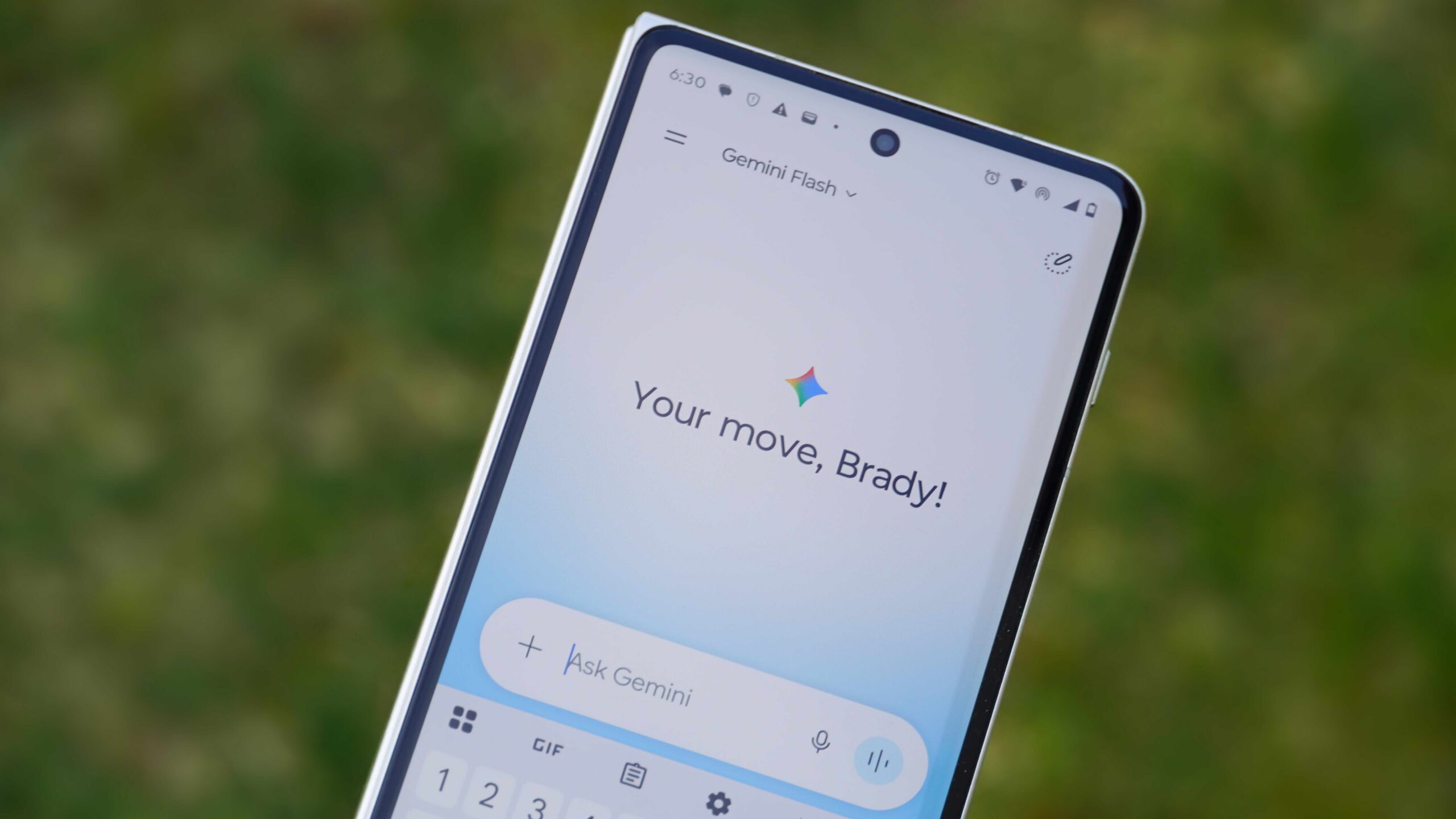
Beyond the strategic confusion, the rapid overlay of AI onto Google Search raises deeper concerns about the platform’s fundamental health. For several years, Google Search has faced growing criticism regarding the quality of its results. The internet has become increasingly saturated with SEO-optimized spam, low-quality content mills, and, more recently, AI-generated content that often lacks depth, accuracy, or human insight. This has led many users to append "Reddit" to their queries, seeking authentic, human-generated discussions and recommendations over curated, often monetized, search results.
The initial rollout of AI Overviews, which aimed to provide synthesized answers directly in search results, was not without its controversies. Early iterations were criticized for generating inaccurate, nonsensical, or even potentially harmful summaries, as evidenced by instances where AI outputs provided dangerous advice. While Google has since made considerable improvements, these incidents highlighted the fragility of relying solely on AI for definitive answers, especially when the underlying web content is of questionable quality.
Critics argue that by rapidly turning Search into a full-fledged AI platform, Google might be layering advanced technology over a "crumbling foundation" rather than addressing the root causes of declining search quality. The concern is that the dazzling generative capabilities and interactive features could serve as a facade, diverting attention from the persistent issues of spam, poor content, and the erosion of trust in the core search experience. If the AI is trained on a compromised dataset, or if its outputs continue to push users away from reliable sources, then the enhancements, however impressive, might not solve the problem but merely repackage it. The effectiveness of AI in Search is inherently tied to the quality of the information it processes, and if that information landscape remains cluttered, the AI’s utility will be constrained.
The Road Ahead: Potential Outcomes and Strategic Recommendations
Google stands at a critical juncture in its AI strategy. The increasing functional overlap between Search and Gemini necessitates a clearer vision for their individual and collective futures. Several potential outcomes and strategic pathways present themselves:
One compelling option is a full merger. If Google is essentially transforming its most popular product, Search, into a comprehensive AI assistant capable of Gemini’s tasks, then a full commitment to this transition by rebranding it as "Gemini Search" or simply integrating Gemini’s core functionalities directly into the main search interface seems logical. This would leverage the immense brand recognition of "Google Search" while explicitly signaling its evolution into an AI-powered hub. Such a move would simplify the user experience by eliminating the need to choose between two similar tools and streamline Google’s messaging around its AI capabilities. It would consolidate resources and present a unified front in the competitive AI landscape.
Alternatively, Google could pursue clearer differentiation. This would involve meticulously redefining the distinct roles for each product. Search could be refocused on its core strength of "discovery"—efficiently finding new information, providing direct links, and offering contextual summaries from the web. Gemini, on the other hand, would be positioned as the primary tool for "creation, planning, and execution"—tasks requiring deep reasoning, multi-turn conversations, generative capabilities, and project management. This approach would maintain the individual identity of each product, allowing them to excel in their specialized domains without diluting their unique value propositions. It would also alleviate user confusion by providing clear guidelines on when to use which tool.
The challenge of branding is significant. "Google Search" is an iconic brand, synonymous with internet access for billions. Any change to this would be monumental. However, the momentum behind "Gemini" as Google’s overarching AI brand is also considerable. The current "middle ground," where Search incorporates a plethora of AI tools (AI Mode, AI Overviews, agentic coding, mini-apps) without a clear overarching brand integration, creates fragmentation and complexity. This approach requires users to remember numerous sub-features within Search, rather than interacting with a cohesive AI system.
Furthermore, the implications extend to developers and the broader ecosystem. A clear product strategy would enable developers to build more effectively on Google’s platforms, knowing where to integrate generative AI features versus traditional search capabilities. Without this clarity, there is a risk of fragmented development efforts and an incoherent user experience across Google’s services.
Having observed Google’s product strategies over many years, the company often takes an iterative, sometimes circuitous, path to consolidation. It is unlikely that a straightforward merger or a complete re-differentiation will occur overnight. However, the current trajectory is unsustainable in the long term, as the escalating overlap will inevitably lead to greater user frustration and strategic inefficiencies. Google must either fully embrace the convergence and consolidate its AI offerings under a unified brand, or meticulously delineate the unique value propositions of Search and Gemini, allowing each to fulfill its individual potential without cannibalizing the other. The future of Google’s AI dominance hinges on making this critical distinction clear.