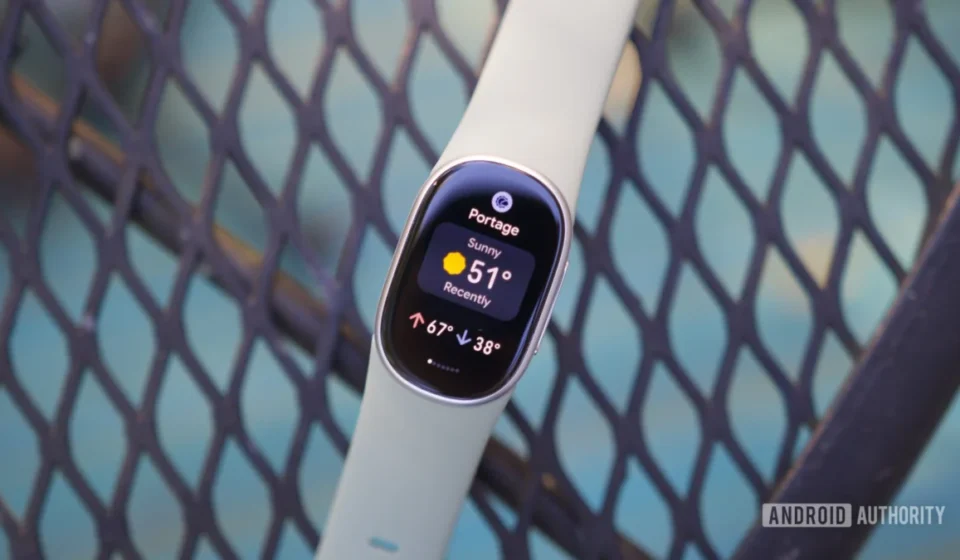
Fitbit Edge Enters a Crowded Wearable Market, Prompting Scrutiny of Key Alternatives

The Fitbit Edge, a highly anticipated addition to Google’s wearable ecosystem, was officially announced earlier this month and is poised to hit store shelves within days, marking a significant moment in the competitive fitness tracker landscape. Building upon the foundational success of the Fitbit Air, the Edge introduces an interactive AMOLED display to the established Fitbit tracking experience, positioning itself as a compelling option for consumers seeking an enhanced visual interface without committing to a full-fledged smartwatch. However, its arrival is met by a robust market already teeming with diverse options, compelling potential buyers to consider a range of alternatives that cater to varying needs, budgets, and preferences. This article delves into the strategic positioning of the Fitbit Edge and examines five prominent devices that present themselves as strong contenders for consumer attention.
The Evolution of Google’s Wearable Strategy and the Fitbit Edge’s Place
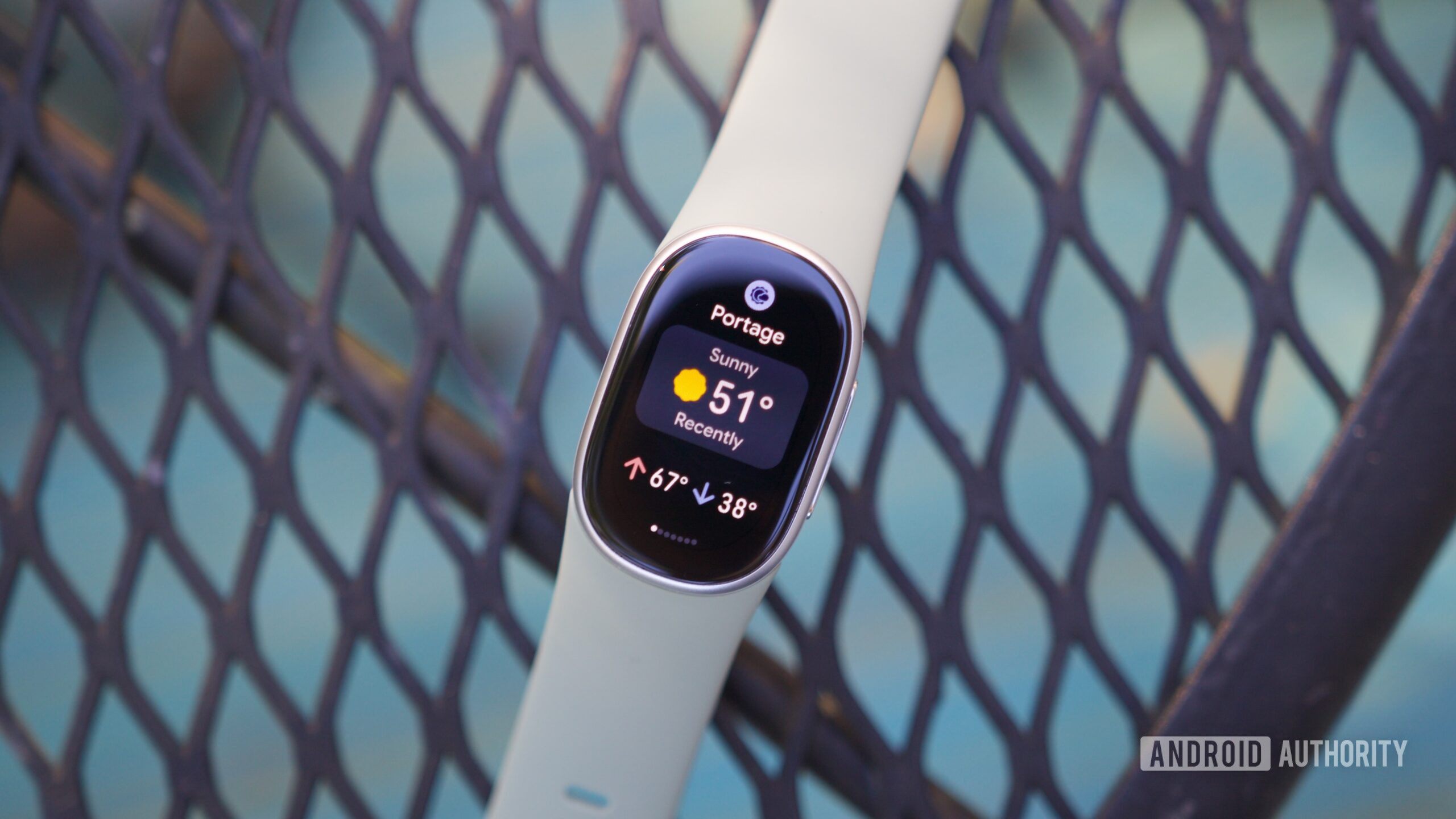
Google’s acquisition of Fitbit in 2021 signaled a clear intent to strengthen its presence in the health and fitness wearable sector. This strategy has since unfolded with a two-pronged approach: the premium, full-featured Google Pixel Watch line operating on Wear OS, and the more focused, health-centric Fitbit devices. The Fitbit Air, launched prior to the Edge, represented a pivot towards a minimalist, screen-free fitness tracking experience, emphasizing core health metrics and extended battery life at an accessible price point. This device resonated with a segment of users who prioritized discreet tracking and data analysis primarily through a smartphone app.
The introduction of the Fitbit Edge, priced at approximately $180, signifies Google’s ambition to bridge the gap between this ultra-basic tracking and the more comprehensive smartwatch experience. It retains the core, robust fitness tracking capabilities lauded in the Fitbit Air but integrates an interactive AMOLED display. This display allows for on-wrist data viewing, notifications, and interaction, addressing a common user desire for immediate feedback without the bulk or complexity of a full smartwatch. The Edge aims to capture users who desire more than just raw data collection but are not yet ready for the higher cost, shorter battery life, or extensive app ecosystem of a Wear OS device. Its imminent release, following its announcement earlier this month, is set to intensify competition, particularly within the mid-range fitness tracker segment.
A Deeper Look at the Fitbit Edge: Features and Market Positioning
The Fitbit Edge is designed to offer a balanced proposition. Its interactive AMOLED display is a key differentiator from its predecessor, the Fitbit Air, providing a brighter, more engaging visual experience for checking stats, time, and notifications. While sharing a largely similar tracking engine with the Air, the Edge incorporates an ambient light sensor for optimized display brightness and introduces advanced health monitoring capabilities such as blood pressure trend reports and loss of pulse detection, enhancements that underscore Fitbit’s commitment to comprehensive health insights.
Battery life remains a strong suit for Fitbit devices, and the Edge is no exception, promising up to seven days of usage, provided the always-on display feature is deactivated. This longevity is a significant advantage over many smartwatches, appealing to users who prefer less frequent charging. However, a notable omission in the Edge is NFC for digital payments, a feature present in older Fitbit models like the Charge 6. This strategic decision by Google for the Edge raises questions about its intended market positioning and whether it aims to push users requiring payment capabilities towards the Pixel Watch line. Priced at $180, the Edge positions itself in a competitive tier, compelling consumers to weigh its blend of features against alternatives that offer different balances of cost, functionality, and form factor.
Navigating the Alternatives: A Detailed Comparative Analysis
The wearable market is a dynamic ecosystem, and the Fitbit Edge finds itself amidst a host of established and emerging competitors. Understanding these alternatives is crucial for consumers to make an informed decision.
1. Google Pixel Watch 5: The Smartwatch Upgrade
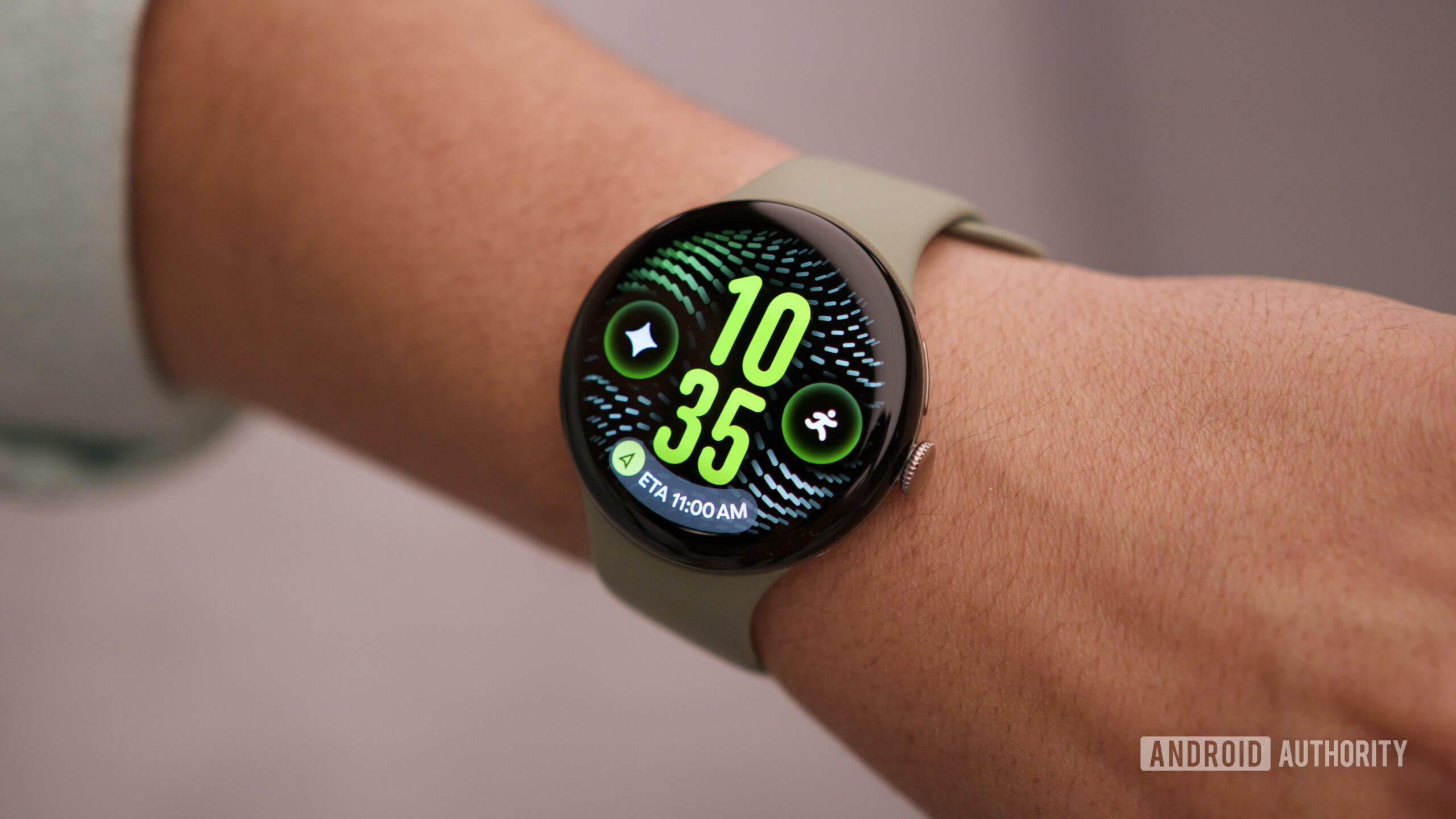
For users who find the Fitbit Edge’s features appealing but desire deeper integration with the Android ecosystem and more robust smart functionalities, the Google Pixel Watch 5 emerges as a primary alternative. As part of the same Google family, it offers a seamless transition in terms of fitness tracking, leveraging many of Fitbit’s health algorithms. However, the Pixel Watch 5 elevates the experience significantly by providing the full Wear OS platform, which includes extensive third-party app support, microphone and speaker capabilities for calls and voice commands, and the integrated power of Google Gemini. Its larger, more expansive display offers superior navigation and information density compared to the Edge. Furthermore, the Pixel Watch 5 includes additional sensors and NFC for digital payments via Google Wallet, addressing the Edge’s notable omission.
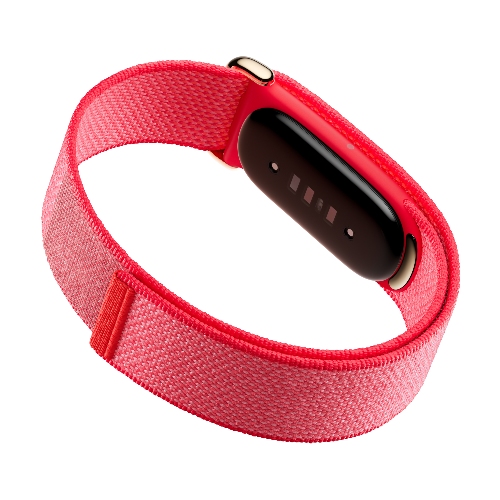
The Pixel Watch 5, however, comes with its own set of trade-offs. Priced at approximately $399, it is considerably more expensive than the Edge, representing a substantial investment. Its battery life, typical of full-featured smartwatches, is significantly shorter than the Edge’s seven days, often requiring daily or near-daily charging. Crucially, unlike the Fitbit Edge which offers broad compatibility, the Pixel Watch 5 currently lacks iOS support, limiting its appeal to Android users. This clear distinction highlights Google’s strategy: offer Fitbit as the universally compatible, health-focused tracker, and the Pixel Watch as the premium, Android-exclusive smartwatch experience.
2. Fitbit Air: The Minimalist Tracker
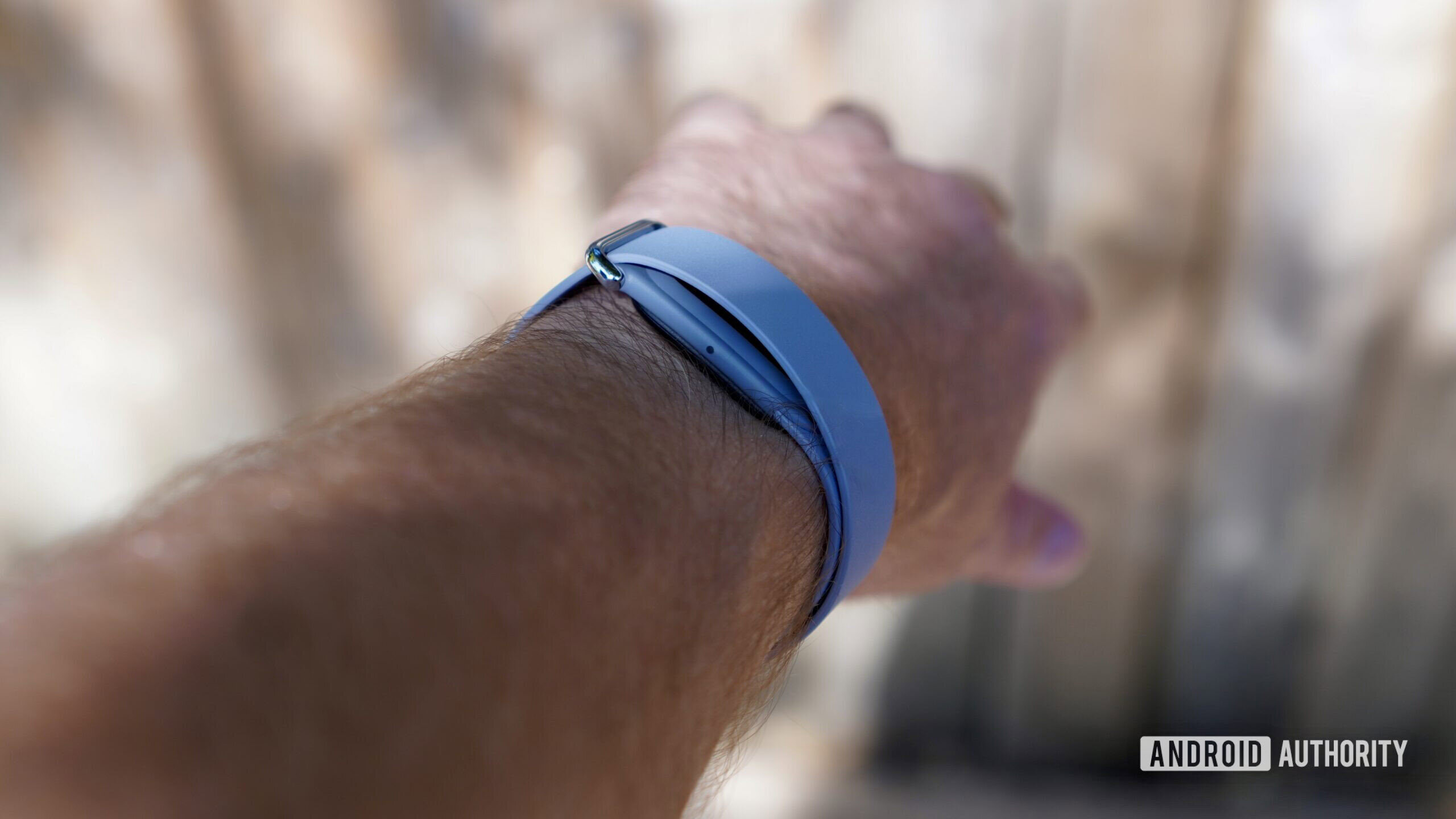
The Fitbit Air stands as the foundational device of this newer Fitbit generation and a direct counterpoint to the Edge. It embodies Google’s vision for powerful fitness features delivered in a cheaper, no-frills package. The two devices share a core fitness tracking experience, offering comparable accuracy in monitoring activities, sleep, and heart rate. Even their battery lives are nearly identical, with the Air also boasting extended usage.

The most significant distinction, and indeed the defining characteristic of the Fitbit Air, is the absence of a display. This results in an incredibly small, lightweight, and discreet band that primarily functions as a data collector, requiring users to consult their smartphone app for all data analysis and interaction. For consumers who prioritize minimalism, comfort, and maximum battery life, and who do not require on-wrist data viewing or timepiece functionality, the Fitbit Air offers a compelling value proposition. With an implied price point around $100 (given the Edge is $180 and saves "around $80"), it significantly undercuts the Edge, making it an attractive entry-level option that focuses purely on efficient, unobtrusive health tracking. This device appeals to a specific demographic that values form factor and discretion above an interactive display.
3. Samsung Galaxy Fit 3: The Budget Challenger
Samsung’s entry into the affordable fitness tracker segment, the Galaxy Fit 3, presents a formidable challenge to the Fitbit Edge, particularly on price. At around $70, the Galaxy Fit 3 significantly undercuts both the Edge and even the screenless Fitbit Air, making it one of the most budget-friendly options with a dedicated display. It features a respectable 1.6-inch AMOLED display and an impressive battery life of up to two weeks, surpassing even the Edge’s endurance. The device covers essential tracking metrics, including heart rate monitoring, SpO2, and sleep tracking.
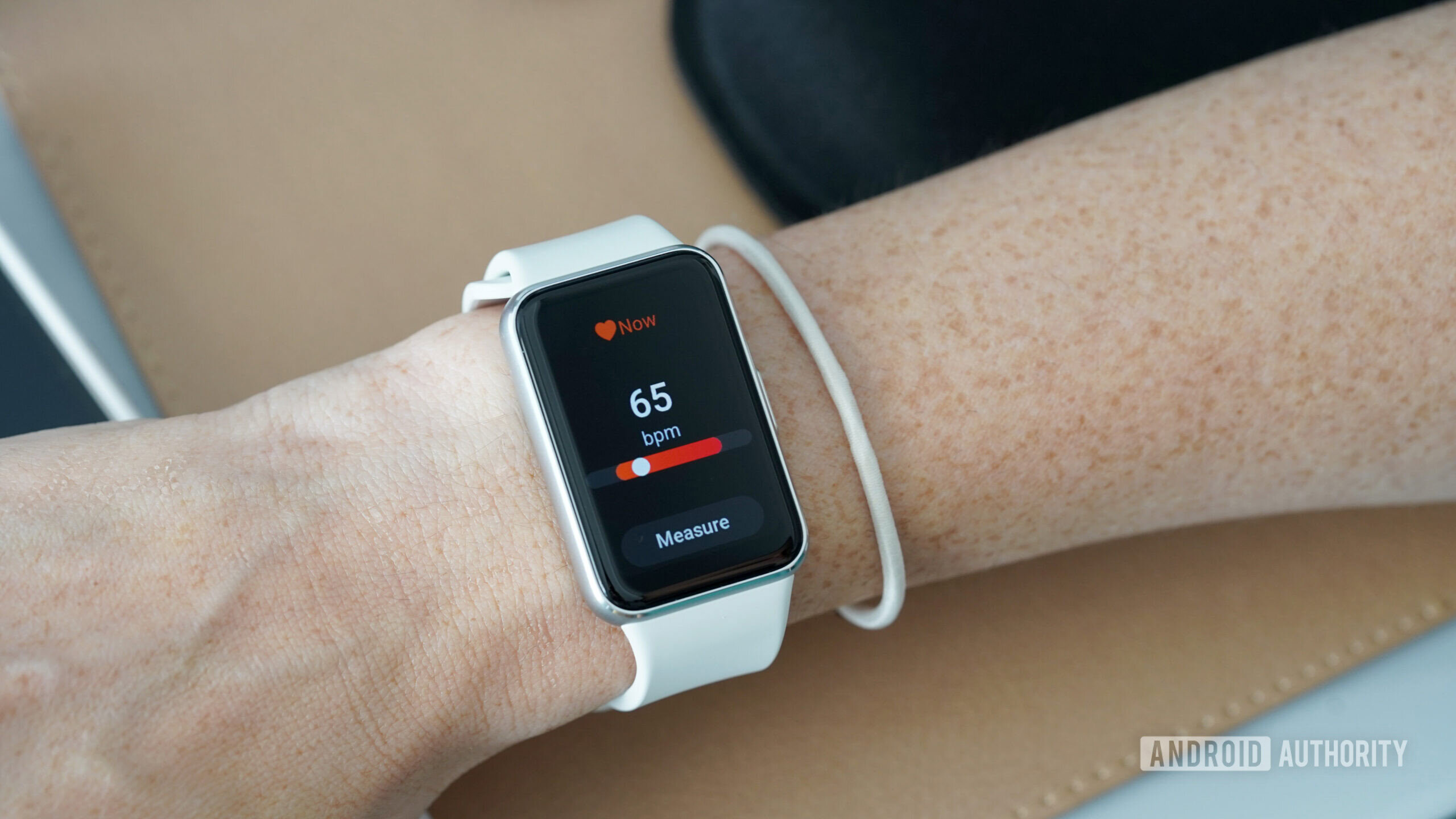
However, its aggressive pricing necessitates certain compromises. The Galaxy Fit 3 foregoes several advanced features found in more premium trackers, such as continuous heart rate monitoring, skin temperature sensing, and ECG capabilities. This makes it suitable for individuals who primarily seek basic fitness tracking with the convenience of on-wrist data viewing and notifications, rather than deep physiological insights. The Galaxy Fit 3 effectively carves out a niche for consumers who desire a display and basic smart features at an unbeatable price, demonstrating how manufacturers are segmenting the market by carefully balancing features against cost.
4. Oura Ring 5: The Discreet Health Companion
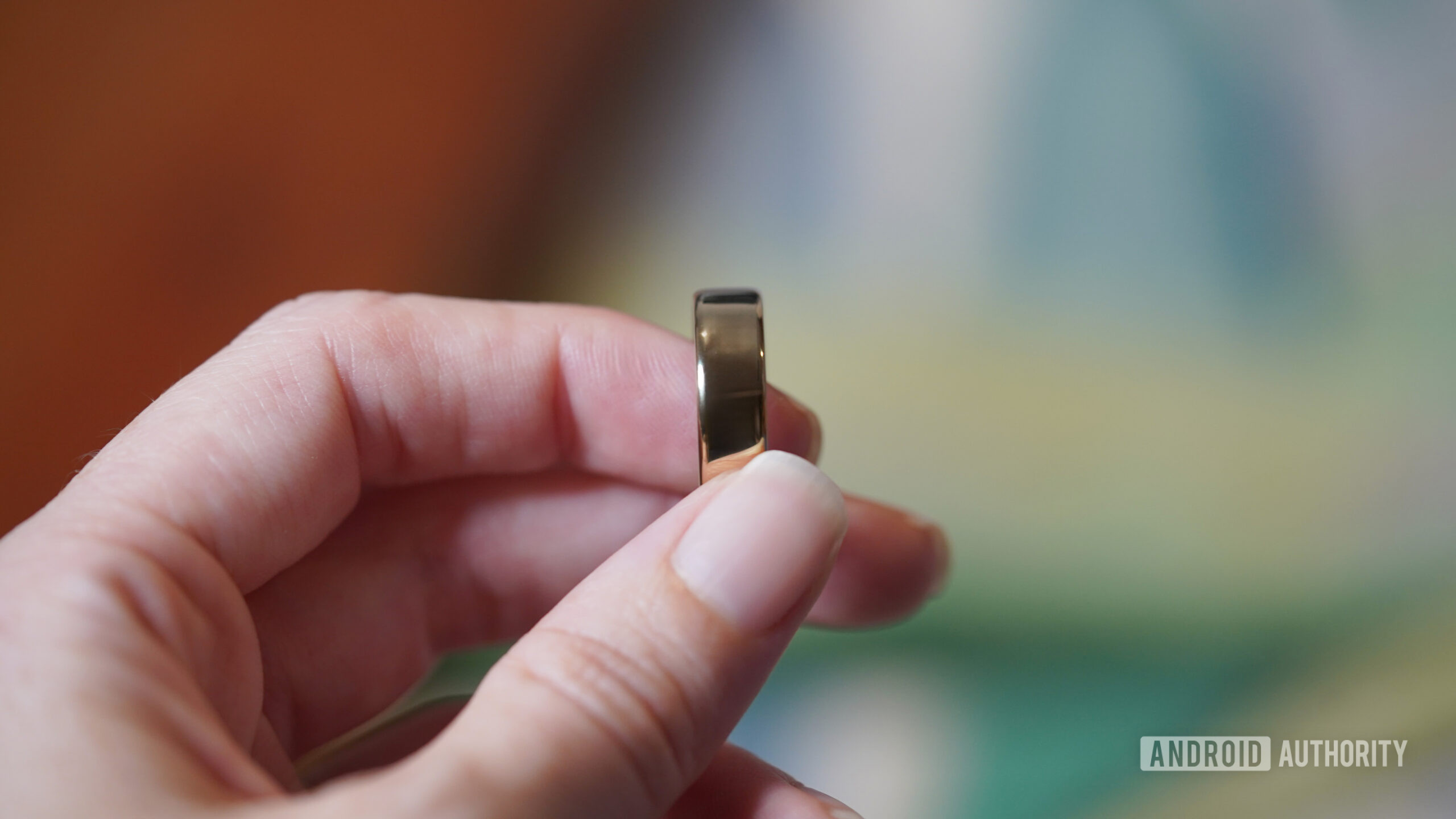
For a segment of consumers who desire advanced health tracking without the visual prominence of a wrist-worn device, the Oura Ring 5 offers a distinct alternative. Representing the latest iteration of smart rings, the Oura Ring 5 excels in discretion and sophisticated data collection, particularly in sleep tracking. Its design, crafted from premium materials, allows it to blend seamlessly as a piece of jewelry, making it barely noticeable on the finger. Like the Fitbit Air, it lacks a display, relying entirely on a companion app for data visualization and interaction.

The Oura Ring 5 boasts 6 to 9 days of battery life, comparable to the Fitbit Edge. While it handles basic fitness tracking, its primary strength lies in its deep physiological monitoring and arguably one of the most comprehensive sleep tracking experiences available. However, this premium and discreet experience comes at a significant cost: the Oura Ring 5 is priced at $399, matching the Pixel Watch 5, and requires an additional monthly subscription of $5.99 to unlock its full suite of features and insights. This subscription model and high upfront cost position it as a premium health device targeting users who prioritize advanced, unobtrusive health data and are willing to invest in a subscription for ongoing analysis. The Oura Ring signifies a growing trend towards alternative form factors in the wearable market, moving beyond the traditional wrist.
5. Fitbit Charge 6: The Established Performer
Despite being a few years older, the Fitbit Charge 6 remains a highly relevant and compelling alternative to the newly released Fitbit Edge. The two trackers share many core fitness sensors and provide a largely similar health tracking experience. The Edge does offer some incremental advancements, such as the aforementioned blood pressure trend reports and loss of pulse detection, alongside a larger, brighter, and more interactive display. Battery life between the two is quite comparable, with the Edge potentially offering a marginal extra day.
However, the Charge 6 holds a crucial advantage that the Edge surprisingly dropped: NFC for digital payments. This feature allows users to make purchases directly from their wrist, a convenience that many modern wearable users have come to expect. Furthermore, as an older model, the Charge 6 is often available at a reduced price, frequently found for around $135 on platforms like Amazon, making it about $45 cheaper than the Edge’s MSRP. For consumers who value the convenience of digital payments and are looking for a robust Fitbit experience at a lower price point, the Charge 6 remains a very strong contender, even with the Edge’s minor display and sensor improvements. This highlights how older, well-regarded models can retain market relevance through competitive pricing and key feature retention.
Market Dynamics and Implications
The launch of the Fitbit Edge underscores the ongoing evolution and increasing segmentation of the wearable market. Google’s strategy to offer distinct propositions – from the minimalist Fitbit Air to the feature-rich Pixel Watch 5, with the Edge positioned squarely in the middle – aims to capture a broader spectrum of consumers. The removal of NFC from the Edge, while present in the older Charge 6, suggests a deliberate effort to differentiate product lines and potentially steer users towards higher-tier devices like the Pixel Watch for advanced smart features.

The diverse array of alternatives highlights several key market trends:
- Feature-Price Laddering: Manufacturers are meticulously crafting devices with specific feature sets to hit various price points, ensuring there’s an option for nearly every budget and need.
- Form Factor Innovation: The rise of smart rings like the Oura Ring 5 demonstrates a demand for more discreet and integrated wearable technology beyond the wrist.
- Battery Life vs. Smart Features: Consumers continue to weigh the convenience of extended battery life against the desire for comprehensive smartwatch capabilities, leading to distinct product categories.
- Ecosystem Lock-in vs. Cross-Platform Compatibility: While Google’s Pixel Watch leans into its Android ecosystem, Fitbit devices generally maintain broader compatibility, appealing to a wider user base.
- Subscription Models: The Oura Ring’s requirement for a subscription signals a growing trend where hardware costs are supplemented by recurring revenue for advanced insights and services.
The market’s response to the Fitbit Edge, particularly in light of these strong alternatives, will be closely watched. The 325 votes in the original poll indicating active consumer comparison further emphasize the competitive nature of this space. The ultimate success of the Edge will hinge on its ability to convince consumers that its blend of an interactive display, enhanced health tracking, and competitive battery life at its price point offers a superior value proposition compared to both its internal and external rivals. The ongoing innovation from players like Samsung and Oura ensures that the wearable market will remain dynamic, with consumer choice being driven by an increasingly nuanced set of priorities.