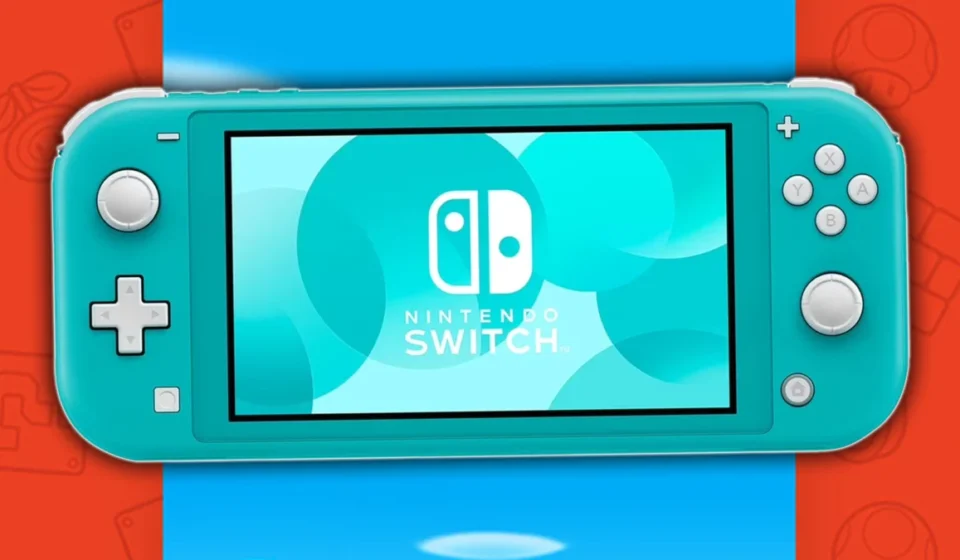
Nintendo Switch 2 Lite Rumored to Feature Samsung’s New 8LPU+ Process for Enhanced Affordability and Performance

Whispers from the semiconductor industry suggest that a potential handheld-only variant of Nintendo’s next-generation console, tentatively dubbed the "Nintendo Switch 2 Lite," could leverage cutting-edge manufacturing technology from Samsung. This rumored collaboration points towards Samsung’s forthcoming second-generation 8LPU+ process, a significant advancement over current fabrication methods, potentially enabling a more affordable entry point for consumers into the Nintendo Switch 2 ecosystem without compromising on core gaming experiences. While Nintendo has yet to officially confirm the existence of a Switch 2 Lite, the strategic implications of such a device, coupled with the technical prowess of Samsung’s new chip technology, paint a compelling picture of Nintendo’s future hardware strategy.
The Case for a Nintendo Switch 2 Lite
The original Nintendo Switch, with its innovative hybrid design, revolutionized the portable gaming landscape by seamlessly transitioning between a home console and a handheld device. This versatility, however, came with a premium price tag. The subsequent release of the Nintendo Switch Lite demonstrated a clear market demand for a dedicated handheld experience. By shedding the docking capabilities and detachable Joy-Con controllers, the Switch Lite offered a more accessible price point, broadening Nintendo’s reach to a wider audience, including younger players and those prioritizing portability above all else.
Industry analysts have long speculated about a successor to the Switch Lite, and a "Switch 2 Lite" would logically follow this established product segmentation. Such a device would cater to gamers who primarily intend to play in handheld mode, allowing Nintendo to potentially target a more budget-conscious demographic while still offering access to the robust library of games expected from the Switch 2. This strategy mirrors successful models seen across the mobile phone and portable gaming markets, where tiered product offerings cater to diverse consumer needs and financial capabilities. The potential for a cheaper, yet still capable, handheld gaming device from Nintendo remains a highly anticipated prospect for many in the gaming community.
Samsung’s 8LPU+ Process: A Technological Leap
The core of these rumors lies in Samsung’s advanced semiconductor manufacturing capabilities. The company is slated to present its second-generation 8LPU+ technology at the prestigious 2026 International Electron Devices Meeting (IEDM). This event, a cornerstone of the semiconductor research and development calendar, typically showcases groundbreaking innovations in microelectronics. The 8LPU+ process is anticipated to represent a notable evolution from Samsung’s existing 8nm process, which is widely believed to be the fabrication node for the Nvidia Tegra T239 chip powering the standard Nintendo Switch 2.
According to industry reports and technical projections, the 8LPU+ process promises a suite of improvements designed to enhance chip performance, power efficiency, and physical footprint. Specifically, the technology is reported to offer:

- 12% Better Performance: This translates to a potential increase in processing power, allowing for more complex game logic, improved graphical rendering, and smoother frame rates.
- 15% Lower Power Consumption: A critical factor for any portable electronic device, reduced power draw directly impacts battery life. This improvement could lead to significantly longer gaming sessions on a single charge for devices utilizing this technology.
- 8% Reduction in Chip Area: A smaller chip size not only contributes to more compact device designs but can also lead to cost savings in manufacturing due to more efficient use of silicon wafers.
- 10% Reduction in Input/Output (I/O) Circuitry Area: This further optimizes the chip’s physical design, potentially allowing for more space for other components or further miniaturization of the console.
- Reduced Power Leakage During Standby: Minimizing power drain when the device is not actively in use is another key aspect of extending battery life and improving overall energy efficiency.
It is crucial to understand that these figures represent improvements at the manufacturing process level. They do not directly translate to a game running 12% faster or an automatic 15% increase in battery life. Instead, these enhancements provide the potential for a chip manufactured using 8LPU+ to deliver superior performance while consuming less energy. This enhanced efficiency is particularly beneficial for portable consoles, where battery longevity and thermal management are paramount considerations. A smaller, more power-efficient chip could also contribute to a reduction in the overall manufacturing cost of the console, potentially paving the way for a more affordable retail price for consumers.
Timeline and Industry Context
The announcement of Samsung’s 8LPU+ process at the 2026 IEDM suggests a timeline for its widespread adoption in consumer electronics. Chip manufacturing processes typically have a lead time between their public unveiling and mass production. If Nintendo were to integrate this technology into a Switch 2 Lite, it would likely align with the broader rollout of Samsung’s next-generation fabrication capabilities.
Samsung Foundry, the division responsible for manufacturing chips for other companies, plays a pivotal role in this ecosystem. The company is known for its advanced manufacturing nodes and its ability to produce chips at scale for major technology players. The report from the Korean outlet Electronic Times, citing an unnamed industry source, indicates that existing Samsung Foundry customers and chipmakers seeking certification for the 8LPU+ process would be among the first to gain access. This suggests a structured rollout strategy by Samsung, prioritizing its key partners.
The original Nintendo Switch utilized a custom Nvidia Tegra X1 processor, manufactured by TSMC. The Switch Lite also employed a similar Tegra chip. For the standard Switch 2, it is widely believed that Nintendo has partnered with Nvidia again, this time utilizing a custom Tegra T239 chip, reportedly fabricated on an 8nm process, potentially by Samsung. The shift to Samsung’s 8LPU+ for a potential Switch 2 Lite would represent a deepening of this relationship and a strategic choice to leverage the latest advancements in semiconductor technology for a more cost-effective and power-efficient handheld device.
Analysis of Implications
The potential integration of Samsung’s 8LPU+ process into a Nintendo Switch 2 Lite carries several significant implications for both Nintendo and the broader gaming market.
Cost Reduction and Market Accessibility
The primary implication of utilizing a more advanced and efficient manufacturing process is the potential for reduced production costs. Smaller, more power-efficient chips generally translate to lower material and manufacturing expenses per unit. For Nintendo, this could enable the development of a Switch 2 Lite at a significantly lower price point than the standard Switch 2. This would make the Nintendo ecosystem more accessible to a broader range of consumers, including students, families on a tighter budget, and individuals who may not require the full feature set of a hybrid console.

Enhanced Battery Life and Thermal Performance
The improved power efficiency of the 8LPU+ process is a crucial advantage for a dedicated handheld device. Longer battery life is a major selling point for portable gaming, allowing players to enjoy extended gaming sessions without the constant need for recharging. Furthermore, reduced power consumption often correlates with lower heat generation. This can lead to a more comfortable handheld experience, as the device will generate less heat during prolonged use, and potentially allow for smaller, more efficient cooling solutions, further contributing to device portability and design.
Competitive Positioning
In the competitive landscape of portable gaming, a more affordable and power-efficient Switch 2 Lite could solidify Nintendo’s position. While handheld PCs and mobile gaming continue to evolve, Nintendo’s unique approach to software and its established brand loyalty remain significant strengths. A cost-effective Switch 2 Lite would offer a compelling alternative to lower-end smartphones for gaming and present a direct competitor to other dedicated handheld gaming devices.
Potential for Design Innovation
The reduction in chip area afforded by the 8LPU+ process could provide Nintendo with greater design flexibility. A smaller main chipset could allow for a more compact and ergonomic device, or it could free up internal space for a larger battery or other components, further enhancing the user experience.
Unconfirmed Status and Future Outlook
Despite the intriguing technical possibilities and the logical market positioning, it is imperative to reiterate that Nintendo has not officially confirmed the development of a Nintendo Switch 2 Lite. Similarly, there is no concrete confirmation that Samsung’s 8LPU+ process will be utilized in any Nintendo hardware. These are currently based on industry rumors and speculative analysis of technological trends.
The gaming industry is characterized by rapid innovation and strategic product planning. Nintendo has a history of surprising the market with its hardware releases, and the exact specifications and configurations of future consoles are often closely guarded secrets until official announcements are made.
However, the confluence of Samsung’s technological advancements in semiconductor manufacturing and the established success of Nintendo’s handheld-only strategy for the Switch Lite makes this rumor particularly compelling. If a Switch 2 Lite is indeed in development, leveraging Samsung’s 8LPU+ technology would represent a smart, forward-thinking move by Nintendo to offer a compelling and accessible gaming experience to a wider audience, while also benefiting from the latest innovations in chip technology. The industry will be closely watching for any official statements from Nintendo or Samsung regarding future hardware plans and manufacturing partnerships. The potential for a more affordable, yet powerful, handheld Nintendo console remains a significant point of interest for gamers worldwide.