Anker MagGo 2 Pro Power Bank Review: A Premium Portable Charger with an Apple Bias

Anker, a perennial leader in portable power solutions, has introduced its latest offering, the MagGo Power Bank 2 Pro, priced at $109.99. Positioned as a top-tier wireless power bank, the device boasts an integrated cooling fan, rapid wired and wireless charging capabilities, and a sleek, compact form factor. However, initial assessments reveal a significant tilt in its feature set, heavily favoring iPhone users with MagSafe-equipped devices, thereby limiting access to its most advanced functionalities for owners of Pixel, Galaxy, and other Android smartphones. This strategic design choice by Anker, while understandable given the market dominance of Apple’s magnetic charging ecosystem, raises questions about its broader appeal and future relevance in an increasingly Qi2-compatible Android landscape.
Product Overview and Design Evolution
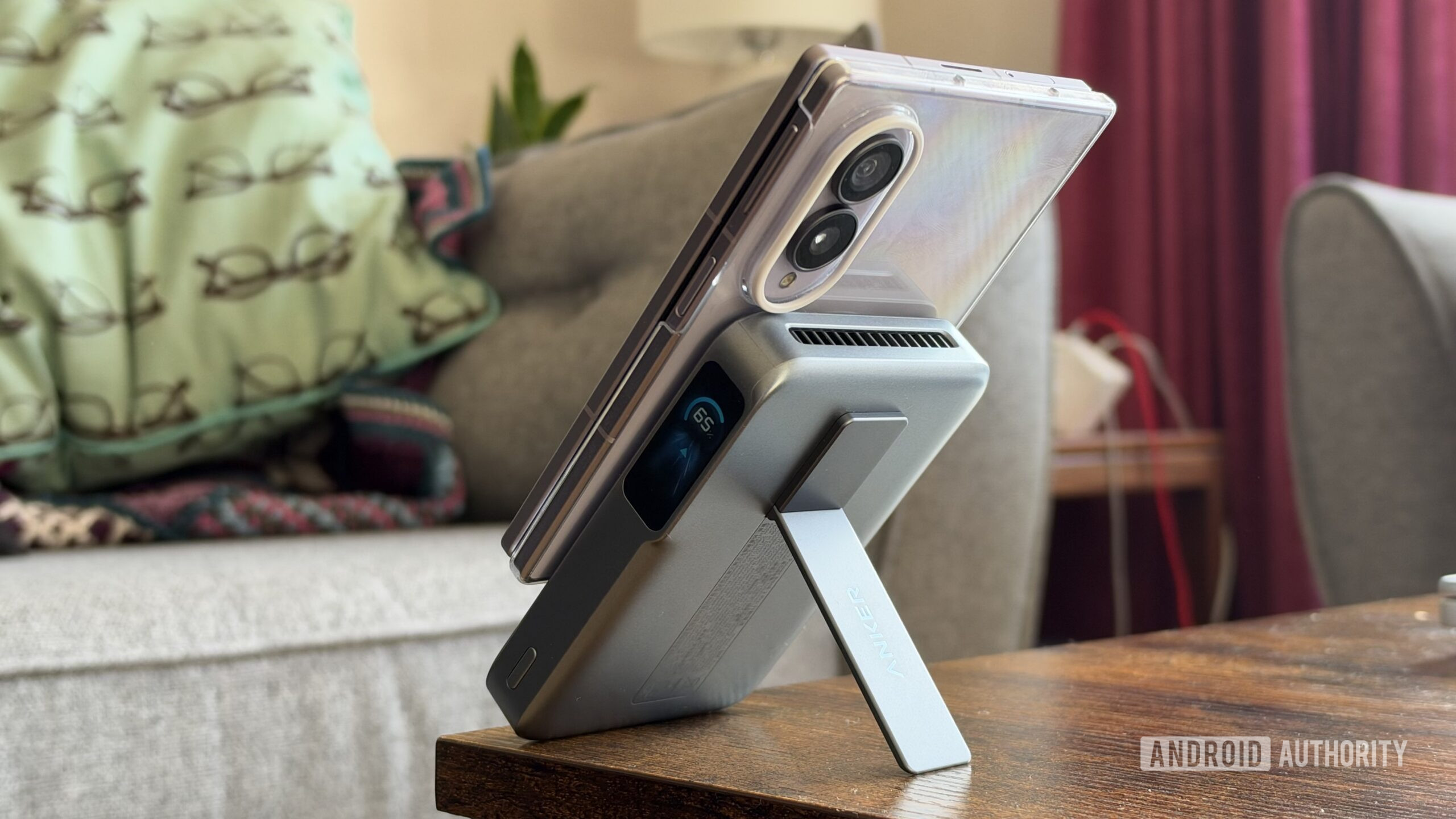
The Anker MagGo Power Bank 2 Pro represents a significant evolution from its predecessor, the more affordably priced MagGo Power Bank (10k), which remains available. While both share a 10,000mAh capacity, the Pro model distinguishes itself with enhanced wired and wireless power output, coupled with a more sophisticated display and information interface. Physically, the MagGo 2 Pro has shed some bulk, weighing 7.76 ounces (220 grams) and measuring 0.69 inches (17.5mm) thick, making it noticeably slimmer and lighter than the original’s 8.82 ounces (250 grams) and 0.78 inches (19.8mm) profile. This refined portability ensures it can be comfortably carried in a bag or even a pocket, a crucial factor for users constantly on the move.
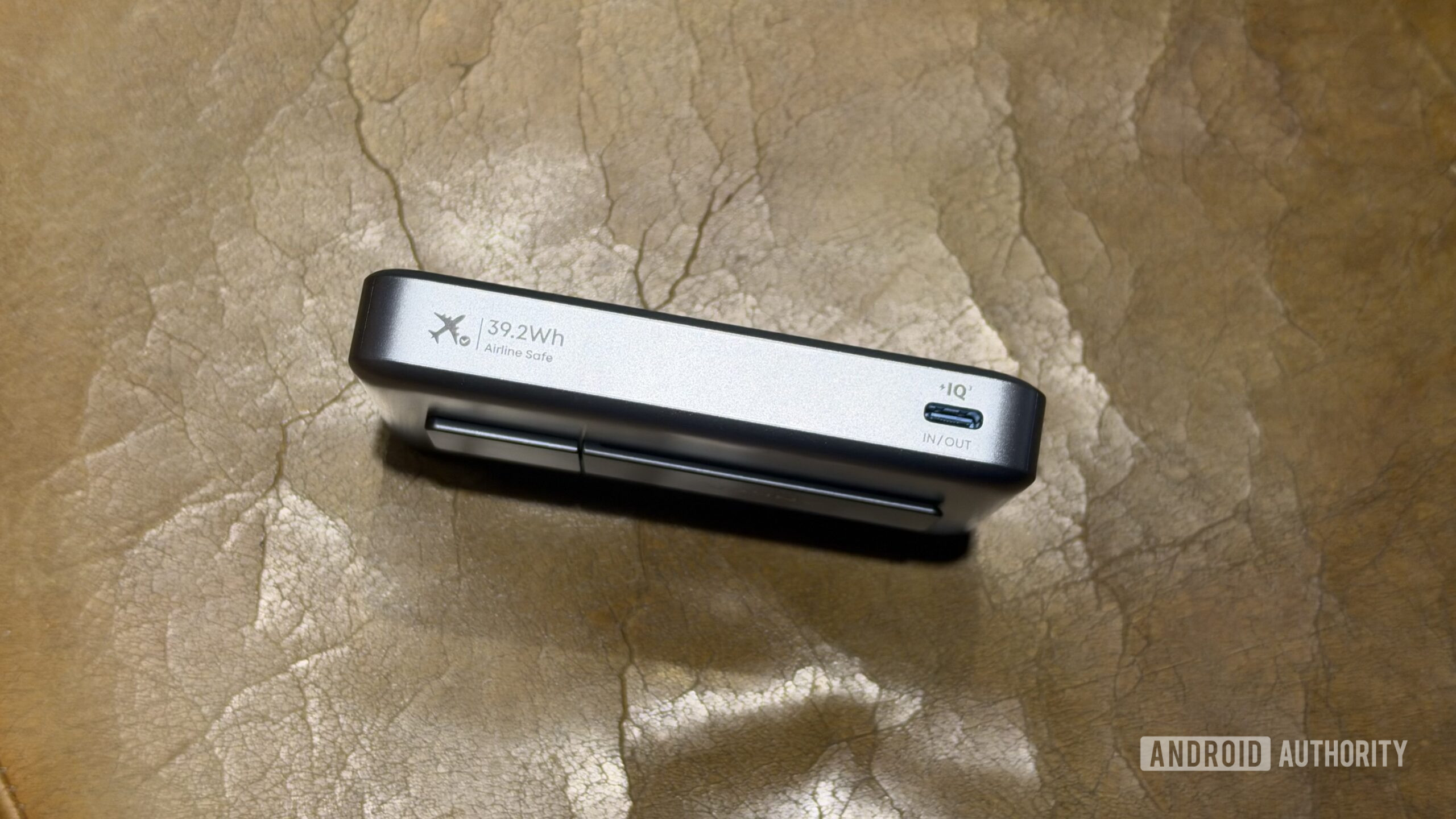
Available in four distinct colors, the MagGo 2 Pro’s premium pricing reflects its advanced feature set, which extends beyond merely offering a high-capacity battery. It aims to deliver a comprehensive, high-performance charging experience, featuring the latest Qi2 charging standard and a robust 45W wired input/output. The device’s 10,000mAh capacity is also certified as flight-safe, making it an ideal travel companion for long journeys.
Unpacking Charging Performance: The iPhone Advantage
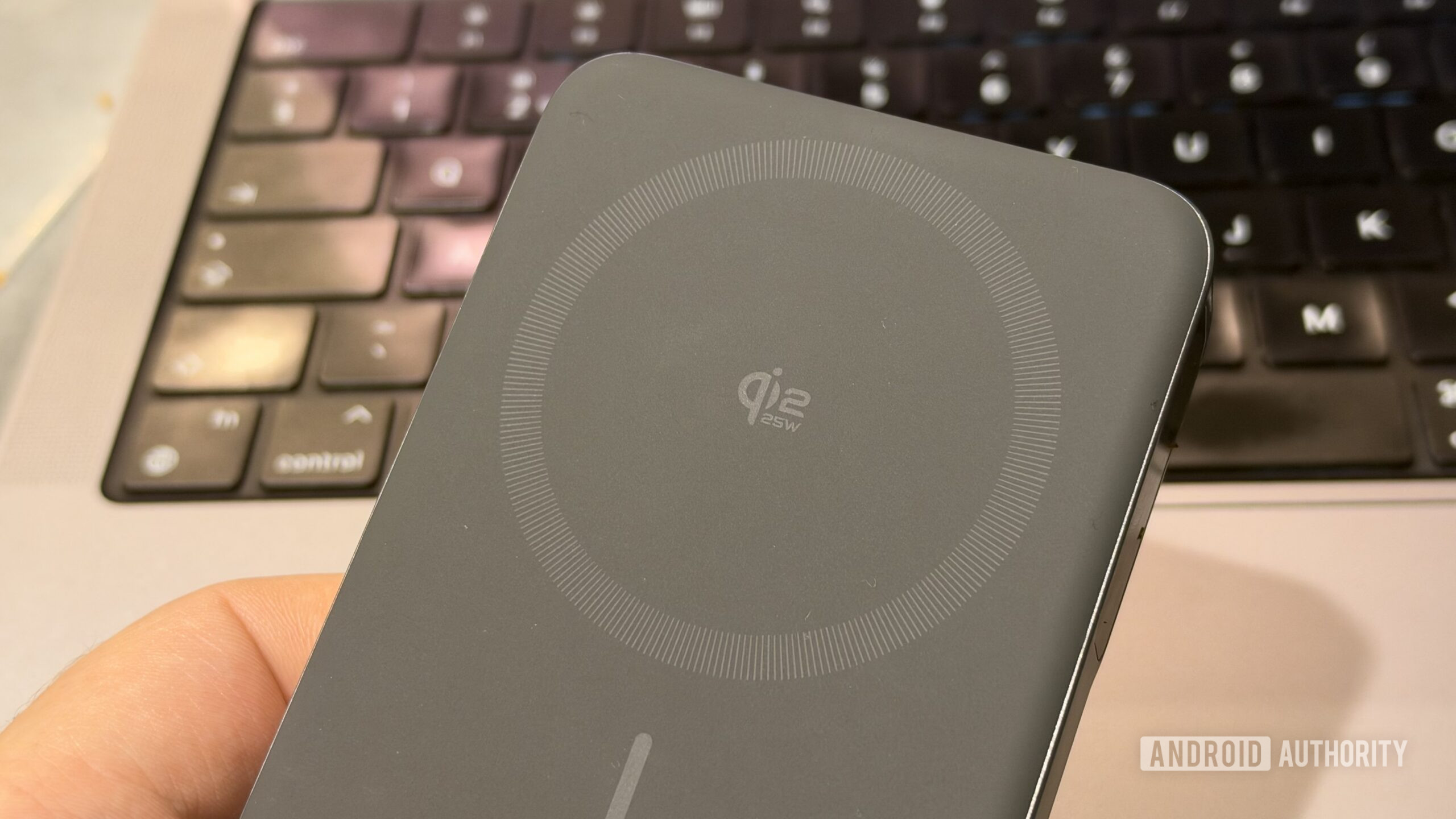
At the core of the MagGo Power Bank 2 Pro’s appeal are its charging capabilities: up to 25W wireless charging for compatible devices and a substantial 45W wired charging for both device replenishment and recharging the power bank itself. The wireless charging, built upon the Qi2 standard, promises magnetic alignment and efficient power transfer.
Testing revealed a stark difference in performance between Apple and Android devices. When wirelessly charging an iPhone 18 Pro Max, which fully supports the 25W Qi2 wireless charging, the MagGo 2 Pro delivered impressive speeds. The iPhone’s 5,391mAh battery reached 25% charge in just 15 minutes, 80% in an hour, and a full 100% in 1 hour and 40 minutes. This process consumed approximately 83% of the power bank’s internal battery, highlighting the inherent inefficiencies of wireless charging, especially when coupled with an active cooling fan. Throughout this charging cycle, the iPhone and power bank remained comfortably cool, with only a minor temperature increase observed, making the phone usable even while attached.
Conversely, the experience with Android devices, specifically a Samsung Galaxy Z Fold 8 equipped with a Clear Magnet Case for optimal alignment, presented noticeable limitations. Despite the Z Fold 8 being Qi2 compatible and capable of accepting up to 20W wireless power, the MagGo 2 Pro exhibited a delayed response, oscillating between 5-8W for several minutes before finally reaching its peak output. The charging process was also accompanied by a more significant heat generation, with both the phone and charger becoming hot to the touch, even with the cooling fan engaged. Performance metrics reflected this disparity: the Z Fold 8 reached only 21% charge after 15 minutes, 50% after an hour, and a full charge required almost two and a half hours, despite its smaller battery capacity compared to the iPhone tested. This discrepancy underscores the "Made For iPhone" sentiment, suggesting that while Android devices can use the charger, they do not consistently receive the same optimized performance or thermal management.
Robust Wired Charging Capabilities
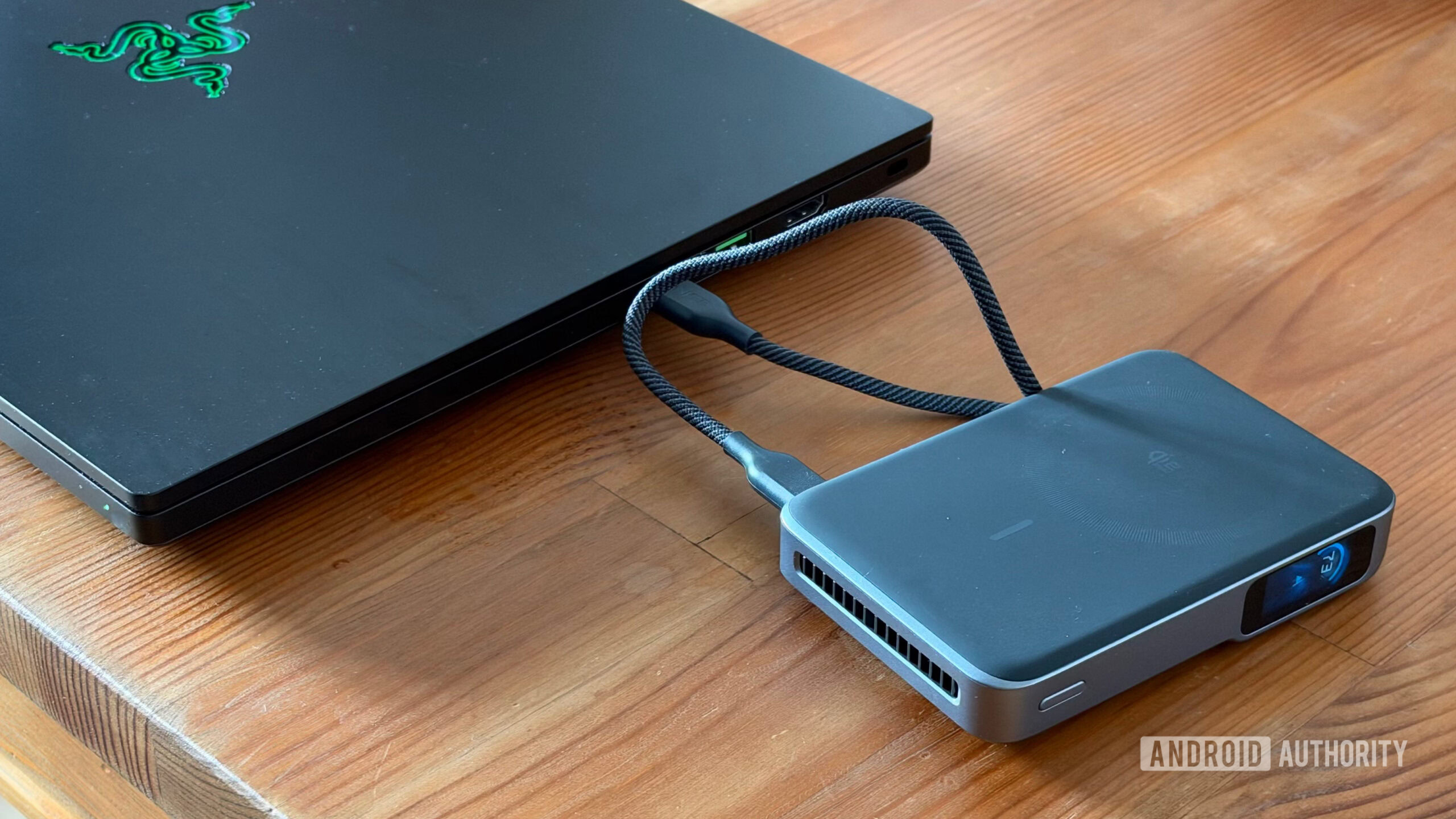
Beyond its wireless functionality, the MagGo Power Bank 2 Pro offers a highly versatile 45W wired charging input and output via its USB-C port. This feature proves invaluable for various scenarios. For instance, the power bank itself can be fully recharged from 0% to 100% in a mere 1 hour and 10 minutes, a speed comparable to many wall chargers. More significantly, the 45W output enables it to provide emergency power to larger devices, such as laptops, a capability not typically found in compact portable chargers.
In practical tests, the MagGo 2 Pro successfully charged a 14-inch M1 Pro MacBook Pro to 49% in just over 40 minutes, completely depleting the power bank in the process. Similarly, it boosted a Razer Blade 14 to 47% in 50 minutes before running dry. While a dedicated 20,000mAh power bank would be more suitable for frequent laptop charging, the MagGo 2 Pro offers a valuable backup solution for critical power needs on the go. This 45W wired capability is a universal benefit, accessible to all devices with USB-C ports, and stands as a strong point for the power bank regardless of mobile OS preference.
The SnapCool Fan: A Functional Innovation
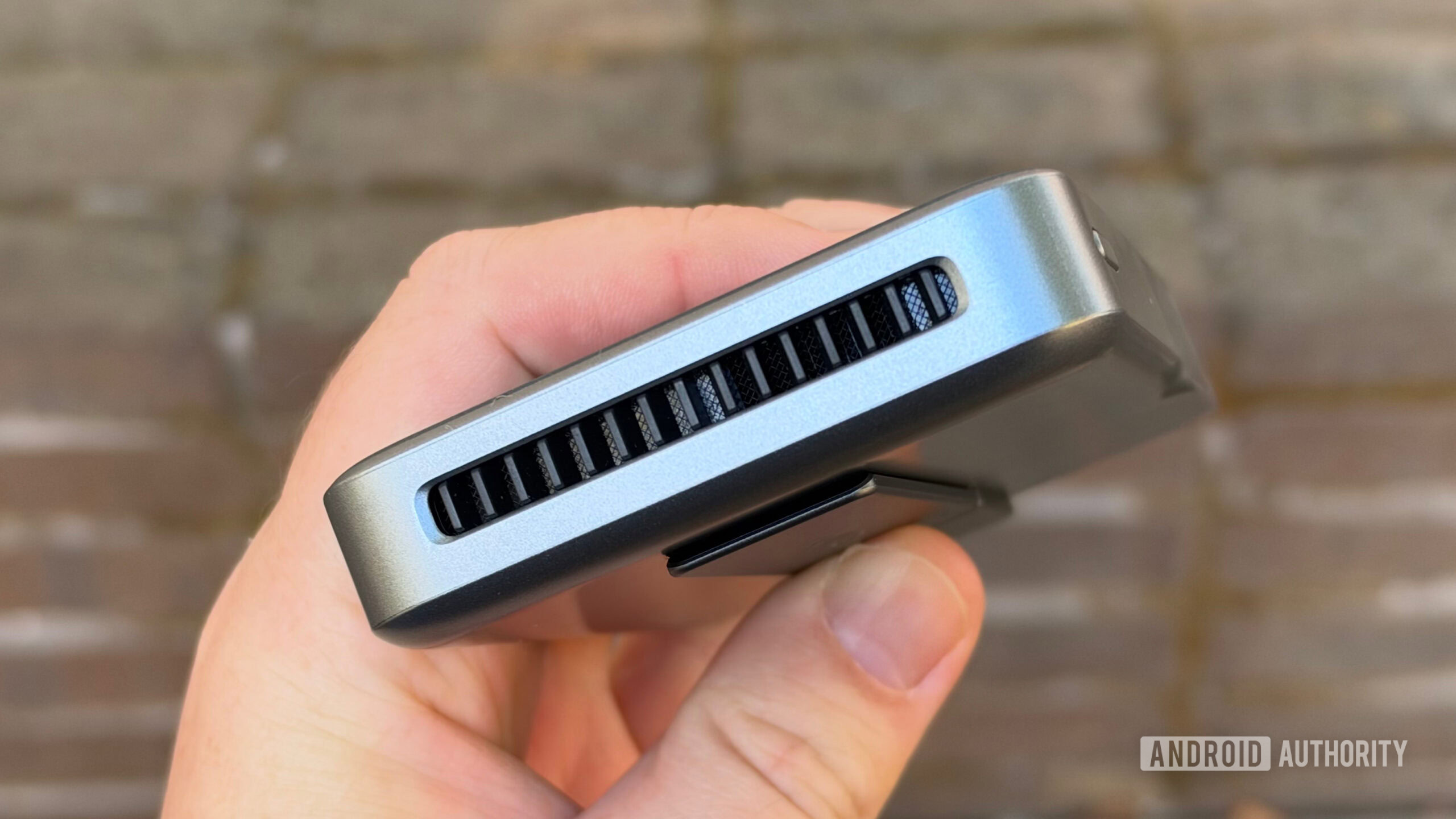
A standout feature of the MagGo Power Bank 2 Pro is its integrated SnapCool fan, a tiny 18mm diameter unit designed to activate during 15W or higher wireless charging. This fan, complemented by graphene layers beneath the power bank’s exterior and strategically placed vents, aims to maintain an optimal operating temperature of approximately 36 degrees Celsius (97 degrees Fahrenheit). This active cooling mechanism is crucial for sustaining high wireless charging speeds, as heat is a primary antagonist to charging efficiency and battery longevity.
When active, the fan produces an audible whirring sound, typical of small rotating components. However, its noise level is remarkably low, registering between 30-40dB from a foot away, which is comparable to a quiet whisper or the ambient hum of a refrigerator. This means it is unlikely to be disruptive in most environments unless the user is in a completely silent room or holds the device close to their ear.
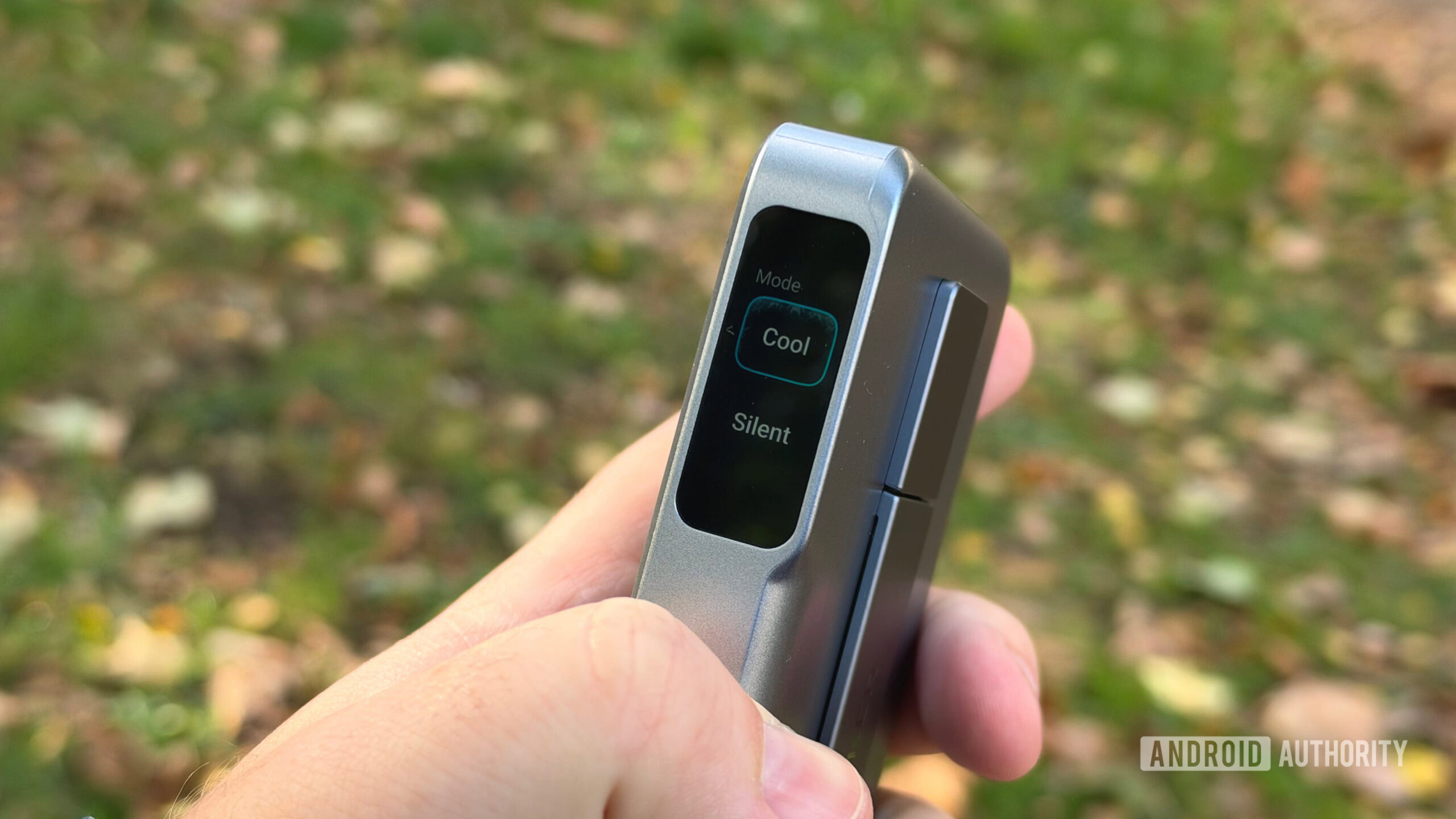
For users sensitive to noise, the power bank offers a "Silent mode" which deactivates the fan. While this reduces auditory output, it comes at a noticeable cost to performance. With the fan off, recharging the power bank extends from 1 hour 10 minutes to 1 hour 30 minutes. Similarly, a full wireless recharge of an iPhone 18 Pro Max stretches to 3 hours 40 minutes, and the Z Fold 8 takes just over 3 hours. These extended charging times highlight the fan’s crucial role in maintaining optimal efficiency and speed. Therefore, unless specific circumstances necessitate absolute silence or maximizing every milliamp-hour into the device (which would contradict the goal of fast charging), keeping the SnapCool fan active is strongly recommended for the best user experience.
Smart Display and User Interface: Mixed Android Support
The inclusion of a smart display on charging accessories can often be superfluous, but Anker has largely justified its presence on the MagGo Power Bank 2 Pro. The screen provides valuable real-time information, enhancing the user’s control and understanding of the charging process.
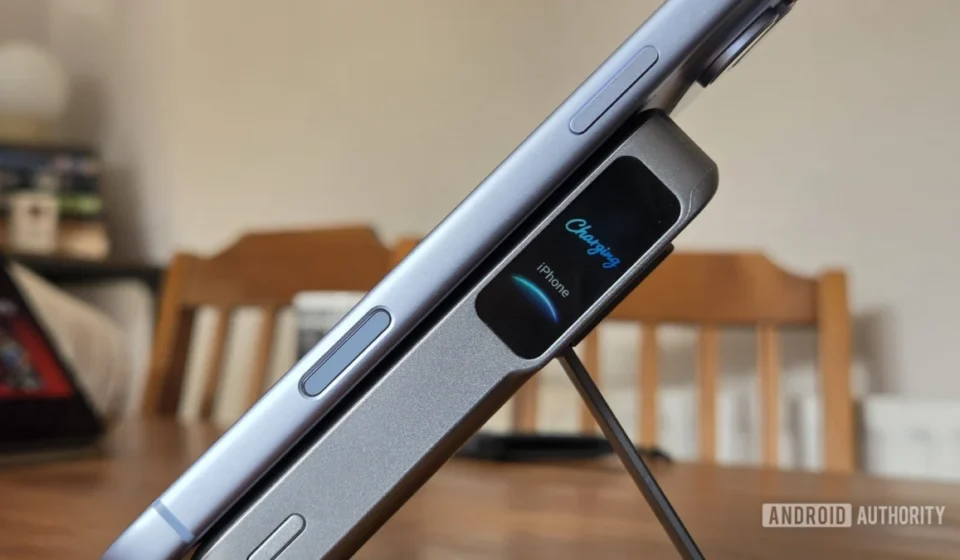
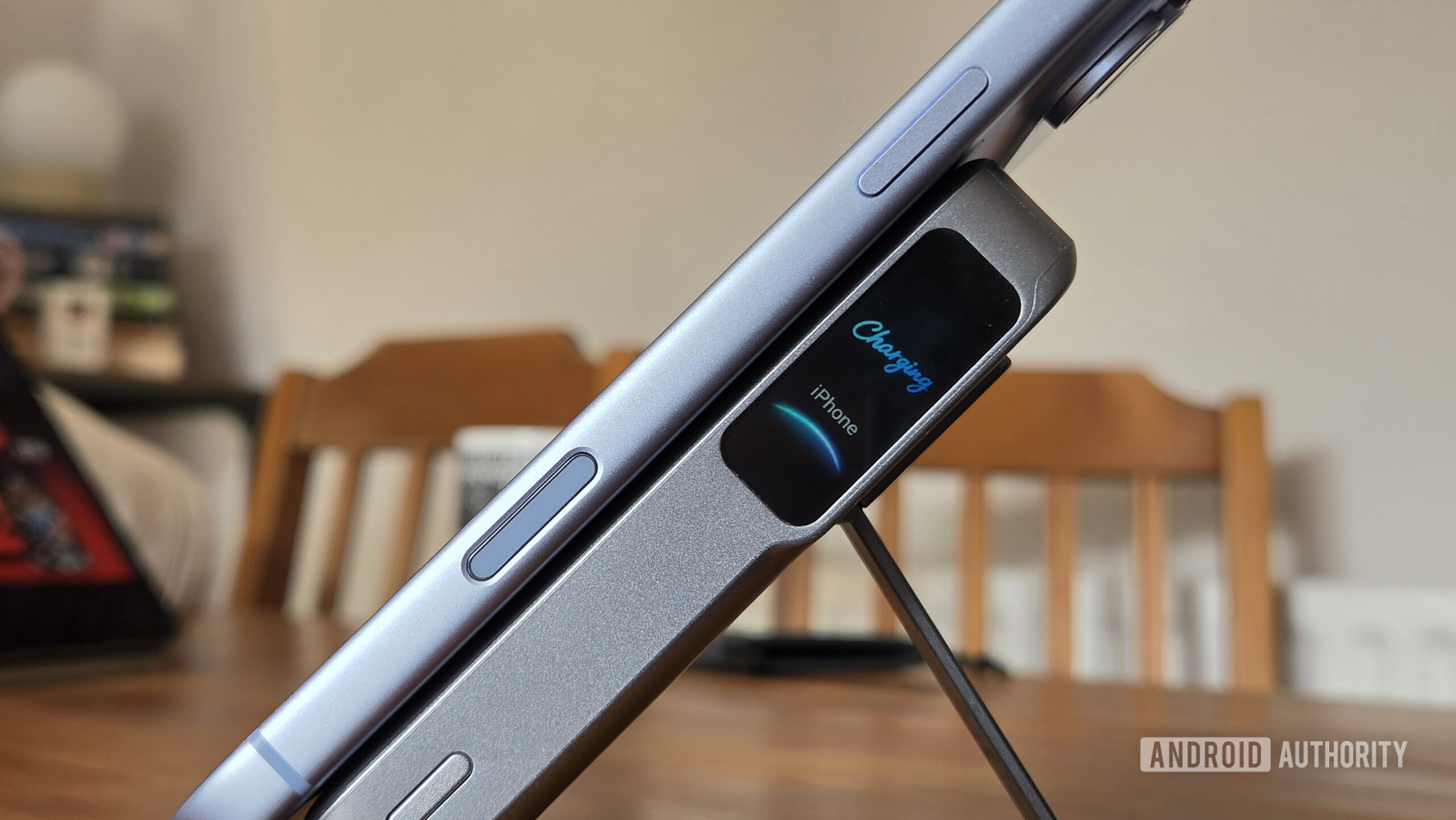
Upon attaching a phone magnetically, the power bank attempts to identify the device’s brand, which it successfully did for both the iPhone and Galaxy phone during testing. Anker claims the charger then applies a "unique charging profile" to optimize speed and battery health. However, the specifics of this profile and its impact on the power bank’s behavior are not clearly communicated to the user. A more significant limitation for Android users emerged with the charge time estimate feature: this function consistently worked for the iPhone and for recharging the power bank itself, but failed to provide estimates for Android devices. This further reinforces the perception of Android as a secondary consideration in the product’s design.
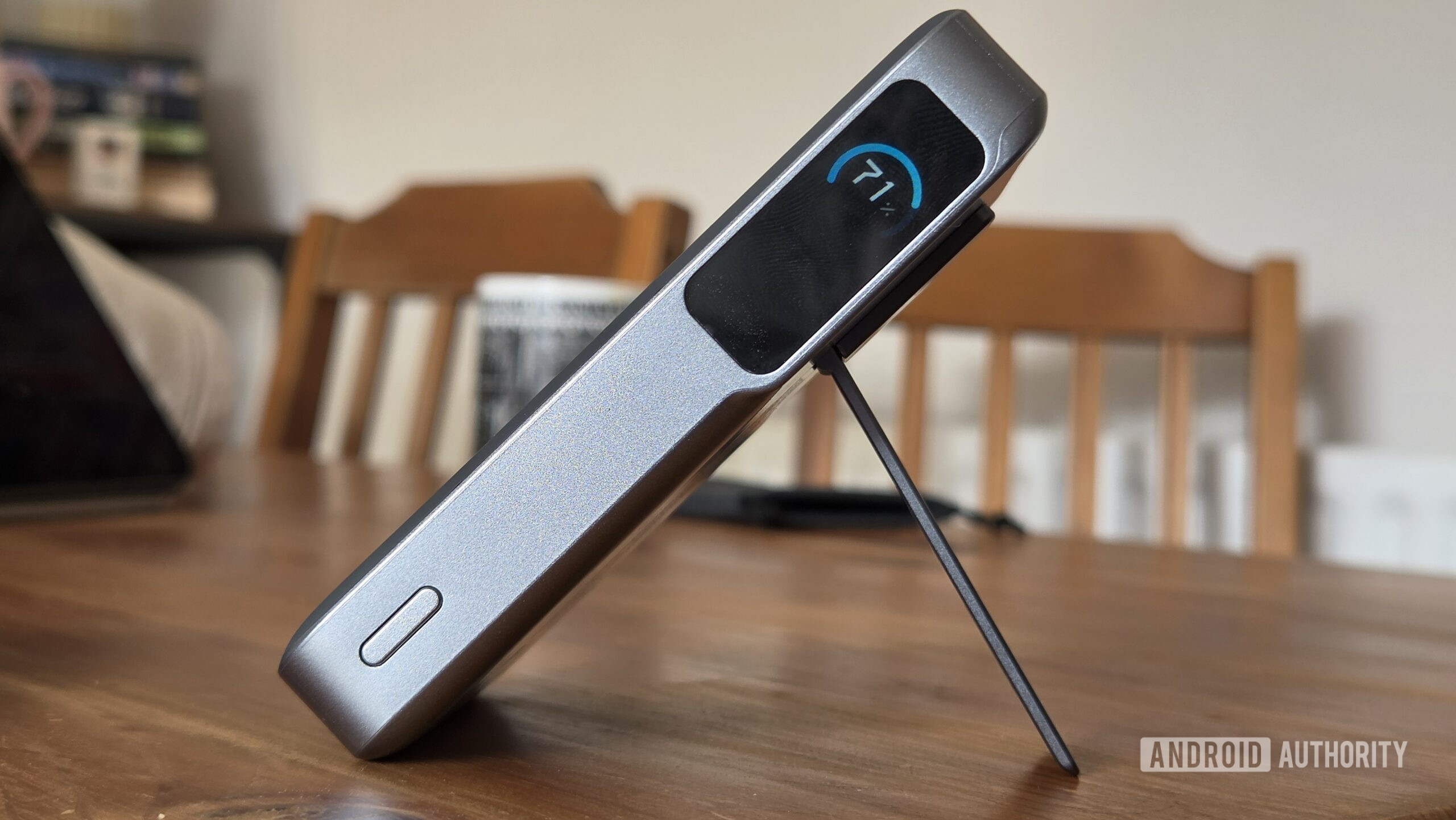
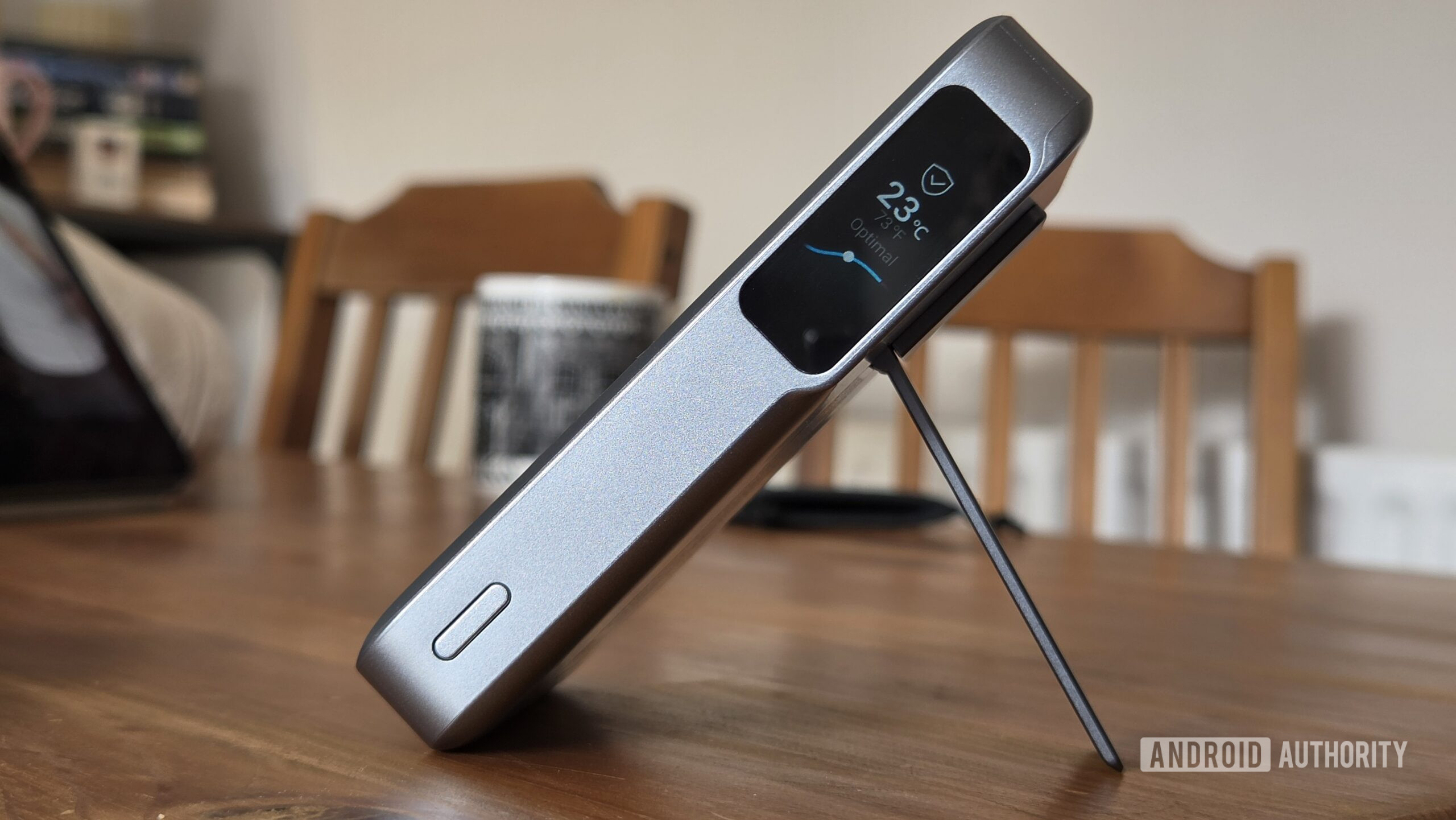
Beyond these nuances, the display offers practical information such as the power bank’s current charging status, battery level, battery health, wired and wireless output power, current temperature, and fan status. Navigation through these menus is intuitive, using a single button for cycling through options, a double-tap for toggling settings like the fan or wireless charging, and a long press to turn off the display. This interface is consistent with Anker’s established design language for its other smart charging products.
A unique feature is the summary screen displayed after a device is disconnected, which purports to show how much time the fan "saved" during the charging session. However, the reported savings did not consistently align with independent test data, suggesting that Anker’s calculation method might not directly reflect real-world efficiency gains.
Generous Extras and Overall Value
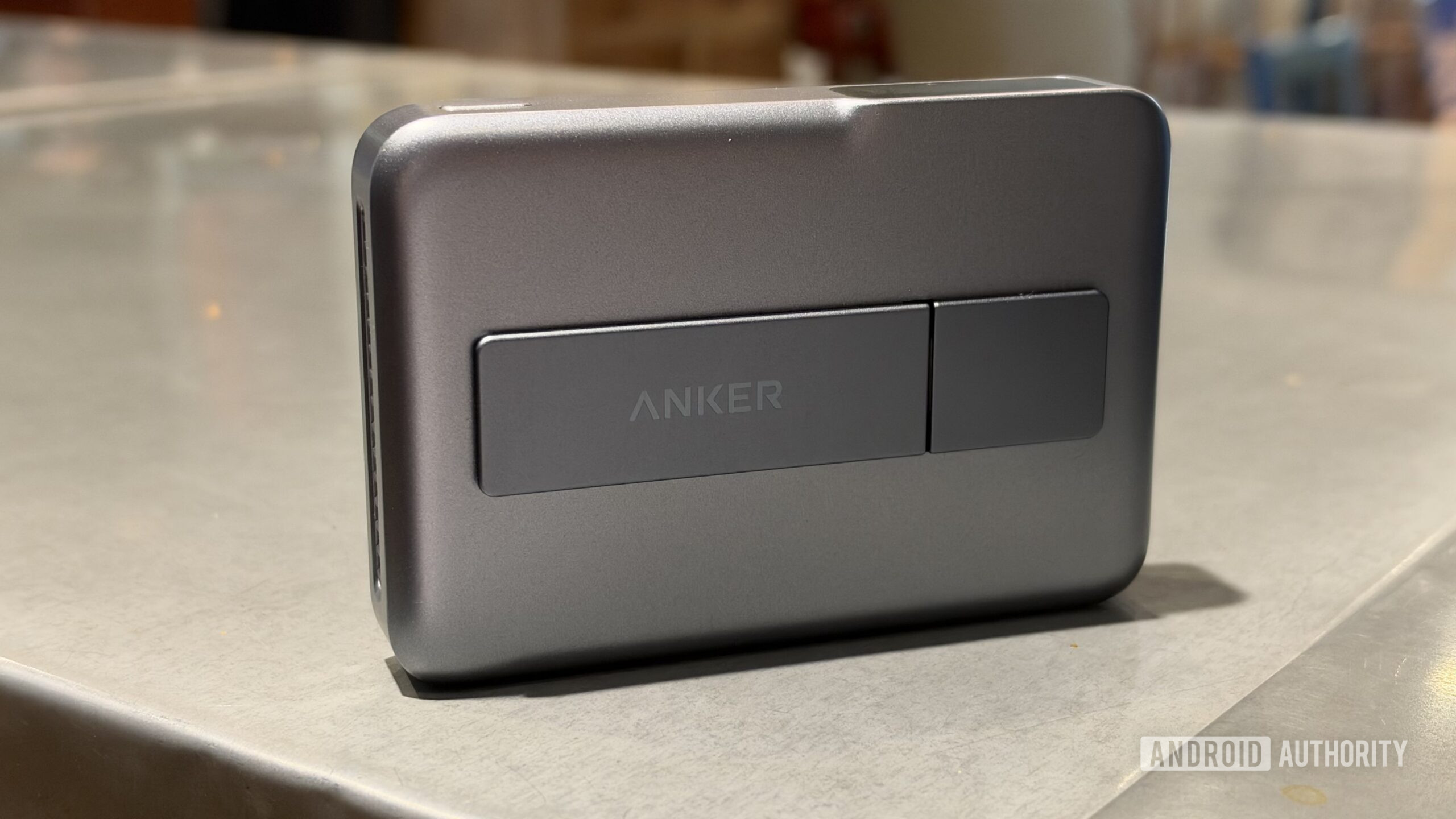
Anker has packed the MagGo Power Bank 2 Pro with a thoughtful array of accessories that enhance its overall utility. A pre-attached, adjustable kickstand is a notable inclusion, allowing users to position their phone at an optimal viewing angle while charging, crucially without obstructing the cooling vents. While heavier than a dedicated phone stand, its integration adds significant convenience, enabling the power bank to serve as a versatile desk or bedside companion even when not actively charging.
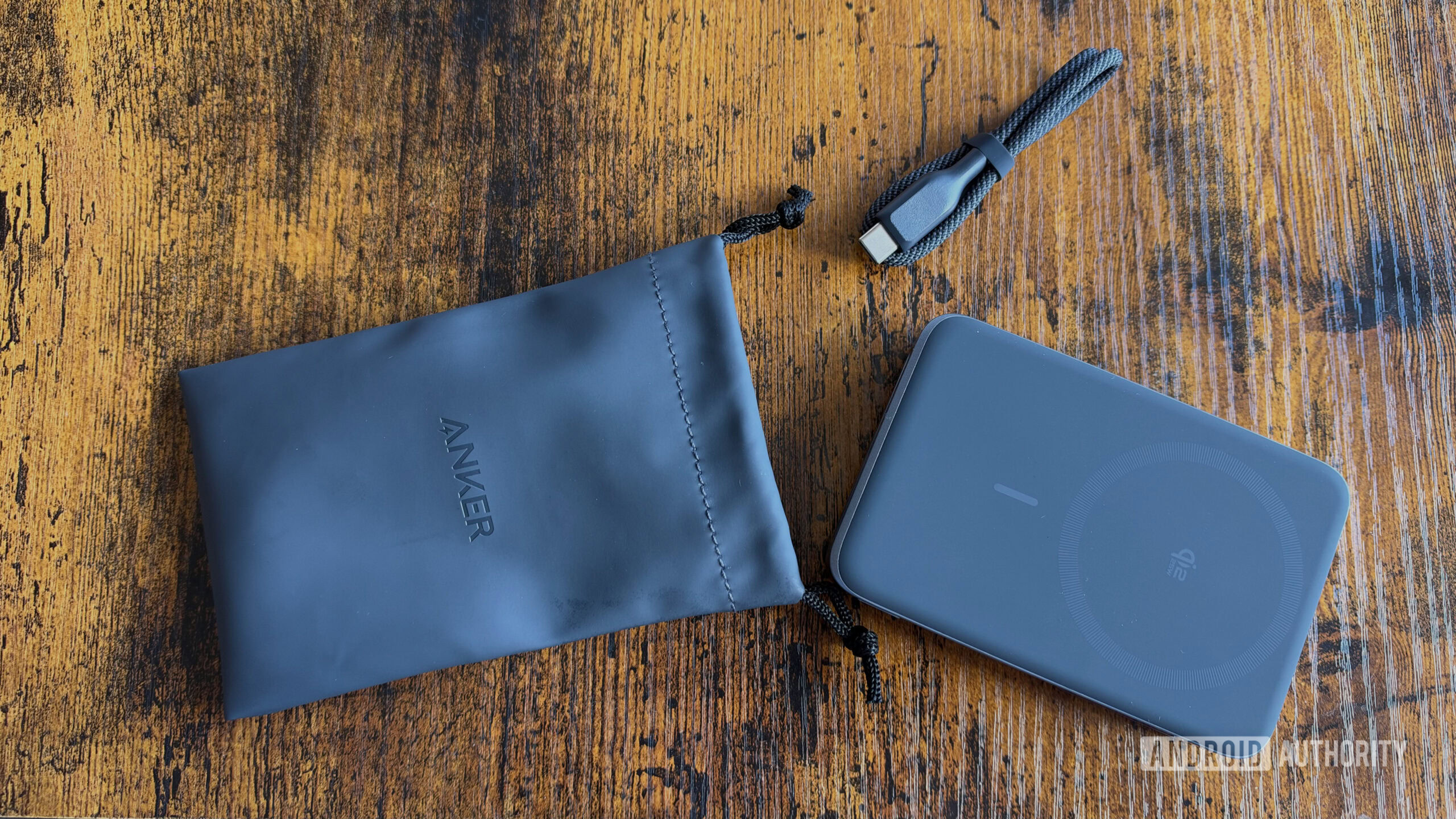
The retail package also includes a sturdy storage pouch and a one-foot USB-C cable. The cable, though braided, features connectors that feel somewhat inexpensive. This might be attributed to Anker’s reported use of recycled materials, which is a positive environmental consideration. Crucially, the cable supports up to 60W of power delivery, making it compatible with higher-wattage chargers and enhancing its versatility. The storage pouch is well-fitted, offering adequate protection against scratches for both the power bank and the cable. Its thickness, however, is insufficient to prevent the powerful magnet from adhering to other metallic objects in a bag, a minor but noteworthy detail for users carrying sensitive electronics.
Market Context and Competitive Landscape
The Anker MagGo Power Bank 2 Pro enters a competitive market segment for premium portable chargers. Its $109.99 price point places it at the higher end, reflecting its advanced features like Qi2 wireless charging, active cooling, and a smart display. While numerous cheaper alternatives exist, offering similar or even higher capacities from brands like UGREEN, Satechi, or Anker’s own standard MagGo 10k power bank, the Pro model aims to differentiate itself through a superior user experience and cutting-edge technology.
A direct competitor highlighted in the original review is the UGREEN MagFlo Pro, which offers a comparable feature set, including magnetic wireless charging, but employs liquid cooling instead of a fan. The UGREEN model also carries a slightly higher base price, suggesting that Anker’s offering is competitively positioned within this niche of advanced, high-performance portable chargers. The decision between the two may come down to personal preference for cooling technology and ecosystem integration.
Implications for Android Users in a Evolving Ecosystem
The core critique of the Anker MagGo Power Bank 2 Pro centers on its perceptible bias towards the iPhone ecosystem. While Anker’s focus on Apple users is historically understandable given the established MagSafe platform, the landscape of wireless charging is rapidly evolving. The Qi2 standard, built upon Apple’s foundational MagSafe technology, is gaining significant traction within the Android sphere.
Samsung, a dominant player in the Android market, has already incorporated Qi2 compatibility into its flagship Galaxy S and Galaxy Z series products, offering the underlying speed benefits, albeit often without native magnetic attachment (requiring third-party MagSafe-compatible cases). Google has pushed this further with its "Pixelsnap" system, introducing Qi2 speeds on the Pixel 10 series (including 25W on the Pixel 10 Pro XL) and extending 25W Qi2.2 to all Pixel 11 series phones. These developments signify a growing commitment from major Android manufacturers to embrace a standardized, high-speed magnetic wireless charging protocol.
Anker’s current implementation, which provides a significantly optimized and faster experience for iPhones while offering a slower, less efficient, and hotter charging experience for Qi2-compatible Android phones (even with magnetic cases), creates a disparity. This design choice implies that Anker has yet to fully optimize its advanced features, such as the smart charging profiles and accurate charge time estimates, for the expanding Qi2 Android market. The display merely identifying the Android brand, without delivering the full suite of "Pro" features, feels like a missed opportunity.
Conclusion: A Premium Performer with Room for Growth
The Anker MagGo Power Bank 2 Pro is undoubtedly a premium charging product that delivers on many fronts. Its compact size, robust 10,000mAh capacity, impressive 45W wired charging, and the innovative SnapCool fan combine to offer a powerful and convenient on-the-go charging solution. For iPhone users, it stands as one of the best wireless power banks available, delivering fast, cool, and efficient charging that fully leverages its "Pro" capabilities.
However, for Android users, the experience is notably diminished. Despite the growing adoption of the open Qi2 standard by major Android players like Samsung and Google, the MagGo Power Bank 2 Pro currently falls short of providing a truly equitable premium experience. The slower wireless charging speeds, increased heat generation, and lack of advanced display functionalities for Android devices suggest that Anker has not yet fully adapted its product to the evolving multi-platform charging environment.
While it remains an acceptable portable charger for Android devices, its true potential is unlocked primarily within the Apple ecosystem. Anker has an opportunity, and arguably a responsibility, to update its firmware or release a future iteration that fully embraces the Qi2 capabilities of PixelSnap-compatible Pixels and Qi2-ready Samsung phones (with appropriate cases). Until then, Android users seeking the absolute best in magnetic wireless charging might find themselves compromising on speed and optimization with the Anker MagGo Power Bank 2 Pro, despite its otherwise impressive hardware. The product is a testament to Anker’s engineering prowess but also a stark reminder of the challenges in serving a fragmented mobile market with truly universal "Pro" level performance.