Google Unveils Quick Share SDK, Revolutionizing Cross-Platform File Sharing for Android and iOS Applications

Google has announced a significant expansion of its Quick Share functionality, revealing plans to release a comprehensive Software Development Kit (SDK) in the first half of 2027. This strategic move, detailed during the recent Android Dev Summit, aims to empower developers to embed peer-to-peer file sharing and the intuitive "Tap to Share" experience directly within their Android and iOS applications, promising an unprecedented level of convenience and seamless interoperability for users across both dominant mobile ecosystems.
The Evolution of Quick Share and its Strategic Importance
The announcement at the Android Dev Summit 2026, an event primarily focused on the future of Google’s mobile operating system and its developer ecosystem, alongside initial details about Android 18, underscored Google’s commitment to enhancing core user experiences. Quick Share, Google’s answer to Apple’s AirDrop, has steadily evolved from its origins as "Nearby Share." Initially launched in August 2020, Nearby Share provided a robust way for Android users to share files, links, and photos with other nearby Android devices. The subsequent rebrand to Quick Share in early 2024, integrating it with Samsung’s equivalent technology and extending its reach to Windows PCs, signaled Google’s ambition to create a unified, cross-platform sharing solution. This latest SDK initiative marks the most ambitious step yet in that journey, pushing Quick Share beyond a system-level utility into a fundamental component of application design.
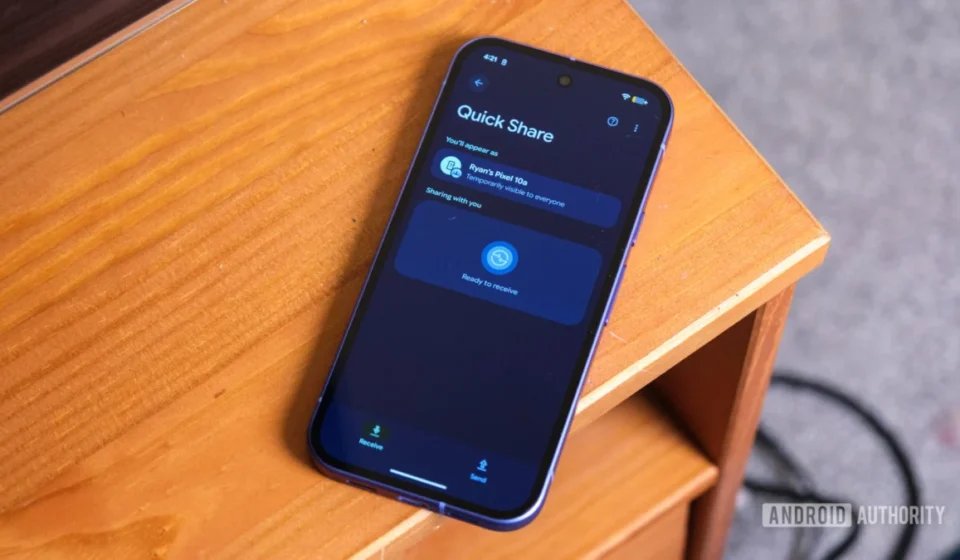
The current iteration of Quick Share, while effective, often requires users to navigate through the system’s share sheet, selecting the Quick Share option, and then engaging with a full-screen interface. This multi-step process, while familiar to Android users, introduces friction, particularly when sharing within an application context. The forthcoming SDK addresses this directly by allowing developers to integrate the sharing mechanism natively. This means users will be able to initiate and complete file transfers without ever leaving the application they are currently using, significantly streamlining workflows and enhancing overall usability.
Key Technical Capabilities and User Benefits
Google has highlighted five core capabilities that underpin the Quick Share SDK, each designed to ensure a robust, secure, and efficient sharing experience:
-
End-to-End (E2E) Encryption: Security is paramount in file transfer, and the SDK promises E2E encryption for all shared content. This ensures that data remains private and secure from the moment it leaves the sender’s device until it reaches the recipient, mitigating risks of interception or unauthorized access. This feature is particularly crucial in an era of heightened digital privacy concerns and will instill greater user confidence.
-
Low Latency and Maximum Transfer Speeds: The SDK is engineered for optimal performance, ensuring minimal delays in initiating transfers and maximizing the actual data transfer rates. This is vital for larger files, such as high-resolution images or video clips, where slow speeds can quickly become a source of frustration. The underlying peer-to-peer architecture is inherently designed to leverage direct device-to-device communication, bypassing server bottlenecks where possible.
-
No Need for Compression: Unlike some sharing methods that might automatically compress files to expedite transfer, potentially degrading quality, Quick Share via the SDK will allow for transfers without compression. This preserves the original fidelity of images, videos, and documents, a critical feature for professionals, content creators, and anyone who values the integrity of their digital assets.
-
Offline Functionality: A significant advantage of peer-to-peer sharing is its independence from internet connectivity once devices are paired. The Quick Share SDK will retain this crucial offline capability, allowing users to transfer files even in environments without Wi-Fi or cellular data, such as remote locations, during travel, or in areas with poor network coverage. This makes it an incredibly versatile tool for a wide range of scenarios.
-
No Costly Infrastructure: For developers, the integration of Quick Share via the SDK means they won’t need to build or maintain their own costly server infrastructure for file transfer. Google is providing the robust framework, significantly lowering the barrier to entry for incorporating advanced sharing capabilities into applications. This economic benefit is likely to encourage widespread adoption among the developer community.
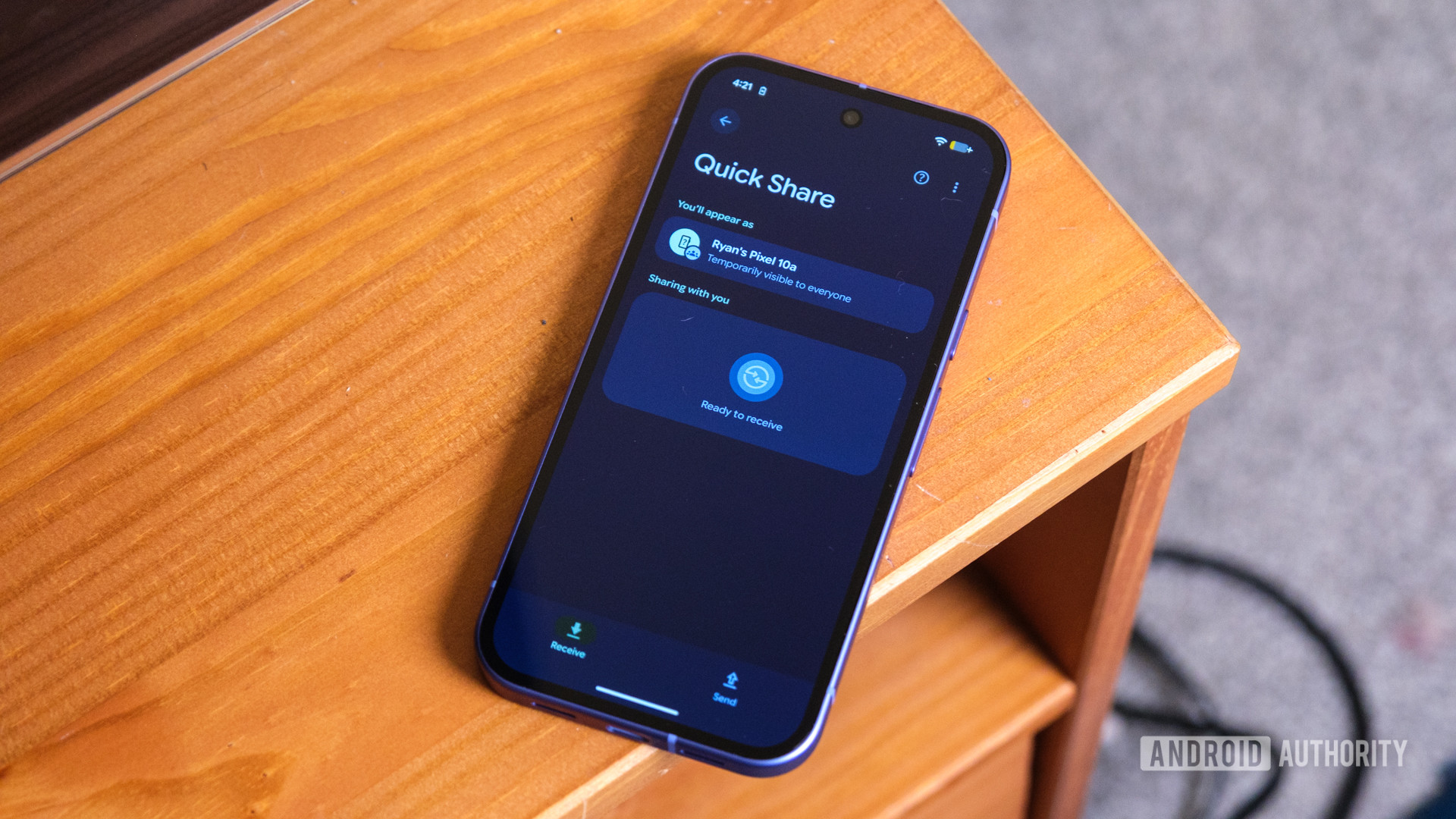
From a user perspective, the primary benefit is convenience. Imagine sharing a document from a productivity app, a photo from an editing suite, or a video from a media player directly to a nearby device, whether it’s an Android tablet or an iPhone, with a simple tap. As demonstrated in conceptual images shared by Google, initiating Quick Share within an app will typically bring up a subtle "bottom sheet" interface, allowing users to select recipients and preview files being sent without disrupting their current task. This embedded, contextual sharing experience represents a paradigm shift from the current system-wide share sheet model.
Context of the Android Dev Summit 2026
The Android Dev Summit serves as a pivotal annual event for Google to connect with its vast developer community. It’s a platform for revealing new tools, APIs, and updates that will shape the future of Android application development. Announcements typically range from deep technical insights into the operating system’s architecture to new guidelines for user interface design and performance optimization. The unveiling of the Quick Share SDK at this summit is strategic, signaling to developers the importance of cross-platform interoperability and seamless user experiences in Google’s vision for Android’s future. It also underscores Google’s ongoing efforts to make Android a more open and integrated ecosystem, capable of communicating effectively with other platforms.
Beyond Quick Share, the summit also offered glimpses into Android 18, the next major iteration of the operating system. While specific details were limited, such early announcements often hint at broader themes, such as enhanced privacy controls, further AI integration, or new form factors. The concurrent announcement of the Quick Share SDK suggests that improved connectivity and device interaction will be a recurring theme in upcoming Android developments.
The Broader Implications and Market Impact
The introduction of the Quick Share SDK has significant implications for both the mobile industry and the user experience landscape.
Enhancing Cross-Platform Interoperability: One of the most persistent challenges in the mobile world has been the walled gardens created by dominant operating systems. Apple’s AirDrop has long been a benchmark for seamless, local file sharing within its ecosystem, but it notoriously does not work with Android devices. Quick Share, particularly with this SDK, directly challenges this paradigm. By providing developers with a tool to enable direct, secure, and efficient file sharing between Android and iOS apps, Google is actively chipping away at these barriers. This fosters a more cohesive and less fragmented digital experience, allowing users to choose devices based on preference rather than being locked into an ecosystem for basic functionality like file transfer. This could be particularly impactful in professional or educational settings where a mix of devices is common.
Empowering Developers and Fostering Innovation: The SDK significantly simplifies the technical challenge of implementing robust peer-to-peer file sharing. Developers no longer need to dedicate resources to building complex networking layers, handling encryption, or managing device discovery. Instead, they can leverage Google’s pre-built, optimized solution, freeing them to focus on their application’s core features and unique value proposition. This reduction in development overhead is likely to spur innovation, leading to a wider array of applications that seamlessly integrate file sharing, from collaborative tools to media editors and enterprise solutions. The "Tap to Share" integration further allows for highly contextual sharing, which can be tailored to specific app functionalities.
Competitive Landscape and Ecosystem Growth: While Quick Share has been Google’s answer to AirDrop, the SDK takes this competition to a new level by pushing the functionality into the application layer. This moves beyond a mere feature parity play and instead aims to embed Quick Share as a ubiquitous standard for direct content exchange. For Google, a more integrated and seamless sharing experience across platforms could boost the appeal of Android devices and services, reinforcing its ecosystem’s strength. It also subtly pressures Apple to consider similar open-standard approaches, though Apple has historically maintained tighter control over its ecosystem. The success of the SDK will depend heavily on developer adoption, but the benefits outlined by Google present a compelling case.
Security and Privacy Reassurance: In an era where data breaches and privacy concerns are front-page news, Google’s emphasis on End-to-End Encryption is a crucial selling point. By baking robust security directly into the SDK, Google ensures that developers can implement secure sharing without needing specialized cryptographic expertise. This standardization of secure practices elevates the overall security posture of applications utilizing Quick Share, offering users greater peace of mind when transferring sensitive information. The offline capability also inherently reduces reliance on cloud servers for transient file transfers, which can be another privacy benefit.
Timeline and Future Outlook: The release in the first half of 2027 provides developers with ample time to familiarize themselves with the SDK and integrate it into their upcoming app updates or new projects. Early adopters are likely to gain a competitive edge by offering a superior sharing experience. As the SDK gains traction, it’s conceivable that Quick Share could become the de facto standard for direct, localized file transfer across Android and iOS applications, much like how specific APIs became standard for other functionalities.
The announcement represents a strategic investment by Google in the fundamental user experience of its mobile ecosystem and its interoperability with rival platforms. By providing an elegant and powerful solution for direct file sharing, the Quick Share SDK is poised to make digital interactions more fluid, secure, and universally accessible, bridging divides and fostering a more connected mobile world.