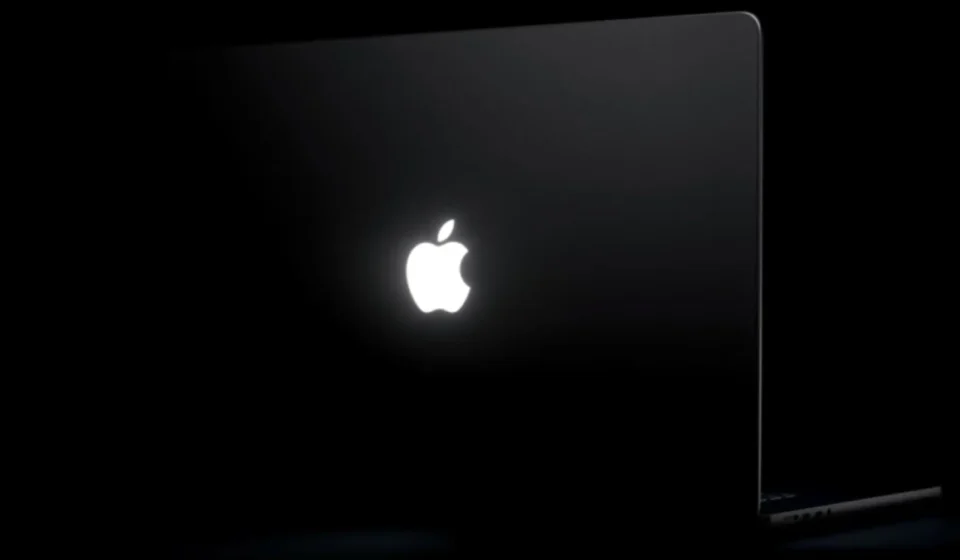
Backglow App Unleashes Customizable Illumination for the Revitalized MacBook Pro Apple Logo

A groundbreaking new application, aptly named "Backglow," has emerged from the creative vision of designer Juan Buis, offering MacBook Pro users unprecedented control over the iconic illuminated Apple logo that has made a triumphant return to the latest 14-inch and 16-inch models. This innovative software provides a suite of customization options, allowing users to personalize the backlight of their device’s lid, a feature that has captivated both nostalgic enthusiasts and new adopters alike. Available initially as a free download with an optional Pro upgrade, Backglow promises to transform the aesthetic experience of owning a modern MacBook Pro.
The Return of an Icon: A Brief History of the Illuminated Apple Logo
The glowing Apple logo, a signature design element for Apple laptops for many years, was first introduced with the original iBook and later became a hallmark of the MacBook and MacBook Pro lines. For over a decade, its subtle luminescence was a recognizable symbol of innovation and design prowess. However, in 2015, with the introduction of the Retina display MacBook Pro models, Apple made the decision to discontinue the illuminated logo. This move was largely attributed to design and engineering constraints associated with the new display technologies and a desire for a sleeker, more minimalist aesthetic.
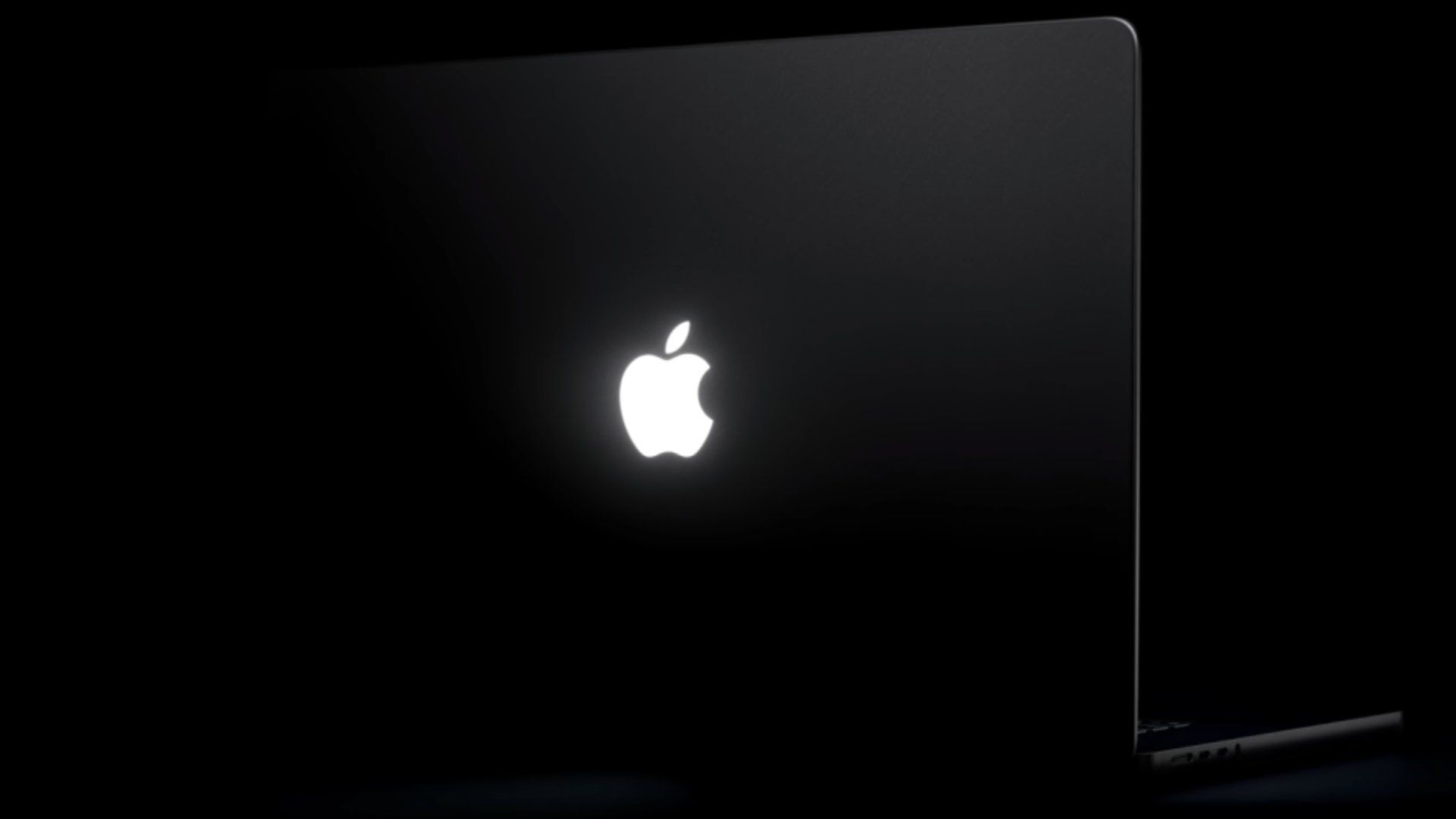
The absence of the glowing logo was noted by many long-time Apple users and enthusiasts, with its return eagerly anticipated. This anticipation was finally met with the unveiling of the new 14-inch and 16-inch MacBook Pro models, which reintroduced the illuminated Apple logo. This revival was not merely a cosmetic choice; it represented a significant engineering feat. Unlike older MacBook models where the logo was illuminated by the display’s backlight, the new MacBook Pros employ a dedicated, custom-engineered light source. This innovation was necessary because modern OLED displays, while offering superior visual quality, do not inherently possess a backlight. The decision to reintroduce the feature was reportedly driven by a desire to recapture a beloved design element, with sources suggesting that an Apple representative described the return as simply "awesome."
Backglow App: Empowering User Customization
The Backglow app, developed by Juan Buis, taps directly into this renewed appreciation for the illuminated logo. The application is designed to provide users with functionalities that go beyond the default behavior set by Apple. By default, the Apple logo on the new MacBook Pros illuminates whenever the Mac is awake. Its brightness dynamically adjusts in tandem with the MacBook Pro’s display brightness and is further influenced by ambient light conditions, as detected by the computer’s integrated ambient light sensor. While this adaptive lighting offers a seamless integration into the user’s environment, Backglow offers a more granular and interactive level of control.
Free Version Features: Enhanced Control and Nostalgic Touches
The free tier of the Backglow application introduces several key features that enhance the user experience:
- Independent Brightness Control: Perhaps the most significant free feature is the ability to manually adjust the brightness of the Apple logo independently of the MacBook Pro’s main display brightness. This allows users to set a specific luminosity for the logo, catering to personal preferences or specific working conditions without affecting the screen’s overall illumination.
- One-Click Off Functionality: Previously, disabling the glowing logo required more involved steps, often necessitating the use of the Terminal application. Backglow simplifies this process with a straightforward, one-click option to turn the logo illumination off entirely. This provides users with immediate control over the aesthetic of their device’s lid.
- "Breathe" Mode: A delightful addition in the free version is the "Breathe" mode. This feature mimics the gentle pulsing of the illuminated sleep indicator light found on older MacBook models. This offers a subtle, dynamic visual cue that can evoke a sense of nostalgia for long-time Mac users while adding a touch of ambient animation to the Apple logo.
These free features alone offer substantial value, providing users with greater flexibility and personalization options that Apple does not natively provide. The ability to fine-tune the logo’s brightness and easily toggle it off addresses common user desires for more control over their device’s visual presentation.
Pro Version: Advanced Modes for Dynamic Illumination
For users seeking even more sophisticated customization, Backglow offers a Pro version, accessible through a one-time payment. This premium upgrade unlocks two advanced modes, further expanding the creative possibilities:
- "Music" Mode: This dynamic mode synchronizes the Apple logo’s illumination with the audio output of the MacBook Pro. The light pulses, fades, or shifts in rhythm with the beat of the music being played, transforming the laptop into a subtle visualizer. This feature is ideal for users who enjoy ambient visual feedback while listening to music or creating content.
- "Agents" Mode: Tailored for productivity and workflow management, "Agents" mode offers intelligent visual cues. The logo gently pulses while AI assistants or code execution processes, such as those involving Claude Code, are actively working in the background. Crucially, it blinks to indicate when user attention is required, such as for an alert or a pending task. This mode aims to provide discreet yet effective notifications, helping users stay on top of their digital tasks without constant interruption.
The Pro version of Backglow is priced at $9 for a limited time, with the price set to increase to $15 thereafter. This tiered pricing strategy aims to incentivize early adoption while ensuring the continued development and support of the application.
Technical Underpinnings and User Reaction
The reintroduction of the illuminated Apple logo on the latest MacBook Pro models, specifically the 14-inch and 16-inch variants equipped with PROLED XDR displays, marked a significant design resurgence. As previously mentioned, Apple’s engineering team developed a "custom light source" to achieve this effect without adding thickness to the lid. This custom solution utilizes a white LED, as confirmed by Buis, which does not change colors. This implies that the color customization of the logo, if ever desired, would require further hardware innovation or accessory solutions.
The development of Backglow is a testament to the ingenuity of the developer community in extending the functionality of Apple hardware. The app’s existence highlights a user desire for more personalized control over device aesthetics, particularly for features that have been brought back after a hiatus.
Initial reactions to the Backglow app, particularly from its announcement via social media platforms like X (formerly Twitter), have been overwhelmingly positive. A tweet from designer Juan Buis, detailing the app’s capabilities and providing a link for download, quickly garnered attention. The tweet highlighted the core features – manual brightness adjustment, the "Breathe" mode, and the advanced "Music" and "Agents" modes – alongside the simplified method for turning the logo off. The enthusiastic response suggests a strong market for such customization tools, especially for iconic design elements that resonate with users.
Broader Implications and Future Potential
The emergence of Backglow also raises questions about Apple’s approach to software customization and user control. While Apple typically maintains tight control over its hardware and software ecosystem, the existence of third-party applications like Backglow that leverage specific hardware features indicates a potential for greater third-party integration in the future. The success of this app could inspire further development in similar niches, potentially leading to a more robust ecosystem of customization tools for MacBooks and other Apple devices.
The "Agents" mode, in particular, points towards an interesting intersection of hardware illumination and AI-driven productivity. As AI assistants become more integrated into operating systems and workflows, visual cues on hardware could offer a more intuitive and less intrusive way for users to interact with these tools. This could pave the way for future Apple products to incorporate more sophisticated, context-aware lighting features.
Furthermore, the engineering effort behind the new illuminated logo, as described by sources like John Gruber of Daring Fireball, underscores Apple’s commitment to design details that enhance the user experience. While the primary function of the logo is aesthetic, its reintroduction and the subsequent development of customization software like Backglow demonstrate its enduring appeal. The fact that Apple went to such lengths to bring back a feature that some might consider non-essential speaks to the company’s understanding of the emotional connection users can have with their devices’ design.
In conclusion, the Backglow app represents a significant development for owners of the latest MacBook Pro models. By providing granular control over the illuminated Apple logo, it empowers users to personalize their devices in ways previously unimaginable. Whether through simple brightness adjustments, nostalgic pulsing effects, or dynamic synchronization with music and AI workflows, Backglow offers a compelling enhancement to the already premium MacBook Pro experience, proving that even the most iconic design elements can be further enriched through user-driven innovation.