The campus counselor a lot of students can actually get hold of is a chatbot.

A groundbreaking survey has revealed a concerning trend among university students: a significant portion is turning to artificial intelligence, specifically generative AI chatbots, for mental health support. The study, conducted by researchers at the University of Bath and published in the esteemed journal JMIR Mental Health, indicates that approximately one in four students surveyed reported using AI for mental health support within the last six months. This finding underscores a growing reliance on technology for personal well-being, particularly within a demographic often facing substantial academic and personal pressures.
The research involved an extensive survey distributed to all 22,207 students enrolled in a program at the University of Bath. The response rate was approximately 9.1%, with 2,020 students providing valuable insights. A pivotal question posed to participants was: "Have you used AI in the last 6 months in relation to your mental health?" The results were striking, with 503 respondents, or 25.0% of the total, affirming their use of AI for such purposes. Many students elaborated that they sought quick advice from AI during moments of emotional distress, with 19.3% specifically citing this as their primary reason for engagement. Others utilized AI to gain a better understanding of their mental health conditions or even as a substitute for a personal therapist or coach. Alarmingly, 54 students (2.7%) reported turning to AI when experiencing thoughts of self-harm, a statistic that highlights the critical, and potentially perilous, role technology is beginning to play in mental health support.
This last point is particularly concerning for mental health professionals and AI ethicists. The study authors explicitly note that "GenAI tools are not designed, regulated, or clinically validated to deliver mental health treatment or crisis intervention." This statement is echoed by OpenAI itself, which has previously reported that a small fraction of its weekly ChatGPT users exhibit signs of suicidal planning or intent. The inherent limitations of AI in understanding nuanced human emotions, providing empathetic support, and offering professional therapeutic guidance are critical factors that must be considered when evaluating these findings.

Demographics of AI Mental Health Seekers
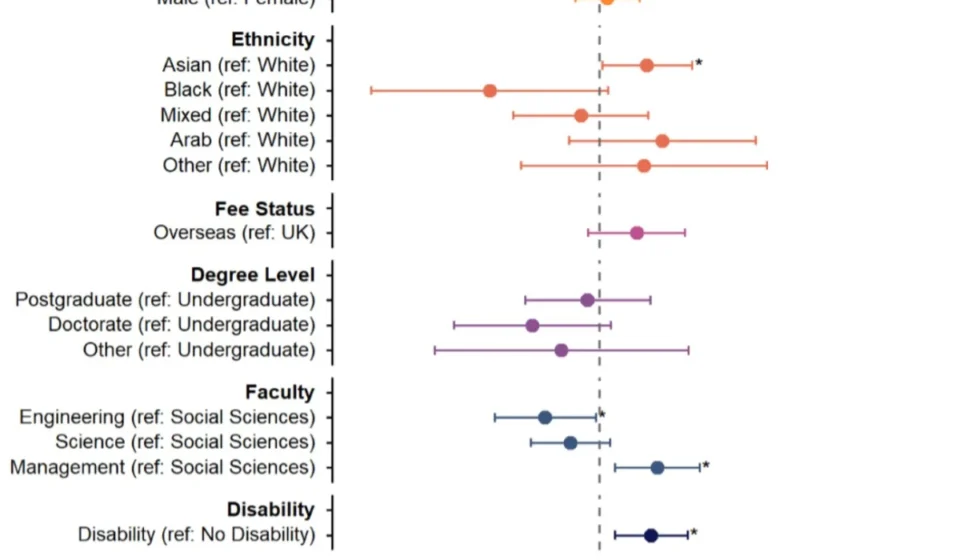
The survey delved deeper into which student populations are most likely to seek AI-driven mental health support. It found a pronounced correlation between lower levels of well-being and increased AI usage. Specifically, approximately 36.8% of students reporting very low well-being indicated they had used AI tools for mental health support, in stark contrast to just 19.1% of students with average well-being. This trend aligns with earlier research that has linked daily interaction with chatbots to higher reported levels of depression. This suggests that AI is not merely a convenient tool but potentially a coping mechanism for those already struggling.
Further analysis revealed a noticeable uptick in AI usage among students who have declared disabilities and among those in the older age bracket of 26 to 29. Researchers hypothesize that generative AI is serving as an informal, readily accessible support system for students navigating significant mental health challenges or disabilities. The immediate availability of a chatbot, especially during late-night hours when traditional support services may be unavailable, can be a powerful draw. However, the article cautions that this immediate accessibility does not equate to the quality or efficacy of professional human interaction.
A High Number, With Crucial Caveats
While the statistic of one in four students using AI for mental health support is significant, the researchers acknowledge certain limitations that warrant careful consideration. The 9.1% response rate, while representative of a substantial number of students, introduces a potential for bias. It is plausible that students who are already experiencing greater challenges with their well-being or who are more inclined to utilize AI for support were more likely to complete the survey. This could mean the one-in-four figure might be an overestimation of the general student population.

Additionally, the study was conducted at a single campus in the UK, and women were found to be overrepresented in the survey responses. These factors limit the generalizability of the findings to broader student populations across different institutions and geographical locations. The researchers themselves pose critical questions stemming from these observations: Does pre-existing poor well-being drive increased use of generative AI, or does the use of generative AI subsequently impact well-being? Or, more broadly, do both trends indicate significant unmet needs for accessible and effective mental health support within the student community?
Addressing the Growing Need for Support
The findings from the University of Bath study have prompted further investigation and action. Researchers are currently expanding their work into a national study involving multiple universities to gather more comprehensive data. In recognition of the evolving landscape, the University of Bath has taken proactive steps by releasing comprehensive guidelines for students considering the use of generative AI for well-being support. These guidelines aim to educate students on the potential benefits and significant risks associated with relying on AI for mental health assistance.
Furthermore, major AI developers are also acknowledging the complexities and potential dangers of their technologies in sensitive areas. OpenAI, for instance, has implemented features allowing adults to designate a contact person who can be alerted if a chat raises serious concerns about self-harm. These initiatives, while positive steps, highlight the ongoing debate about the ethical responsibilities of AI developers and the urgent need for robust safeguards and professional oversight when AI intersects with mental health.

The implications of this trend are far-reaching. It suggests a critical gap in accessible and timely mental health services for students. Universities and mental health organizations must consider how to integrate technology responsibly, perhaps by developing AI-powered tools that work in conjunction with human therapists, or by leveraging AI to identify students in need of proactive intervention. The rise of AI as a de facto mental health resource is a wake-up call, demanding innovative solutions to ensure that students receive the safe, effective, and empathetic support they deserve.
Background and Chronology
The emergence of sophisticated generative AI models like ChatGPT in late 2022 marked a significant shift in artificial intelligence capabilities, quickly moving from academic curiosity to widespread public use. Early discussions focused on applications in education, content creation, and coding assistance. However, as users explored the vast capabilities of these large language models, anecdotal evidence began to emerge of individuals confiding in AI about personal issues, including mental health concerns.
The University of Bath study, initiated sometime after the widespread public release of advanced generative AI, sought to quantify this anecdotal evidence within a specific demographic – university students. The survey methodology, involving a broad distribution and detailed questioning, aimed to capture the scope and nature of AI usage for mental health support. The publication of the findings in JMIR Mental Health in late 2023 or early 2024 (based on the provided article’s future-dated image references, which are likely placeholders for actual publication dates) signifies the academic community’s recognition of this emerging phenomenon.

The subsequent expansion of this research into a national study, alongside the development of university guidelines and OpenAI’s feature implementations, demonstrates a reactive timeline. As the trend becomes more evident and its potential implications clearer, institutions and developers are moving to address it, albeit in the nascent stages of understanding and intervention.
Broader Impact and Future Implications
The widespread adoption of AI for mental health support among students is indicative of a larger societal shift in how individuals seek and receive help. The convenience and perceived anonymity of chatbots may appeal to a generation that is digitally native and accustomed to instant gratification. However, the underlying concern remains whether this reliance on AI can genuinely address the complexities of mental health challenges or if it merely provides a superficial, and potentially harmful, substitute for professional care.
The findings raise critical questions for educational institutions. Are current mental health services adequately resourced and accessible to meet the demands of the student population? If not, how can universities partner with AI developers or implement their own ethically sound AI solutions to augment existing support structures? The potential for AI to triage cases, provide educational resources, or even offer basic cognitive behavioral therapy exercises under strict supervision could be explored.

Furthermore, the ethical implications for AI developers are profound. As AI becomes more integrated into personal lives, developers bear an increasing responsibility to ensure their tools are not misused in ways that could cause harm. This includes robust safety measures, clear disclaimers about the limitations of AI for mental health, and ongoing research into the psychological impact of human-AI interaction. The challenge lies in balancing innovation with the imperative to protect vulnerable individuals.
The future may see a hybrid model of mental health support, where AI plays a role in early detection, resource provision, and personalized learning, while human professionals remain at the forefront for diagnosis, treatment, and crisis intervention. The University of Bath’s research serves as a crucial early warning, prompting a much-needed dialogue about the intersection of artificial intelligence, mental well-being, and the future of support systems for young adults. The ultimate goal must be to harness technology’s potential without compromising the quality and safety of mental health care.