Phasmophobia Resonance Patch Notes: Dowsing Rods, Ghost Changes, Unity 6 – Esports News Network

The Resonance update represents a pivotal moment in Phasmophobia’s ongoing development, extending beyond mere content additions to fundamentally enhance the game’s underlying technology and immersive qualities. Since its early access debut, Phasmophobia has captivated players with its unique blend of psychological horror, cooperative gameplay, and intricate investigative mechanics, quickly establishing itself as a benchmark in the horror genre. Kinetic Games has consistently pushed iterative updates, refining gameplay, expanding content, and addressing community feedback, cultivating a dedicated player base. The move to Unity 6, a cutting-edge engine iteration, signifies Kinetic Games’ commitment to future-proofing the title, promising improved performance, greater stability, and a foundation for more ambitious visual and mechanical innovations down the line. This technical leap is expected to address long-standing performance bottlenecks and pave the way for richer, more dynamic environments and interactions.
The Technical Foundation: Unity 6 Engine Migration
At the core of the Resonance update is the monumental transition to the Unity 6 engine. This is not merely an incremental patch but a deep-seated architectural change designed to elevate Phasmophobia’s technical capabilities. The official notes from Kinetic Games highlight key benefits including "better performance and stability," which translates directly into smoother frame rates, reduced stutters, and a more consistent gameplay experience across a wider range of hardware configurations. For a game where tension and immersion are paramount, such improvements are critical in maintaining the illusion of a haunted environment.
The Unity 6 migration also introduces new quality presets, specifically tailored to optimize performance across various systems, including dedicated settings for the Steam Deck, acknowledging the growing mobile PC gaming segment. This strategic optimization ensures that more players can enjoy Phasmophobia with appropriate visual fidelity and stable performance. Furthermore, a new "Extreme" shadow setting has been added, catering to high-end systems and allowing for unprecedented graphical detail in shadow rendering, intensifying the game’s atmospheric horror. The ability to switch off the Live Camera Feed is another subtle yet impactful performance option, giving players more control over resource allocation, particularly in demanding scenarios or for users on less powerful machines. This engine upgrade positions Phasmophobia for continued graphical enhancements and introduces a robust framework for future content and system integrations, ensuring the game remains at the forefront of technical innovation within its genre.
Reimagining Fear: The Lighting Overhaul
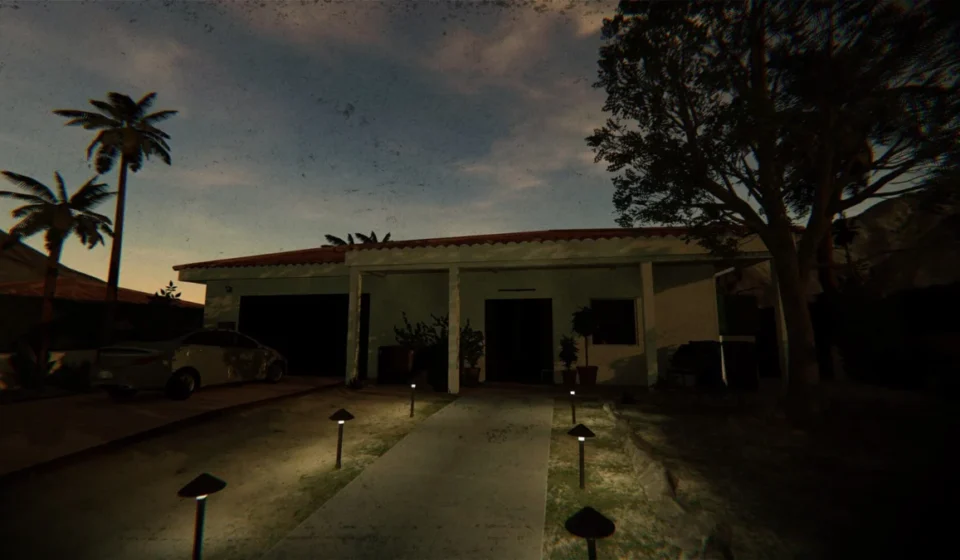
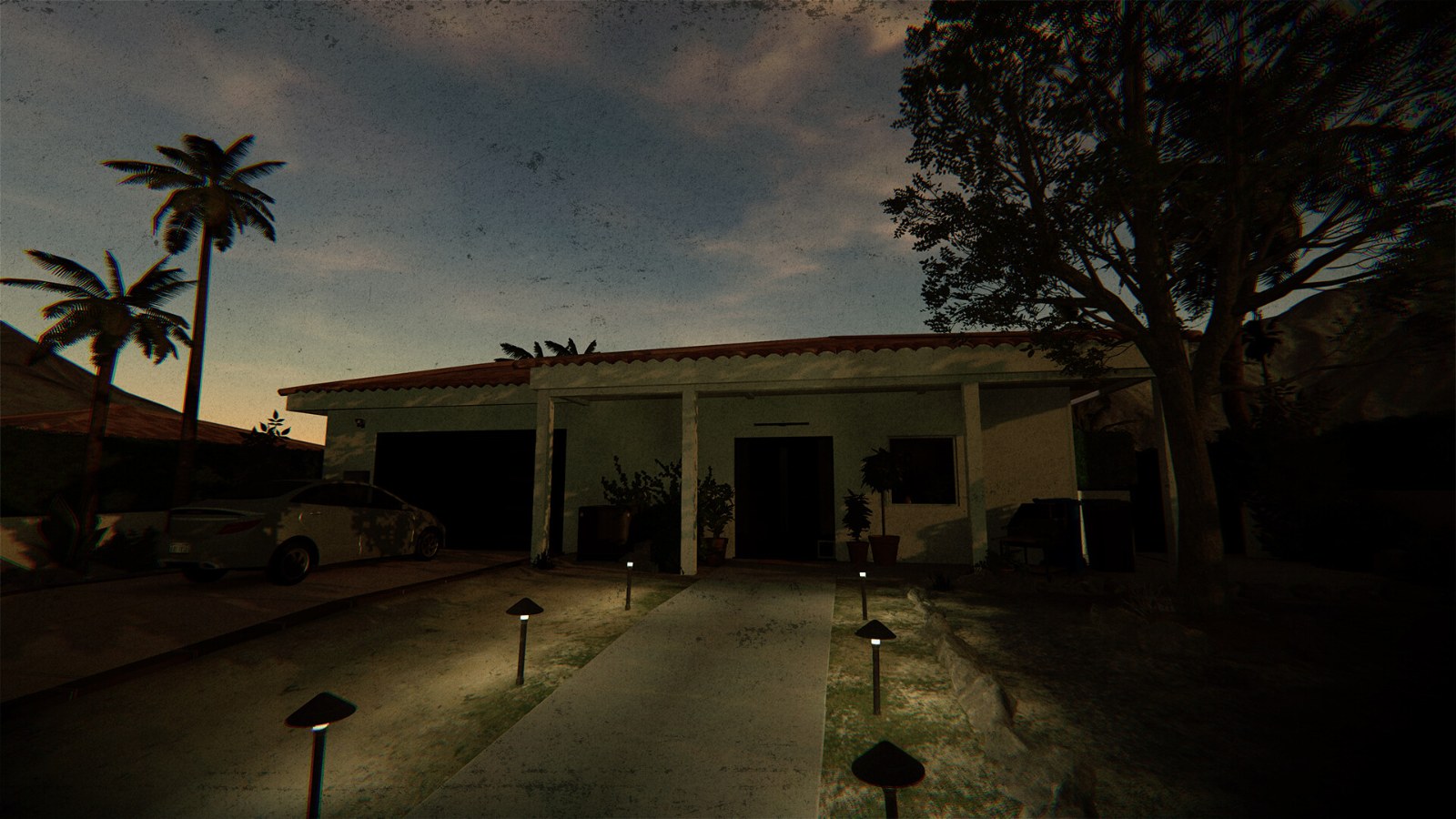
Complementing the engine upgrade, the Resonance update delivers a complete overhaul of Phasmophobia’s lighting system, dramatically reshaping the game’s visual landscape and, by extension, its core horror experience. The official description notes that "darker areas are lit through windows and doorways in all weather types," and "outdoor areas are brighter." This nuanced approach to illumination creates a more realistic and dynamic environment, where shadows are no longer static blocks but fluid elements influenced by external light sources.
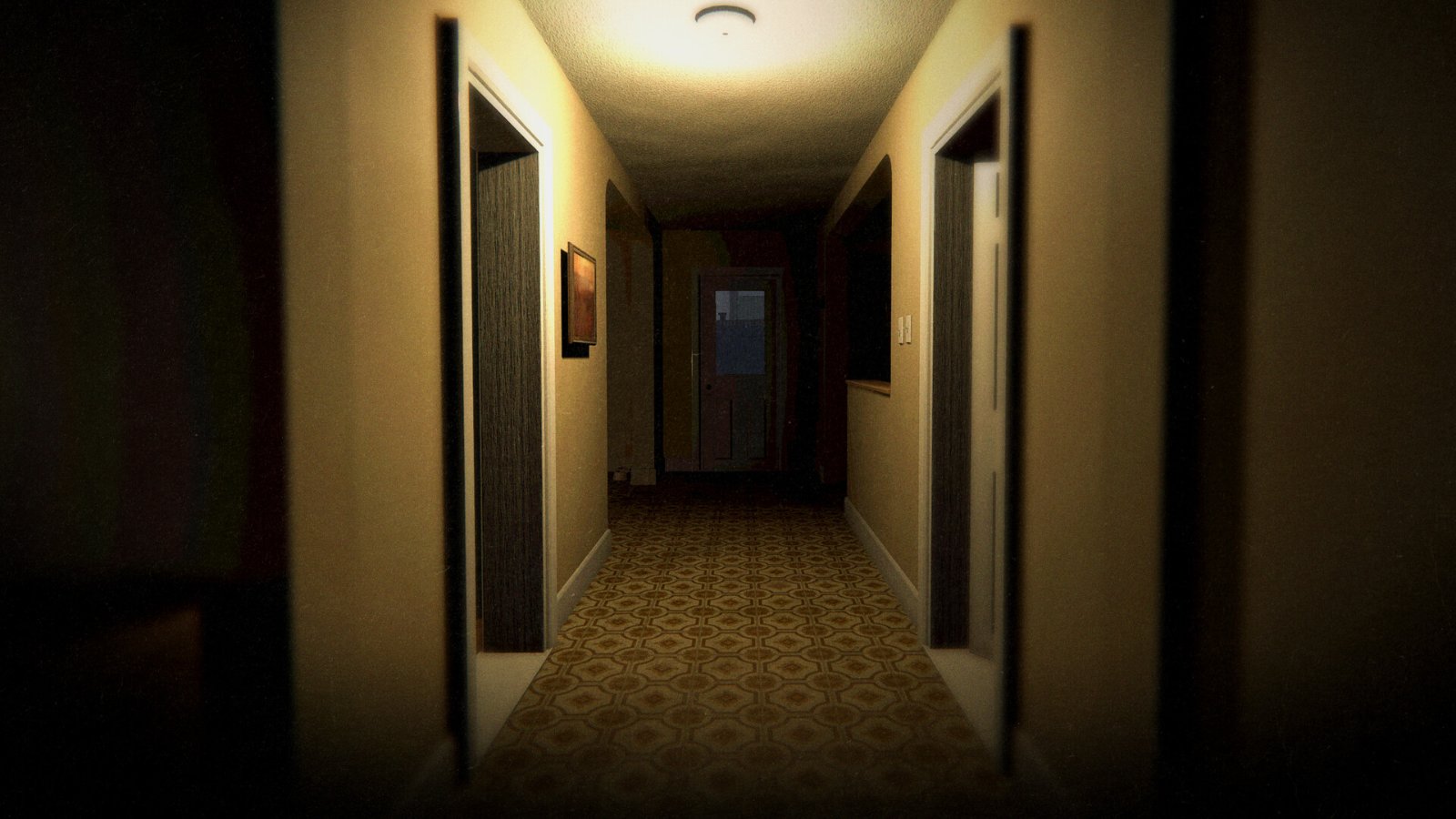
The impact on gameplay is profound. Previously, certain areas could feel artificially dark, relying heavily on player-held light sources. With the new system, even subtle shifts in ambient light from outside can reveal glimpses of previously obscured details, or, conversely, cast longer, more menacing shadows. This not only enhances visual fidelity but also intensifies the psychological horror; a flickering distant light or a sudden darkening as the weather shifts can now be far more unnerving. The meticulous attention to detail extends to "props and doors blending with the scene," ensuring that environmental elements integrate seamlessly with the new lighting, preventing disjointed visuals. This redesigned lighting system transforms Phasmophobia’s familiar locations, making exploration feel fresh and adding new layers of dread as players navigate dimly lit corridors, their flashlights cutting through genuinely oppressive darkness, occasionally pierced by natural light from outside. The overall effect is a more cohesive, believable, and ultimately terrifying world.
New Tools for the Paranormal Investigator: Dowsing Rods and Enhanced Sound Sensors
The Resonance update introduces "Dowsing Rods" as a brand-new piece of equipment designed to assist players in a critical, often frustrating, task: locating the elusive Bone. The official notes indicate that Dowsing Rods "point to the Bone during any contract," with "higher tiers being more accurate, for example by floor." This addition directly addresses a common challenge, especially on larger maps where the Bone’s randomized spawn locations could lead to extensive, time-consuming searches, sometimes detracting from the core ghost-hunting experience.
Kinetic Games specifically designed Dowsing Rods with larger maps in mind, acknowledging the extended search times required in sprawling locations like the Prison or Asylum. While previous strategies involved systematic room-by-room searches, the Dowsing Rods streamline this process, allowing teams to more efficiently complete the optional objective and secure additional monetary rewards and experience. The tiered accuracy implies a progression system, where initial versions might only indicate the general vicinity, while advanced tiers could pinpoint the exact floor or even a specific room, adding depth to equipment choices.
Alongside this new tool, the "Sound Sensor" has received a significant upgrade. Now, an icon on the truck map graphically displays the type of sound detected, differentiating between "single and looping sounds" with distinct pings. This enhancement provides investigators in the safety of the truck with more precise information, allowing them to better interpret ghost activity without direct line of sight. For instance, a single loud bang might indicate a thrown object, while a looping sound could signal a specific ghost event or environmental interaction. This improved data visualization empowers truck-bound players to provide more actionable intelligence to their teammates inside the haunted location, fostering better teamwork and more informed strategic decisions.
Spectral Evolution: Reworked Ghost Behaviors
Beyond technical and equipment enhancements, the Resonance update redefines the behavior of three key ghost types: the Yurei, Poltergeist, and Goryo. These adjustments are critical for maintaining gameplay freshness and ensuring that players cannot rely solely on outdated strategies.
The Yurei, traditionally known for its sanity-draining abilities, now exhibits more dynamic interaction with doors. During hunts, a Yurei will "open and close doors," and crucially, it "moves them faster than other ghost types do." Furthermore, in normal play, its "door interactions are slightly faster." This change imbues the Yurei with a heightened sense of menace, creating unpredictable environmental shifts during high-stakes chases and making it a more immediate threat. Players will need to adapt their escape routes and hiding strategies, as a rapidly slamming door could cut off an escape or reveal a hiding spot.
The Poltergeist, infamous for its object-throwing prowess, receives a nuanced modification. It now "has a chance to throw or interact with objects, instead of only throwing." While it "still throws more often than other types," the added interaction possibility introduces an element of unpredictability. This could mean a Poltergeist might now subtly move an object rather than violently hurl it, making its presence harder to pinpoint initially, or creating more diverse environmental disruptions. This change challenges players to be more observant and less reliant on obvious object-throwing as the sole indicator of a Poltergeist’s activity.
Finally, the Goryo, known for its reluctance to change rooms, receives a specific behavioral safeguard. It "no longer changes rooms when the ‘I Wish For Sanity’ Monkey Paw wish is used." The Monkey Paw, a cursed object, can grant powerful but often detrimental wishes. The "I Wish For Sanity" wish, while restoring sanity, previously had a side effect that could cause a Goryo to break its characteristic room-bound behavior, undermining its core evidence-gathering strategy (DOTS projector effectiveness). This adjustment ensures the Goryo’s unique trait remains consistent even when cursed objects are in play, preserving its distinct identity and maintaining the integrity of evidence collection for this ghost type. These ghost reworks add significant depth to encounters, forcing veteran players to re-evaluate their approaches and offering fresh challenges.
Enhanced Interaction and Accessibility: Voice Recognition and Quality of Life
The Resonance update also brings meaningful improvements to player interaction and overall accessibility. Voice recognition, a cornerstone of Phasmophobia’s immersive gameplay, has been refined and expanded. New lines allow players to "ask the ghost for interactions or proof of presence," moving beyond simple name-calling or generic questions. To facilitate this, a "new Journal page" now lists these specific voice command options, providing a clear guide for players. This change streamlines communication with the supernatural entities, making interactions more reliable and intuitive, and reducing the guesswork involved in provoking a response. It replaces the old, often trial-and-error method of using specific words to try and raise activity, encouraging more deliberate and structured investigative dialogue.
Accessibility features have been significantly bolstered with the introduction of "Eight colour blind modes in Settings, Video." This inclusive addition ensures that a wider range of players can experience Phasmophobia without visual impediments, making the game more approachable and enjoyable for individuals with various forms of color vision deficiency. Such an emphasis on accessibility reflects a growing industry trend towards inclusive design, allowing more players to engage with the game without compromise.
Player Experience and Control: UI, Controls, and Platform Enhancements
Several quality-of-life adjustments have been implemented across user interfaces, controls, and platform integration. The "Cursor Color" setting has been aptly "Renamed Reticle Color," and crucially, "console players can now change it," providing greater customization options for controller users. Speaking of controllers, "D-pad arrows switch CCTV tabs in the truck," streamlining navigation for console players monitoring ghost activity from the safety of the van.
The "Contracts board" now clearly reads "Vote on Contracts," reflecting the newly introduced "Map voting" system. This innovative feature allows players to "pick any number of maps for your own random pool," complete with "buttons for small, medium and large maps and a randomizer." This gives players unprecedented control over their mission parameters, reducing the frustration of constantly landing on undesired maps and allowing for tailored gameplay sessions based on team preference or desired challenge level.
Further refinements include "Banned players" having their "Cross-play setting locked to Disabled," a measure likely implemented to prevent problematic players from circumventing bans through platform hopping. The "Truck map" now "shows the right map on a Restricted variant," correcting a minor but persistent visual bug. "Invites" have been improved, with a player invited to an ongoing contract now seeing a message that "it is ongoing instead of Game Full," providing clearer communication regarding lobby status.
For PC players, a new "Eye Adaptation (PC)" performance option has been introduced; the old "On" setting is now "Quality," while "VR and low-end hardware support Performance only." This offers more granular control over visual fidelity versus performance, especially crucial for VR users where consistent frame rates are vital for immersion and comfort. The update also extends its reach to other platforms with "Xbox Play Anywhere" support and "added languages on PS5 and Xbox Series X and S," broadening the game’s global appeal and accessibility.
Addressing Technical Glitches: The Post-Launch Hotfix
As is often the case with major engine upgrades and complex game updates, minor unforeseen issues can arise post-launch. Kinetic Games demonstrated swift responsiveness by deploying a Steam fix on November 26, just two days after the initial release. This crucial patch addressed a "black screen with Eye Adaptation on graphics cards without DirectX 11.1 support." This issue, while affecting a subset of PC players, was significant as it prevented them from launching the game successfully. The prompt resolution highlights Kinetic Games’ dedication to ensuring a smooth experience for their entire player base and underscores the challenges associated with optimizing a game across a diverse ecosystem of hardware specifications. The quick turnaround on this fix mitigated potential negative player sentiment and ensured that the technical advancements of Resonance were accessible to as many players as possible.
The Broader Impact and Future Outlook
The Resonance update is more than just a collection of new features; it represents a significant evolutionary step for Phasmophobia. The Unity 6 migration lays a robust foundation for future content, potentially enabling more complex environmental interactions, advanced AI behaviors, and even more visually stunning haunted locations. The revamped lighting system fundamentally alters the game’s atmosphere, deepening the sense of dread and requiring players to adapt their environmental awareness. New equipment like the Dowsing Rods and refined mechanics for existing tools such as the Sound Sensor enhance the investigative loop, making evidence gathering more dynamic and strategic.
The targeted ghost reworks ensure that encounters remain fresh and challenging, preventing players from becoming complacent with established tactics. Furthermore, the extensive quality-of-life improvements, accessibility options, and platform optimizations demonstrate Kinetic Games’ commitment to a broad and inclusive player base. While the article’s limits preclude in-depth testing of these changes, the comprehensive nature of the update suggests a thoughtful and player-centric approach to development. The rapid deployment of a post-launch fix further solidifies Kinetic Games’ reputation for active support and responsiveness. As Phasmophobia continues to evolve, Resonance 0.20.0.0 stands as a testament to the game’s enduring appeal and its developers’ ambition to deliver an ever more terrifying and engaging paranormal investigation experience.