Deadlock’s "Minor Update" Reshapes Early Game, Objective Play, and Team Dynamics

Valve’s November 26 "Minor Update" for Deadlock, despite its unassuming label on Steam, introduces a sweeping array of balance adjustments that fundamentally alter core gameplay mechanics, from hero survivability and economy to objective control and team cohesion. Key changes include an 8% reduction in base hero health, a significant increase in the first kill bonus from 125 to 175 souls, a complete overhaul of how comeback souls are distributed among teammates, and a substantial rebalancing of the Midboss encounter. These modifications, alongside a follow-up patch on November 27 addressing specific hero adjustments, indicate a clear strategic push by Valve to accelerate early-game engagements, reward aggressive play, and foster more equitable team resource distribution.
A Deeper Look into Valve’s "Minor" Design Philosophy
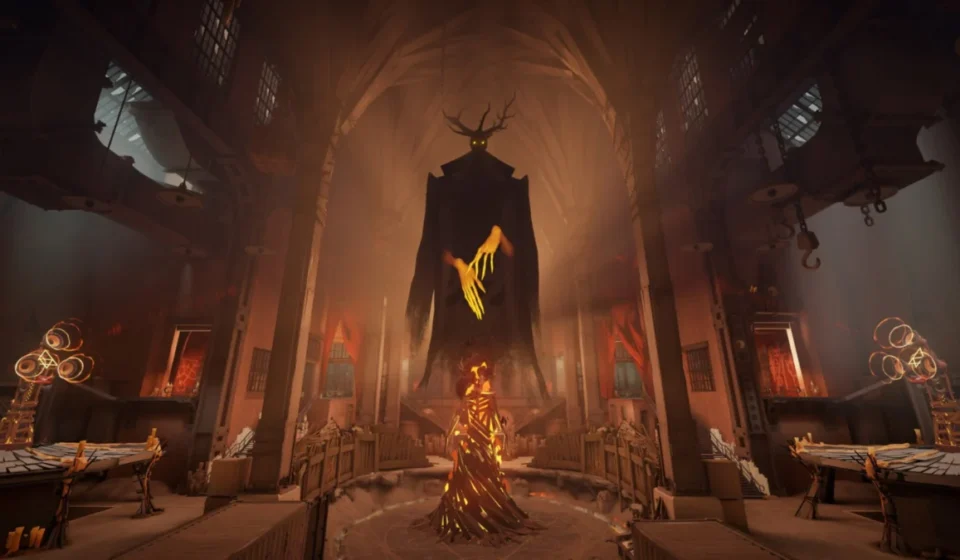
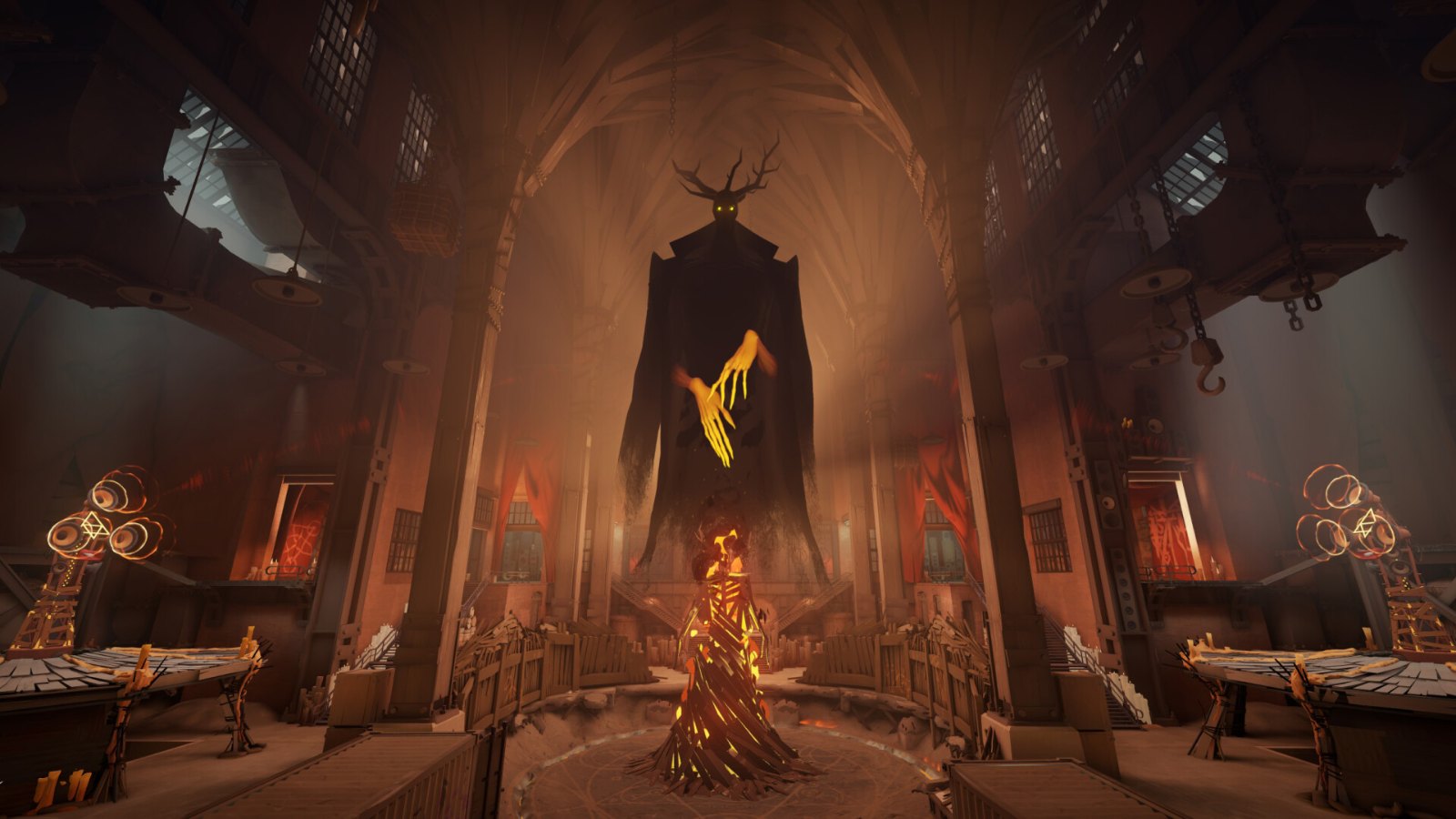
The nomenclature of "Minor Update" for such a comprehensive set of changes is characteristic of Valve’s approach to game development, often understating the impact of extensive reworks. Deadlock, a relatively new title from the acclaimed developer, is currently navigating its crucial early phases, where frequent and impactful balance adjustments are essential to sculpt its competitive landscape and player experience. The November 26 patch, themed around "Crowley’s Thanksgiving Day Parade" in New York, adds a unique flavor to these mechanical shifts, blending thematic elements with serious gameplay calibration. Information regarding this update was compiled from the economy, objective, movement, and item entries of the official Steam post, reviewed on November 28, 2026, supplemented by the subsequent November 27 mini-patch. Notably, specific hero-by-hero changes outside of Apollo and Baba were not detailed in the source material, indicating a focus on broader systemic shifts.
Hero Survivability and the Accelerated Early Game
One of the most immediately impactful changes is the 8% reduction in base hero health. While Valve states that this health is redistributed into "boons," meaning a hero at maximum boons will eventually reach roughly the same total health as before, the early game experience is distinctly squishier. This foundational change amplifies the significance of initial skirmishes and lane interactions, making heroes more vulnerable to burst damage and potentially shortening the time-to-kill in engagements. Complementing this, bullet damage growth per boon has been increased by 5% for the majority of the roster, excluding specific heroes like Haze, Holliday, Venator, Vindicta, Warden, and Wraith, whose unique scaling or existing power levels may have warranted their exclusion from this particular adjustment. The combined effect of lower base health and increased boon-scaling damage is a heightened emphasis on securing boons quickly and engaging decisively in early fights.
The reduction in hero base health also synergizes with other aggressive tuning adjustments. Floating health snacks now respawn every 120 seconds, down from 180, and their pickup range has been slightly increased from 3m to 3.5m. This means more frequent opportunities for sustain on the map, allowing players to recover from skirmishes more quickly and re-engage. Conversely, the pickup range for soul and healing orbs on the ground has been reduced by 7%, demanding more precise positioning and increasing the risk associated with collecting resources in contested areas. This subtle but impactful change raises the skill ceiling for resource management during active combat.
Rethinking the Economy: Souls, Crates, and Comeback Mechanics
The update introduces significant shifts in Deadlock’s soul economy, clearly signaling Valve’s intent to encourage early aggression and provide pathways for teams to recover from deficits. The first kill bonus, a crucial early-game incentive, has been substantially increased from 125 to 175 souls. This 40% boost makes securing the initial elimination a far more rewarding endeavor, amplifying snowball potential and encouraging proactive, aggressive plays from the outset.
Crate bounties have also undergone a re-evaluation. Basic crates now yield 18 + 2.0 souls per minute, down from 23 + 1.8, while heavy crates provide 36 + 4.0 souls per minute, reduced from 46 + 3.6. A detailed analysis of these formulas reveals a strategic recalibration: basic crates pay less than before until the 25-minute mark, and more after it. For instance, at minute 10, a basic crate provides 38 souls (new) versus 41 (old), while at minute 30, it yields 78 souls (new) against 77 (old). Heavy crates follow the same pattern, crossing over at the 25-minute mark, offering 76 souls (new) against 82 (old) at minute 10, and 156 souls (new) against 154 (old) at minute 30. While Valve’s official notes do not explicitly state the goal behind these changes, the pattern strongly suggests a design philosophy that aims for a leaner early-game farm from crates, compensating with a larger first-kill prize and tougher troopers. This collective adjustment points unequivocally toward an environment designed for earlier, more decisive fights rather than passive farming.
Furthermore, the damage dealt by troopers against heroes has been increased by 10%. This makes lane farming a riskier proposition, encouraging players to engage more with each other and less with neutral creeps, thereby reinforcing the overall push towards earlier confrontations and combat-centric gameplay.
Perhaps the most innovative economic adjustment comes in the form of comeback souls. The old system granted a flat 70% of comeback souls to any player above the enemy team’s average net worth. The new rule introduces a dynamic redistribution system: players above their own team’s average net worth will now have a portion of their comeback souls redirected to their two poorest teammates. This share scales progressively from 0% (at the team average) to 80% (when 20% above the team average). This nuanced change significantly impacts how resources flow within a team. A carry player who is only marginally ahead of their allies will retain most of their comeback bonus, whereas a dominant carry far exceeding their teammates’ net worth will funnel a substantial portion of their bonus to those struggling behind. This mechanic is a powerful anti-snowballing tool within a team, promoting internal equity and allowing struggling players to catch up, fostering more competitive matches and reducing scenarios where one player’s dominance completely invalidates their team’s chances.
Objective Control and Map Dynamics
The Midboss, a pivotal objective in Deadlock, has received a series of adjustments that make it both more accessible early on and more dangerous to engage. Its base health has been reduced from 15,600 + 234 per minute to 12,500 + 250 per minute. This means the Midboss is significantly squishier in the early game (e.g., 12,500 health at minute zero compared to the old 15,600), making it a more viable early objective. However, its damage has been increased by a substantial 30%, making it a much more formidable threat once engaged. Fire rate reductions are also now 50% less effective against the Midboss, countering specific hero strategies that might have trivialized the objective previously. The global roar threshold, which alerts other teams to the Midboss’s vulnerability, has been raised from 25% to 30% health, providing enemies with an earlier warning and more time to contest. These changes encourage earlier Midboss attempts but demand greater coordination and respect for its increased damage output, shifting the dynamic from a potential solo-objective to a more team-oriented undertaking.
Rejuvenator crystals, another crucial map objective, have also seen strategic enhancements. Claiming a Rejuvenator crystal now dispels non-ultimate debuffs on the claiming hero before the heal is applied. This is a significant quality-of-life improvement and a strategic buff, allowing players to cleanse critical debuffs (like silence or roots) before receiving the healing, enabling safer and more effective objective captures. Furthermore, the bounty for "punching" the crystal to secure it is now split evenly across the entire team, rather than going solely to the player who lands the final blow. This removes the competitive "last hit" element for the bounty, further promoting team cohesion and rewarding collective effort over individual opportunism.
Haunts, neutral map entities that provide resources, have also been rebalanced. Their bounty has been reduced by 5%, making them slightly less rewarding to clear. However, their ability damage has been increased by 30%, and their bullet and spirit resistance have risen by 5% and 10% respectively, making them considerably more dangerous and harder to eliminate. This elevates the risk-reward calculation for engaging Haunts. In a significant comeback mechanic for teams falling behind, the Haunted Souls secure rate when trailing has been boosted from "up to 50% faster" to "up to 75% faster," providing a stronger catch-up mechanism for teams that are behind in soul collection. Lastly, Sinner’s Sacrifice, an ability linked to a specific entity or hero, now deals damage per hit of 80 + 1% of the target’s max HP, up from a flat 80, giving it better scaling and relevance throughout a match.
Permanent Buffs, Movement, and Interface Enhancements
The update also includes adjustments to permanent buffs, which heroes accumulate over the course of a match. The tiers for Bullet Resist, Spirit Resist, Ability Range, and Move Speed have all been enhanced, offering more substantial late-game scaling. For instance, Bullet and Spirit Resist tiers now progress from 0.5/0.75/1% to 0.5/1/1.5%. Ability Range tiers are now 0.5/0.75/1%, up from 0.25/0.5/0.75%, and crucially, Valve addressed a bug where only the first tier of Ability Range correctly increased ability radius. Move Speed tiers have also been adjusted to 0.1/0.2/0.4m, an increase at the highest tier. These changes reward sustained play and provide more meaningful stat progression into the later stages of a game, potentially allowing heroes to become more resilient, agile, or effective with their abilities.
In a direct response to player feedback and potential exploits, Valve has implemented a new mechanic for failed air jumps. Consecutive failed air jumps now add increasing air drag to a hero’s next ground jump. This effectively counters "bunnyhop" macros and similar exploits designed to bypass intended movement limitations, promoting more skill-based movement and maintaining the integrity of Deadlock’s traversal mechanics.
Quality-of-life improvements to the user interface further enhance player experience. New readouts now display a hero’s remaining air jumps and air dashes directly beside the stamina meter. Players can also view their Zipline Boost cooldown while holding Alt, and a numeric countdown has been added under each team’s Rejuvenator icon. These additions provide crucial real-time information, allowing players to make more informed decisions regarding movement, ability usage, and objective timing.
Item Reworks and Strategic Implications
A significant portion of the update focuses on item rebalancing, with a clear trend towards nerfs for several popular or overperforming choices. Six of the eight item changes are nerfs:
- Express Shot: Secondary Fire Weapon Damage growth per boon reduced by approximately 10%.
- Sharpshooter: Falloff range reduced from +20% to +18%.
- Capacitor: Shock damage decreased from 43 to 37.
- Dispel Magic: Cooldown increased from 45 to 52 seconds.
- Spirit Burn: Debuff duration shortened from 8 to 7 seconds.
- Cheat Death: Cooldown extended from 90 to 105 seconds.
These nerfs collectively aim to reduce burst damage, rein in excessive range, and increase the windows of counter-play for critical utility items. The increased cooldowns on Dispel Magic and Cheat Death, in particular, mean these powerful defensive and utility tools will be available less frequently, demanding more judicious usage.
Conversely, two items received buffs:
- Healing Nova: Spirit scaling increased from 1.1 to 1.25, making it a more potent healing option for spirit-focused builds.
- Indomitable: Now explicitly blocks the pigeon transformation effect from Feed The Birds, providing a direct counter to this specific crowd control ability.
Finally, Capacitor, Slowing Hex, and Vortex Web have all gained improved tooltips that now list which specific movement abilities they disable for each enemy hero. This is a crucial informational enhancement, allowing players to better understand the strategic utility of these items and make more informed choices during hero selection and item progression.
The November 27 Mini-Patch: Targeted Hero Adjustments
A swift follow-up patch, labeled "Minor Update 11-27-2026" and posted on November 28, 2026, at 02:33 UTC, introduced targeted adjustments for two specific heroes: Apollo and Baba. These immediate changes demonstrate Valve’s agility in responding to initial post-patch balance observations.
Apollo:
- Riposte now procs on melee hits, significantly enhancing his defensive capabilities against close-range combatants.
- Riposte’s recharge time has been reduced from 22 to 20 seconds.
- The Tier 2 debuff duration for Riposte has been increased from +1 to +1.25 seconds.
These changes collectively buff Apollo’s counter-play potential and overall effectiveness in skirmishes, particularly against melee-focused compositions.
Baba:
- Base bullet resistance has been improved from -7% to -4%, making her slightly less vulnerable to bullet damage.
- Threadsap: Cooldown reduced from 28 to 26 seconds, and Spirit Damage per bullet significantly increased from 12 + 0.26 to 18 + 0.3. This is a substantial buff to Baba’s primary damage output, making her more threatening and allowing for more frequent ability usage.
- Granny Long Legs: Cooldown reduced from 32 to 30 seconds, Heavy Melee attack animation is 0.1 seconds faster, and its spirit scaling has been boosted from 0.6 to 0.9. These changes enhance Baba’s mobility, burst damage, and overall flow in combat.
- Feed The Birds: Tier 1 cast range increased from +4m to +5m, a minor but useful range extension for her ultimate.
The cumulative effect of these Baba adjustments is a clear and significant buff to her kit, likely addressing perceived underperformance or making her more competitive in the current meta.
Broader Implications for Deadlock’s Competitive Landscape
The November 26 and 27 updates, despite their "minor" label, represent a profound recalibration of Deadlock’s core gameplay loop. Valve’s inferred design philosophy appears to be centered on promoting aggressive early-game engagements, rewarding decisive plays, and fostering more dynamic team interactions. The lower base health, increased first-kill bonus, and tougher troopers all push players towards earlier fights. The revised comeback soul mechanics and shared objective bounties are designed to prevent single players from completely dictating a match and provide opportunities for teams to rally from deficits, potentially leading to more tightly contested and exciting games.
For ranked players, understanding these changes is paramount. The shift towards lower base health fundamentally alters how quickly early fights can snowball, making initial rotations and engagements even more critical. Players accustomed to a more passive early game will need to adapt to a faster pace and a greater emphasis on proactive skirmishing. These changes will undoubtedly lead to a significant meta shift, with certain heroes, items, and strategies becoming more or less viable. As Deadlock continues through its beta phase, such comprehensive updates are crucial for its long-term health and competitive viability, signaling Valve’s active commitment to refining the game’s balance and player experience. Players are strongly advised to review the Season 2 rules in conjunction with these patch notes to fully grasp the cascading effects on competitive play.
Source: Valve, Deadlock announcements on Steam, "Minor Update – 11-26-2026" (Nov. 26, 2026) and "Minor Update – 11-27-2026" (posted Nov. 28, 2026, 02:33 UTC).