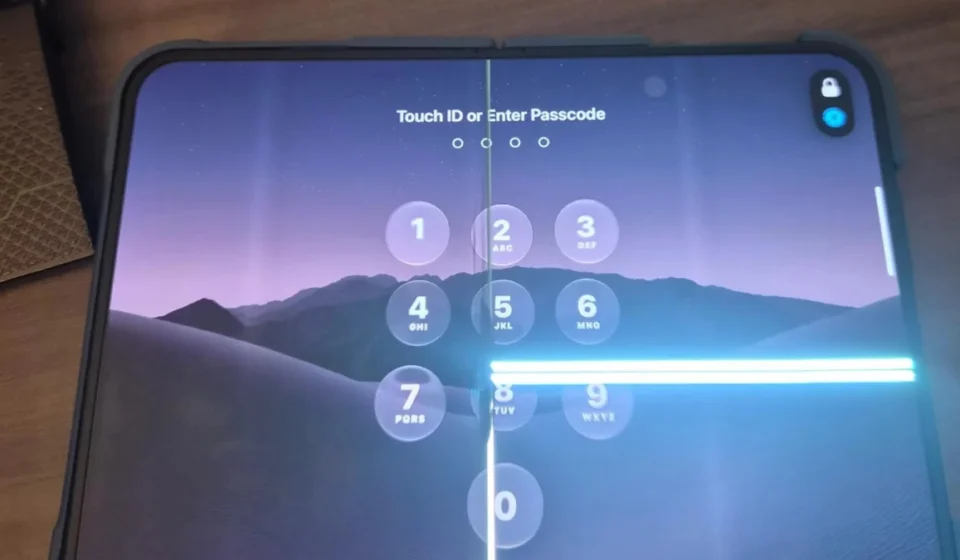

San Francisco, CA – November 28, 2026 – Apple is now prioritizing repairs for the inner display cracking issue affecting the iPhone Duo, a departure from its initial policy of providing full device replacements. This strategic shift, confirmed by recent customer reports and internal service advisories, indicates Apple’s increasing confidence in its ability to service the complex foldable hardware and manage the widespread nature of the problem. Previously, customers experiencing this defect were automatically issued a new iPhone Duo unit. However, the availability of dedicated iPhone Duo parts for Apple Stores and authorized service providers has enabled technicians to undertake component-level repairs, specifically targeting the compromised inner screen.
The change in service protocol was first observed by a number of iPhone Duo owners who shared their experiences on prominent online platforms, including the MacRumors Forums and Reddit. These anecdotal accounts detail a transition in the repair process, moving from a straightforward unit exchange to a more intricate repair procedure. This adjustment is a common practice for manufacturers as they scale up repair capabilities for new and complex devices. However, the iPhone Duo’s unique foldable design and the specific nature of the inner display issue have brought particular attention to Apple’s evolving service strategy.
Background: The Emergence of the iPhone Duo Cracking Issue
The iPhone Duo, Apple’s ambitious entry into the foldable smartphone market, launched with significant anticipation. However, shortly after its release, reports began to surface regarding a persistent issue where the inner display would develop cracks, often appearing without apparent user-induced damage. These cracks typically manifested as fine lines or streaks within the flexible OLED panel, compromising the viewing experience and, in some cases, the device’s overall functionality.
Initial responses from Apple suggested a willingness to replace affected devices to maintain customer satisfaction and address the emerging defect. This approach, while customer-centric, likely placed a considerable strain on Apple’s inventory and repair logistics, especially given the high demand for the innovative device. The cost of replacing entire foldable units, with their intricate hinge mechanisms and dual battery systems, is substantial. This likely prompted a strategic reassessment by Apple to optimize its repair operations.
A Timeline of Service Evolution
- October 2026: Initial reports of iPhone Duo inner display cracking begin to gain traction across online tech communities and social media. Apple’s initial response is understood to involve whole-unit replacements for affected devices.
- Late October 2026: Apple issues internal memos to its retail stores and authorized service partners, providing guidance on diagnosing and addressing the iPhone Duo’s inner display cracking issue. While the exact content of these memos has not been fully disclosed, they signaled an impending shift in service procedures.
- November 2026: Customers begin to report a noticeable change in the repair process. Instead of immediate device replacement, technicians are now instructed to attempt repairs. This shift coincides with the reported availability of specific iPhone Duo repair parts.
- November 28, 2026: MacRumors reports on this development, highlighting the change in Apple’s service approach and its implications for iPhone Duo owners.
The Mechanics of the New Repair Process
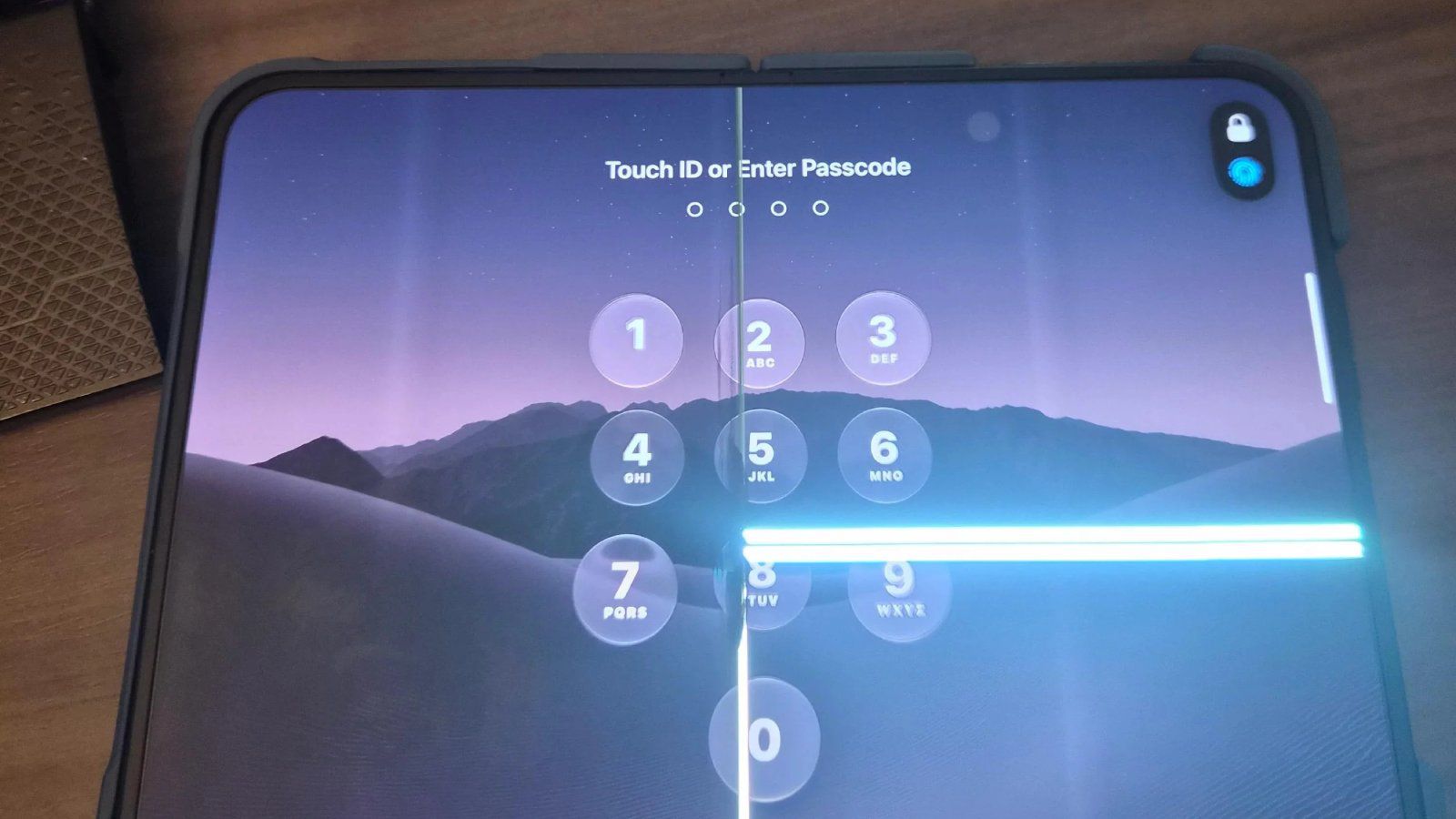
Under the revised protocol, Apple technicians are now equipped to perform component-level repairs on iPhone Duo devices exhibiting inner display cracks. This typically involves the replacement of the inner display itself. In many instances, the repair extends to the entire inner display assembly, which includes the delicate hinge mechanism that is crucial to the foldable functionality of the device. Furthermore, it has been observed that both batteries within the iPhone Duo are often replaced as part of this service. This comprehensive approach aims to ensure the longevity and reliability of the repaired device, addressing potential related issues that might arise from the stress on internal components due to the display defect.
The decision to replace both batteries simultaneously is a prudent one, given the integrated nature of the iPhone Duo’s power system and the potential for one battery to be affected by the same environmental or manufacturing factors that led to the display issue. This proactive measure can help prevent future service calls related to battery performance.
Customer Options and AppleCare+
For customers who are still within their AppleCare+ coverage period, the situation presents a nuanced choice. While the standard in-store repair process has shifted to component replacement, the Express Replacement Service remains an option. This service allows customers to receive a replacement device before returning their original unit. However, it’s important to note that utilizing the Express Replacement Service for a cracked display is typically treated as accidental damage. This means a service fee, set at $99 in the U.S., would likely apply, similar to how other accidental damages are handled under AppleCare+.
This distinction is significant. While Apple is moving towards repairability, the option for a swift, albeit fee-incurring, replacement remains available for those prioritizing speed and convenience. This tiered approach to service reflects the different needs and expectations of its customer base.
Analysis: Implications of the Repair-First Strategy
The transition from unit replacement to component repair for the iPhone Duo’s cracking issue carries several significant implications:
- Cost Efficiency: Repairing individual components is almost invariably more cost-effective for manufacturers than replacing entire units. This is particularly true for high-end, complex devices like the iPhone Duo. By implementing a repair-first strategy, Apple can significantly reduce its service costs, potentially impacting its profitability margins on the device or freeing up resources for future product development.
- Sustainability and Environmental Impact: Component-level repairs contribute to a more sustainable electronics ecosystem. Instead of discarding and manufacturing entirely new devices, repairing existing ones reduces electronic waste and the associated environmental footprint of manufacturing new components and devices. This aligns with growing consumer and regulatory pressure for greater corporate responsibility in environmental stewardship.
- Supply Chain Management: The ability to repair the iPhone Duo signifies a maturing supply chain for its specialized parts. Apple has evidently overcome initial hurdles in sourcing and distributing the necessary components, including the flexible displays and hinge assemblies. This indicates a more robust and stable support infrastructure for the device.
- Consumer Perception: While the initial replacement policy might have been perceived positively by consumers, a successful and efficient repair process can also build trust. If Apple can consistently repair the inner display issue effectively, it could mitigate negative perceptions surrounding the device’s durability and Apple’s ability to support its innovative but complex products. However, any perceived delays or incomplete repairs could exacerbate existing concerns.
- Future Product Development: The lessons learned from servicing the iPhone Duo’s display issues will undoubtedly inform future foldable device designs. Apple may incorporate design changes that enhance durability, simplify repairability, or reduce the likelihood of such defects occurring in subsequent generations of foldable iPhones.
The initial statement from Apple regarding the display issue, which suggested customers would receive a replacement, may have inadvertently set a higher expectation. The current shift to repairs, while a logical operational adjustment, underscores the importance of clear communication from Apple about evolving service policies, especially for groundbreaking devices that present unique challenges. As the iPhone Duo continues its lifecycle, its repairability will be a key factor in its long-term success and customer satisfaction. The move towards repair highlights Apple’s commitment to supporting its complex hardware, even as it navigates the complexities of a new product category.