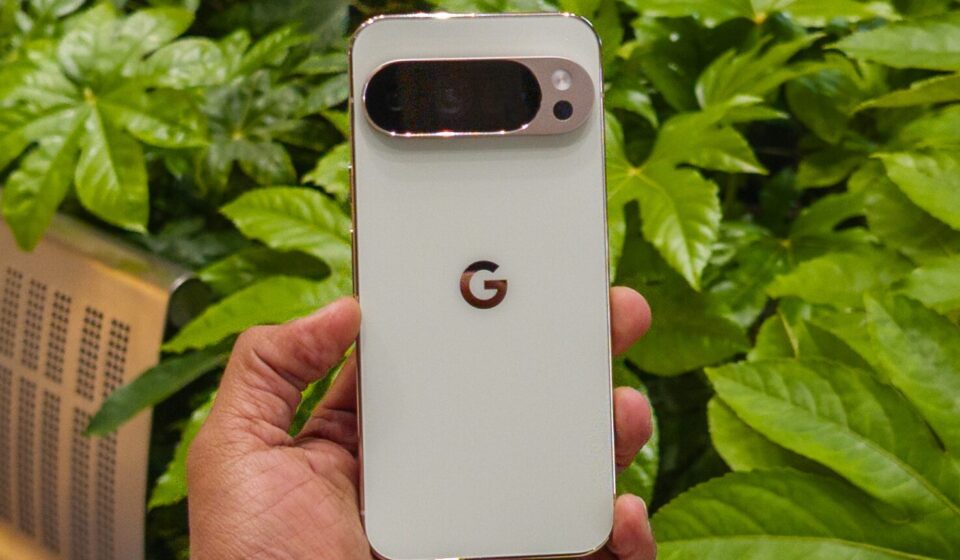
GrapheneOS steps out of Pixel exclusivity, bringing hardened Android security to new hardware.

The landscape of mobile privacy and security has been fundamentally reshaped with the announcement of a long-term partnership between Motorola and the GrapheneOS Foundation. This groundbreaking collaboration, unveiled at Mobile World Congress (MWC) 2026, marks a pivotal moment as Motorola becomes the first major non-Google manufacturer to officially embrace GrapheneOS, a highly regarded privacy-hardened mobile operating system. Historically, GrapheneOS has been exclusively available on Google Pixel devices, a limitation stemming from the OS developers’ stringent hardware and security requirements. This new alliance promises to democratize access to advanced mobile security, offering consumers a broader range of hardware choices for a more private smartphone experience.
The Rise of GrapheneOS: A Deep Dive into Enhanced Mobile Security
GrapheneOS, at its core, is a non-profit, open-source project dedicated to fortifying Android’s privacy and security posture. It distinguishes itself from the standard Android experience by meticulously stripping away Google Play Services by default, thereby eliminating inherent tracking mechanisms. This granular approach to user control allows individuals to tailor their device’s privacy settings precisely, determining the extent of data sharing and service integration. For users prioritizing an entirely Google-free environment, GrapheneOS offers this possibility without the need for any Google account sign-in.

However, this stringent privacy focus presents a practical challenge for many users: app compatibility. Recognizing this, GrapheneOS offers a sophisticated solution. Users can opt to install the Google Play Store within a sandboxed environment. This means that while Google services can be utilized, their access to the device’s core functionalities and data is significantly restricted and managed through explicit user permissions. This sandboxing approach provides a critical layer of control, preventing unfettered data collection and usage by Google, a stark contrast to the default Android experience. The development of GrapheneOS has been a continuous process of security enhancement, incorporating features like a hardened kernel, enhanced memory safety, robust exploit mitigations, and a meticulously curated application sandbox. These technical advancements contribute to GrapheneOS’s reputation as one of the most secure mobile operating systems available.
The Significance of the Motorola-GrapheneOS Partnership
Until this MWC 2026 announcement, the exclusive support for Google Pixel devices by GrapheneOS was a direct consequence of the operating system’s demanding technical prerequisites. The GrapheneOS team has consistently emphasized that only devices meeting their exceptionally high standards for hardware security features, such as a secure bootloader, hardware-backed attestation, and robust cryptographic capabilities, were deemed suitable. This exclusivity meant that individuals seeking the advanced security of GrapheneOS were largely confined to purchasing Pixel phones, which often come with a premium price tag.

The decision by Motorola to forge this partnership signifies a significant shift. It suggests that Motorola has made substantial advancements in engineering its devices to meet or exceed these rigorous security benchmarks. This opens the door for a more competitive market for privacy-focused smartphones, moving beyond the confines of a single manufacturer. Consumers will now have a tangible alternative to Pixel devices, potentially leading to increased innovation and more affordable options in the privacy-centric smartphone segment. This expansion is not merely about offering a choice; it’s about validating the viability of GrapheneOS on a wider array of hardware, thereby broadening its appeal and impact on digital privacy.
A Look Back: The Evolution of GrapheneOS and its Hardware Requirements
The GrapheneOS project began with a clear vision: to create a mobile operating system that prioritized user privacy and security above all else. From its inception, the developers recognized that software security alone was insufficient. The underlying hardware plays a critical role in the overall security of a device. Early on, the project identified specific hardware features that were essential for implementing its advanced security measures. These included:

- Secure Bootloader: The ability to verify the integrity of the operating system at boot time, preventing malicious software from loading.
- Hardware-Backed Attestation: A mechanism for the device to cryptographically prove its identity and security status to remote services.
- Verified Boot: A process that ensures the device boots only trusted software.
- Strong Cryptographic Hardware: Dedicated hardware for encryption and secure key storage.
Google Pixel devices, due to their deep integration with Google’s own security initiatives and their commitment to providing a secure hardware foundation, naturally became the primary focus for GrapheneOS. The tight control Google exerts over the Pixel hardware and software stack allowed GrapheneOS developers to implement their enhancements with a higher degree of confidence. Over the years, GrapheneOS has refined its compatibility requirements, often recommending specific Pixel models known for their robust security features and timely security updates. For instance, the Pixel 6 series and subsequent models, with their Tensor chipsets and enhanced security enclaves, were particularly well-suited for GrapheneOS. The decision to support other manufacturers, therefore, represents a significant technical hurdle cleared by those manufacturers, and a testament to the evolving standards in smartphone security.
What This Means for Motorola and the Mobile Industry
The implications of Motorola’s adoption of GrapheneOS are far-reaching. For Motorola, this partnership positions the company as a leader in mobile security, potentially attracting a segment of consumers who are increasingly concerned about their digital privacy. It provides a unique selling proposition in a crowded market, differentiating Motorola from competitors who may not offer such robust privacy-focused options. This move could also signal a broader trend within the industry, encouraging other manufacturers to invest more heavily in hardware security and to explore partnerships with privacy-oriented software developers.

From a consumer perspective, the benefits are substantial. The availability of GrapheneOS on non-Pixel hardware means more choice, potentially at different price points. This democratizes access to a high level of mobile security, making it attainable for a wider audience. It alleviates the concern of being locked into a single ecosystem for enhanced privacy. Furthermore, the collaboration could lead to the development of future Motorola devices engineered from the ground up with GrapheneOS compatibility in mind, further optimizing the user experience and security.
The Road Ahead: Availability and Future Prospects
While the announcement at MWC 2026 has generated considerable excitement, it is important to note that GrapheneOS is not yet available on Motorola phones. Neither Motorola nor the GrapheneOS Foundation has provided specific details regarding which Motorola devices will be supported or whether GrapheneOS will be pre-installed or offered as a manual installation option. The company has indicated that it will collaborate closely with the GrapheneOS Foundation to enhance smartphone security and to engineer future devices with native GrapheneOS compatibility.

This suggests that the rollout of GrapheneOS on Motorola hardware may be a phased approach, potentially starting with future-generation devices that are designed with this integration in mind. Users eager to experience GrapheneOS on a Motorola device will likely need to exercise patience as the companies work through the technical and logistical aspects of this significant partnership. The exact timeline and specific models remain subjects of future announcements, but the commitment to this collaboration signals a clear direction towards a more secure and privacy-conscious mobile future. The success of this venture could pave the way for other manufacturers to explore similar integrations, further diversifying the options for users seeking to take control of their digital privacy.