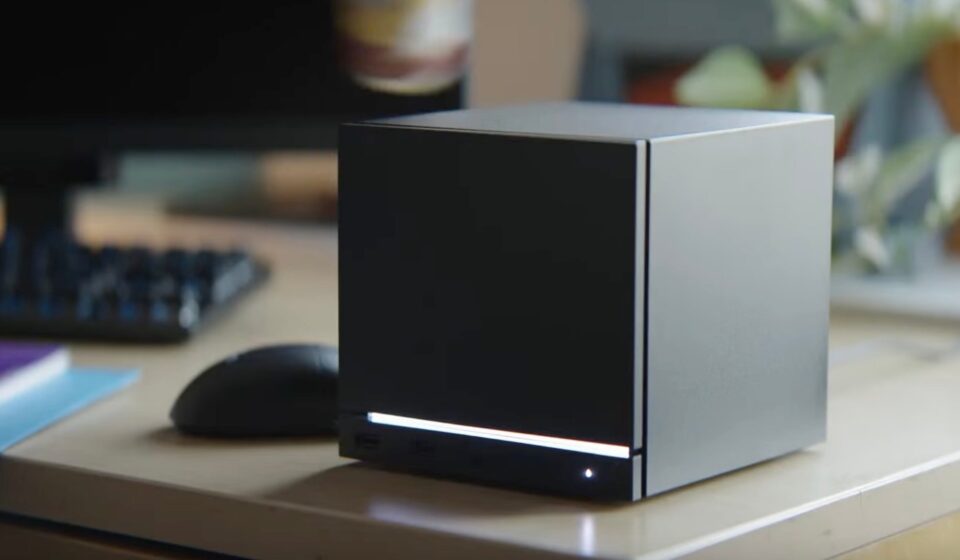
Valve’s Steam Machine Hardware Faces Uncertain Launch and Pricing Amidst Global Component Shortages

Global shortages of essential memory and storage components are forcing Valve, the prominent game development and digital distribution company, to re-evaluate the release timelines and pricing strategies for its upcoming suite of hardware, including the highly anticipated Steam Machine, the Steam Frame VR headset, and a new iteration of the Steam Controller. This recalibration of launch plans, communicated to the Steam community through a recent official update, underscores the persistent challenges within the global supply chain that continue to impact consumer electronics manufacturing.
The announcement, disseminated via a Steamworks community update, specifically cited "global shortages of memory and storage components" as the primary driver behind the revised launch considerations. This situation has created a ripple effect, necessitating a comprehensive review of both when these devices will become available to consumers and at what price point. Valve, known for its innovative approach to PC gaming hardware, finds itself navigating a market landscape increasingly defined by supply-side constraints, a trend that has been exacerbated by a confluence of factors ranging from increased demand to geopolitical disruptions.

A Deeper Look at the Component Crunch
The current scarcity of RAM and storage, particularly NAND flash memory and DRAM modules, is not an isolated incident but rather a symptom of a broader industry-wide challenge. This shortage has been fueled by several concurrent trends:
- Surging Demand from AI and Data Centers: The explosive growth of artificial intelligence development and the subsequent expansion of data center infrastructure have placed unprecedented demand on memory and storage components. These sectors often require high-capacity, high-performance solutions, diverting significant portions of the available supply.
- Increased Consumer Electronics Demand: The persistent popularity of smartphones, laptops, and gaming consoles, especially in the post-pandemic era, continues to exert pressure on component manufacturers.
- Supply Chain Vulnerabilities: Geopolitical tensions, natural disasters, and ongoing logistical bottlenecks have intermittently disrupted manufacturing and transportation, further constricting the flow of vital components.
- Limited Manufacturing Capacity Expansion: While manufacturers are investing in new fabrication plants, the lead times for bringing new capacity online are substantial, meaning that immediate relief from the shortages is unlikely.
This confluence of factors has led to a significant escalation in the cost of these critical components. Industry analysis from firms like TrendForce has consistently highlighted year-over-year price increases for DRAM and NAND flash, directly impacting the bill of materials for any new hardware product. For Valve, which aims to offer competitive pricing for its gaming hardware, these rising costs present a substantial hurdle to finalizing its product strategy.

Revisiting the Hardware Ecosystem
The impact of these supply chain issues extends across Valve’s entire planned hardware lineup. The Steam Machine, envisioned as a living-room-centric gaming PC, the immersive Steam Frame VR headset, and the revamped Steam Controller are all subject to these revised timelines and potential pricing adjustments. When these devices were initially unveiled in late 2025, the company had intended to provide definitive release dates and pricing information by now. However, the dynamic nature of the component market has rendered such concrete commitments untenable at this juncture.
The delay is not merely a matter of a few weeks or months; it signifies a fundamental reconsideration of how and when Valve can bring its hardware vision to market. The company’s commitment to delivering a high-quality, integrated PC gaming experience in the living room hinges on its ability to secure the necessary components at a cost that aligns with consumer expectations.

Timeline of Events and Emerging Signs of Progress
While Valve has not formally announced a new launch year, speculation has ranged widely, with some industry observers suggesting potential delays extending into 2027. Valve’s official statement, however, indicates a more immediate, albeit tentative, outlook, stating that the company "hopes to ship in 2026" while acknowledging the prevailing uncertainty. This cautious optimism suggests that internal development and manufacturing planning are still in motion, despite the external challenges.
More tangible evidence of the hardware’s progression has emerged through recent database listings. Multiple users on the social media platform X (formerly Twitter) have observed the appearance of the Steam Machine, Steam Frame, and Steam Controller within Steam’s "Coming Soon" section. While these listings do not constitute a formal release announcement or guarantee a specific launch window, they strongly indicate that Valve is actively preparing its digital storefront and backend infrastructure for the eventual availability of these products. This suggests a continued, albeit potentially slower, path towards market readiness.

The Pricing Conundrum
Beyond the release date, the most significant unknown remains the final pricing of Valve’s hardware. The original plan was to unveil pricing concurrently with launch details. However, the escalating costs of memory and storage have necessitated a strategic re-evaluation. This is a critical juncture for Valve, as the Steam Machine has historically aimed to offer a compelling value proposition, bridging the gap between high-end PCs and traditional consoles.
The surge in memory prices, driven by the aforementioned AI and data center demand, has made hardware cost projections highly volatile. For a company like Valve, which relies on a robust ecosystem of third-party hardware partners for its Steam Machines, maintaining a consistent pricing strategy across various configurations becomes a complex logistical and financial challenge. The current market conditions suggest that the retail price of the new Steam Machine, Steam Frame VR, and Steam Controller could be significantly higher than initially anticipated, potentially impacting consumer adoption rates.

Analysis of Implications
The delay and pricing uncertainty surrounding Valve’s hardware have several potential implications for the gaming industry:
- Impact on Living Room PC Gaming: The Steam Machine concept represents a significant effort to democratize high-fidelity PC gaming in the living room. Any substantial delay or price increase could slow the momentum of this market segment and give competitors an opportunity to capture early adopters.
- Competitive Landscape: Competitors in the console space, such as Sony and Microsoft, may leverage this period of uncertainty to solidify their market positions. The current generation of consoles, while facing their own supply chain challenges, have established release windows and pricing.
- Valve’s Hardware Strategy: This situation could prompt Valve to reconsider its hardware development cycles and supply chain management strategies. A greater emphasis on securing long-term component contracts or exploring alternative component sourcing might become necessary for future hardware endeavors.
- Consumer Expectations: The extended waiting period and the potential for higher prices could temper consumer enthusiasm. Valve will need to effectively communicate the value proposition of its hardware once it is ready for release to regain and sustain consumer interest.
A Waiting Game for Living Room Dominance

In essence, Valve’s next wave of hardware finds itself in a precarious position: officially delayed, yet quietly progressing behind the scenes. The core challenges of securing essential components and establishing a viable pricing structure remain paramount. Until these critical questions are definitively answered, Valve’s ambitious endeavor to carve out a significant presence in the living-room gaming market remains in a state of anticipation. The success of the Steam Machine, Steam Frame VR, and Steam Controller will ultimately depend on Valve’s ability to navigate these complex market dynamics and deliver hardware that resonates with consumers despite the prevailing headwinds. The gaming community will be watching closely as Valve attempts to chart a course through these challenging times and bring its vision for the future of PC gaming to their homes.