Sana 2026 The Evolution and Regional Impact of the Largest Pop Culture Festival in Northeast Brazil

Sana 2026 The Evolution and Regional Impact of the Largest Pop Culture Festival in Northeast Brazil represents a pivotal moment in the decentralization of the Brazilian creative economy, reinforcing Fortaleza’s status as a major hub for the international geek and pop culture industries. Originally established in 2001 under the acronym SANA—standing for Super Amostra Nacional de Animes—the event has transcended its initial focus on Japanese animation to become a multidisciplinary phenomenon. It now serves as a significant tourist attraction, drawing attendees from across the country to the Ceará Event Center (Centro de Eventos do Ceará), one of the most modern and largest venues in Latin America. The festival, which operates on a biennial cycle with editions in January and July, has evolved into a complex ecosystem of entertainment, social responsibility, and regional artistic validation.

Historical Context and Institutional Evolution
The trajectory of Sana reflects the broader growth of pop culture in Brazil over the last two decades. In the early 2000s, anime and manga were niche interests primarily served by small fan gatherings in the South and Southeast regions. The founding of Sana in Fortaleza was a strategic move by local enthusiasts to provide a dedicated space for the burgeoning fan base in the Northeast. Over the past 25 years, the event has expanded its scope to include Western cinema, competitive gaming, K-pop, cosplay, and domestic literature.
This evolution is mirrored in the infrastructure requirements of the festival. Moving from smaller convention halls to the Ceará Event Center allowed the organization to scale its operations significantly. The venue offers over 76,000 square meters of usable space, enabling the event to accommodate tens of thousands of daily visitors while maintaining high standards of safety and accessibility. This growth has not only benefited fans but has also established a robust partnership with the State Government of Ceará, which recognizes the event as a driver for the local tourism sector.

Economic Accessibility and the Creative Economy
One of the primary pillars of Sana’s success is its commitment to economic accessibility. Unlike major pop culture conventions in São Paulo or Rio de Janeiro, which often feature prohibitive entry costs and high-priced amenities, Sana maintains a pricing structure designed to be inclusive of the local population. This strategy ensures that families, students, and diverse social groups can participate without significant financial strain.
In the 2026 edition, the festival continued to offer affordable food options and reasonably priced merchandise. Journalistic observation of the venue noted that essential food items and collectibles remained within a "popular" price range, a factor that contributes to the high volume of foot traffic and sustained consumer engagement.

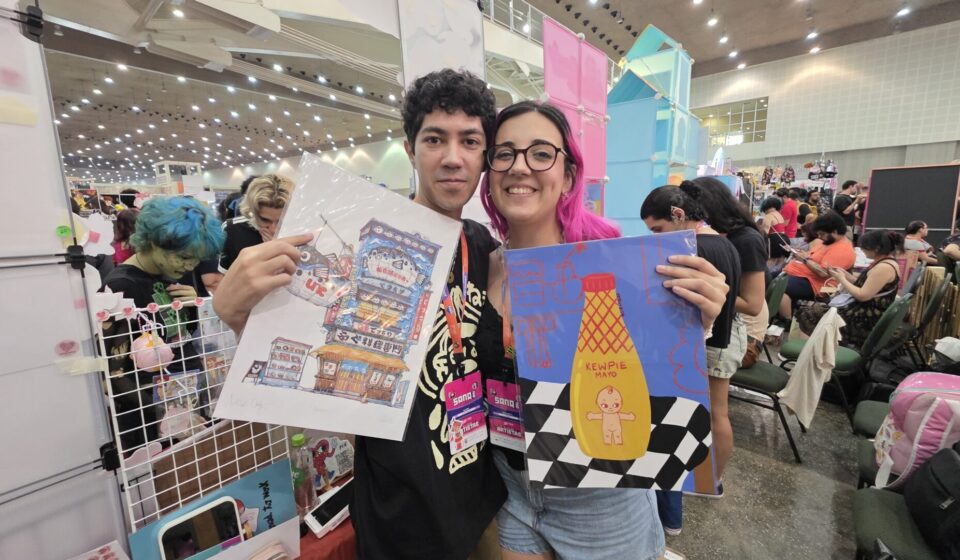
Furthermore, the "Vila dos Artistas" (Artists’ Alley) serves as a critical incubator for the regional creative economy. This sector provides a platform for hundreds of independent illustrators, writers, and craftspeople to sell their work directly to the public. By offering lower booth fees compared to national counterparts, Sana enables small-scale creators to achieve profitability, fostering a self-sustaining artistic community in the Northeast.
Infrastructure and Interactive Experience
The 2026 edition of Sana highlighted a shift toward active participation rather than passive consumption. The layout of the Ceará Event Center was utilized to distribute attractions in a manner that minimized the long wait times typical of large-scale conventions. Key interactive features included:

- Gaming Arenas: Multiple stations featuring current-generation consoles, PC gaming, and retro hardware.
- K-Pop and Just Dance Stages: Dedicated areas for dance competitions and performances that engage the youth demographic.
- The Zip-Line (Tirolesa): A signature attraction that spans the main hall, providing a panoramic view of the event and adding an element of adventure tourism to the convention floor.
- Cosplay Sector: A specialized infrastructure for "cosplayers," providing changing rooms and repair stations, acknowledging the high level of craftsmanship involved in character recreation.
Industry analysts suggest that this focus on "living the event" rather than merely "viewing the event" is what differentiates Sana from more commercially driven festivals. The organizational flow allows for a lighter, more agile visitor experience, which is frequently cited as a major draw for repeat attendees.
Celebrity Engagement and the Humanization of Guests
Sana has gained international recognition for its ability to attract high-profile guests while maintaining an atmosphere of proximity and interaction. A notable example from the 2026 January edition was the appearance of actor Jack Gleeson, widely known for his portrayal of King Joffrey Baratheon in the HBO series Game of Thrones.

Unlike many conventions where guests are sequestered behind VIP barriers, Gleeson was observed engaging directly with the public, navigating the event floor, and participating in accessible fan interactions. This "humanized" approach to celebrity management has become a hallmark of the festival, enhancing the value of the ticket for fans who seek genuine connection with international icons. This accessibility is a strategic choice by the organizers, aiming to create a welcoming environment that contrasts with the often-rigid structures of global comic-cons.
Regional Identity and the "Nordestination" of Pop Culture
A unique aspect of Sana is its integration of local Ceará culture with global pop icons. The 2026 edition showcased a significant presence of "Nordestinado" art—a term used to describe the blending of Northeastern Brazilian traditions with geek themes. Notable examples include:

- Literature: Patrick Lima’s adaptation of international franchises like Harry Potter into the "Cordel" style, a traditional form of popular printed poetry in the Northeast.
- Visual Arts: Felipe Arrais’s reinterpretations of Pokémon within the context of local landscapes and fauna.
- Sculpture: The work of Walterlan Veríssimo, whose high-fidelity sculptures are supported by the event, demonstrating the technical prowess of local artisans.
This cultural synthesis serves a dual purpose: it validates local identity within a globalized medium and provides international visitors with a unique experience that cannot be replicated in other markets. It transforms Sana from a mere copy of a foreign model into an authentic Brazilian cultural product.
Social Responsibility: The Geek Patas Initiative
Sana has increasingly incorporated social causes into its programming, most notably through the "Geek Patas" project. In collaboration with various non-governmental organizations (NGOs), the festival hosts a large-scale animal adoption fair. This initiative addresses the chronic issue of abandoned animals in urban centers while leveraging the high attendance of the event to find homes for rescued pets.

The inclusion of animal welfare within a pop culture festival creates a unique intersection of empathy and entertainment. Families attending the event for games or movies are introduced to stories of animal rescue, fostering a sense of community responsibility. This initiative has been praised by social analysts as a model for how large-scale commercial events can provide tangible benefits to the host city beyond direct economic impact.
Tourism and Strategic Regional Development
The economic impact of Sana extends far beyond the walls of the Ceará Event Center. As a biennial event, it significantly boosts Fortaleza’s tourism infrastructure during the low and high seasons. The January edition aligns with the summer holiday period, encouraging visitors to extend their stay to visit local landmarks such as Praia do Futuro and the Porto das Dunas region in Aquiraz.

The synergy between the festival and the local hospitality industry is evident in the increased occupancy rates of hotels and the high demand for ride-sharing services and local commerce. For many attendees, Sana is part of a broader travel itinerary that combines "geek tourism" with the natural beauty of the Ceará coastline. This multi-day engagement ensures a steady flow of capital into the regional economy, supporting jobs in the service and transport sectors.
Future Implications and the July 2026 Edition
As the January edition of Sana 2026 concludes, the focus shifts to the upcoming July installment. The organization has confirmed that tickets are already on sale, maintaining the biennial momentum that has become a staple of the regional calendar. While specific guests for the July edition have yet to be announced, the precedent set by previous years suggests a continued expansion into new media and technology sectors.

The continued success of Sana serves as a case study in how regional festivals can achieve national prominence by prioritizing accessibility, local identity, and community engagement. By successfully competing with the larger markets of the Brazilian Southeast, Sana has proven that the Northeast is not only a consumer of pop culture but a major producer and curator of it. The implications for the future of the Brazilian creative industry are clear: decentralization is not just possible; it is already thriving.
In summary, Sana 2026 is more than a convention; it is a complex social and economic engine. It bridges the gap between global trends and local traditions, providing a space where diverse audiences can connect over shared passions. As the event looks toward its next iteration, it remains a benchmark for the professionalization of the geek industry in South America, proving that when an event is built on the foundations of hospitality and inclusion, its impact resonates far beyond the weekend it takes place.