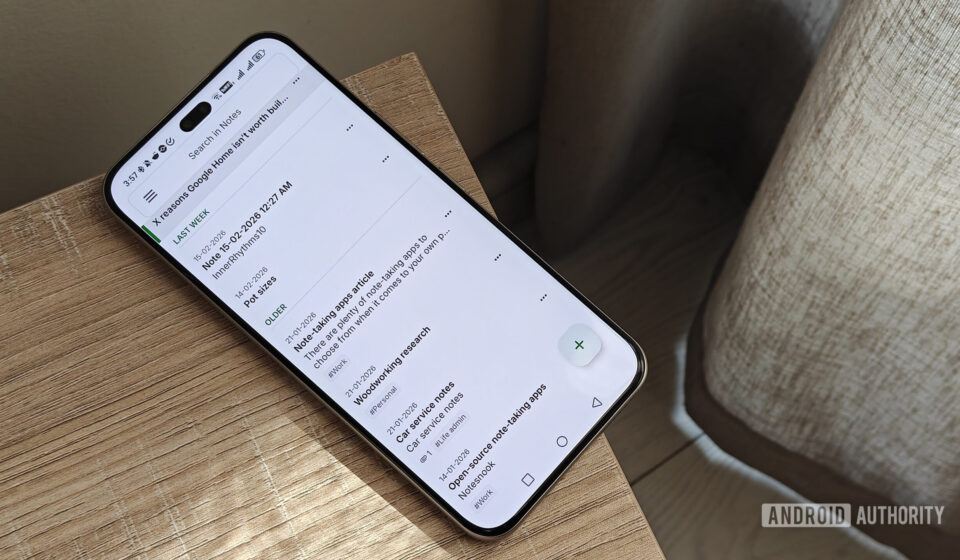
Notesnook Emerges as a Leading Contender in Secure Note-Taking, Balancing Robust Features with Uncompromising Privacy

In an increasingly digitized world where personal data often comes at the cost of convenience, the quest for productivity applications that genuinely prioritize user privacy while delivering a rich feature set has become a significant challenge for consumers. For over a year, many users, including this publication’s tech analysts, have navigated a complex landscape of apps, frequently encountering a stark trade-off: either feature-rich platforms that demand extensive personal data or privacy-focused tools that offer limited functionality or require advanced technical proficiency, such as self-hosting complex sync servers. This prevailing dilemma has created a substantial gap in the market, leaving a significant segment of users yearning for a balanced solution. However, a notable development has recently come to light with the increasing prominence of Notesnook, an application that appears to defy this conventional compromise. Its free plan, in particular, has garnered attention for its surprisingly comprehensive suite of features, including multi-device syncing, all while upholding a strong commitment to user privacy through robust encryption and an open-source framework.
The Evolving Landscape of Digital Productivity and Privacy Concerns
The digital era has ushered in an explosion of productivity tools, transforming how individuals manage tasks, capture ideas, and organize their lives. From simple text editors to complex project management suites, the market is saturated with options. Yet, beneath the veneer of seamless functionality and sleek interfaces, a growing undercurrent of concern regarding data privacy has been steadily building. Users are becoming increasingly aware of the "surveillance capitalism" model, where many free or low-cost services monetize user data through targeted advertising, analytics, or resale. This model, while enabling widespread access to technology, has eroded trust and fueled a demand for alternatives that explicitly protect user information.
This shift in user sentiment has been corroborated by various industry reports. A 2023 survey by the Pew Research Center, for instance, indicated that 81% of Americans feel they have "very little" or "no" control over the data collected by companies. This pervasive concern extends directly to productivity apps, where personal thoughts, sensitive information, and proprietary data are often stored. Consequently, end-to-end encryption (E2EE) has transitioned from a niche security feature to a highly sought-after standard, signifying a developer’s commitment to ensuring that only the user can access their data.
However, implementing E2EE, especially across multiple devices and platforms, adds significant complexity for developers. Maintaining server infrastructure, developing client-side encryption, and ensuring seamless user experience without compromising security often requires substantial resources, leading many to either offer E2EE as a premium feature or simplify their app’s functionality to keep costs down. This struggle has left a void for a truly accessible, feature-rich, and private note-taking solution.
Navigating the Note-Taking App Spectrum: A User’s Dilemma
Before Notesnook’s emergence, the market for note-taking applications presented users with a series of difficult choices, each involving significant trade-offs:
-
Mainstream Feature-Rich Platforms (e.g., Evernote, Notion, OneNote): These applications are celebrated for their extensive capabilities, ranging from advanced formatting and media embedding to complex organizational structures and collaborative features. Evernote, for example, has long been a titan in this space, offering web clipping, robust search, and diverse note types. Notion has gained immense popularity for its highly customizable workspace, enabling users to build databases, wikis, and project trackers. Microsoft OneNote integrates deeply with the Office ecosystem, providing a familiar interface for many. However, these platforms often come with significant caveats. Their business models frequently rely on either premium subscriptions that lock essential features (like multi-device syncing or higher storage limits) behind paywalls, or they operate with less transparent data privacy policies, often processing user data on their servers without E2EE. For users who value both advanced features and stringent privacy, these options fall short.
-
Privacy-First, Minimalist Applications (e.g., Standard Notes): On the other end of the spectrum are apps that place privacy at their core, often featuring E2EE as a fundamental principle. Standard Notes is a prime example, renowned for its commitment to security and user control. Its free tier offers E2EE and multi-device syncing, appealing directly to privacy advocates. However, the free version typically restricts users to plain text notes, limiting the ability to incorporate rich formatting, media, or complex organizational structures. While excellent for quick thoughts or highly sensitive text, it doesn’t cater to users needing more comprehensive note-taking capabilities like checklists, tables, or file attachments without upgrading to a paid subscription, which then unlocks "extensions" for these features.
-
Self-Hosted Solutions (e.g., Joplin with self-hosted sync, Nextcloud Notes): For the most privacy-conscious and technically adept users, self-hosting offers the ultimate control over data. Applications like Joplin, while offering client-side encryption, can be configured to sync with personal cloud services or self-hosted servers (e.g., Nextcloud, WebDAV). This approach ensures that data never touches a third-party server without the user’s explicit control. However, the barrier to entry is high. Self-hosting requires technical knowledge for setup, maintenance, and troubleshooting. Issues like server downtime, hardware failures, or network configurations can render notes inaccessible, presenting a significant inconvenience for the average user who simply wants their notes to "just work."
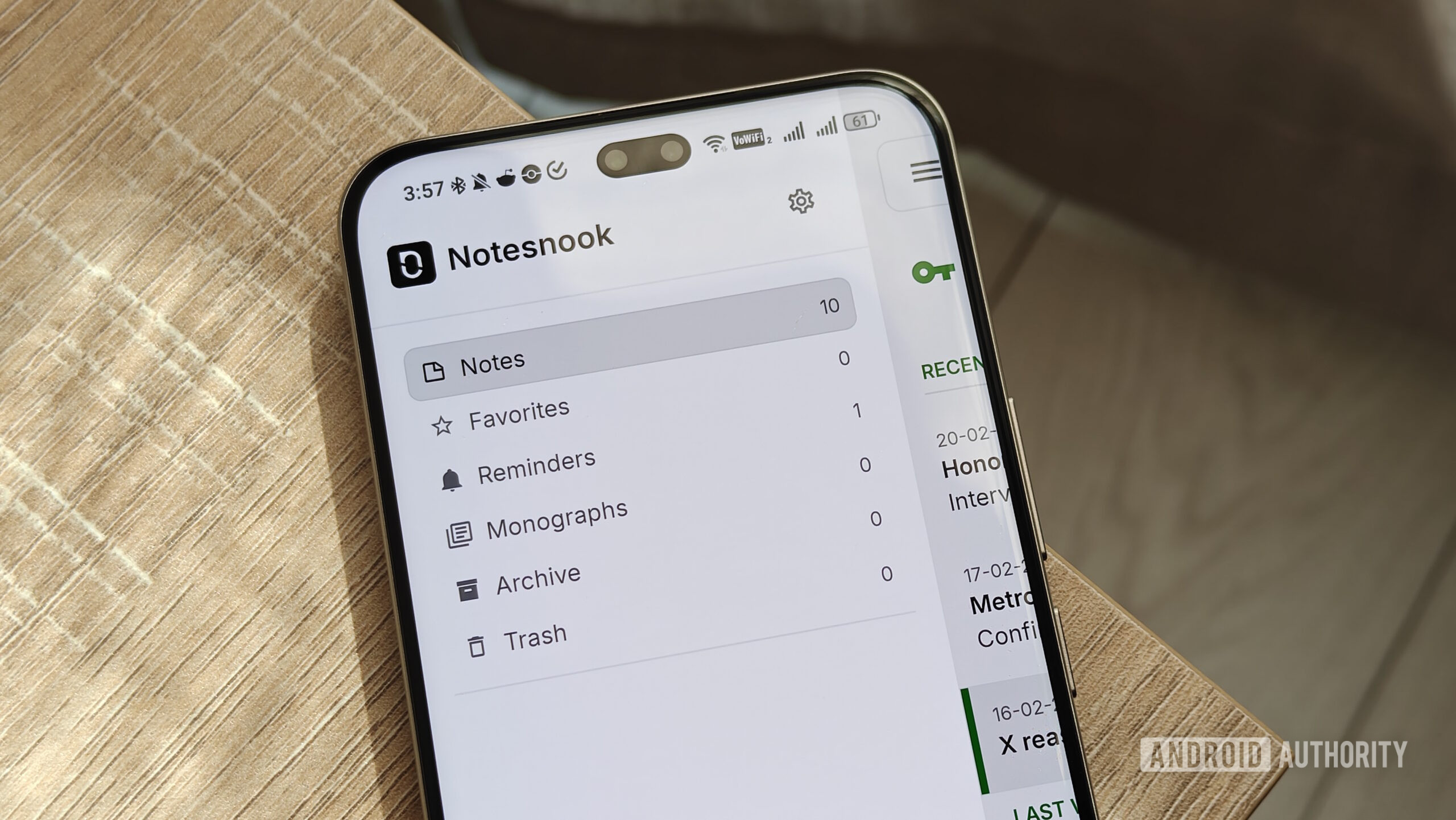
This fragmented landscape meant that users consistently faced a compromise. The search for an application that could seamlessly integrate robust features, uncompromising privacy, and user-friendly accessibility across a free tier seemed an almost unattainable ideal until Notesnook entered the spotlight.
Notesnook’s Strategic Equilibrium: Features Meet Fortified Privacy
Notesnook has emerged as a compelling solution by meticulously addressing the critical shortcomings of existing note-taking applications, specifically by offering a powerful blend of features and privacy within a highly accessible free plan. The application distinguishes itself through several key attributes that directly cater to the modern user’s demands:
-
End-to-End Encryption (E2EE) by Default: At the core of Notesnook’s privacy commitment is its implementation of E2EE. This crucial security measure ensures that all notes are encrypted on the user’s device before being transmitted to the sync server and remain encrypted while stored. Only the user, with their unique encryption key, can decrypt and access their notes. This architecture fundamentally prevents unauthorized access by Notesnook’s own developers, potential hackers, or government entities, establishing a high level of trust and data sovereignty for the user.
-
Effortless Multi-Device Syncing: A common pain point with many privacy-focused apps is the complexity of syncing notes across different devices. Notesnook tackles this head-on by offering straightforward multi-device syncing that doesn’t rely on third-party cloud services like Google Drive or Dropbox. Instead, notes are synced directly through Notesnook’s infrastructure, all while maintaining E2EE. This ease of setup and operation removes the technical hurdles associated with self-hosting, making secure synchronization accessible to a broader audience.
-
Open-Source and Cross-Platform Accessibility: Notesnook’s commitment to transparency is underscored by its open-source nature. The availability of its source code allows security researchers and the wider community to audit the application for vulnerabilities and verify its privacy claims, fostering greater trust. Furthermore, its broad platform support, encompassing Android, iOS, Windows, macOS, Linux, and web browsers, ensures that users are not locked into a specific ecosystem. This flexibility is crucial for users who operate across diverse computing environments and wish to retain full control over their data irrespective of their device choices. The ability to migrate notes easily between platforms is a significant advantage over proprietary solutions.
-
A Robust Rich-Text Editor for Comprehensive Note-Taking: Unlike many free privacy apps that limit users to plain text, Notesnook’s free plan includes a sophisticated rich-text editor. This empowers users to create highly organized and visually appealing notes with:
- Formatting Options: Headers, bold, italics, and other text styling to emphasize key information.
- Checklists: Indispensable for task management, shopping lists, and packing guides, allowing users to track progress efficiently.
- Bullet and Numbered Lists: For structuring information clearly and concisely.
- Tables: A particularly valuable feature for comparative analysis, data organization, or creating simple spreadsheets within notes. The article’s example of comparing Samsung Galaxy S26 series specs with older devices perfectly illustrates this utility.
-
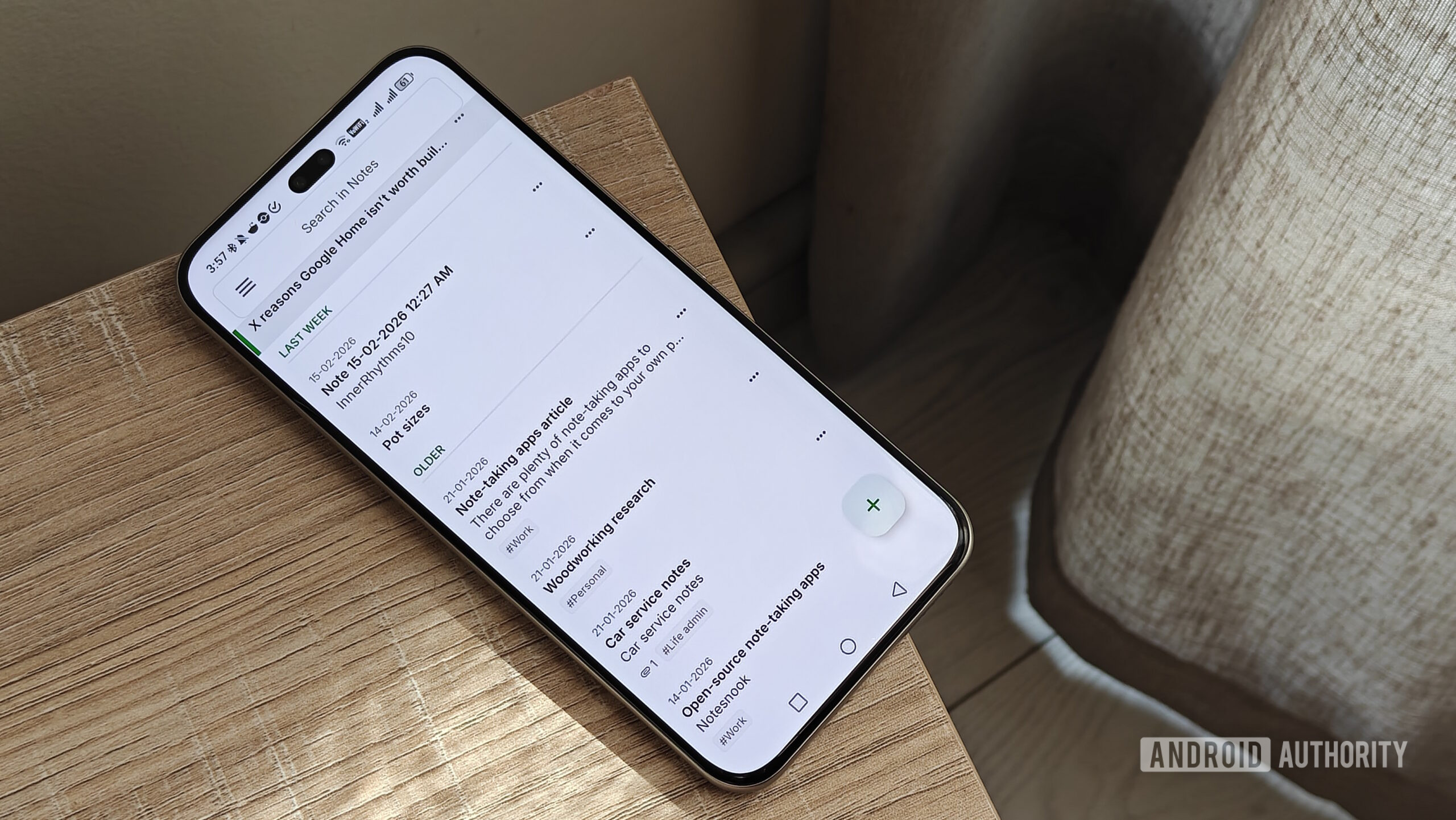
Effective Organizational Tools: To prevent information overload, Notesnook provides robust organizational features:
- Tags: Allowing users to categorize notes by topic, project, or context, enabling quick retrieval and cross-referencing.
- Notebooks: For grouping related notes into distinct sections, mimicking traditional physical notebooks but with digital advantages.
-
Beyond Basic Notes: File Attachments and Reminders: Adding further utility, Notesnook’s free tier supports file uploads (up to 10MB per file, 50MB monthly limit), enabling users to embed images, documents, or other relevant files directly into their notes. Additionally, the inclusion of reminders and shortcuts transforms Notesnook into a more versatile productivity hub, helping users stay on top of deadlines and access frequently used notes with ease.
The Generous Freemium Model: A Market Anomaly
One of the most striking aspects of Notesnook is its "permissive" free plan, a rarity in an industry increasingly moving towards more restrictive freemium models designed to aggressively push users towards paid subscriptions. While limitations exist within Notesnook’s free tier – such as image compression, a cap of seven colors for notes, 50 tags, 50 notebooks, and 10 active reminders/shortcuts – these constraints are remarkably generous for the average user. Many find these limits to be easily manageable or circumventable through smart usage, like deleting old reminders to free up slots. The 50MB monthly file upload limit, while not boundless, is sufficient for occasional image or document attachments without needing an immediate upgrade.
This approach contrasts sharply with competitors. Google Keep, while free, offers limited formatting. Standard Notes’ free tier, as mentioned, is primarily plain text. Evernote’s free plan significantly restricts multi-device syncing and storage. Notesnook’s strategy suggests a long-term vision focused on building a loyal user base through genuine value rather than coercive paywalls. This philosophy not only attracts users seeking a reliable free solution but also fosters trust, making them more likely to consider a paid upgrade if their needs evolve towards "power user" requirements.
Scaling Up: Paid Plans for the Power User
For users whose needs extend beyond the generous free offerings, Notesnook provides a clear and tiered upgrade path with its Essential, Pro, and Believer paid plans, ranging from approximately $1.99 to $8.99 per month. These plans unlock a host of advanced features and remove many of the free tier’s limitations:
- Increased Limits: Higher or unlimited quotas for colors, tags, notebooks, and file storage/upload limits.
- Enhanced Text Elements: Access to more specialized formatting like task lists (beyond simple checklists), outline lists, and more sophisticated customization options.
- Recurring Reminders: A crucial feature for managing repetitive tasks and appointments, moving beyond one-time reminders.
- Markdown Shortcuts: For users who prefer a text-based, keyboard-driven workflow for formatting.
- Uncompressed Images: Ensuring original quality for visual content.
These premium features are thoughtfully designed to cater to professionals, researchers, or individuals with highly complex organizational systems, offering a compelling reason to subscribe without penalizing casual users who benefit immensely from the free plan. This structured approach allows Notesnook to serve a broad spectrum of users effectively.
Chronology and Strategic Evolution: A Rare Trend
Notesnook’s journey, while not explicitly detailed in a public timeline, shows an intriguing and rare trajectory. Reports and older reviews suggest that the application has become more permissive over time, rather than less. This counter-intuitive development in the app market, where the trend is typically to introduce more restrictions to drive subscriptions, highlights a strategic decision by Notesnook’s developers. It suggests a commitment to user satisfaction and potentially a recognition that a truly valuable free tier can serve as the most effective marketing tool. By demonstrating tangible value upfront, Notesnook builds a reputation for reliability and user-centricity, differentiating itself in a crowded market. This evolution likely involved careful analysis of user feedback, competitive landscape, and a long-term business model focused on sustainable growth through user loyalty rather than aggressive monetization.
Broader Implications and Industry Impact
The emergence of Notesnook with its balanced approach carries significant implications for both users and the wider productivity app industry:
- Empowerment for Users: For the average user, Notesnook represents a significant empowerment. It democratizes access to secure, feature-rich note-taking without requiring technical expertise or financial commitment for basic functionality. This fosters greater digital sovereignty and peace of mind regarding personal data.
- Competitive Pressure: Notesnook’s success could exert pressure on established note-taking apps to re-evaluate their own freemium models and privacy commitments. Competitors might be compelled to enhance their free tiers, offer more transparent privacy policies, or even consider open-sourcing parts of their codebase to maintain relevance and trust. This could lead to a net positive outcome for consumers across the entire market.
- Validation of Open-Source in Mainstream Productivity: Notesnook’s open-source nature, combined with its mainstream appeal and robust features, further validates the viability and strength of open-source projects in critical productivity categories. It demonstrates that open-source solutions can not only compete with but also surpass proprietary offerings in terms of security, transparency, and user experience.
- A Shift in Freemium Strategy: Notesnook challenges the prevailing "race to the bottom" in freemium models, where free tiers become increasingly restrictive. By proving that a generous free offering can attract and retain users, and serve as a strong foundation for a paid subscription model, Notesnook might inspire other developers to adopt a more user-centric approach to their pricing and feature distribution. This could signify a healthier evolution of the freemium model towards genuine value proposition rather than aggressive upselling.
In conclusion, Notesnook stands as a remarkable example of innovation in the productivity software domain. By meticulously crafting an application that delivers on the dual promise of comprehensive features and uncompromising privacy, particularly within its free offering, it has successfully addressed a long-standing user dilemma. Its open-source foundation, cross-platform compatibility, and user-friendly design make it a formidable contender. As the digital landscape continues to evolve, Notesnook’s strategic approach could very well pave the way for a new standard in secure and accessible personal information management, challenging the status quo and fostering a more user-centric ecosystem for productivity tools.