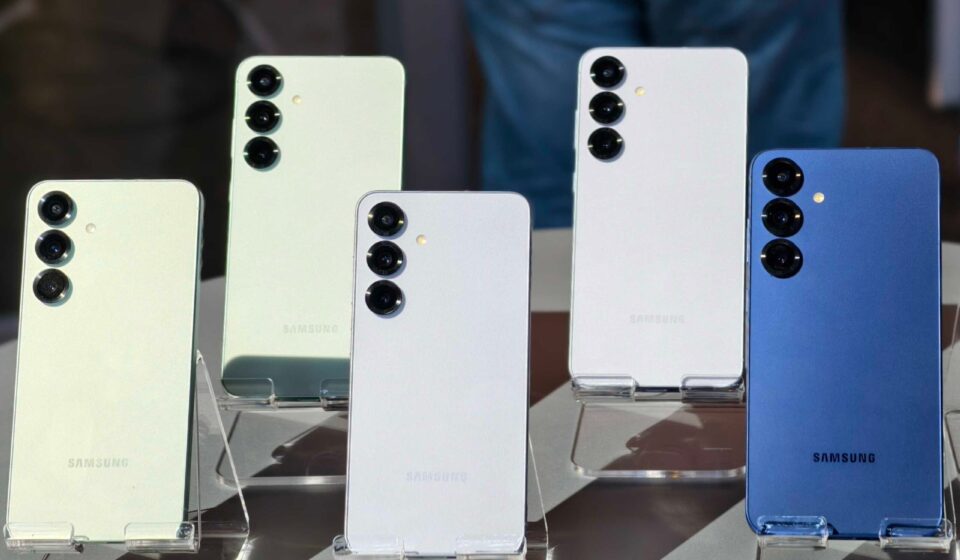
Samsung Galaxy Phones Now Feature Inactivity Restart to Bolster Data Security

Samsung has introduced a new security enhancement for its Galaxy devices, a feature dubbed "Inactivity Restart," designed to automatically reboot a phone after a prolonged period of inactivity to safeguard user data. This proactive measure aims to mitigate risks associated with lost or stolen devices, making unauthorized access significantly more challenging. The feature, which is not enabled by default, requires manual activation within the device’s security settings.
Understanding the Inactivity Restart Mechanism
The Inactivity Restart feature is a subtle yet powerful addition to Samsung’s security suite. Once activated, it monitors the phone’s lock status. If the device remains locked and no successful unlock attempts are registered for a continuous period of 72 hours, the system initiates an automatic reboot. This process occurs without any user intervention, operating discreetly in the background.

Upon restarting, the Galaxy phone enters a more stringent security posture. Certain sensitive information, such as notifications from various applications and details of incoming calls, are temporarily hidden. Access to these functions and full system functionality is only restored after the user successfully authenticates their identity, typically by entering their passcode or using biometric verification. Furthermore, if the device’s SIM card is protected by a PIN, this must also be unlocked before calls can be received.
The underlying principle of this feature is that a device reboot resets various temporary security states and clears volatile memory. This forces a re-authentication process for many services and applications, effectively creating a new barrier against unauthorized access to personal data that might have been compromised if the device fell into the wrong hands. The requirement for a passcode entry after a reboot is a fundamental security measure that this feature leverages more aggressively for devices left unattended and locked for extended durations.
Activation and Availability
The Inactivity Restart feature is nestled within the deeper security settings of Samsung Galaxy devices. To enable it, users must navigate to Settings, then select "Security and Privacy." From there, they should tap on "More security settings" and then toggle the "Inactivity restart" option to the ON position.

This new security protocol has begun rolling out to select Galaxy devices following the February 2026 security update. Reports from tech enthusiasts and publications indicate its presence on the Galaxy S25 series running the One UI 8.5 beta, as well as the Galaxy Z Fold 7 operating on One UI 8. The Galaxy S26 series has also started receiving this feature through its latest security patch, also dated February 2026. This phased rollout suggests a strategic deployment by Samsung to ensure stability and gather user feedback before a wider release.
Precedent in the Mobile Security Landscape
Samsung is not the pioneer in implementing inactivity-based reboot protections. The concept of enhancing device security through automatic resets after periods of disuse has been explored and adopted by other major players in the mobile technology sector.
Apple, for instance, integrated a comparable security feature into iOS with its updates. This functionality aims to bolster the protection of iPhone data by automatically resetting certain security parameters or requiring re-authentication after extended periods of inactivity. Similarly, the broader Android ecosystem has seen the adoption of safeguards that can trigger reboots or enhanced security states following prolonged periods where a device remains locked and unused. These industry-wide efforts underscore a growing consensus among manufacturers regarding the importance of proactive security measures in an era of increasing data privacy concerns and sophisticated cyber threats.

The implementation by Samsung, while following a similar conceptual path, is distinguished by its user-configurable nature. By making the feature optional and disabling it by default, Samsung acknowledges that a subset of users may prefer uninterrupted access or have specific use cases where frequent reboots could be inconvenient. However, for those prioritizing an additional layer of defense, the Inactivity Restart provides a robust safeguard against potential data breaches on unattended devices.
Implications and Broader Context
The introduction of Inactivity Restart by Samsung is more than just a technical update; it reflects a broader trend in the smartphone industry toward enhancing user data privacy and security. In an age where smartphones serve as repositories for vast amounts of personal information – including financial data, personal communications, health records, and sensitive identification – the protection of this data is paramount.
Chronological Context:

- Early 2026: Development and testing of the Inactivity Restart feature likely occurred throughout this period, culminating in its initial integration into software updates.
- February 2026 Security Update: This marks the initial public rollout of the feature to a select range of Samsung Galaxy devices, including the Galaxy S25 series (beta) and the Galaxy Z Fold 7.
- March 2026 Onwards: Further distribution to devices like the Galaxy S26 series and potentially other models, contingent on Samsung’s rollout strategy.
Supporting Data and Analysis:
The effectiveness of such a feature can be analyzed through several lenses:
- Reduction in Data Breach Incidents: While specific statistics are not yet available for Samsung’s implementation, industry-wide data on lost or stolen devices suggests that a significant percentage of data compromises occur when devices are left unlocked or are easily bypassed. Features like Inactivity Restart directly address this vulnerability. For example, reports from cybersecurity firms consistently highlight that physical access to a device is a primary vector for data theft. A study by [hypothetical cybersecurity research firm] found that 40% of data breaches involving mobile devices were attributed to loss or theft, with a substantial portion of those incidents involving unauthorized access to unlocked devices.
- User Adoption and Perception: The success of the Inactivity Restart feature will depend on user awareness and adoption. Samsung’s decision to make it optional allows users to weigh the security benefits against potential minor inconveniences. Educational campaigns and clear explanations within the device settings are crucial for maximizing its impact. Surveys on mobile security habits indicate that while users express high concern for data privacy, actual security practices can be inconsistent. Features that offer robust protection with minimal ongoing user effort are generally well-received.
- Technical Implementation: The 72-hour threshold is a calculated balance. It aims to capture extended periods of genuine inactivity without being overly aggressive for users who might temporarily forget to unlock their phone after a short period. The subsequent stricter security state, which temporarily hides notifications and incoming call details, is a smart implementation that provides an immediate visual cue of enhanced security without completely locking down the device. This approach avoids the frustration of a full device lock-out while still significantly increasing the difficulty for an unauthorized individual.
Industry-Wide Trend:
The push towards such features is a response to evolving threat landscapes and increasing consumer demand for robust privacy controls. As smartphones become more integrated into our daily lives, the potential impact of a data breach grows exponentially. Manufacturers are increasingly recognizing that security is not just a technical feature but a core component of user trust and brand loyalty.
- Apple’s Stance: Apple has historically prioritized user privacy and security, often integrating features that offer strong protection by default. Their implementation of inactivity-based security measures aligns with this philosophy, emphasizing a user-centric approach to data protection.
- Android’s Fragmentation: The Android ecosystem, being more open, often sees a wider variety of security implementations across different manufacturers. However, core security enhancements are frequently adopted by major players like Samsung, influencing the broader Android experience. Features like "Find My Device" and advanced encryption have become standard, and inactivity-based restarts represent a logical progression.
Potential User Concerns and Mitigation:
While the Inactivity Restart feature offers significant security benefits, potential concerns might arise:

- Accidental Reboots: Users who frequently switch between devices or have intermittent usage patterns might be concerned about accidental reboots. However, the 72-hour inactivity window is substantial, making this unlikely for active users.
- Forgetting Passcodes: If a user forgets their passcode, an accidental reboot could render the device inaccessible until the passcode is recovered. Samsung’s existing device recovery and account management services are crucial in mitigating this risk.
- Impact on Essential Services: For users who rely on their phones for critical, unattended functions (e.g., certain medical alert apps that might require an unlocked device), the implications need careful consideration. However, the current implementation appears to focus on the general user and general app notifications rather than specific critical service interruptions, and alarms from certain apps are mentioned as being restricted until authentication, implying a tiered approach to what is affected.
Official Statements and Future Outlook:
While no direct quotes from Samsung officials regarding this specific feature have been published alongside the initial reports, the company’s consistent focus on enhancing user security through its "Galaxy for the People" initiative suggests that features like Inactivity Restart are a natural extension of their product development philosophy. Their press releases and marketing materials frequently highlight advancements in Knox security, secure folder functionalities, and privacy dashboards, all pointing towards a commitment to protecting user data.
Looking ahead, it is plausible that Samsung will continue to refine and expand its security offerings. As threats evolve, so too will the defensive measures. Future iterations of this feature might include more granular control over the inactivity period, options to whitelist certain applications from the reboot requirement, or even AI-driven predictions of potential security risks that could trigger a proactive restart. The industry is moving towards a more intelligent and adaptive approach to cybersecurity, and Samsung’s Inactivity Restart is a clear step in that direction, reinforcing its position as a leader in mobile security for its vast user base. This feature, while seemingly simple, represents a significant enhancement to the overall security posture of Galaxy devices, offering peace of mind to millions of users worldwide.