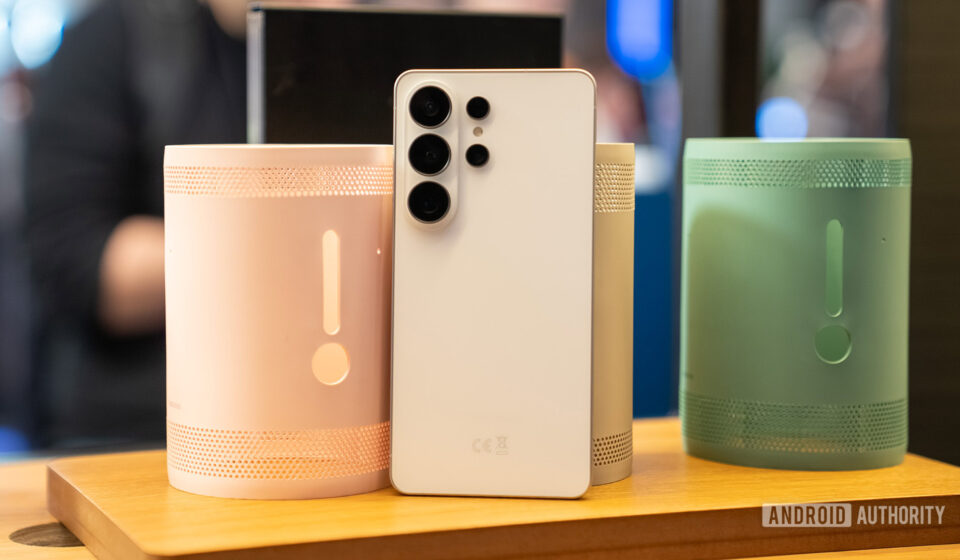
Samsung Galaxy S26 Ultra Demonstrates Robust Durability in Grueling JerryRigEverything Stress Test

Samsung’s latest flagship smartphone, the Galaxy S26 Ultra, has successfully navigated one of the internet’s most rigorous durability assessments, emerging from the infamous JerryRigEverything gauntlet with a remarkable display of resilience and minimal structural compromise. The comprehensive battery of scratch, burn, and bend tests, administered by popular YouTube personality Zack Nelson, revealed a device that not only upholds the high standards expected of a Galaxy Ultra model but also incorporates subtle yet significant engineering refinements addressing past durability concerns. This performance underscores Samsung’s ongoing commitment to robust construction in its premium device line, offering consumers enhanced peace of mind regarding their substantial investment.
The JerryRigEverything channel, fronted by Zack Nelson, has become a seminal benchmark in the smartphone industry for evaluating device longevity and build quality. Nelson’s methodical, no-holds-barred approach to testing, which involves subjecting new phones to extreme physical stresses, serves as a crucial, independent verification of manufacturers’ claims. His methodology typically includes a Mohs hardness scratch test on the display and frame, a direct flame exposure test for the screen, and a structural bend test designed to identify weak points in the chassis. While these tests are admittedly extreme and do not mirror typical daily use, they are invaluable for exposing design flaws, material weaknesses, and the overall engineering integrity of a device, providing insights that go beyond aesthetic appeal or processing power. The Galaxy S26 Ultra, positioned as Samsung’s pinnacle of mobile technology, faced this scrutiny with notable poise.
Display Resilience: A Deeper Look at Gorilla Armor 2
As is standard for most contemporary flagship smartphones, the Galaxy S26 Ultra’s display began to exhibit superficial scratches at level 6 on the Mohs hardness scale, with more pronounced grooves appearing at level 7. This result aligns perfectly with the expected performance of advanced aluminosilicate glass compositions, which are the industry standard for smartphone screens. The Mohs scale, a qualitative ordinal scale characterizing scratch resistance of various minerals through the ability of a harder material to scratch a softer material, typically sees common glass falling between levels 5 and 6, while sapphire, a significantly harder and more expensive material, registers at level 9. The fact that modern smartphone displays consistently achieve level 6/7 performance highlights the impressive advancements in glass technology over the past decade.
What proved particularly noteworthy during Nelson’s scratch test was an observed nuance in the display’s response. Despite the Galaxy S26 Ultra utilizing the same Corning Gorilla Armor 2 technology introduced in its predecessor, the lighter level-6 scratches were noticeably more challenging to discern. This subtle distinction hints at potential, incremental enhancements by Corning, either in the chemical composition of the glass itself, the application of its anti-reflective and oleophobic coatings, or minute alterations in the manufacturing process. Such improvements could translate to a screen that not only resists deeper gouges effectively but also maintains a clearer, less visibly marred surface under everyday conditions, where lighter abrasions from keys, coins, or sand particles are more common. This continuous refinement in protective glass technology is a testament to the ongoing innovation within the materials science sector, directly benefiting end-users with more durable and aesthetically pleasing devices.
Furthermore, a critical aspect of modern smartphone design, the under-display fingerprint scanner, demonstrated remarkable resilience. Even after the display suffered significant scratching, including deeper level-7 grooves directly over the sensor area, the biometric authentication system continued to function without impediment. In earlier iterations of under-display fingerprint technology, particularly optical sensors, severe display damage could frequently compromise the scanner’s ability to accurately read fingerprints, rendering a core security and convenience feature unusable. The S26 Ultra’s continued functionality in this scenario signifies a significant maturation in Samsung’s biometric hardware integration, suggesting improved algorithms, more robust sensor components, or better protective layering that allows the scanner to operate reliably even through compromised glass. This enhancement directly translates to improved user experience and device longevity, as a malfunctioning fingerprint scanner often necessitates costly screen replacement.
Heat Endurance: The AMOLED Screen’s Robust Recovery
The traditional flame test, where a direct lighter flame is applied to the screen for an extended period, saw the Galaxy S26 Ultra’s AMOLED display exhibit the expected reaction. After approximately 20 seconds of direct heat exposure, the pixels in the affected area briefly turned white, a common transient response for organic light-emitting diode (AMOLED) panels when subjected to extreme temperatures. Crucially, upon removal of the flame, the display rapidly and completely recovered, showing no lingering pixel damage, discoloration, or dead spots.
This outcome, while perhaps less dramatic than the scratch or bend tests, is significant. AMOLED technology, renowned for its vibrant colors, deep blacks, and energy efficiency, relies on organic compounds that are inherently sensitive to heat. Older display technologies, or poorly engineered AMOLED panels, might suffer permanent burn-in or pixel death under such conditions. The S26 Ultra’s ability to fully recover underscores the effectiveness of its display’s thermal management, the stability of its organic materials, and the robustness of its protective layers. It assures users that even accidental, brief exposure to high heat—though unlikely in typical use—would not result in lasting damage to the device’s most vital visual component.
A Strategic Material Shift: Aluminum’s Unexpected Strength
One of the most notable design shifts in the Galaxy S26 Ultra is Samsung’s decision to transition from the titanium frame featured in the Galaxy S25 Ultra back to an aluminum alloy for the new model. On the surface, this might appear to be a downgrade, given titanium’s perception as a premium, high-strength-to-weight ratio material. However, the subsequent bend test results emphatically demonstrated that this material change does not equate to a compromise in structural integrity.
The bend test, a cornerstone of Nelson’s evaluation, involves applying significant force to both the front and back of the device to assess its resistance to deformation and fracturing. The Galaxy S26 Ultra maintained its structural shape impeccably, exhibiting no cracks, major bending, or signs of material fatigue. The chassis remained solid and rigid, a testament to thoughtful engineering and the potential advantages of modern aluminum alloys.
This strategic pivot to aluminum is multifaceted. While titanium offers superior strength-to-weight ratios and excellent corrosion resistance, it is also significantly more expensive and challenging to machine. The widespread adoption of titanium frames in recent flagship phones by various manufacturers, including Apple and Xiaomi, has been partly driven by marketing appeal and a desire to convey premiumness. However, the implementation of a material is often more critical than the material itself. High-grade aluminum alloys, particularly those from the 7000 series (e.g., 7075 aluminum), are extensively used in aerospace and automotive industries due to their exceptional strength, rigidity, and relatively lower cost compared to titanium. When properly designed and reinforced, an aluminum frame can provide structural integrity comparable to, or even superior to, a poorly designed titanium frame.
Samsung’s decision likely stems from a combination of factors:
- Cost Efficiency: Aluminum is considerably cheaper to source and manufacture than titanium, potentially allowing Samsung to maintain competitive pricing or increase profit margins.
- Manufacturing Ease: Aluminum is easier to machine and finish, streamlining the production process.
- Environmental Considerations: Aluminum is one of the most recyclable materials, aligning with growing industry trends and consumer demand for more sustainable practices.
- Optimized Design: The S26 Ultra’s robust performance in the bend test suggests Samsung engineers have optimized the internal structure and frame geometry to leverage aluminum’s properties effectively, perhaps using thicker sections or internal bracing where necessary, to achieve excellent rigidity without the added cost of titanium. This demonstrates that material choice is only one component of overall structural integrity; design and engineering prowess are equally, if not more, important.
This successful bend test with an aluminum frame not only reassures consumers but also sends a clear message to the industry that perceived "downgrades" in material choice can, with clever engineering, result in equally or even more robust products, challenging the narrative that only the most exotic materials equate to ultimate durability.
Reimagining the Camera Module: A Focus on Repairability
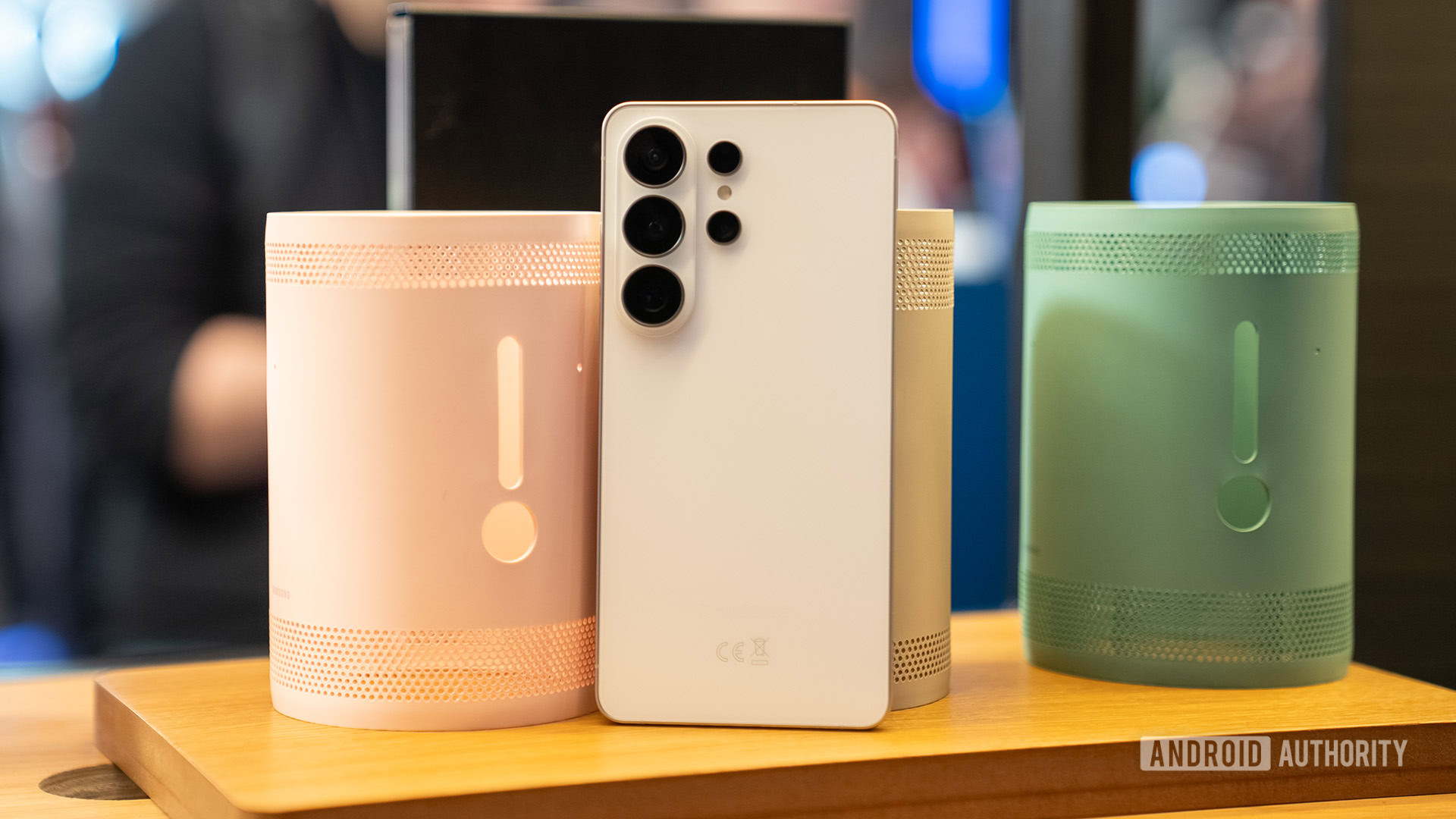
Perhaps the most significant and consumer-friendly improvement in the S26 Ultra’s design relates to its camera module. The Galaxy S25 Ultra had faced criticism, particularly within the enthusiast community and from repair specialists, due to an issue where its individual camera rings, which were primarily glued onto the device’s back panel, could detach under significant stress. This design flaw was not merely an aesthetic concern; detached rings could potentially expose sensitive camera lenses to dust and moisture, compromise water resistance, and complicate repairs.
Samsung has evidently addressed this specific vulnerability in the Galaxy S26 Ultra. Nelson’s teardown process revealed a redesigned camera housing where the protective glass covering the lenses and the surrounding rings are now more integrated. While still removable with force, they now come off as a single, cohesive unit. This seemingly minor change has profound implications for repairability and overall device longevity.
In the event of a cracked camera lens cover, a common point of failure for smartphones, this integrated design means that the entire unit—glass and rings—can be replaced more easily and cost-effectively. Previously, a cracked lens cover might have necessitated more complex and expensive repairs, potentially involving the meticulous re-gluing of individual rings or even a larger back panel replacement. The new design simplifies the repair process, reduces potential labor costs, and makes the device more serviceable. This move aligns with the broader "Right to Repair" movement, which advocates for easier and more affordable repairs for consumer electronics. By making a critical component like the camera module more modular and less prone to piecemeal damage, Samsung enhances the device’s long-term usability and reduces the barrier to maintaining it. This demonstrates a responsiveness to past feedback and a commitment to practical engineering solutions that benefit the end-user directly.
Broader Implications and Industry Context
The Galaxy S26 Ultra’s strong showing in the JerryRigEverything durability tests holds several broader implications for Samsung, the smartphone industry, and consumers.
Consumer Confidence: In an era where flagship smartphones routinely exceed the $1,000 mark, durability is no longer a luxury but a fundamental expectation. Consumers invest heavily in these devices, relying on them for communication, work, entertainment, and photography. The S26 Ultra’s proven resilience instills confidence that the device can withstand the rigors of daily life, reducing anxiety about accidental drops, scratches, or minor impacts. This directly translates to perceived value and reduces the total cost of ownership over the device’s lifespan by mitigating potential repair expenses.
Samsung’s Design Philosophy: The S26 Ultra’s performance suggests a maturing and more pragmatic approach to design at Samsung. While pursuing cutting-edge features and aesthetics, the company appears to be placing an increased emphasis on practical durability and repairability. The strategic switch to a robust aluminum frame and the thoughtful redesign of the camera module are clear indicators that Samsung is listening to feedback and iteratively improving its engineering. This positions the "Ultra" series not just as a showcase for advanced technology but also as a benchmark for robust, reliable construction.
Industry Trends and Competition: Durability has become a key battleground in the highly competitive smartphone market. Manufacturers are constantly seeking to differentiate their products through features like specialized protective glass (Gorilla Glass, Ceramic Shield), water and dust resistance (IP ratings), and robust frame materials. The S26 Ultra’s performance sets a high bar, encouraging other manufacturers to continue innovating in materials science and structural engineering. It also challenges the notion that premium materials like titanium are always superior, highlighting that intelligent design can elevate even more common materials to exceptional levels of performance.
Sustainability and Repairability: The improvements in the camera module’s repairability are particularly pertinent in the context of global sustainability initiatives. As electronic waste continues to be a pressing environmental concern, devices that are easier and more affordable to repair contribute to longer product lifecycles, reducing the frequency of device replacement and minimizing e-waste. This aligns with broader societal shifts towards more sustainable consumption patterns and regulatory pressures for greater product repairability.
In conclusion, Zack Nelson’s JerryRigEverything tests are designed to push smartphones to their absolute limits, far beyond typical usage scenarios. Yet, they serve as an invaluable diagnostic tool, revealing the underlying engineering integrity of a device. The Samsung Galaxy S26 Ultra’s triumphant performance in these extreme conditions is a resounding endorsement of its robust construction, advanced material science, and thoughtful design iterations. From its resilient Gorilla Armor 2 display and robust under-display fingerprint scanner to its surprisingly strong aluminum frame and ingeniously redesigned camera module, the S26 Ultra stands as a testament to Samsung’s evolving commitment to delivering not just a feature-rich flagship, but also a device built to endure. For consumers seeking a premium smartphone that marries cutting-edge technology with uncompromising durability, the Galaxy S26 Ultra presents a compelling and reassuring proposition.