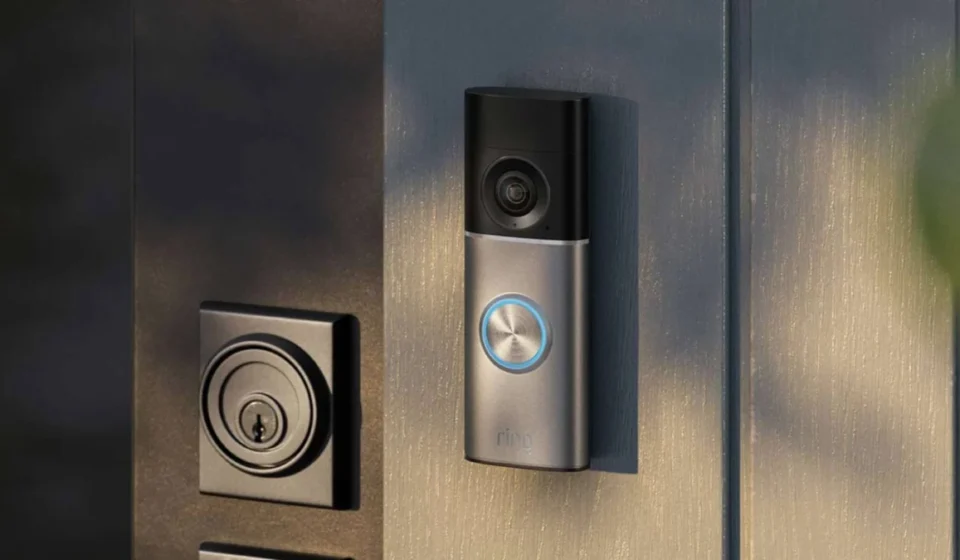
Strategic Price Drop Unlocks Premium Home Security with Ring Wired Doorbell Pro (3rd Gen)

Spring, a traditional period for home rejuvenation and improvement, is once again witnessing a strategic market move within the smart home sector. As homeowners embark on decluttering and upgrading, a significant opportunity has emerged for those eyeing advanced home security solutions. The latest iteration of Ring’s flagship wired video doorbell, the Ring Wired Doorbell Pro (3rd Gen), has received its inaugural price reduction, making its premium features more accessible to a broader consumer base. This timely discount, preceding Amazon’s anticipated Big Spring Sale, positions the device as a compelling upgrade for smart home enthusiasts and security-conscious individuals alike.
The Ring Wired Doorbell Pro (3rd Gen), which only launched late last year, is currently available at a notable discount. One specific color variant has seen its price slashed by $50, bringing it down to $199.99 from its original $249.99. Other color options are also participating in this promotional event, albeit with a slightly smaller reduction of $40 off the standard price. Regardless of the specific variant, these markdowns represent the lowest price point observed for Ring’s newest high-end wired video doorbell since its market introduction. This aggressive pricing strategy, particularly for a recently launched flagship product, signals a concerted effort by Ring, an Amazon subsidiary, to capture market share and stimulate consumer interest as the spring season commences.
The Ring Wired Doorbell Pro (3rd Gen): A Technical Deep Dive
The Ring Wired Doorbell Pro (3rd Gen) occupies the apex of Ring’s wired doorbell offerings, presenting a suite of advanced features designed to enhance home security and user convenience. Its technical specifications represent a significant leap forward from previous generations, addressing common pain points and introducing cutting-edge capabilities.
Revolutionizing Visuals: Retinal 4K and Enhanced Zoom
The most prominent upgrade in the 3rd Gen model is the introduction of "Retinal 4K video." This marketing term signifies a resolution that far surpasses the 1080p standard prevalent in many older Ring doorbells and competitive products. A 4K resolution (typically 3840 x 2160 pixels) offers four times the detail of 1080p (1920 x 1080 pixels). In practical terms, this translates to an exceptionally sharper, clearer, and more detailed video feed. For security applications, this higher resolution is critical: it allows for the precise identification of individuals, the clear reading of license plates from a distance, and the meticulous examination of package labels or other small details that might be obscured in lower-resolution footage. The clarity provided by 4K video significantly enhances the evidentiary value of recorded footage, which can be crucial in the event of an incident.
Complementing the high-resolution video is the "10x enhanced zoom" capability. This feature is not merely a digital crop but leverages the expansive 4K sensor to allow users to zoom in on specific areas of interest within the live or recorded feed without a drastic loss of image quality. The ability to magnify an image by a factor of ten provides unparalleled flexibility for surveillance. Homeowners can effectively scrutinize the face of an unfamiliar visitor, read the shipping label on a delivered package to verify its contents, or identify distinctive markings on a suspicious vehicle parked nearby. This granular level of detail is a significant asset for proactive security monitoring and post-incident analysis.
Optimal Field of View: The 1:1 Aspect Ratio Advantage
Another pivotal enhancement in the Ring Wired Doorbell Pro (3rd Gen) is its adoption of a 1:1 aspect ratio. Traditional video surveillance often utilizes wider aspect ratios like 16:9, which are ideal for cinematic viewing but can be less effective for vertical spaces such as a front porch. The 1:1 aspect ratio, by contrast, offers a perfectly square field of view, maximizing vertical coverage. This design choice provides a comprehensive "head-to-toe" view of visitors approaching the doorstep, ensuring that no part of their stature or appearance is missed.
Furthermore, this aspect ratio is particularly beneficial for monitoring deliveries. It allows the camera to capture packages left directly on the ground in front of the door, an area often missed by cameras with a narrower vertical field of view. This feature addresses a common concern among homeowners regarding "porch piracy" and offers greater peace of mind regarding parcel security. The optimized field of view ensures that the entire immediate vicinity of the doorway is under surveillance, providing a complete visual record of interactions and events.
Intelligent Detection: 3D Motion and Low-Light Capabilities
The 3rd Gen doorbell integrates sophisticated "3D motion detection," a significant advancement over conventional passive infrared (PIR) or pixel-based motion sensors. This technology typically employs radar to detect objects and their precise distance from the doorbell, creating a three-dimensional map of movement within a customizable zone. Unlike simpler motion detection systems that can be triggered by shadows, passing cars on a distant street, or environmental factors like swaying branches, 3D motion detection is designed to be more intelligent and precise. It can differentiate between objects, reducing false alerts and ensuring that notifications are only generated for relevant activity directly at the doorstep. This leads to a more reliable and less intrusive security experience for the user.
For nighttime surveillance, the device features "Low-Light Sight," enabling color video recording even in dim or dark conditions. Traditional security cameras often switch to black-and-white infrared (IR) night vision when ambient light is insufficient. While effective for basic visibility, IR footage lacks color information, which can be crucial for identifying clothing, vehicle colors, or other distinguishing features. Low-Light Sight technology typically utilizes advanced image sensors with larger apertures, superior light-gathering capabilities, and sophisticated computational imaging algorithms to render full-color video in low-light environments. This ensures that the doorbell provides a detailed and informative visual record around the clock, significantly enhancing nighttime security.
Seamless Integration: Ring App and Alexa Ecosystem
As with all Ring cameras and devices, the Wired Doorbell Pro (3rd Gen) offers seamless integration with the intuitive Ring app. Through the app, users can access a live feed of their doorstep from anywhere in the world, engage in two-way audio communication with visitors, and customize various settings, including motion zones, notification preferences, and privacy settings. The app serves as the central control hub for the entire Ring ecosystem, providing a unified interface for managing multiple devices.
Moreover, the doorbell boasts robust Alexa integration, leveraging its parent company’s ecosystem. This allows the doorbell’s live feed to be displayed on compatible Amazon Echo Show devices, Fire TV devices, and even certain Fire tablets. Users can receive announcements when someone is at the door, engage in voice-activated two-way talk, or simply say "Alexa, show me the front door" to pull up the live video stream. This deep integration enhances the convenience of monitoring and interacting with visitors, making the doorbell a more integral part of a connected smart home environment.
Market Dynamics and the Rise of Smart Home Security
The timing of this discount for the Ring Wired Doorbell Pro (3rd Gen) is not arbitrary; it aligns with several overarching market trends and consumer behaviors.
Seasonal Sales and Consumer Spending Trends
Spring is often associated with "spring cleaning" and home improvement projects. This period sees a surge in consumer spending on home-related products, from gardening tools to smart home gadgets. Retailers, including Amazon, capitalize on this trend by launching seasonal sales events. The "Big Spring Sale" is Amazon’s latest initiative to stimulate purchasing during this period, following the success of events like Prime Day in summer and Black Friday/Cyber Monday in late autumn. Offering a significant discount on a flagship smart home security device like the Ring Wired Doorbell Pro (3rd Gen) strategically positions it to capture the attention of homeowners looking to upgrade their security infrastructure as part of their broader spring refresh. Data from various market research firms consistently shows spikes in smart home device sales around these promotional periods, underscoring the effectiveness of such pricing strategies.
The Competitive Landscape of Video Doorbells
The smart video doorbell market is highly competitive, featuring prominent players such as Google Nest, Arlo, Eufy, and Lorex, alongside Ring. Each brand strives to differentiate itself through features, pricing, and ecosystem integration. Ring, backed by Amazon’s vast resources, has historically maintained a dominant position, but competitors are continually innovating and offering compelling alternatives. Price reductions, especially on new products, are a common tactic in such a dynamic market to maintain or increase market share, attract new customers who might be considering rival products, and incentivize existing users to upgrade. This initial discount for the 3rd Gen Pro model could also be a proactive measure to consolidate its lead ahead of any potential new product launches from competitors later in the year.
Wired vs. Wireless: A User’s Choice
The market offers both wired and wireless video doorbells, each catering to different user needs and installation scenarios. Wireless doorbells, often battery-powered, offer easier installation and flexibility, making them popular for renters or those without existing doorbell wiring. However, they require periodic battery recharging or replacement and can sometimes experience slight delays or connectivity issues.
Wired doorbells, like the Ring Wired Doorbell Pro (3rd Gen), benefit from continuous power, eliminating battery concerns and often providing more stable network connectivity and faster response times. They typically leverage existing doorbell wiring (low-voltage transformer), which can simplify installation for homeowners already equipped with traditional chime systems. The 3rd Gen’s focus on advanced features like 4K video and 3D motion detection further underscores its positioning as a premium, permanently installed security solution for those seeking maximum performance and reliability. The choice between wired and wireless often hinges on a consumer’s existing home infrastructure, technical comfort, and desired feature set.
Understanding the Ring Protect Subscription Model
While the discounted price makes the hardware more accessible, it is crucial for consumers to understand the role of the Ring Protect subscription service. Like many smart devices with camera capabilities, the full potential of the Ring Wired Doorbell Pro (3rd Gen) is unlocked through a paid subscription.
Unlocking Advanced Features: What You Get
The Ring Protect subscription is essential for accessing several key functionalities that significantly enhance the doorbell’s utility. These include:
- Recorded Video History: Without a subscription, users can view live video feeds and receive real-time motion alerts, but recorded video clips are not saved or accessible. The subscription provides cloud storage for recorded events, typically for up to 60 or 180 days, allowing users to review footage at their convenience.
- Advanced Alerts: This often includes person detection (distinguishing humans from other motion sources), package detection, and rich notifications that show a snapshot of the event directly on the user’s phone.
- Snapshot Capture: Periodically takes still images throughout the day, providing a timeline of events between motion recordings.
- Extended Warranty: Some higher-tier plans offer extended warranty coverage for Ring devices.
The Industry Shift Towards Recurring Revenue
The model of offering feature-rich hardware complemented by a subscription service for advanced functionalities has become a standard across the smart home industry. For companies like Ring and Amazon, these subscriptions represent a vital source of recurring revenue, contributing significantly to their long-term profitability and allowing them to continuously invest in research, development, and server infrastructure. For consumers, the subscription model presents a trade-off: a lower upfront hardware cost versus ongoing monthly or annual fees. While some users may find the basic features sufficient, the true power and comprehensive security benefits of devices like the 3rd Gen Pro are realized only with a Protect plan. Ring offers different tiers, such as Ring Protect Basic (for a single device), Ring Protect Plus (covering all devices at one location), and Ring Protect Pro (which includes professional monitoring for Ring Alarm systems and additional benefits), with varying pricing structures. This allows consumers to choose a plan that best fits their needs and budget.
Evolution of Ring Doorbells: A Brief History of Innovation
Ring has been a pioneer in the video doorbell market since its inception, continually refining its product lines. The evolution from early models to the 3rd Gen Pro showcases a commitment to integrating advanced technologies. The original Ring Video Doorbell set the standard, followed by subsequent generations that improved resolution, battery life, and connectivity. The "Pro" series, specifically designed for wired installations, has consistently offered enhanced features tailored for users seeking robust, always-on performance.
The first Ring Video Doorbell Pro introduced 1080p HD video and advanced motion detection zones. The second generation further refined these features and often brought improved Wi-Fi connectivity. The launch of the Wired Doorbell Pro (3rd Gen) late last year, therefore, represents the culmination of these advancements, integrating the latest in sensor technology, image processing, and AI-driven detection. Its rapid move to a discounted price point, shortly after its premium launch, underscores the fast-paced nature of technological obsolescence and competitive pressures within the consumer electronics market.
Broader Implications for Consumers and the Smart Home Market
The current discount on the Ring Wired Doorbell Pro (3rd Gen) carries several implications for consumers and the smart home market at large.
Assessing the Value Proposition
For potential buyers, the primary question revolves around the value proposition. At $199.99 (or $209.99 for other colors), the 3rd Gen Pro offers a compelling package of high-end features at a more accessible price. This makes it an attractive option for:
- Existing Ring users: Those looking to upgrade from older 1080p wired models to the latest 4K technology.
- New smart home adopters: Individuals establishing their smart home ecosystem who prioritize robust security from the outset.
- Users with existing doorbell wiring: For whom a wired installation is straightforward and preferred for reliability.
The discount effectively lowers the barrier to entry for premium home security, potentially accelerating the adoption of advanced video doorbell technology.
Installation Considerations
While the "wired" designation implies leveraging existing infrastructure, prospective buyers should be aware of installation requirements. A wired doorbell typically needs a low-voltage transformer (often 10-24 VAC) to provide continuous power. Most modern homes have this, but older homes or those without existing wiring would require professional installation or an electrician to run new wires and install a transformer. This additional consideration, while not prohibitive, is a factor in the overall cost and effort for some users. Ring provides detailed installation guides, and for those comfortable with basic DIY electrical work, it can be a relatively straightforward process.
Navigating Security and Privacy in Smart Homes
Smart home security devices, particularly those with cameras and microphones, inevitably raise questions about data privacy and security. Ring, as a prominent player, has been at the forefront of discussions regarding data encryption, user privacy controls, and partnerships with law enforcement agencies (e.g., Neighbors app). While the company has implemented various security enhancements over the years, including end-to-end encryption for video, consumers are increasingly discerning about how their personal data and video footage are handled. It is incumbent upon users to review Ring’s privacy policies, understand data retention practices, and configure their privacy settings to their comfort level. The ongoing dialogue around these issues highlights the evolving landscape of digital privacy in a connected world.
Expert and Industry Perspectives (Inferred)
Industry analysts would likely view this early price drop as a strategic move by Amazon/Ring to stimulate sales velocity for a new flagship product. Given the intense competition in the smart home security sector, such discounts are critical for maintaining market leadership and attracting customers who might otherwise gravitate towards competing brands. The "Big Spring Sale" provides an ideal promotional hook to justify the markdown, framing it as a consumer-friendly event rather than a sign of slow sales. For Ring, the aim is likely to onboard more users into its ecosystem, which in turn fuels subscription revenue through Ring Protect plans. This is a common strategy in tech, where hardware sales often serve as an entry point for recurring service subscriptions.
Looking Ahead: The Future of Doorbell Technology
The Ring Wired Doorbell Pro (3rd Gen) represents the current pinnacle of mainstream video doorbell technology, but innovation continues. Future iterations or new products in the market might explore even more advanced AI capabilities, such as proactive threat detection, enhanced facial recognition with user consent, or integration with drone technology for broader property surveillance. The increasing focus on privacy and local processing could also lead to more edge computing capabilities, reducing reliance on cloud storage for certain features. As smart homes become even more interconnected, video doorbells will likely play an increasingly central role, acting as intelligent gatekeepers and integral components of comprehensive home automation and security systems. The current price drop for Ring’s latest offering is not just a momentary deal; it is a snapshot of a dynamic market continually pushing the boundaries of what home security technology can achieve.