Amazon Fire TV Stick HD Reaches Historic Low Price Ahead of Big Spring Sale, Bolstering Amazon’s Streaming Ecosystem

Amazon has initiated early promotions for its upcoming Big Spring Sale, with one of the most notable offers being an unprecedented price drop on the Amazon Fire TV Stick HD. The entry-level streaming device is currently available for just $16.99, marking a 51% reduction from its original price and establishing a new all-time low for the product. This aggressive pricing strategy precedes the official launch of the Big Spring Sale, slated to commence on Wednesday, and highlights Amazon’s ongoing efforts to expand its reach within the competitive streaming hardware market and deepen consumer engagement with its broader digital ecosystem.
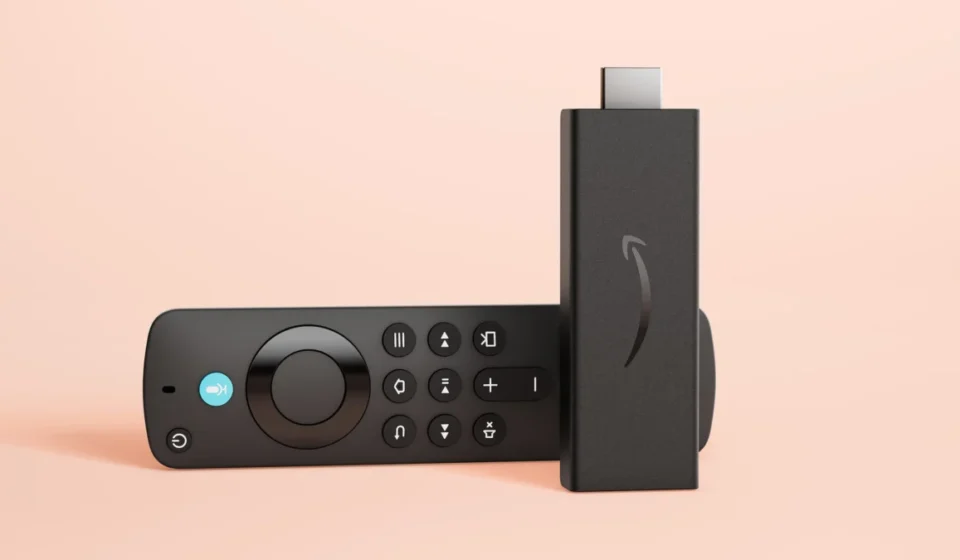
The Fire TV Stick HD, typically priced at $34.99, represents an $18 saving for consumers. This significant discount makes the device an exceptionally low-risk investment for individuals looking to modernize older television sets or enhance the functionality of secondary displays. Designed primarily for Full HD (1080p) streaming, as opposed to its 4K-capable counterparts, it nonetheless delivers the comprehensive core Fire TV experience that has become a staple for millions of users worldwide. This includes seamless access to a vast array of major subscription-based streaming applications such as Netflix, Disney+, Hulu, Max, Apple TV+, and Amazon’s own Prime Video. Beyond premium content, the device also serves as a gateway to an expansive library of free, ad-supported content from services like Tubi, Pluto TV, and Amazon Freevee. Amazon itself claims that the platform offers access to over 400,000 free movies and television episodes, positioning the Fire TV Stick HD as a valuable entertainment hub even for those without multiple paid subscriptions.
A key differentiator and significant value add for the Fire TV Stick HD is its included Alexa Voice Remote. This intelligent remote control extends beyond basic navigation, allowing users to search for specific shows, movies, or genres using voice commands, seamlessly switch between applications, and manage essential TV functions like volume and power. Furthermore, the Alexa integration transforms the streaming stick into a rudimentary smart home controller. Users within the Amazon smart home ecosystem can leverage the remote to check feeds from compatible security cameras, adjust smart lighting, or inquire about weather forecasts and other general information, integrating entertainment with daily smart home management. This functionality underscores Amazon’s strategy of creating a cohesive, interconnected user experience across its diverse product lines.
The current deal arrives amidst a dynamic period for Amazon’s retail calendar. While Prime Day, traditionally held in July, remains its flagship sales event, Amazon has been strategically introducing new sales initiatives throughout the year. The "Big Spring Sale" is a relatively newer addition, designed to capture consumer spending during the first half of the year and bridge the gap between holiday shopping and Prime Day. By offering substantial discounts on its proprietary hardware, Amazon aims to drive traffic to its platform and entice customers to engage with its retail and digital services. This approach often sees Amazon’s devices, such as Echo speakers, Kindle e-readers, and Fire tablets, heavily discounted, serving as loss leaders to attract new users into the Amazon ecosystem.
The evolution of the Fire TV Stick line reflects Amazon’s commitment to dominating the streaming device market since its introduction. The original Fire TV Stick debuted in 2014, offering a compact and affordable alternative to set-top boxes and smart TV interfaces. Over the years, Amazon has iterated on the design and capabilities, introducing various models to cater to different user needs and budgets. The Fire TV Stick Lite provides the most basic experience, while the standard Fire TV Stick HD (the subject of this current deal) offers a balanced feature set for 1080p viewing. Higher-tier models like the Fire TV Stick 4K, Fire TV Stick 4K Max, and the Fire TV Cube provide enhanced performance, 4K HDR support, and more advanced smart home integration. The sustained development and expansion of this product family underscore the strategic importance of streaming hardware to Amazon’s broader business objectives, particularly in securing a prominent "first screen" experience in consumer households.
In the highly competitive streaming device landscape, Amazon faces strong contenders such as Roku, Google Chromecast, and Apple TV. Roku, with its diverse range of devices and user-friendly interface, holds a significant market share. Google’s Chromecast offers a cast-centric experience, deeply integrated with the Android and Google ecosystems, while Apple TV caters to users entrenched in the Apple ecosystem, offering premium features and tight integration with Apple services. The Fire TV Stick HD’s current price point, however, positions it as an unparalleled value proposition, particularly against basic models from competitors. For instance, a basic Roku Express or Google Chromecast with Google TV (HD model) typically retails for a similar price to the Fire TV Stick HD’s original price, making Amazon’s discounted offering significantly more attractive on a cost-per-feature basis for standard HD streaming. This aggressive pricing is not merely about selling hardware; it’s a strategic move to onboard users into the Amazon Fire OS ecosystem, where they are more likely to subscribe to Prime Video, utilize Alexa, purchase digital content, and ultimately, engage more frequently with Amazon’s retail platform.
Supporting data consistently indicates a robust and growing demand for streaming services and devices. According to market research firms like Statista and Parks Associates, the adoption of smart TVs and standalone streaming devices continues to climb globally. While new smart TVs come equipped with integrated streaming capabilities, a substantial number of older, perfectly functional televisions still lack these features, creating a significant market for affordable upgrades like the Fire TV Stick HD. Moreover, even smart TV owners often purchase streaming sticks for specific features, better performance, or to access a different user interface than their TV’s native OS. The portability of the Fire TV Stick HD also appeals to consumers who wish to carry their streaming preferences between rooms, or even take them on trips, turning any hotel TV with an HDMI port into a personalized entertainment hub.
Industry analysts frequently point to Amazon’s hardware sales as a critical component of its "flywheel" strategy. By offering devices at competitive, sometimes even subsidized, prices, Amazon expands its customer base for Prime subscriptions, digital content purchases, and smart home product adoption. "Amazon understands that owning the ‘first screen’ in a household is paramount," states one unnamed tech industry analyst. "A low-cost device like the Fire TV Stick HD acts as an excellent entry point, drawing users deeper into their content and services ecosystem, which ultimately drives recurring revenue through subscriptions and purchases." This perspective suggests that the immediate profit margin on the Fire TV Stick HD is less critical than its role in securing long-term customer loyalty and engagement within the Amazon universe.
The implications of this deal are multifaceted. For consumers, it democratizes access to a vast world of digital entertainment, making high-quality streaming more affordable than ever. It provides a simple, plug-and-play solution for upgrading non-smart TVs, extending their lifespan and utility. For Amazon, the implications are equally significant. It reinforces its position as a dominant player in the streaming hardware market, potentially increasing its market share and driving further adoption of its Fire OS platform. This, in turn, can lead to increased advertising revenue through the Fire TV interface, as well as greater engagement with Amazon’s proprietary services and third-party content providers who pay for visibility on the platform. The deal also puts pressure on competitors, forcing them to consider similar aggressive pricing strategies or to innovate further to justify higher price points.
Beyond individual device sales, Amazon’s strategic discounting of the Fire TV Stick HD plays into the broader trend of media consumption shifting definitively towards streaming. As cable cutting accelerates and consumers seek more personalized and on-demand entertainment options, the gateway devices become increasingly important. By offering an affordable, feature-rich device, Amazon ensures it remains at the forefront of this transition, cementing its role not just as an e-commerce giant, but as a comprehensive digital entertainment provider. The Fire TV Stick HD, at its new record-low price, represents more than just a bargain; it signifies Amazon’s unwavering commitment to expanding its digital footprint in every household.