The Apple TV Celebrates Nearly Two Decades as a Streaming Pioneer, Amidst Anticipation for a New Generation

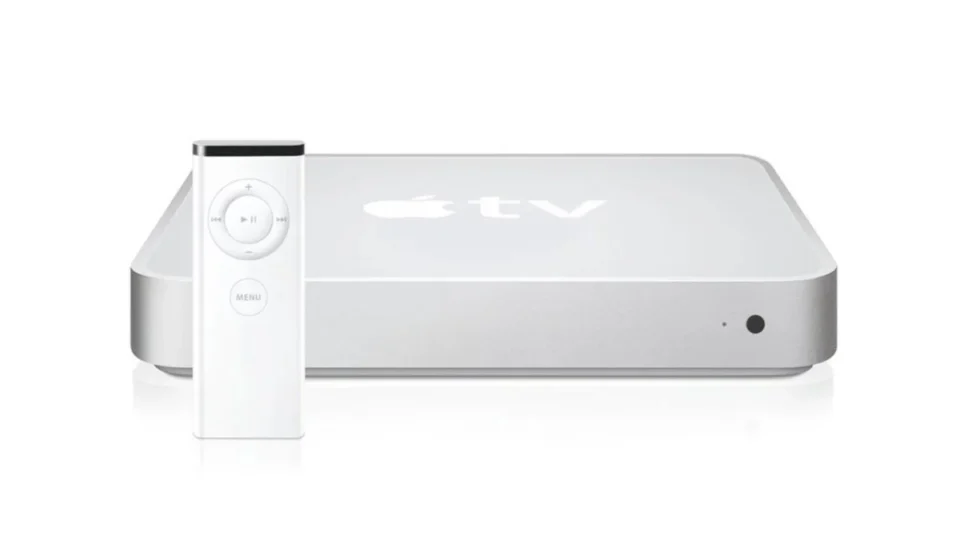
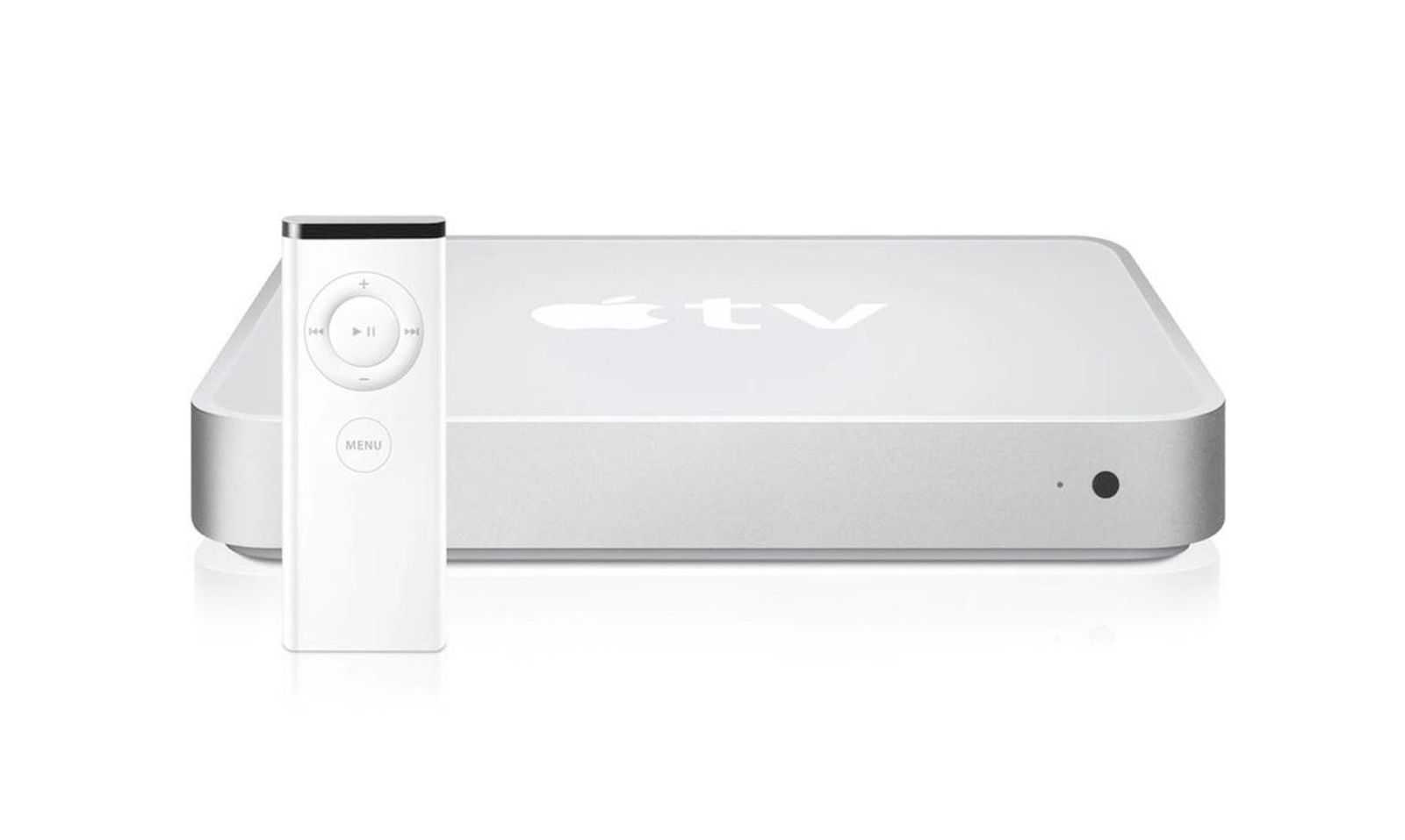
Nineteen years ago, on March 21, 2007, Apple officially launched its foray into the living room with the original Apple TV. Unveiled by the late Steve Jobs at the Macworld Expo in January of that same year, alongside the revolutionary iPhone, the device initially known as the "iTV" represented a bold, albeit experimental, move by the Cupertino giant to integrate its digital media ecosystem into the home entertainment landscape. The original Apple TV, priced at $299, was a departure from the sleek, minimalist aesthetic that would come to define Apple products, featuring a 40GB hard drive and the capability to stream content wirelessly from a Mac or PC. Its primary function was to bridge the gap between iTunes libraries and television screens, offering a gateway to purchased or synced movies, TV shows, music, and photos.
From "Hobby" Project to Entertainment Hub: A Shifting Vision
In its nascent stages, Apple CEO Steve Jobs famously described the Apple TV as a "hobby," a candid acknowledgement of its experimental nature and its position as a secondary product within the company’s burgeoning portfolio. The initial user experience was heavily reliant on the Front Row interface, a visual media browser designed for easy navigation of iTunes content. The device supported 720p HD resolution and offered both HDMI and component video outputs, marking it as a premium offering for the era’s home theater enthusiasts. However, it lacked the crucial element that would later redefine its utility: third-party app support and an App Store. The original Apple TV was a closed ecosystem, tethered to Apple’s own digital storefront and content management.
The evolutionary journey of the Apple TV has been a testament to Apple’s adaptive strategy in the rapidly evolving tech industry. Over the years, the device transitioned from a supplementary Mac accessory to a standalone streaming appliance. A significant redesign occurred in 2010, when Apple removed the internal hard drive, signaling a definitive shift towards a streaming-first approach and a more compact form factor. This move, coupled with a reduction in price, broadened its accessibility.
The most transformative moment in the Apple TV’s history arrived in 2015 with the introduction of tvOS and the accompanying App Store. This pivotal development unlocked a universe of possibilities, allowing developers to create and distribute a wide array of applications, from streaming services and games to utility apps. This effectively transformed the Apple TV from a simple media streamer into a versatile entertainment and computing platform for the television. Subsequent iterations saw the introduction of 4K streaming in 2017, a significant upgrade that catered to the growing demand for higher-fidelity video content. Apple continued to refine the hardware, equipping later models with increasingly powerful processors, culminating in the current generation’s integration of the A15 Bionic chip.
The Modern Apple TV: A Premium Ecosystem Player
Today’s Apple TV 4K, the third generation released in November 2022, stands as a sophisticated hub for Apple’s expansive service offerings. It seamlessly integrates with Apple TV+, Apple Arcade, Apple Fitness+, AirPlay, and HomeKit, underscoring its role as a central component of the Apple ecosystem. While competitors like Roku, Amazon Fire TV, and Google TV devices often vie for dominance in the more budget-conscious segment of the market, Apple has consistently positioned the Apple TV as a premium product. This strategy emphasizes superior hardware, a refined user interface, and deep integration with other Apple devices and services, appealing to consumers who prioritize a cohesive and high-quality digital experience.
The current Apple TV 4K boasts impressive performance capabilities, enabling smooth playback of high-resolution content, responsive navigation through apps, and immersive gaming experiences through Apple Arcade. Its support for Dolby Vision and Dolby Atmos further elevates the audio-visual experience for compatible content, reinforcing its premium positioning. The device’s ability to act as a HomeKit hub also enhances its utility for smart home management, allowing users to control connected devices directly from their television.
Anticipation Builds for the Next Generation
As the Apple TV nears its twentieth anniversary, industry observers and consumers alike are keenly anticipating the announcement of a new model. Rumors suggest that Apple is poised to unveil an updated Apple TV in the near future. While specific details remain speculative, reports indicate that the next iteration will feature a more powerful chip, likely an upgrade to the A-series or potentially an M-series chip for enhanced processing capabilities. Furthermore, the inclusion of Apple’s custom N1 wireless chip is a significant point of discussion, promising improvements in Wi-Fi and Bluetooth connectivity, which could translate to faster downloads, more stable streaming, and enhanced performance for accessories.
The timing of such an announcement would align with Apple’s typical product release cycles, although the company has historically been less predictable with its Apple TV updates compared to its iPhone or iPad lineups. The introduction of a new Apple TV would underscore Apple’s continued commitment to the living room as a key battleground for digital entertainment and services. The competitive landscape of streaming devices remains dynamic, with manufacturers constantly innovating to offer enhanced features and improved user experiences. A new Apple TV would aim to solidify Apple’s premium market share by delivering cutting-edge technology and seamless ecosystem integration.
A Look Back at the Market Landscape
When the original Apple TV launched, the concept of a dedicated streaming box was still in its infancy. Companies like Roku were just beginning to make their mark, and dedicated media servers were a more common solution for home media streaming. The market was characterized by nascent technologies and a fragmented approach to digital content delivery. Apple’s entry, while initially niche, helped to legitimize the concept of a connected set-top box as a mainstream consumer device.
The evolution of the Apple TV mirrors the broader trends in the consumer electronics and digital media industries. The shift from local storage and PC-dependent streaming to cloud-based services and app-driven platforms reflects the industry’s move towards greater convenience and accessibility. The increasing importance of subscription services like Apple TV+ and Apple Arcade has further cemented the Apple TV’s role as a gateway to a curated content experience.
The development of the Apple TV’s operating system, tvOS, has been crucial. Initially a derivative of iOS, tvOS has matured into a robust platform capable of supporting complex applications and sophisticated user interfaces. This evolution has enabled Apple to differentiate its offering from simpler streaming sticks and boxes, positioning it as a more comprehensive entertainment solution. The integration of features like Siri voice control, sophisticated search capabilities, and personalized content recommendations further enhances the user experience, making the Apple TV a compelling option for those invested in the Apple ecosystem.
The Future of the Living Room Experience
As Apple contemplates the next chapter for its living room device, the implications extend beyond just hardware upgrades. The company’s strategy in this space is intricately linked to the growth and adoption of its various services. A more powerful and feature-rich Apple TV could serve to drive subscriptions to Apple TV+, Apple Arcade, and Fitness+, while also reinforcing the value proposition of its hardware ecosystem. The ongoing competition in the streaming market, with players like Netflix, Disney+, Amazon Prime Video, and a host of other content providers vying for consumer attention, means that Apple must continue to innovate to maintain its competitive edge.
The potential inclusion of the N1 wireless chip hints at a focus on improved connectivity and potentially new ways to interact with Apple devices. This could pave the way for more seamless integration with other Apple products, such as the iPhone, iPad, and even the Apple Watch, enabling richer multitasking and control functionalities. The long-term vision for the Apple TV likely involves its continued evolution as a central hub for all forms of digital entertainment and interaction within the home.
The nearly two-decade journey of the Apple TV is a compelling narrative of technological evolution and strategic adaptation. From its humble beginnings as a "hobby" project to its current status as a premium entertainment hub, the device has played a significant role in shaping how consumers access and consume media in their homes. As the market continues to mature and consumer expectations evolve, the anticipation surrounding the next generation of Apple TV suggests that Apple remains committed to its vision of the connected living room, poised to redefine the home entertainment experience once again. The ongoing development and refinement of the Apple TV underscore its importance within Apple’s broader strategy, aiming to provide a cohesive and immersive digital life for its users.